
Ask any engineer about the quiet workhorses of mechanical design, and bevel gears will come up fast. They're the components that let power turn a corner, transferring torque and rotation between shafts that meet at an angle, usually a clean 90 degrees. From car differentials to precision gearboxes, they're everywhere once you start looking. In this guide we'll walk through what a bevel gear actually is, how it works, the main types, and the practical considerations that matter when you're specifying, maintaining, or ordering one.
What Is a Bevel Gear?
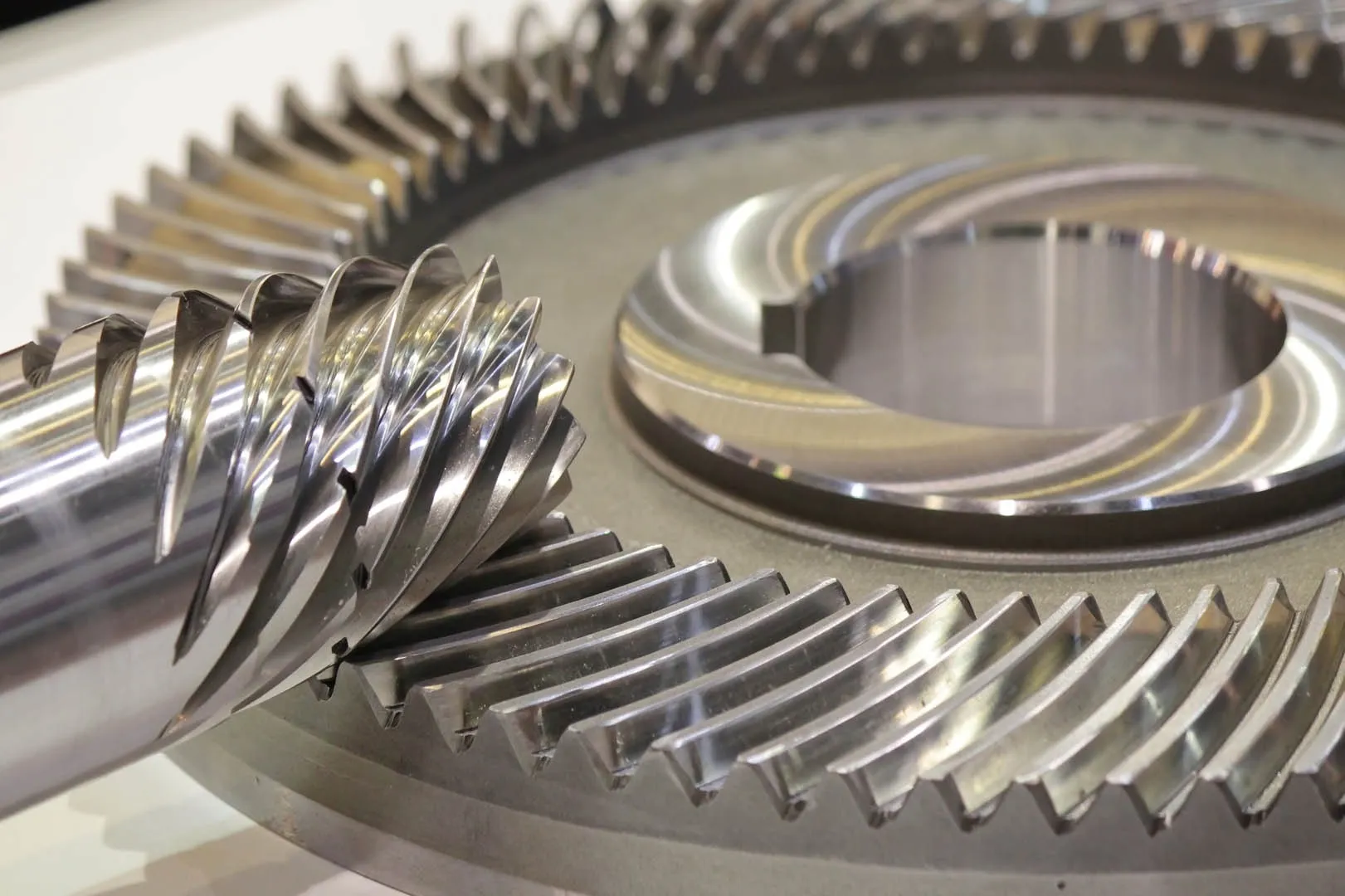
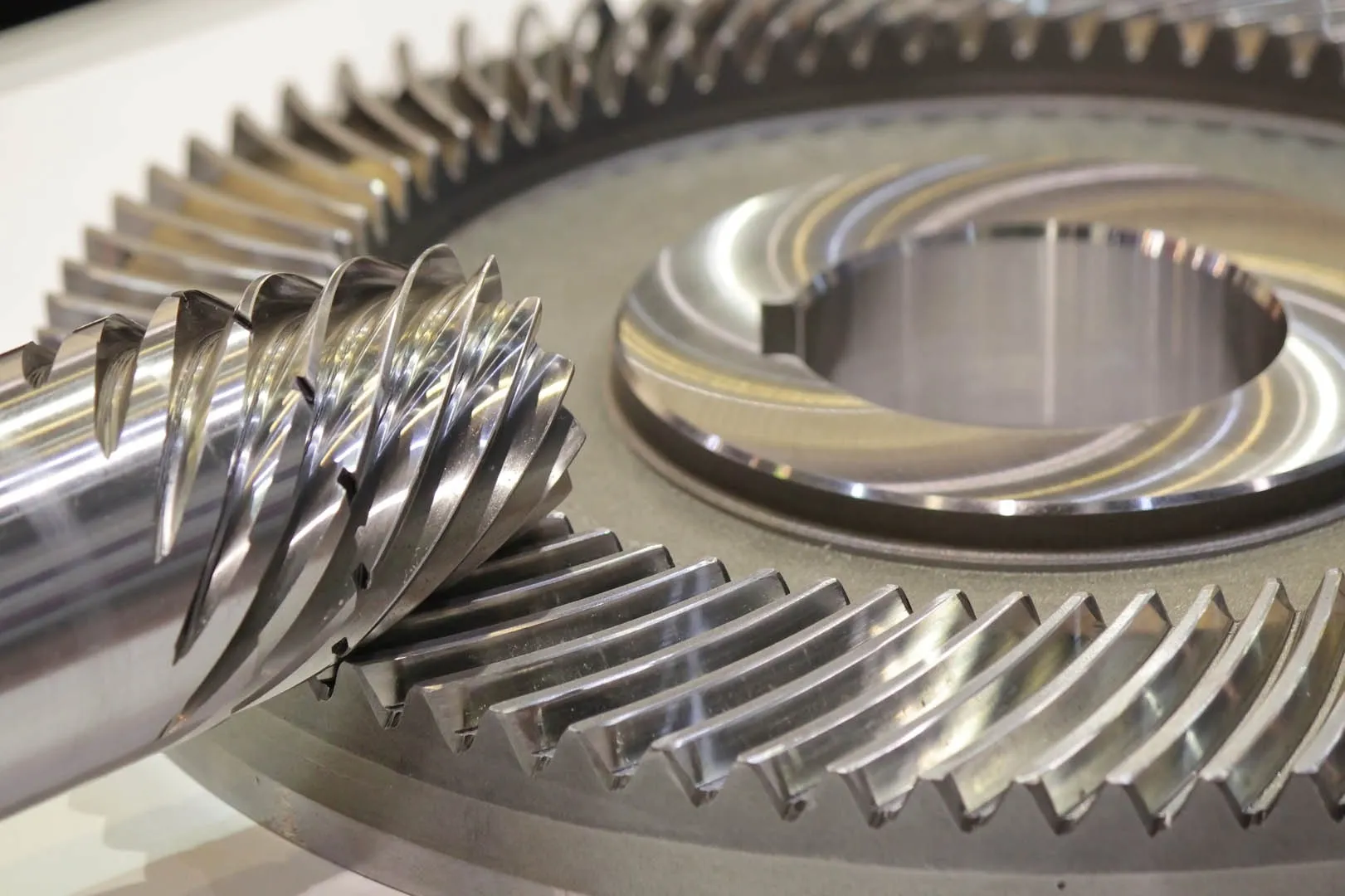
A bevel gear is a conically shaped gear with teeth cut on its pitch surface, designed to mesh with a mating bevel gear to form a pair. Unlike spur gears that sit on parallel shafts, bevel gears transmit power between intersecting shafts, most often at a right angle. Their cone-shaped geometry is the giveaway: extend the teeth and they'd meet at the point where the shaft axes cross. When both gears in the pair carry the same number of teeth, we call them miter gears.
How Do Bevel Gears Work?
The principle is simple. Two conical gears mesh so the rotation of one shaft passes to another at an angle, changing direction and adjusting speed and torque along the way. When the pinion drives the larger gear, speed drops but torque rises. Reverse it, and you get more speed but less torque. Because the teeth roll over each other rather than sliding heavily, frictional losses stay low, and a well-made bevel drive can reach up to 98% efficiency.
Types of Bevel Gears
Bevel gears fall into a few main families. Straight bevel gears have teeth that would converge at the shaft intersection, and they split further into Gleason (profile-shifted) and standard types. Spiral bevel gears use curved teeth for smoother, quieter running. Hypoid gears are a close cousin, with offset shafts that don't intersect. Choosing between them comes down to load, speed, and how much noise you can live with.
What Is a Spiral Bevel Gear?
A spiral bevel gear is a bevel gear with curved, spiral-shaped teeth rather than straight ones. That curve means more than one tooth is engaged at a time, so contact builds up gradually instead of all at once. The result is smoother operation, lower noise, and better load capacity at higher speeds. Where a straight bevel gear can get noisy under load, a spiral bevel gear handles the same job with far less fuss, which is why they're common in demanding drivetrains.
Key Components of a Bevel Gear
Every bevel gear pair comes down to a handful of parts working together. The pinion is the smaller, usually driving gear. The larger driven member is often called the gear or crown wheel. Both share a conical pitch surface, and the tooth form cut into that surface determines how cleanly they mesh. For a pair to work, the pinion and gear must share the same pitch and pressure angle, with pitch angles that add up to the shaft angle.
How Are Bevel Gears Manufactured?
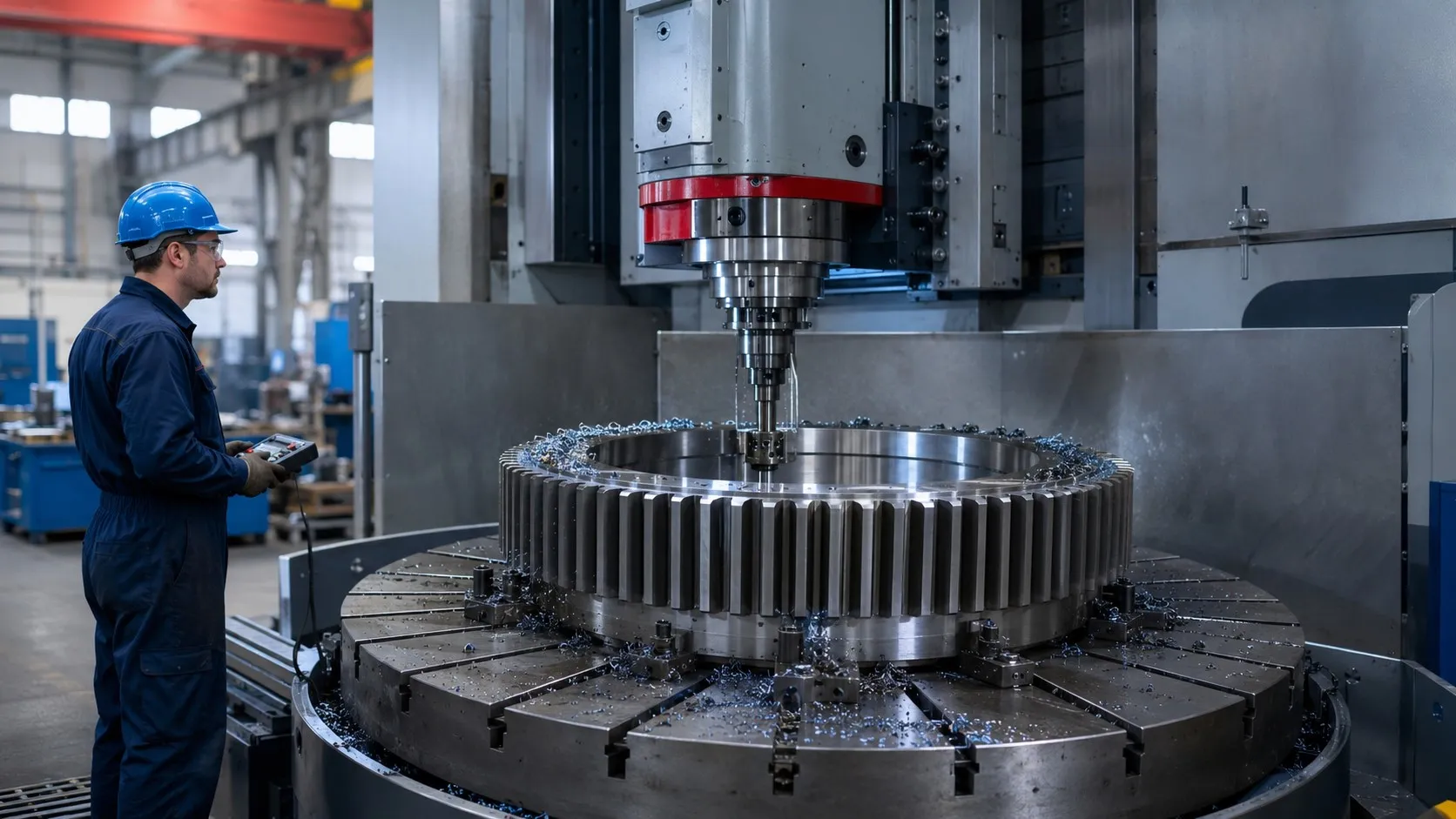
Bevel gear teeth are generated using a specialised cutter on a bevel generating machine. The cutter shapes a section of the gear, then indexes round to the next tooth. Cutter radius has to account for the mating gear's tooth count and the shaft angle, so tooling isn't one-size-fits-all. Gears can be made from steel, brass, bronze or plastic, and many are hardened for strength. Key geometry includes outer diameter, mounting distance, cone distance, and length through the bore.
Applications of Bevel Gears Across Industries
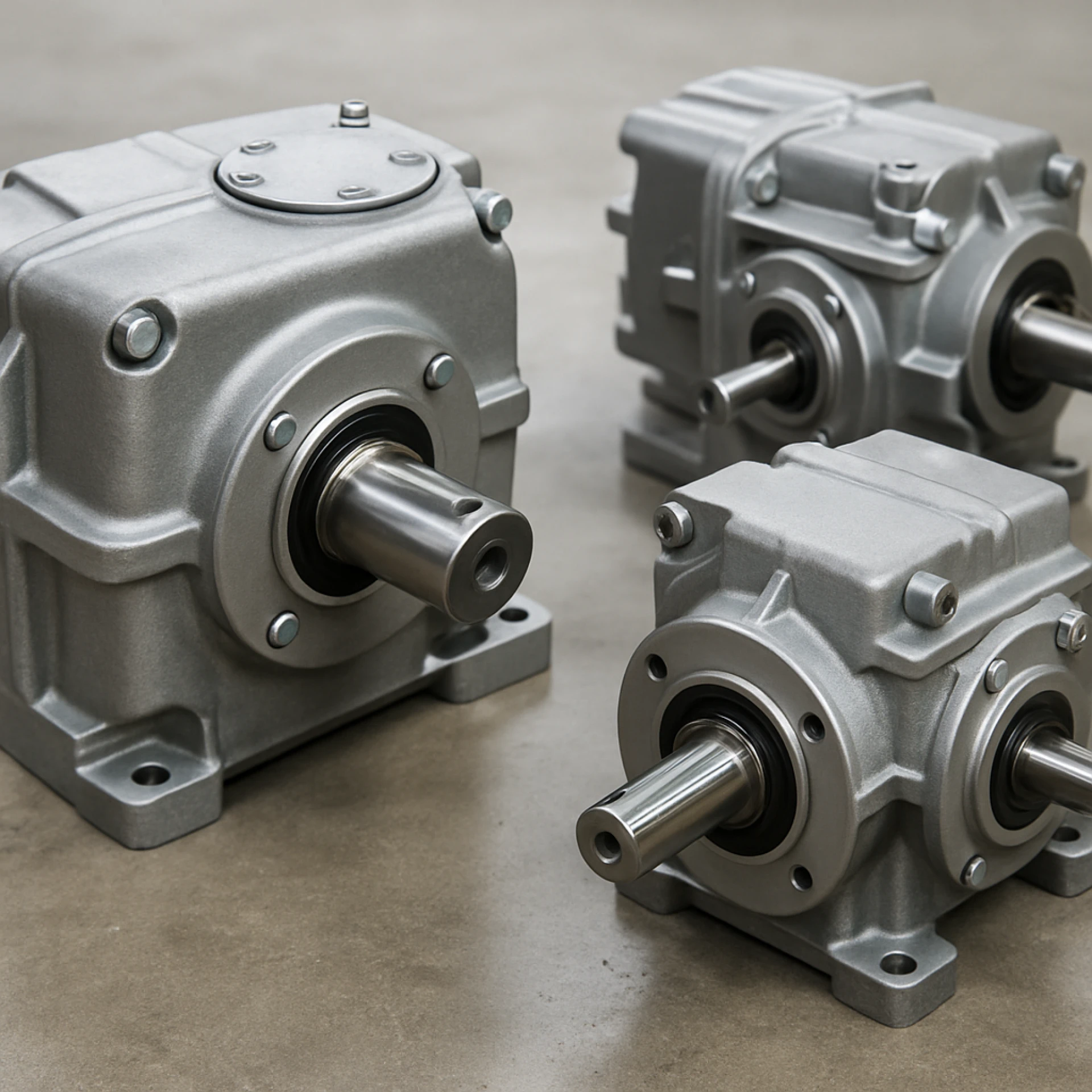
You'll find bevel gears wherever power needs to change direction in a compact space. Automotive differentials are the classic example, splitting drive to the wheels. Beyond that, they turn up in gearboxes, machine tools, printing equipment, marine drives, and countless industrial machines. In automation and lifting systems, bevel gearboxes distribute power from one motor to multiple screw jacks with minimal loss, which makes them a favourite for right-angle transmission.
Advantages of Using Bevel Gears
The big draw is efficient right-angle power transmission in a compact package. Compared with a worm gear drive, which typically runs 50-80% efficient, a bevel gearbox can reach up to 98%, so far less power is lost through the turn. They also offer flexibility: while 90 degrees is standard, acute and obtuse shaft angles are possible. Add reliable torque transfer and a long service life, and it's easy to see why the design has stuck around.
Factors to Consider When Choosing a Bevel Gear
Getting the specification right saves headaches later. We'd weigh up the shaft angle, the load and torque the gear must carry, the operating speed, and how much noise is acceptable. Tooth type matters too: straight bevel for simpler, lower-speed jobs, spiral bevel where smoothness counts. Don't forget material choice and whether hardening is needed. And remember, one important drawback is that using a bevel pair as a speed increaser reduces output torque.
Common Bevel Gear Problems and How to Prevent Them
Most bevel gear troubles trace back to a few culprits: excessive noise, tooth wear, and poor meshing. Misalignment is often the root cause, throwing off the contact pattern and accelerating wear. Inadequate lubrication is another. Prevention is largely about the basics done well, correct alignment during assembly, proper lubrication, and accurately manufactured teeth. Getting the mounting distance right is critical, since even small errors shift where the teeth make contact.
How to Maintain Bevel Gears for Longer Service Life
Bevel gears reward a bit of routine care. Keep lubrication topped up and clean, since the right oil film keeps friction and heat down. Check alignment and mounting distance periodically, and inspect for signs of wear, pitting, or unusual noise. Above all, keep the gears working within their design limits for load, speed and temperature. Push them past those limits and even a well-made gear will fail early.
The Role of a Gear Cutting Company in Bevel Gear Manufacturing
A gear cutting company turns a design on paper into a gear that actually meshes. They produce the tooth geometry to the required specification, accuracy and surface finish, all of which decide how cleanly the pair runs and how much load it carries. Because bevel gear cutting demands the right machines and tooling for each shaft angle and tooth count, this expertise is central to reliable performance, not an afterthought.
How to Choose the Right Gear Cutting Company
When we pick a partner, we look first for genuine bevel gear expertise, straight, spiral, and miter gears each bring their own challenges. Next comes manufacturing capability: the right machines, materials, and capacity for our volumes. Solid quality control is non-negotiable, since accuracy drives meshing and durability. Finally, we check they can meet our exact accuracy, material and load specs. Get all that right, and you've got gears that perform quietly and last for years.
Frequently Asked Questions About Bevel Gears
What is a bevel gear and how does it work?
A bevel gear is a conically shaped gear with teeth cut on its pitch surface, designed to mesh with another bevel gear to transmit power between intersecting shafts, typically at 90 degrees. The gears rotate together, changing direction and adjusting speed and torque; well-designed bevel drives reach up to 98% efficiency.
What are the main types of bevel gears?
The main types are straight bevel gears (with teeth converging at the shaft intersection), spiral bevel gears (with curved, spiral-shaped teeth for quieter operation), and hypoid gears (with offset shafts). Spiral bevel gears offer smoother operation and better load capacity at higher speeds.
What is the difference between a bevel gear and a worm gear for right-angle transmission?
Bevel gears are significantly more efficient than worm gears for right-angle power transmission. Worm gears typically operate at 50–80% efficiency, losing substantial power, whilst bevel gearboxes achieve up to 98% efficiency with minimal power loss through the direction change.
How are bevel gears manufactured?
Bevel gear teeth are generated using a specialised cutter on a bevel generating machine. The cutter shapes a section of the gear, then indexes to the next tooth. Cutter radius must account for the mating gear's tooth count and shaft angle. Gears are produced from steel, brass, bronze, or plastic and often hardened for strength.
What are common bevel gear problems and how can they be prevented?
Common issues include excessive noise, tooth wear, and poor meshing, often caused by misalignment or inadequate lubrication. Prevention requires correct alignment during assembly, proper lubrication maintenance, accurate tooth manufacture, and precise mounting distance to ensure optimal contact patterns.
Why is selecting the right gear cutting company important for bevel gear reliability?
A quality gear cutting company produces accurate tooth geometry and surface finish critical for proper meshing and load transmission. Since bevel gear cutting demands specific machines and tooling for each shaft angle and tooth count, expertise in bevel gear design directly impacts performance, noise levels, and service life.




























Sign in to leave a comment.