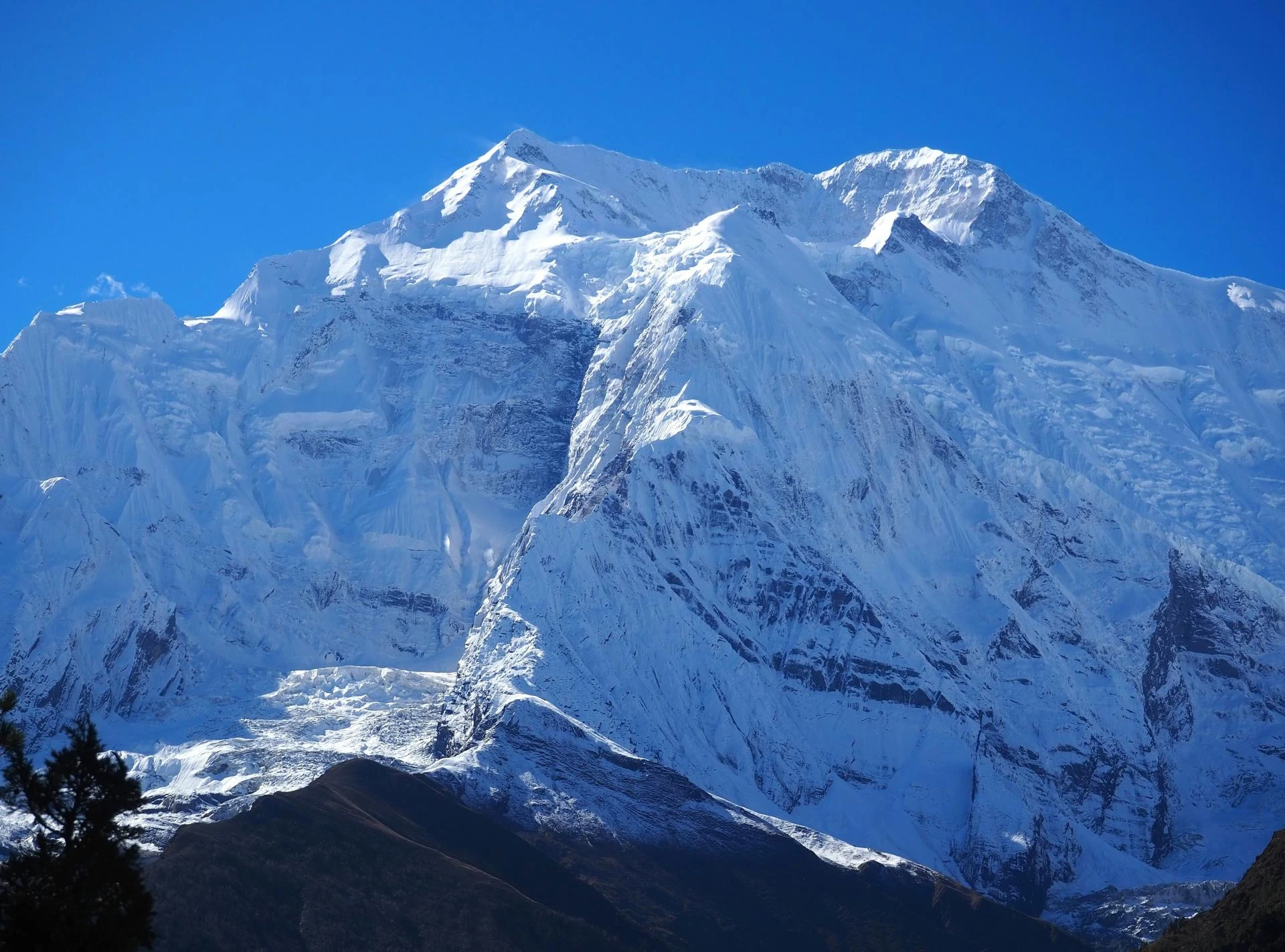

Climbing Pisang Peak is a thrilling Himalayan adventure that offers an exciting introduction to high-altitude mountaineering in Nepal. Standing at 6,091 meters, Pisang Peak is one of the most popular “trekking peaks” in the Annapurna region. Its accessible routes, combined with breathtaking views of Annapurna II, Gangapurna, and Pisang Himal, make it a favorite for climbers looking to step into mountaineering without extreme technical challenges.
Why Pisang Peak Stands Out
Pisang Peak is ideal for climbers who want to experience the Himalayas up close. Unlike major expeditions, it does not require years of technical climbing experience, but it still offers the thrill of stepping onto a snowy summit. The peak provides a perfect mix of trekking and climbing, allowing adventurers to enjoy local villages, mountain culture, and high-altitude landscapes along the way.
The climb usually starts from Manang, which can be reached via the Annapurna Circuit. From here, climbers hike to Pisang Peak Base Camp, situated at around 4,200 meters, where preparation and acclimatization begin. Experienced guides and proper equipment, including crampons, ice axes, and ropes, ensure a safe ascent.
The Climbing Experience
The ascent of Pisang Peak involves walking on snow and ice, navigating glaciers, and ascending moderate slopes. Most climbers reach the summit in a single day from high camp, making early morning starts essential. The final push rewards climbers with panoramic views of surrounding peaks, glaciers, and deep Himalayan valleys.
While technical difficulty is moderate, altitude remains a key factor. Proper acclimatization and a steady pace are essential to prevent fatigue and altitude sickness. The climb is physically challenging, but achievable for trekkers with reasonable fitness and determination.
Cultural and Natural Highlights
Along the route to Pisang Peak, trekkers experience the rich culture of the Manang region. Local villages showcase traditional stone houses, prayer flags, and Buddhist monasteries. The landscapes vary from lush forests and rivers to high alpine terrain, providing a dramatic contrast that highlights Nepal’s natural diversity.
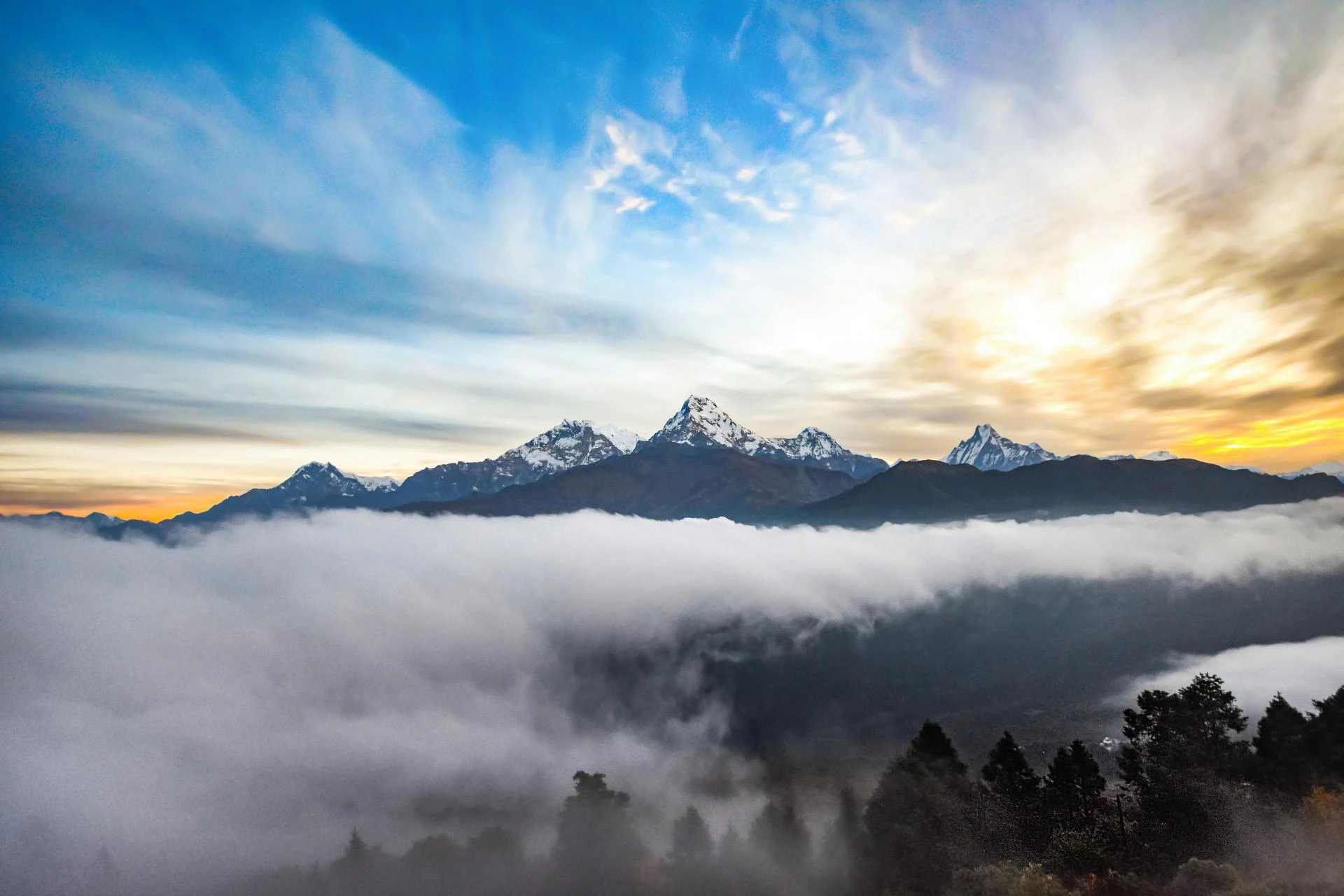
The Annapurna region’s scenery is a major part of the Pisang Peak climbing experience. From towering peaks to glaciers and terraced hills, every step of the climb offers stunning photographic opportunities.
Tips for a Successful Climb
To make the most of Pisang Peak climbing, preparation is key. Climbers should:
- Train for endurance and high-altitude hiking before the trip
- Use proper gear including insulated clothing, boots, and climbing equipment
- Spend acclimatization days at Manang or base camp
- Hydrate well and maintain energy with light meals
- Climb with an experienced guide to ensure safety
Following these tips helps climbers enjoy the adventure while staying safe and comfortable at high altitudes.
Conclusion
Climbing Pisang Peak is more than reaching a 6,000-meter summit. It is about experiencing the Himalayas, testing your endurance, and discovering Nepal’s natural and cultural treasures. For those seeking an achievable yet thrilling Himalayan climb, Pisang Peak offers a perfect blend of adventure, beauty, and personal achievement.




























Sign in to leave a comment.