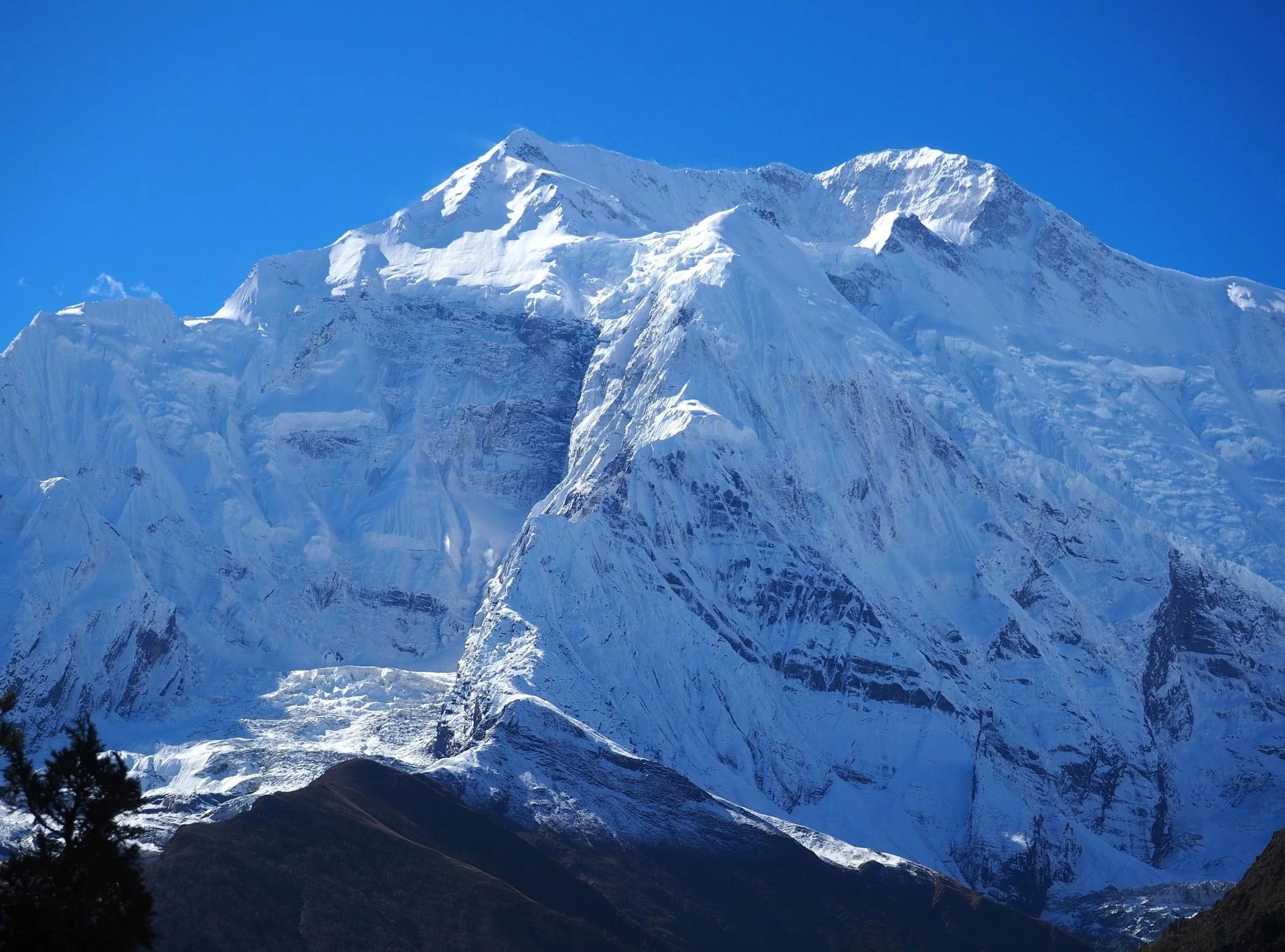

I still feel the shake of my boots on rocky snow when I think about Peak Climbing in Nepal. Nepal is a place of giant mountains, bright skies, and crisp morning air. I have worked in travel and tourism for over ten years, and every season I guide people to the high mountains. In all my journeys, peak climbing in Nepal has always been one of the most pure, deep, and moving experiences. Every climb teaches me something new about strength, fear, joy, and wonder.
In this article, I will share a clear and simple look at peak climbing in Nepal. I will talk about the mountains, the heights, the paths we walk, and the views that take your breath away.
What Is Peak Climbing?
Peak climbing is the work of walking up a mountain to reach its top. In Nepal, many peaks are open for climbing. These peaks are mostly between 5,500 meters and 6,476 meters tall, and Nepal allows more than 400 of them for climbers. Some are harder than others, but all give deep reward for those who try. Peak climbing is a mix of hiking, snow walking, and sometimes easy mountaineering. You need good fitness, some skill with gear like ropes and crampons, and a calm mind. The weather and thin air are always part of the challenge.
Five Popular Peaks in Nepal
Here are some of the most loved peaks that climbers choose in Nepal. These mountains sit among the high Himalaya and are part of many great journeys.
1. Mera Peak
Mera Peak is the highest trekking peak in Nepal. It stands tall in the Everest region. From the top, you can see five of the world’s tallest mountains in one view. Mera is a good choice for climbers who want a big mountain without too many technical steps.
2. Island Peak
Also called Imja Tse, Island Peak sits near the classic Everest Base Camp route. It looks like an island in a sea of snow and ice. This peak is popular because its route is beautiful and dramatic, with great views of Everest and Ama Dablam.
3. Lobuche Peak
Lobuche Peak is slightly tougher than some other peaks. Its slopes are steep and rocky in places. Climbers often choose Lobuche to grow their skills. The views from the top include mighty sights of the Khumbu Glacier and Everest.
4. Chulu East Peak
Chulu East sits in the Annapurna region. The path crosses green valleys, small villages, and high passes. The climb takes you into the heart of Nepal’s rugged mountains and offers wide views of Dhaulagiri, Annapurna, and Manaslu ranges.
5. Pisang Peak
Pisang Peak is another favorite in the Annapurna area. It rises above the Manang Valley. Climbers see wide fields, rocky ridges, and snowy peaks from the summit. Pisang blends natural wonder with the cultural feel of the high Himalaya.
Numbers That Matter
Peak climbing takes time and care. The average length of a peak climbing trip is between 15 and 25 days depending on the mountain and the route you take. Climbers walk long distances through valleys and up steep slopes. Some journeys cover a total distance of 100–150 kilometers from start to finish. Peaks like Mera or Island stand above 6,000 meters of elevation, which means climbers must give time for their bodies to adjust to the thin air high above sea level. This slow gain in height is called acclimatization. It helps protect your body from altitude sickness, which is a real challenge on tall peaks.
The Feel of Climbing These Peaks
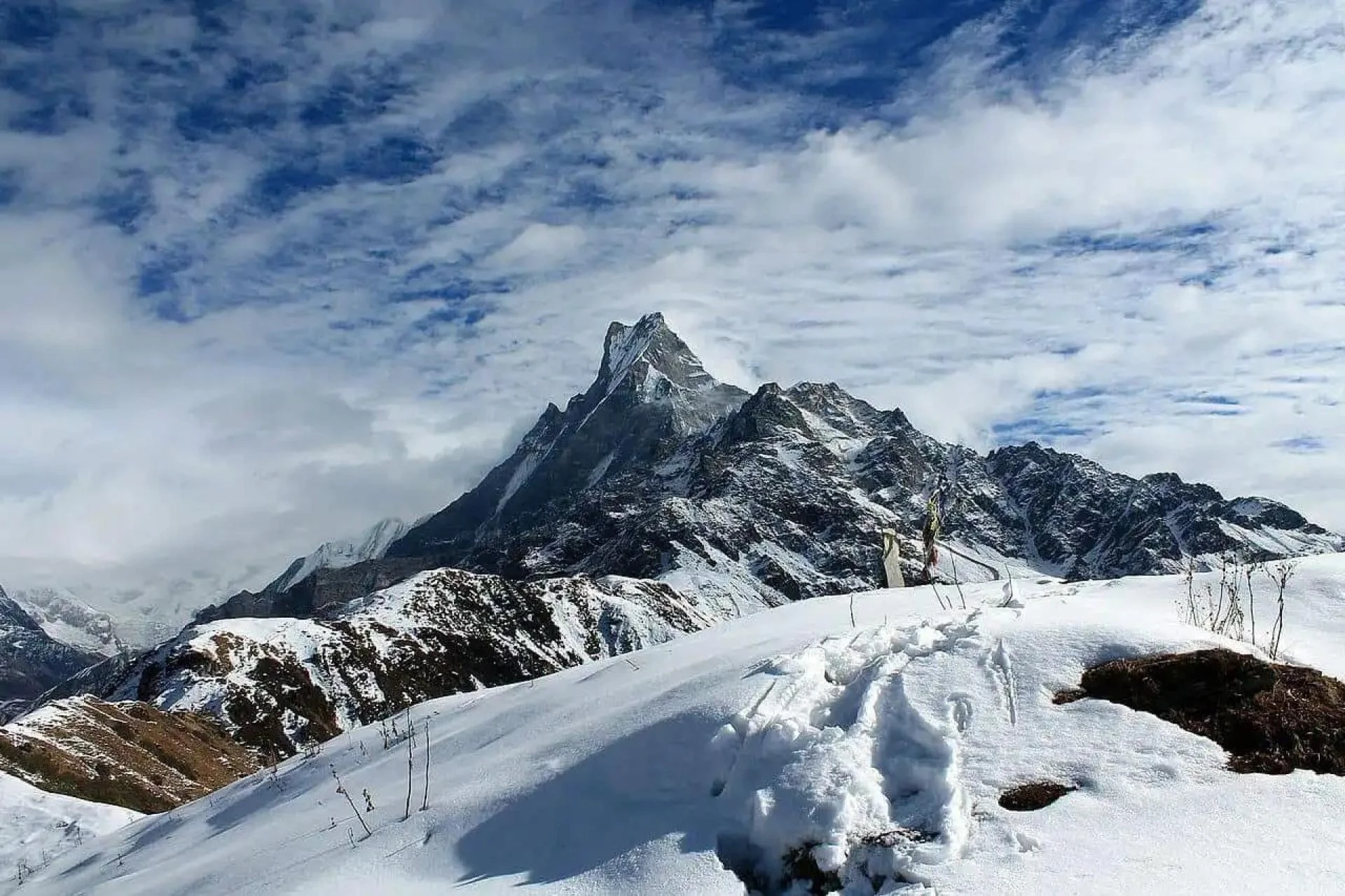
Peak climbing in Nepal is not only about standing on a summit. It is about the rhythm of each day, the sound of ice under boots, and walking through valleys where prayer flags flutter in the wind. On these paths, we see snow leopards’ homes, forests of fragrant pine, and villages where locals welcome us with warm tea. Every day starts early when the air is calm and the sky is deep blue.
At night, we sleep under thick blankets as the world outside turns cold and clear. I have stood in silent camps where the sky glows with stars like scattered sparks from a fire.
What You Will Learn On the Mountains
Climbing teaches patience and respect for nature. You learn to listen to your body and quiet your mind. You learn that teamwork and trust matter when the path becomes steep and the air thin. Each step up the mountain asks for calm focus.
Tips From My Experience
I have guided many travelers, and here are a few simple tips:
- Train your legs, lungs, and heart before the climb with long walks and hill hikes.
- Practice using climbing gear like ropes, ice axes, and crampons.
- Choose good seasons like spring (March–May) and autumn (September–November) when the weather is steady and clear.
- Go with experienced guides who know the mountains and how to keep you safe.
Beautiful Memories and Deep Meaning
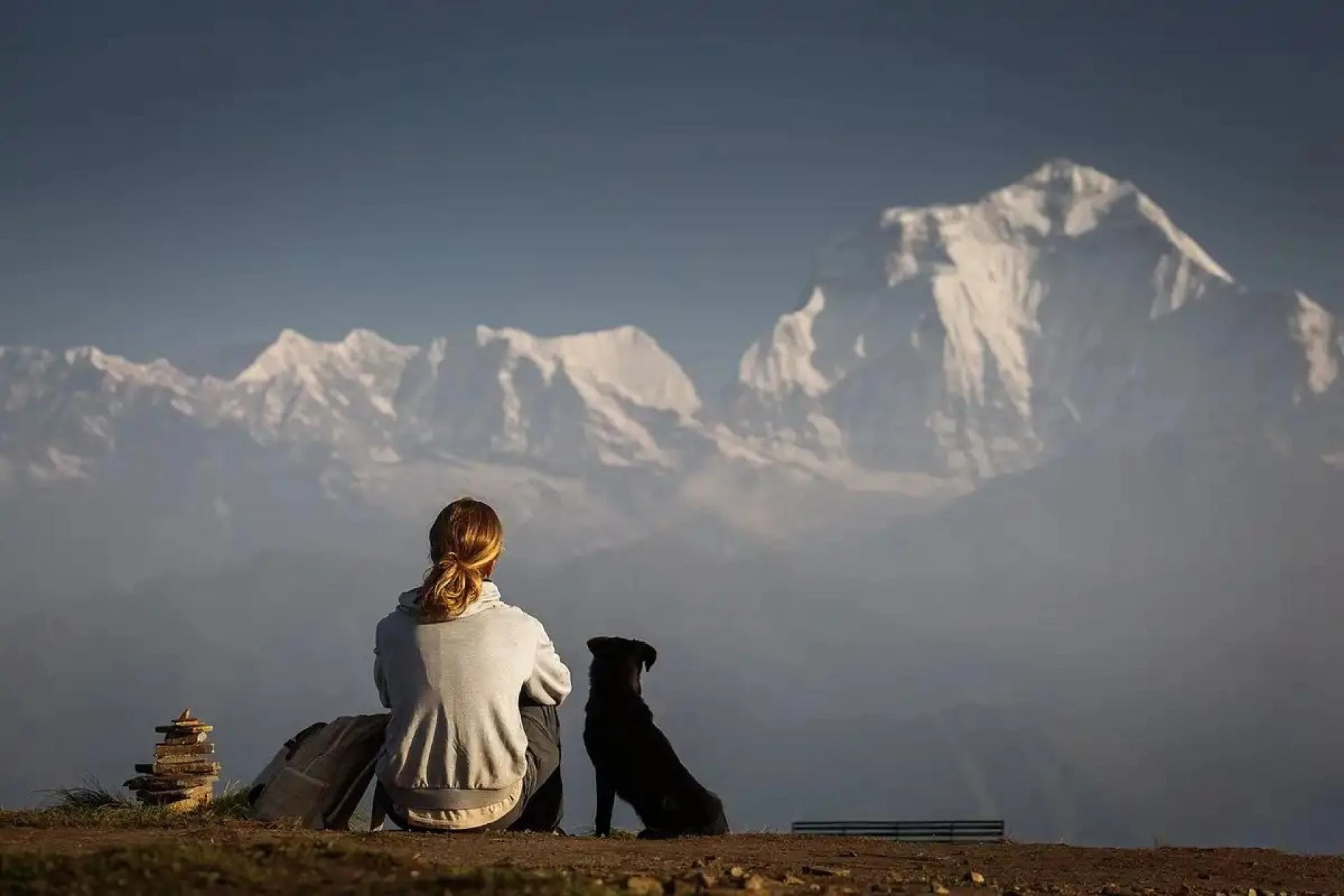
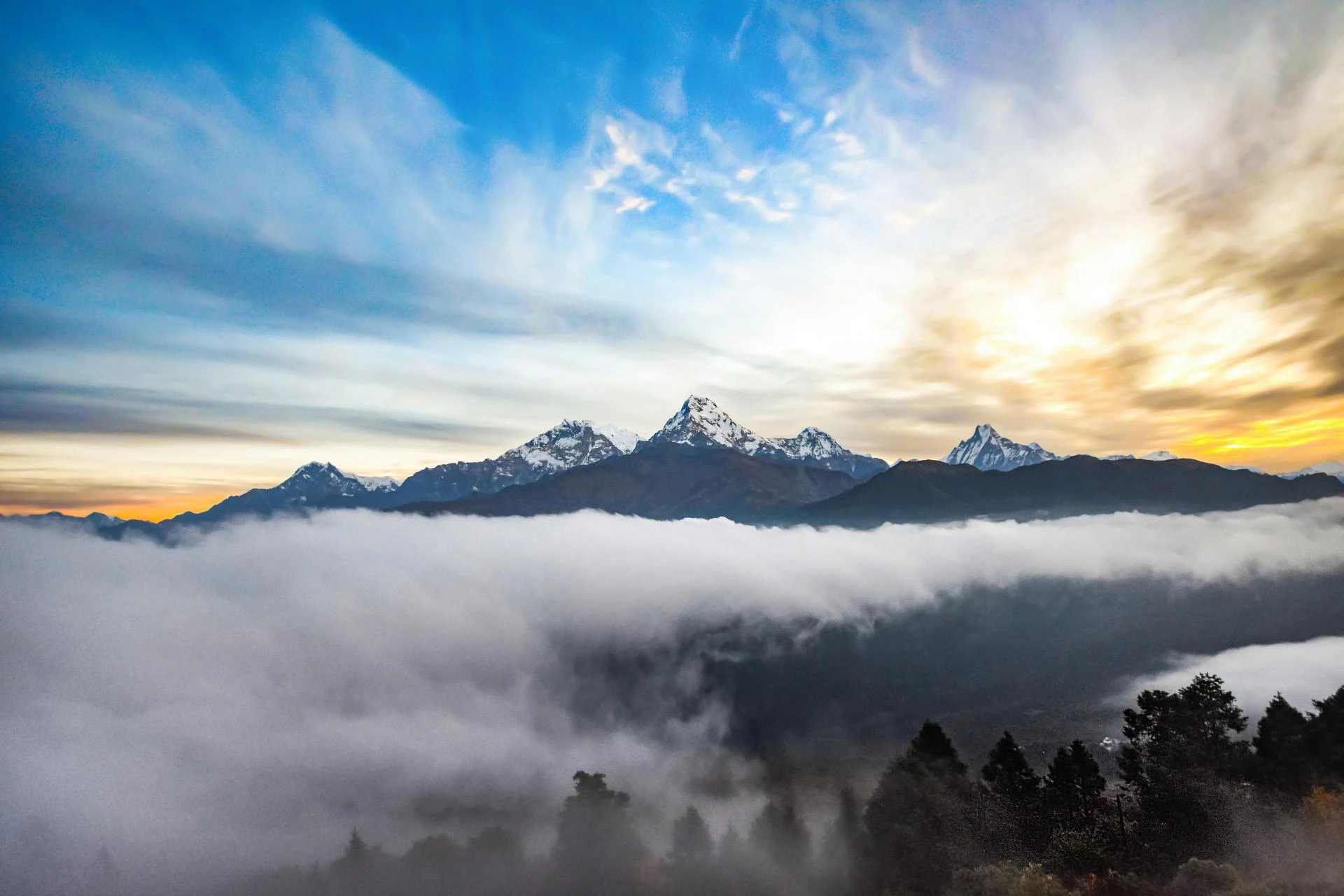
Peak climbing in Nepal is much more than an adventure. It is a life memory that stays with you. When you stand above the clouds, seeing snow mountains all around, you feel a connection to the earth and to your own strength. These peaks are a quiet school where you learn about willpower and beauty. You also learn about the rich culture of Nepal, from Sherpa villages in the Everest region to the old stone homes in Annapurna.
Climbing peaks might be tough, but the reward is deep and gentle at the same time. It changes your view of the world and of yourself. If you love the mountains and seek a challenge that is also touching and serene, peak climbing in Nepal will stay in your heart long after you return home.





















Sign in to leave a comment.