
Introduction
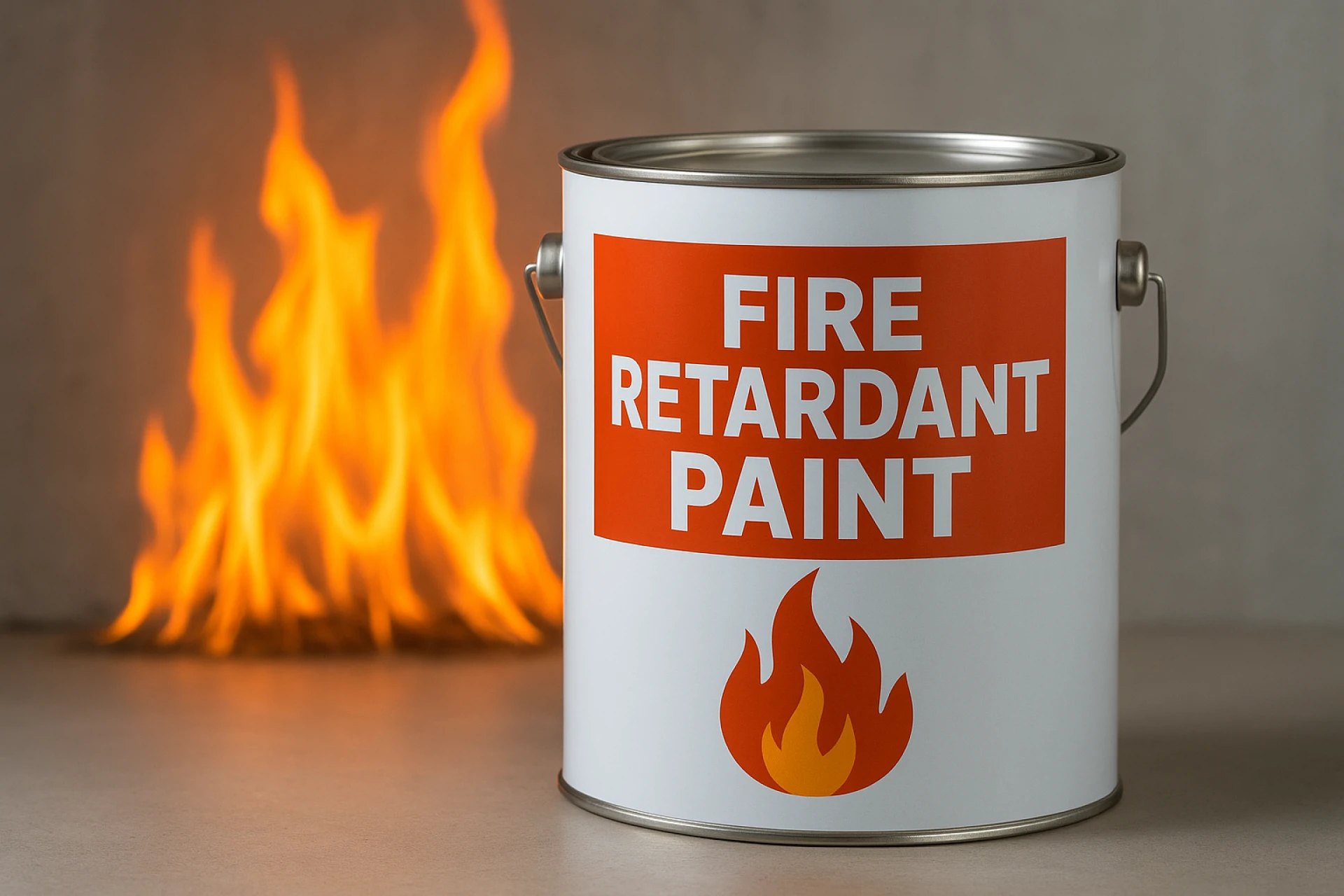
Fire retardant paint is widely used across multiple substrates and industries as a core element of passive fire protection. While specifications and standards define performance, real-world effectiveness depends heavily on choosing the right fire retardant paint for the right application.
This article focuses on application-wise use of fire retardant paint, covering steel, structural steel, metal structures, cables, wood, concrete, walls, and exterior conditions, with an India-specific perspective.
What Is Fire Retardant Paint?
Fire retardant paint is a protective coating that slows the spread of flames and reduces heat transfer when exposed to fire. Most modern systems rely on intumescent fire retardant paint, which expands under heat to form an insulating char layer.
Fire retardant paint is designed to provide time—typically 30 or 60 minutes—allowing occupants to evacuate and emergency systems to operate.
Fire Retardant Paint for Steel
Fire retardant paint for steel is one of the most common applications in infrastructure and industrial projects. Steel rapidly loses strength at high temperatures, making protection critical.
Applications include:
- Industrial sheds
- Commercial buildings
- Warehouses
- Power plants
Fire retardant paint for steel beams and columns is specified based on section factor and required fire rating.
Fire Retardant Paint for Structural Steel
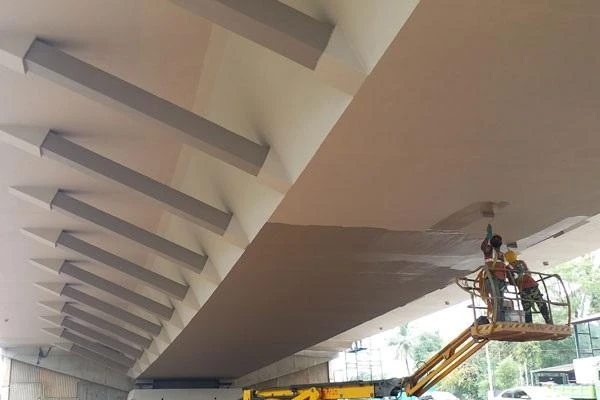
Fire retardant paint for structural steel is mandatory in many projects to meet statutory fire norms. Intumescent fire retardant paint is preferred due to its thin-film nature and architectural finish.
Fire retardant paint for structural steel is extensively used in:
- Airports
- Metro rail projects
- Data centers
- IT parks
Fire Retardant Paint for Steel Beams
Fire retardant paint for steel beams requires precise DFT control to achieve certified fire resistance. A 60 minute fire retardant paint system is commonly specified for beams supporting critical loads.
Fire Retardant Paint for Metal & Metal Structures
Fire retardant paint for metal structure protects fabricated components such as staircases, platforms, cable trays, and handrails. These systems reduce flame spread and delay metal deformation.
Fire Retardant Paint for Cables
Fire retardant paint for cables is applied on cable trays and bundled cables to prevent flame propagation. It is especially important in:
- Tunnels
- Power transmission projects
- Refineries
- Substations
Fire Retardant Paint for Electrical Cables
Fire retardant paint for electrical cables reduces smoke density and toxic gas emission during fire incidents, improving visibility and safety.
Fire Retardant Paint for Wood
Fire retardant paint for wood is widely used in:
- Auditoriums
- Hotels
- Schools
- Heritage buildings
Water based fire retardant paint is preferred for wood due to low VOC and ease of application. White fire retardant paint is commonly used where aesthetics matter.
Fire Retardant Paint for Concrete
Fire retardant paint for concrete enhances fire safety of structural and non-structural concrete elements. While concrete has inherent fire resistance, surface protection improves performance and reduces spalling risk.
Common uses include:
- Basements
- Parking areas
- Industrial floors
Fire Retardant Paint for Walls
Fire retardant paint for walls is applied in escape routes, staircases, corridors, and service shafts. These coatings help meet fire safety compliance in commercial and residential buildings.
Exterior Fire Retardant Paint
Exterior fire retardant paint systems are designed to withstand UV exposure, rain, humidity, and temperature variations. These systems include:
- Intumescent fire retardant paint
- Protective weather-resistant topcoats
Exterior fire retardant paint is commonly used in oil & gas plants and exposed steel structures.
Water Based Fire Retardant Paint Applications
Water based fire retardant paint is ideal for:
- Interior walls
- Wood substrates
- Cable coatings
It offers easy application, fast drying, and low odor, making it suitable for occupied buildings.
Fire Retardant Spray Paint
Fire retardant spray paint is used for touch-ups, maintenance work, and complex geometries where brush or roller application is difficult.
Fire Retardant Paint Application Method (Substrate-Wise)
Steel & Metal
- Surface cleaning and priming
- Application of intumescent fire retardant paint
- Optional topcoat
Wood
- Sanding and cleaning
- Direct application of water based fire retardant paint
Cables
- Cleaning of cable surfaces
- Spray or brush application
Concrete & Walls
- Crack filling and surface preparation
- Application of fire retardant paint as per specification
Fire Retardant Paint Coverage by Application
Fire retardant paint coverage varies by substrate and required fire rating. Higher fire ratings require higher DFT, reducing coverage per litre.
Fire Retardant Paint in India: Application Trends
Fire retardant paint in India is increasingly specified in:
- Infrastructure projects
- Industrial plants
- Commercial complexes
Fire Retardant Paint Manufacturers in India
Several fire retardant paint manufacturers in India offer application-specific solutions certified for different substrates.
Market References (Indicative)
- Fire retardant paint Asian Paints
- Fire retardant paint Jotun
- Berger fire retardant paint
Fire Retardant Paint Price Impact by Application
Fire retardant paint cost varies depending on:
- Substrate type
- Fire rating
- Application complexity
Fire retardant paint price in India typically ranges from ₹350 to ₹2,500 per litre.
FAQs on Fire Retardant Paint Applications
Does fire retardant paint work on all surfaces?
Yes, provided the correct system is selected for steel, wood, cables, concrete, or walls.
Is fire retardant paint suitable for exterior use?
Yes, exterior fire retardant paint systems are available with weather-resistant topcoats.
How long will fire retardant paint last?
Depending on environment and maintenance, service life ranges from 10–25 years.


























Sign in to leave a comment.