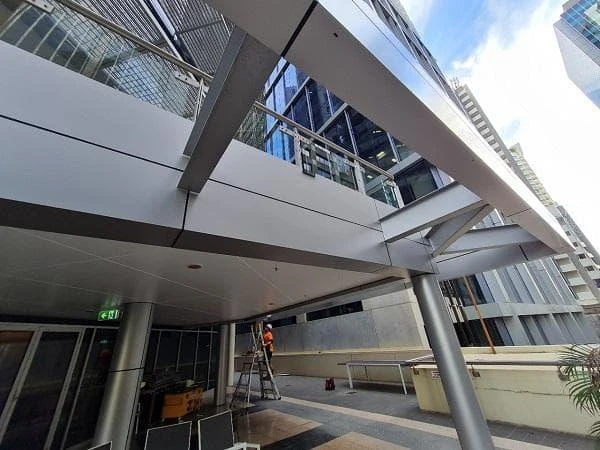
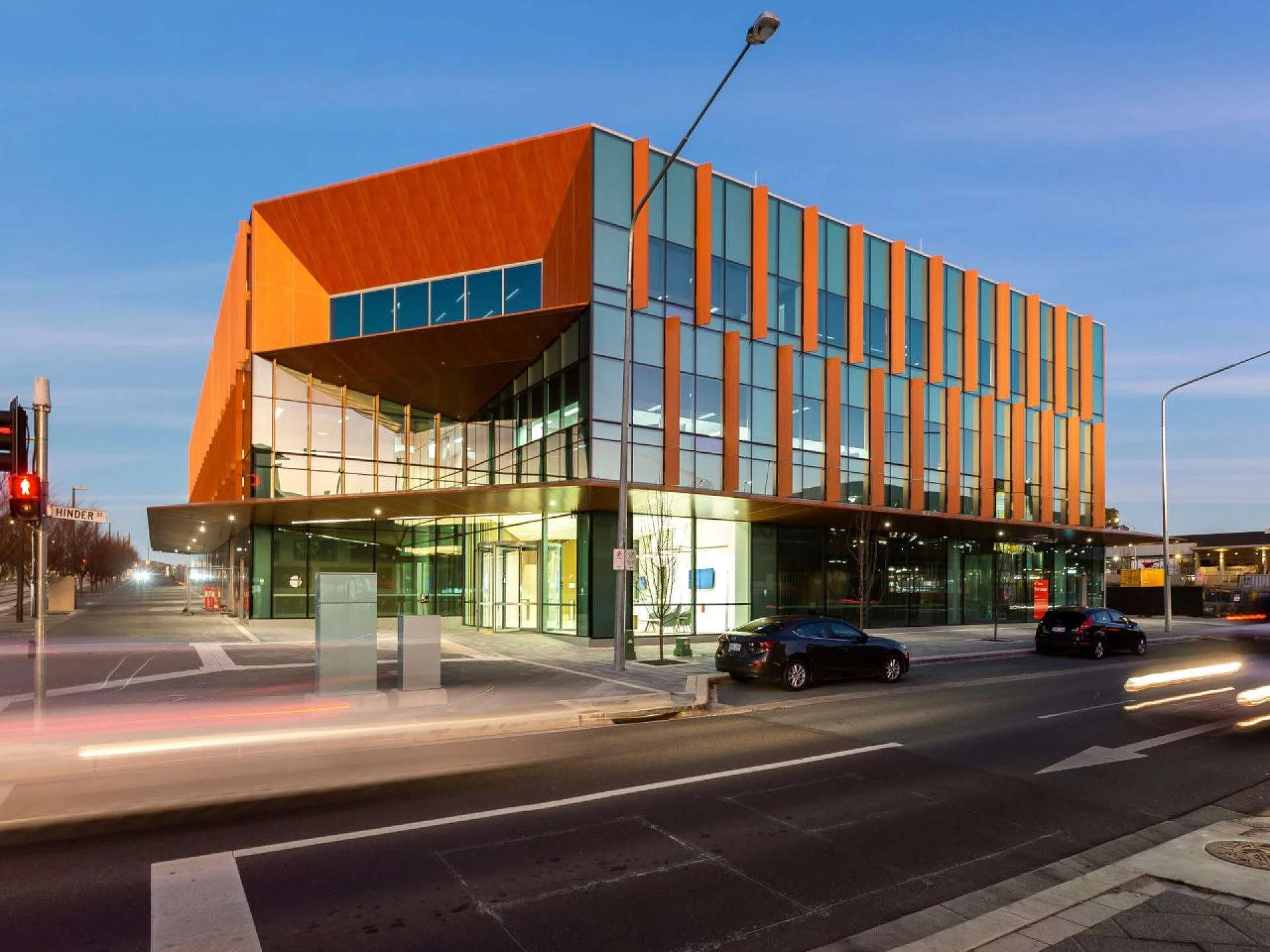
In modern construction, fire safety is a top priority for architects, builders, and property owners. Fires in residential, commercial, and public buildings have highlighted the need for materials that do not contribute to the rapid spread of flames. Non-combustible aluminium cladding systems, in particular, have come to attention in recent years due to their potential role in mitigating fire incidents.
What is Non-Combustible Aluminium Cladding?
Non-combustible aluminium cladding refers to panels made from solid or composite aluminium that do not ignite or contribute to the spread of fire. These materials meet strict fire safety standards and are tested for non-combustibility before approval for use in construction.
· Made from 100% solid aluminium or fire-rated cores
· Do not produce toxic smoke or molten droplets when exposed to heat
· Classified under Euro class A1 or A2-s1, d0 fire ratings
· Suitable for use in high-rise and sensitive building types
How Aluminium Cladding Enhances Fire Safety
Aluminium itself does not burn, and when used in the right format, it provides a fire-safe barrier on building exteriors. In addition to reducing fire load, it enhances a structure’s ability to contain and manage potential fire threats.
· Acts as a shield against external flame exposure
· Slows down the rate at which fire spreads vertically
· Helps maintain structural integrity during high temperatures
· Safe for schools, hospitals, and residential towers
Meeting Modern Fire Regulations
In many countries, regulations have been tightened to ensure that cladding used in construction must meet rigorous fire performance standards. Non-combustible aluminium cladding is often a preferred choice for developers aiming to comply with these codes.
· Aligns with local and international fire codes
· Meets requirements set by building control authorities
· Recognised by insurance providers for reduced risk
· Supports long-term compliance and safety audits
Comparing Combustible and Non-Combustible Cladding
Understanding the difference between combustible and non-combustible materials is essential for informed decision-making. While some older cladding systems used plastic or foam cores, new technologies focus on metal and mineral-based alternatives.
· Combustible cladding may include polyethylene or foam cores
· These can ignite easily and accelerate fire spread
· Non-combustible aluminium cladding remains stable under fire conditions
· Offers peace of mind for property owners and tenants
Applications Across Building Types
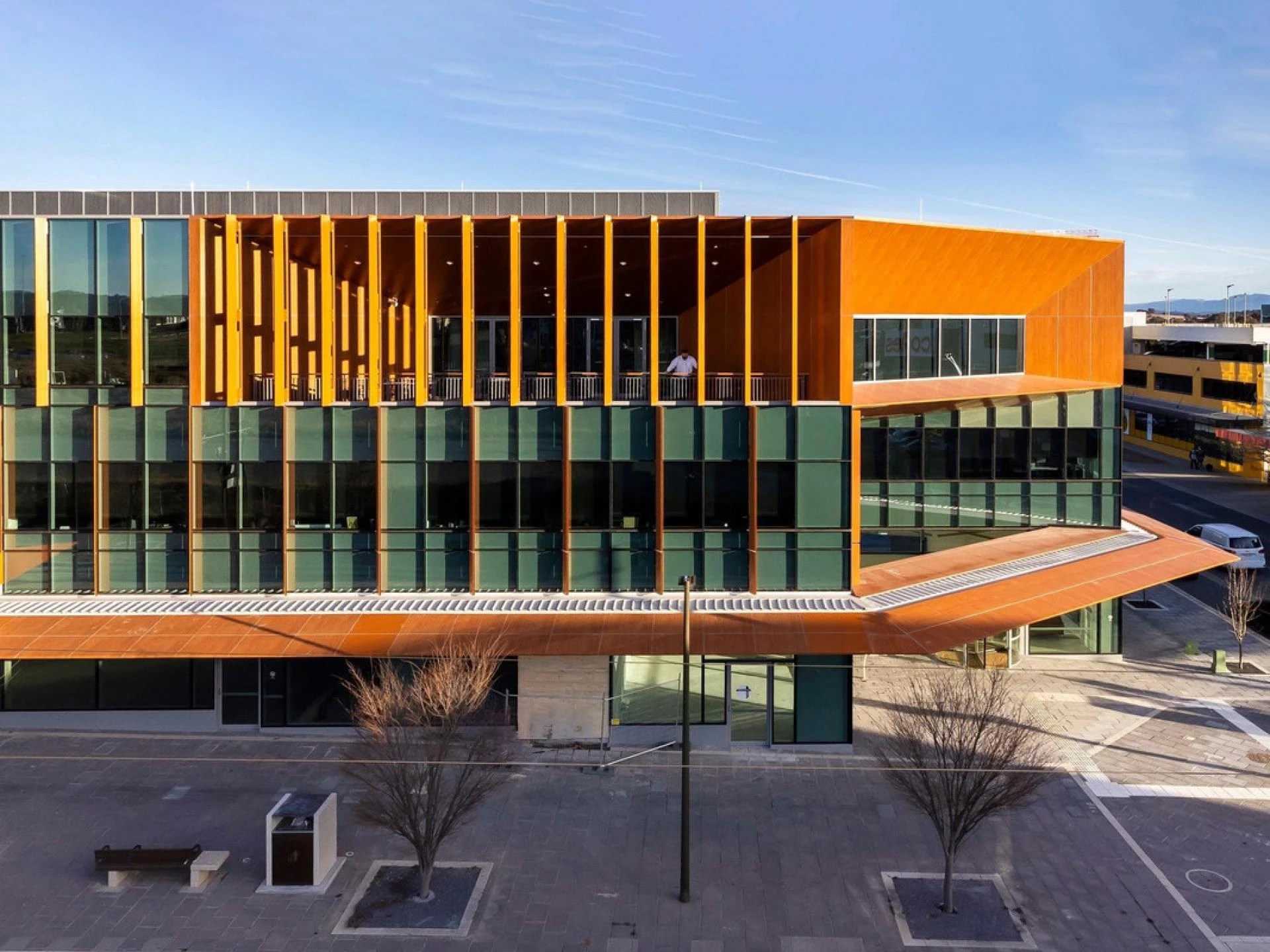
Non-combustible aluminium cladding is used across various sectors, not only for its safety but also for its durability and aesthetic versatility. It supports both design goals and risk management.
· Ideal for high-rise apartments and hotels
· Used in schools, universities, and public institutions
· Common in commercial buildings and offices
· Suitable for retrofit and recladding projects
Installation and Maintenance Benefits
Beyond fire safety, aluminium cladding is lightweight, easy to install, and requires minimal maintenance. These qualities make it a cost-effective solution for both new builds and renovations.
· Simple to cut and shape during installation
· Resistant to weather, corrosion, and UV damage
· Low maintenance over the lifespan of the building
· Long-lasting appearance with a wide range of finishes
An Eco-Friendly and Sustainable Choice
Fire safety doesn’t have to come at the expense of sustainability. Aluminium is recyclable and has a low environmental footprint compared to many other cladding options.
· Made from recyclable materials
· Reduces construction waste and environmental impact
· Can contribute to green building certifications
· Combines safety with eco-conscious design
Final Thoughts
Fire safety is a non-negotiable aspect of modern construction, and non-combustible aluminium cladding offers a dependable solution. It delivers superior fire performance, regulatory compliance, and long-term protection for buildings and their occupants. As building codes evolve and awareness increases, the demand for safe, tested materials will continue to grow. Choosing non-combustible aluminium cladding is not just about meeting standards - it’s about making a responsible, future-focused decision that protects lives, property, and communities.


























Sign in to leave a comment.