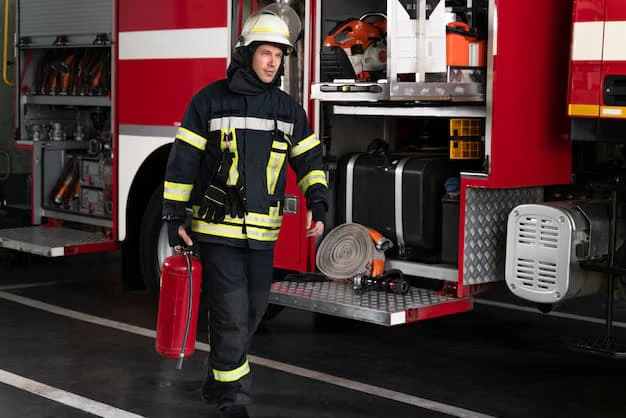

Fire safety is a critical consideration in every type of building, from residential properties to large industrial complexes. Among the various fire protection measures available, fire stopping plays an important role in containing fire and smoke. Fire stopping companies provide expert services that strengthen passive fire protection, help preserve building integrity, and support compliance with regulatory standards. Their work protects lives, reduces damage, and helps ensure that structures remain safe over their lifetime.
This article explains how fire stopping companies operate, the services they offer, and why their work is essential for compliance and long term protection.
Importance of Fire Stopping
Fire stopping focuses on sealing joints, openings, and service penetrations to prevent the spread of fire and smoke. These penetrations are often created by cables, pipes, conduits, ventilation, and structural gaps. Without proper treatment, these spaces allow fire to travel quickly, compromising evacuation routes and putting occupants at risk.
Fire Containment
Fire stopping helps maintain compartmentation by preventing flames and smoke from spreading between different areas. It supports safe escape by controlling fire progression.
Reduced Damage
Effective fire stopping limits potential damage to property by stopping the movement of fire. When fire is contained, it causes fewer losses and fewer disruptions.
Key Services Provided by Fire Stopping Companies
Fire stopping companies deliver comprehensive services designed to maintain fire safety throughout a building’s lifecycle.
Survey and Risk Evaluation
Professionals assess existing building conditions to identify areas where gaps compromise fire safety. They evaluate building types, layouts, and installations to create a tailored plan.
Installation of Fire Stopping Systems
After assessment, approved materials are installed. These systems include sealants, compound, collars, wraps, and other tested components designed to tolerate high temperatures and prevent fire spread.
Documentation Support
Proper records are essential for demonstrating compliance. Fire stopping companies provide detailed documents outlining installation, materials used, photographs, and locations of sealed penetrations.
Fire Compartmentation
Compartmentation involves dividing a building into controlled sections to stop fire from moving rapidly.
Walls, Ceilings, and Floors
Fire stopping specialists strengthen barriers that separate critical areas of a building. These help maintain structural stability during a fire.
Protection of Escape Routes
Compartmentation ensures that corridors, stairwells, and exit pathways remain safer during emergencies. Fire stopping supports evacuation by preserving safe routes.
Penetration Sealing
Penetrations are one of the most common weak points in fire barriers.
Cable and Pipe Systems
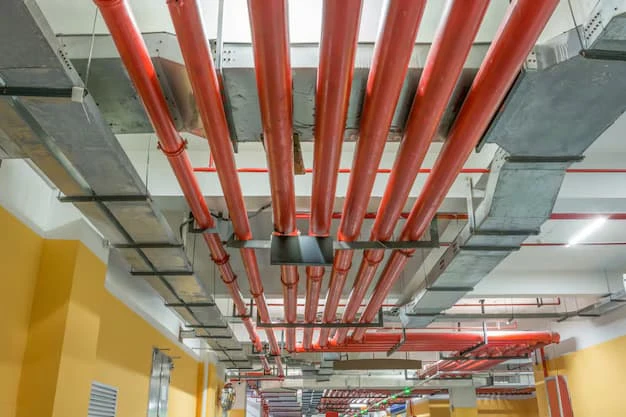
Modern buildings have extensive electrical, plumbing, and mechanical systems that create openings. Fire stopping companies seal penetrations to restore fire resistance.
Structural Gaps
Movement joints, expansion voids, and seams can also weaken compartmentation. Fire stopping materials support these structures without compromising fire integrity.
Fire Doors and Adjacent Areas
Fire doors are powerful tools in passive fire protection.
Door Frame Sealing
Specialist teams check that gaps around frames remain tight. Properly sealed doors prevent smoke and heat from entering protected spaces.
Periodic Assessment
Over time, damage or wear can reduce fire door effectiveness. Fire stopping professionals conduct inspections to maintain performance.
Regulatory Compliance
Regulatory standards govern the installation and maintenance of fire stopping. Fire stopping companies help ensure that buildings comply with these requirements.
Meeting Safety Standards
Complying with national and local regulations protects building occupants and reduces legal risks. Fire stopping companies understand applicable rules and follow approved procedures.
Certification and Reporting
Upon completion of work, certification demonstrates compliance. This documentation is essential during inspections, insurance claims, and renovation projects.
Materials Used in Fire Stopping
Specialist materials help deliver reliable protection throughout a building.
Sealants and Compounds
These are used to fill small gaps. They expand when exposed to heat, preventing smoke movement.
Boards and Collars
Fire resistant boards and pipe collars are used around larger penetrations. They maintain protection even under extreme heat.
Wraps and Pillows
These flexible components offer protection where critical services enter compartments. They are especially useful in areas where changes are expected.
Maintenance and Remedial Work
Fire protection is an ongoing responsibility. Maintenance ensures that fire stopping systems continue performing correctly.
Regular Inspections
Changes in building layout, new installations, or general wear may affect previously installed systems. Routine checks identify issues early.
Repairs
When inspections reveal deficiencies, corrective work is carried out to restore fire safety compliance.
Comparing Fire Stopping Companies
Differences between service providers reflect their experience, processes, and resources.
Expertise Level
Experienced fire stopping companies have extensive knowledge of building structures, materials, and safety standards. Skilled technicians ensure that systems are installed correctly.
Quality of Reporting
Clear documentation helps building owners understand safety improvements. High quality reports include photographs, penetration details, and product information.
Range of Services
Some companies offer complete solutions that include surveys, installation, certification, and maintenance services. Working with full service providers supports long term protection.
Benefits of Using Professional Fire Stopping Companies
Specialist services deliver significant advantages for building owners and occupants.
Increased Safety
Professionally installed systems help protect lives by limiting fire spread and improving evacuation conditions.
Property Protection
By restricting fire movement, these systems reduce structural damage and repair costs.
Compliance Assurance
Certified work helps buildings meet legal and insurance requirements.
Improved Planning
Fire stopping companies provide guidance for future expansion or renovation. Their input supports safe development.
Application Environments
Fire stopping solutions are used in many types of structures.
Residential Buildings
High rise apartments benefit from strong compartmentation to protect residents and control fire within units.
Commercial Buildings
Offices, retail spaces, and service centers rely on proper fire stopping to safeguard workers, visitors, and inventory.
Industrial Sites
Factories and warehouses often contain hazardous materials or high powered machinery. Fire stopping enhances workplace safety.
Importance of Third Party Assessment
Third party inspection adds another layer of confidence.
Objective Verification
External assessors provide unbiased evaluation of installed systems to confirm compliance and performance.
Safety Assurance
Independent assessment reduces risk and contributes to stronger safety management.
Choosing the Right Provider
Selecting a qualified company ensures reliable fire safety outcomes.
Points to Consider
Factors include training, certifications, service range, reporting quality, and commitment to maintenance. Good communication is also important.
Value of Experience
Experienced professionals understand complex building layouts and provide dependable solutions.
Conclusion
Fire stopping companies play a vital role in building safety by preventing the spread of fire and smoke. Their work supports compliance, protects property, and helps save lives. Through services such as surveys, installation, compartmentation, penetration sealing, maintenance, and documentation, these experts help ensure that every building remains safe. To access dependable fire stopping services supported by professionalism and expertise, contact TBL Fire Protection.




























Sign in to leave a comment.