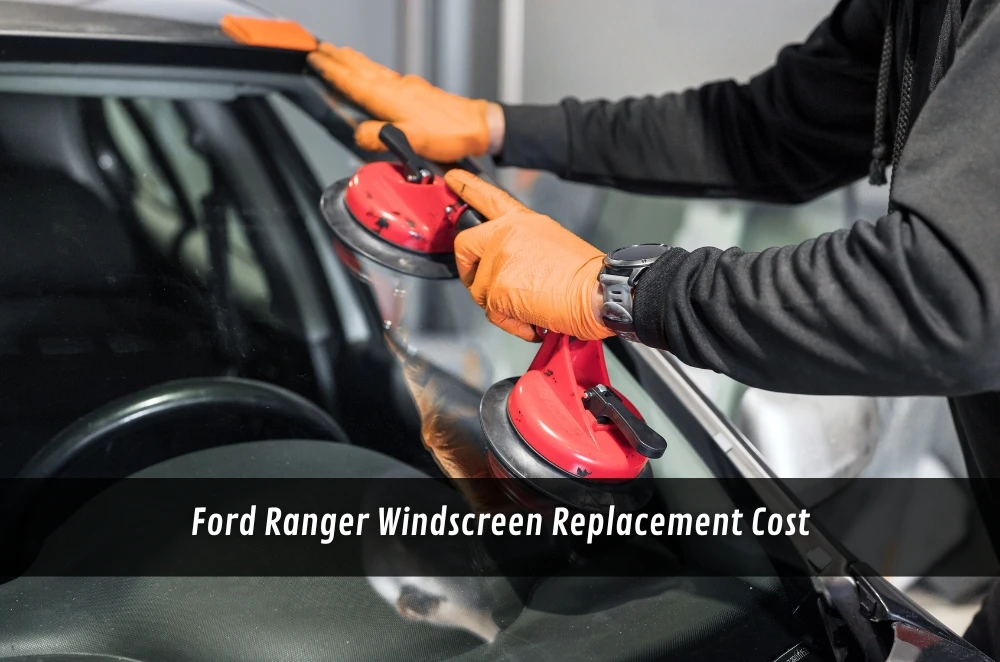

If you’ve searched for the true Ford Ranger windscreen replacement cost lately, you’ll know the answers online swing wildly. That’s because the price isn’t one number — it’s a stack of small decisions (and a couple of non-negotiables) that add up. To help, this guide breaks down what actually drives the bill in Australia, how tech like ADAS calibration changes things, and when repair is safe vs when replacement is required. And if you’re ready to compare options, starting with Ford Ranger windscreen replacement is usually the most practical first step.
What actually drives the cost
There isn’t one “Ranger price” because the final figure depends on the parts, the tech in your specific model, and how the work is done. Typical drivers include:
- Windscreen type and brand. OEM glass (often from Pilkington, Saint-Gobain, AGC, etc.) usually costs more than aftermarket equivalents. Some aftermarket screens meet the same standards, but check the warranty and certifications.
- ADAS features. If your Ranger has a camera behind the glass (lane-keep, AEB, traffic sign recognition), you’ll need a calibration after fitting. That adds both time and cost.
- Rain sensors, antennae and acoustic interlayers. These add-ons change the bill because they require the correct screen variant and careful fitment.
- Mobile vs workshop fitment. Mobile service can add a call-out fee; workshop jobs may be cheaper if calibration equipment is in-house.
- Insurance and excess. Comprehensive policies often cover glass with a lower or zero excess — but sometimes only for repair, not full replacement.
Repair vs replacement on a Ranger windscreen
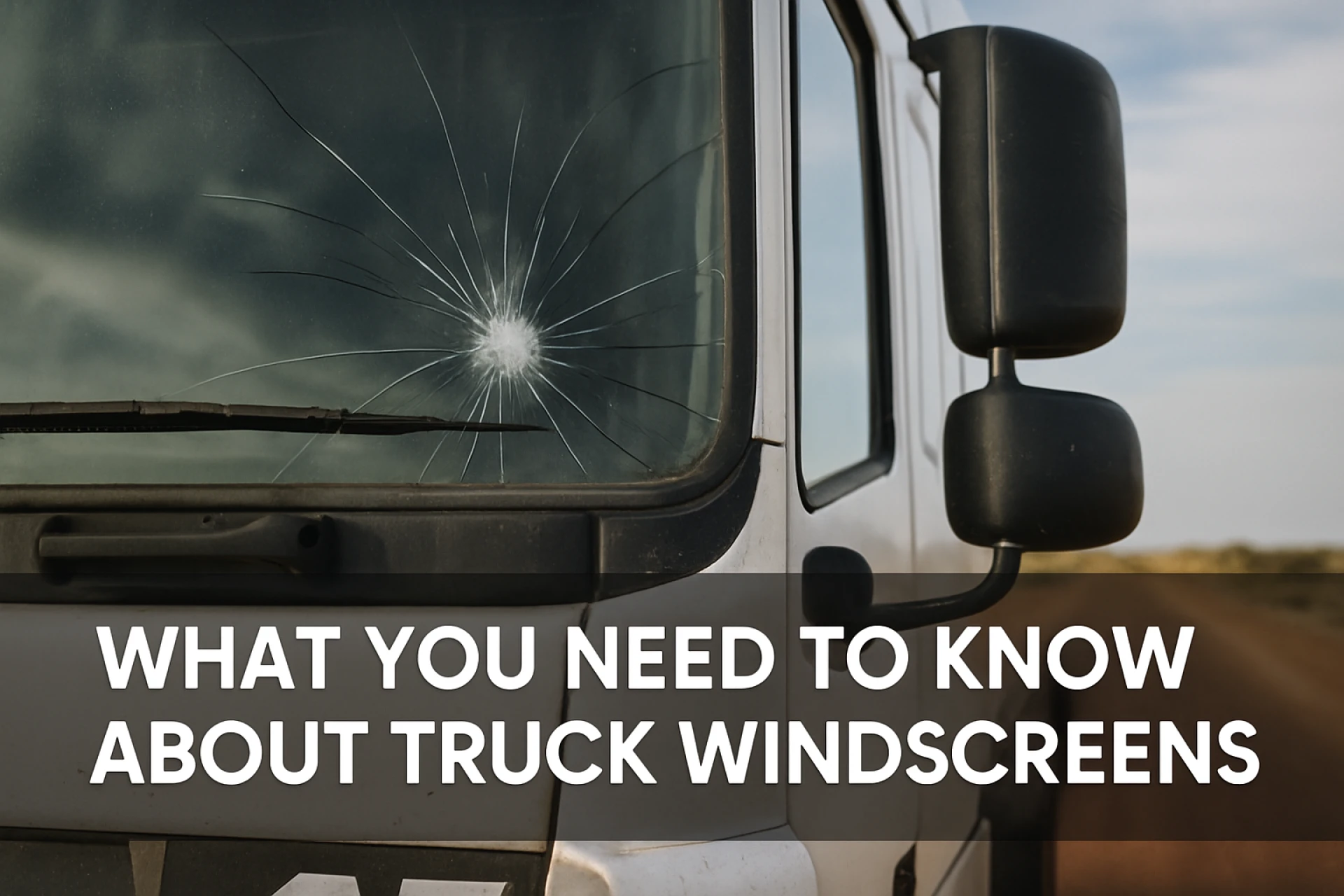
“Can you repair instead of replace? Sometimes, yes — but safety and roadworthiness come first. And when you look at vehicle safety features in NSW guidelines, the inspection standards set clear accept/reject criteria for damage in the driver’s field of view, size of chips, and length of cracks. If the damage fails those criteria, you’re looking at replacement, not a resin repair.”
Quick rules of thumb used by technicians (and echoed by inspection standards):
- Chip size and location matter. Small stone chips away from the driver’s critical view are often repairable; chips with radiating cracks usually aren’t.
- Cracks are rarely repair-worthy. Any crack in the swept area of the wipers tends to call for replacement.
- Edges are sensitive. Damage near the edge raises structural concerns — replacement is safer.
- Multiple impacts reduce the chance of a safe, durable repair.
Parts and tech that change the bill (and why)
Modern Rangers (PXII/PXIII and next-gen) commonly carry driver-assist features that “see” through the windscreen. That’s where calibration comes in.
- Camera-based ADAS: After a new screen, the front-facing camera needs recalibration so the system correctly understands lane markings and distances. This requires specific targets, space, and trained operators.
- Rain/light sensors: These sit on a gel pad or optical mount. If the pad is disturbed or the angle changes, automatic wipers/headlights can behave erratically until refitted correctly.
- Heated areas and acoustic interlayers: Choosing the exact variant matters. A cheaper glass that omits these features can introduce cabin noise, fogging issues, or inoperative defogging zones.
What does that mean for your invoice:
- Glass: aftermarket vs OEM
- Consumables: new mouldings, clips, urethane (correct PU with proper cure time)
- Labour: removal, clean-up, corrosion check, refit, leak test
- Calibration: static/dynamic or a blend, plus a post-calibration test drive
Insurance, excess and choosing a repairer
If you hold comprehensive cover, check your policy’s glass benefits:
- Windscreen-only excess: Many policies offer a lower (or zero) excess for windscreen claims once per policy year.
- Repair vs replacement: Some insurers encourage repair to avoid a claim hit — that’s fine when safe, not when marginal.
- Choice of repairer: If you want OEM glass or a specific brand, ask for the choice of repairer in writing before booking.
- No-claim impacts: Some policies don’t affect your rating for glass claims; others might — worth confirming.
Pro tip from the workshop floor: if your ADAS needs calibration, ask whether it’s performed in-house (with a report provided) or outsourced. In-house often means better scheduling control and fewer hand-offs.
Real-world examples from the workshop
Here are two realistic scenarios that mirror what I’ve seen and heard from techs and customers:
Example 1: Pre-ADAS Ranger, urban workshop
A 2015 XLT with a long crack across the lower passenger side. No rain sensor, no camera. The owner pays out of pocket.
- Glass: Aftermarket laminated equivalent
- Consumables: New moulding + OEM-spec urethane
- Labour: Remove and refit, rust check at pinch-weld, leak test
- Calibration: Not required
- Outcome: Quality aftermarket glass kept the bill sensible; turnaround in half a day
A 2023 Ranger Sport copped a star break near the driver’s view that spread to ~120 mm. Safety inspection due soon, so replacement is needed.
- Glass: OEM-grade unit with acoustic layer and camera mount
- Consumables: Sensor gel pad, clips, moulding
- Labour: Remove and refit, clean channels, bonding, and cure the window observed
- Calibration: Static calibration on specialised rig + dynamic verification drive, printed report for records
- Outcome: Mobile fit was convenient; calibration was completed back at the workshop the same day
These examples aren’t quotes, but they show how tech changes the bill.
How to get a fair, like-for-like quote
To avoid the “cheap now, expensive later” trap, ask these questions when you request quotes:
- What exact glass variant is this? (OEM vs aftermarket brand, with/without acoustic interlayer, rain sensor mount, heating)
- Is ADAS calibration included if required? (Static/dynamic? Who does it? Will I get a calibration report?)
- What’s your leak and wind-noise warranty? (12 months is common; some offer lifetime on workmanship)
- What’s the cure time? (Safe-drive-away times depend on urethane, temperature, and humidity — rushing this is unsafe)
Then supply your details so quotes are genuinely comparable:
- VIN or at least build month/year
- Features (camera, rain sensor, heated area)
- Insurance status and any glass excess
- Preference for OEM vs quality aftermarket
A quick cost checklist
- Confirm features: camera, rain sensor, heating, acoustic layer
- Pick the glass: OEM or reputable aftermarket; confirm part number where possible
- Calibration plan: included, documented, and performed to spec
- Warranty: workmanship + leak/noise, in writing
- Timing: safe-drive-away guidance based on urethane and weather
- Insurance: excess, claim impact, choice of repairer (and the actual shop you prefer)
Final thought
“Prices online can look like a raffle, but once you pin down your Ranger’s exact windscreen variant and whether calibration is needed, the numbers settle quickly. If you’re comparing options now — especially for truck windscreen crack repair start with a model-specific page for Ford Ranger windscreen replacement and use the checklist above to make it apples-to-apples. Safety first, then value.”























Sign in to leave a comment.