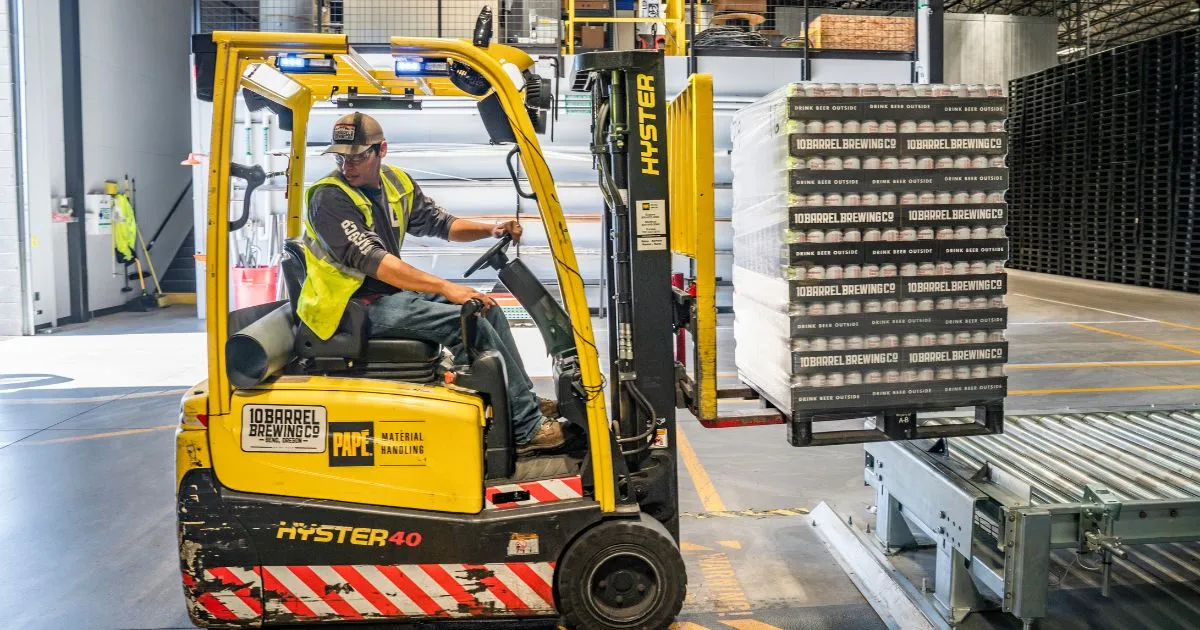
Advanced Forklift Equipment for Modern Material Handling Operations
Forklifts are essential material handling machines used to lift, transport, stack, and organize goods across warehouses, factories, logistics centers, ports, and construction sites. Industrial operations depend on forklifts to improve productivity, reduce manual labor, and increase storage efficiency.
Modern forklift technology combines lifting power, operational precision, and safety systems to support high-volume material movement. Warehousing facilities, manufacturing plants, distribution centers, and construction projects use forklifts to handle palletized loads, heavy equipment, raw materials, and finished products efficiently.
As global logistics networks continue to expand, forklift equipment remains a critical asset for maintaining operational efficiency and supply chain performance.
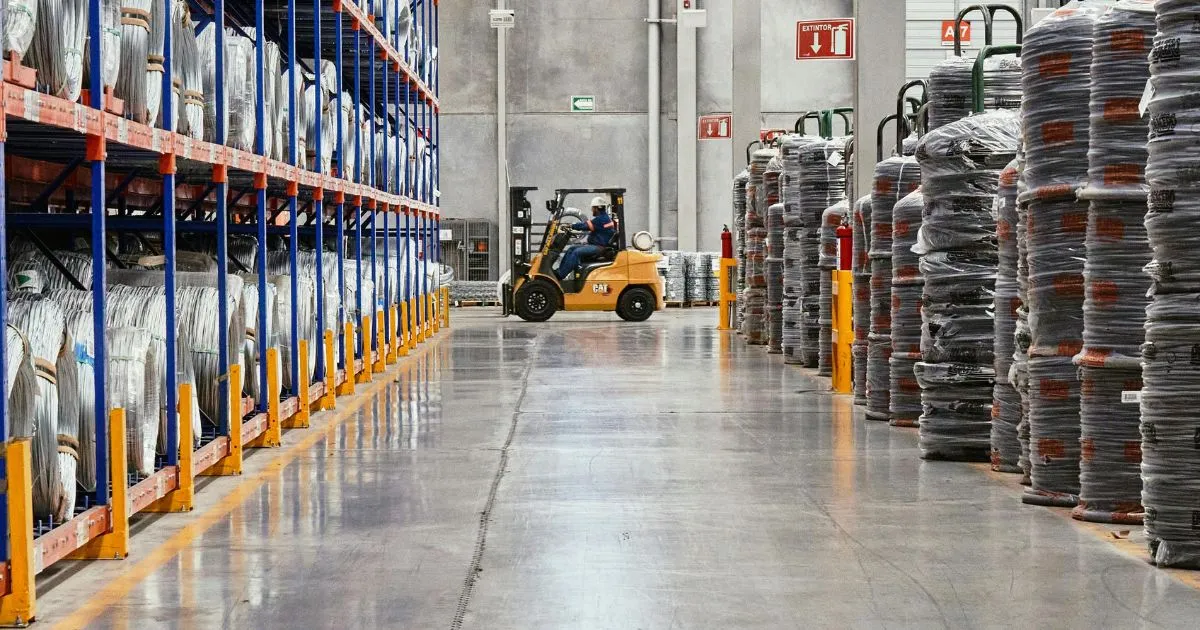
What Is a Forklift?
A forklift is a powered industrial vehicle designed to lift, transport, stack, and position materials.
The machine uses hydraulic lifting mechanisms and steel forks to move loads vertically and horizontally. Forklifts handle products stored on pallets, containers, racks, and industrial platforms.
Common materials transported by forklifts include:
- Palletized goods, including packaged food and consumer products
- Construction materials, including bricks and cement bags
- Industrial components, including steel coils and machinery parts
- Warehouse inventory, including cartons and packaged equipment
Forklifts operate in indoor and outdoor environments depending on machine configuration and power source.
Why Forklifts Are Important in Material Handling
Forklifts increase operational efficiency by reducing handling time and improving load movement accuracy.
Manual transportation methods require greater labor input and longer movement cycles. Forklift equipment accelerates loading, unloading, stacking, and inventory management processes.
Key operational benefits include:
- Increase material movement speed
- Improve warehouse organization
- Reduce manual handling requirements
- Enhance workplace productivity
- Support higher storage density
- Improve inventory accessibility
Industry logistics studies indicate that forklift-assisted operations can reduce material handling time by more than 50% compared with manual transportation methods.
Main Components of a Forklift
A forklift consists of a mast, forks, a hydraulic system, counter weight, power source, and operator controls.
Each component performs a specific operational function.
Mast Assembly
The mast provides vertical lifting capability.
Single-stage, two-stage, and three-stage mast designs support different lifting heights.
Fork Arms
Fork arms support and transport loads.
Standard forks, telescopic forks, and adjustable forks accommodate different cargo dimensions.
Hydraulic System
The hydraulic system powers lifting and tilting functions.
Hydraulic cylinders generate the force required for load elevation.
Counterweight
The counterweight balances lifted loads and improves stability.
Rear-mounted counterweights reduce tipping risk during operation.
Power Unit
The power unit supplies operational energy.
Power sources include diesel engines, gasoline engines, LPG systems, and electric batteries.
Types of Forklifts
Forklifts are classified according to power source, application environment, and load-handling capability.
Different industries require specific forklift configurations.
Electric Forklift
Electric forklifts provide emissions-free operation for indoor environments.
Rechargeable battery systems power lifting and driving functions.
Applications include:
- Warehouses
- Distribution centers
- Food processing facilities
- Pharmaceutical facilities
Electric forklifts produce lower operational noise levels and require fewer engine-related maintenance procedures.
Diesel Forklift
Diesel forklifts deliver high power output for outdoor applications.
Heavy-duty operations frequently use diesel-powered equipment.
Common applications include:
- Construction sites
- Shipping yards
- Industrial plants
- Mining facilities
LPG Forklift
LPG forklifts combine operational flexibility with lower emissions than diesel models.
Liquefied petroleum gas provides efficient fuel performance.
Reach Truck
Reach trucks maximize storage density in narrow warehouse aisles.
Extended mast systems access elevated storage racks efficiently.
Rough Terrain Forklift
Rough terrain forklifts operate effectively on uneven surfaces.
Large pneumatic tires improve traction on construction and agricultural sites.
How a Forklift Works
A forklift lifts and transports materials using hydraulic force and mechanical stability principles.
The operating sequence follows a structured process.
Step 1: Load Positioning
The operator aligns the forks with the load.
Step 2: Fork Insertion
The forks move beneath the pallet or cargo platform.
Step 3: Hydraulic Lifting
Hydraulic cylinders raise the load to the required height.
Step 4: Material Transportation
The forklift moves the load to the designated location.
Step 5: Load Placement
The operator lowers and positions the load accurately.
This process enables efficient movement of heavy materials throughout industrial facilities.
Applications of Forklifts
Forklifts support material handling across manufacturing, logistics, construction, retail, and port operations.
Warehousing Operations
Warehouses use forklifts for:
- Pallet storage
- Inventory movement
- Rack loading
- Order fulfillment
Manufacturing Facilities
Factories use forklifts for:
- Raw material transport
- Production line support
- Component movement
- Finished product handling
Construction Projects
Construction sites utilize forklifts for:
- Material distribution
- Equipment transportation
- Structural component handling
- Site logistics
Ports and Logistics Centers
Ports and logistics hubs employ forklifts for:
- Container loading
- Cargo handling
- Freight movement
- Distribution operations
Forklift Capacity Categories
Forklift capacity determines the maximum load weight the machine can safely handle.
Common capacity ranges include:
| Forklift Category | Load Capacity |
|---|---|
| Light Duty | 1–3 Tons |
| Medium Duty | 3–5 Tons |
| Heavy Duty | 5–10 Tons |
| Industrial Duty | 10–25 Tons |
| Port Equipment | 25+ Tons |
Warehouse operations frequently use 2.5-ton forklifts, while shipping terminals often utilize machines exceeding 25 tons.
Factors Affecting Forklift Performance
Forklift performance depends on load characteristics, operating environment, maintenance quality, and operator skill.
Load Weight
Load weight directly affects lifting efficiency and stability.
Operating within rated capacity maintains safe performance.
Load Center Distance
Load center distance influences balance and lifting capability.
Longer load centers reduce effective capacity.
Surface Conditions
Surface quality affects traction and maneuverability.
Smooth concrete surfaces support efficient warehouse operations.
Battery or Fuel Condition
Power system condition determines operational efficiency.
Proper energy management supports consistent performance.
Advantages of Modern Forklift Equipment
Modern forklifts increase productivity, improve safety, and optimize storage efficiency.
Major advantages include:
- Increase operational efficiency
- Reduce labor requirements
- Improve inventory control
- Enhance warehouse utilization
- Support higher stacking heights
- Improve loading speed
- Increase material handling accuracy
- Reduce product damage
Advanced telematics systems provide operational monitoring, fleet management, and maintenance tracking.
Essential Forklift Safety Features
Modern forklifts incorporate multiple safety systems to protect operators and facilities.
Important safety features include:
- Overload protection systems
- Operator presence sensors
- Stability control systems
- Emergency braking systems
- Backup alarms
- LED warning lights
- Seat belt monitoring systems
These technologies reduce accident rates and improve workplace safety standards.
Forklift Maintenance Requirements
Routine maintenance preserves lifting performance and extends equipment lifespan.
Maintenance procedures include:
- Inspect hydraulic hoses
- Check tire condition
- Test braking systems
- Monitor battery performance
- Verify mast alignment
- Lubricate moving components
- Inspect fork integrity
Preventive maintenance minimizes downtime and improves operational reliability.
How to Select the Right Forklift
Forklift selection depends on load capacity, lifting height, operating environment, and power requirements.
Evaluation criteria include:
- Maximum load weight
- Lift height requirements
- Indoor or outdoor operation
- Fuel availability
- Aisle width restrictions
- Maintenance requirements
- Operational hours per day
For example, indoor warehouses frequently utilize electric forklifts, while outdoor construction sites commonly deploy diesel forklifts.
SHSTRONGMAC Material Handling Equipment Solutions
SHSTRONGMAC supplies advanced industrial machinery and material handling equipment for global industries.
The company focuses on research and development, technological innovation, manufacturing precision, and strict quality control standards. Through comprehensive turnkey industrial solutions, SHSTRONGMAC serves customers throughout Asia, Africa, Europe, the USA, Canada, and Australia.
Reliable forklift equipment supports efficient logistics operations, warehouse management, and industrial productivity across diverse business sectors.
Conclusion
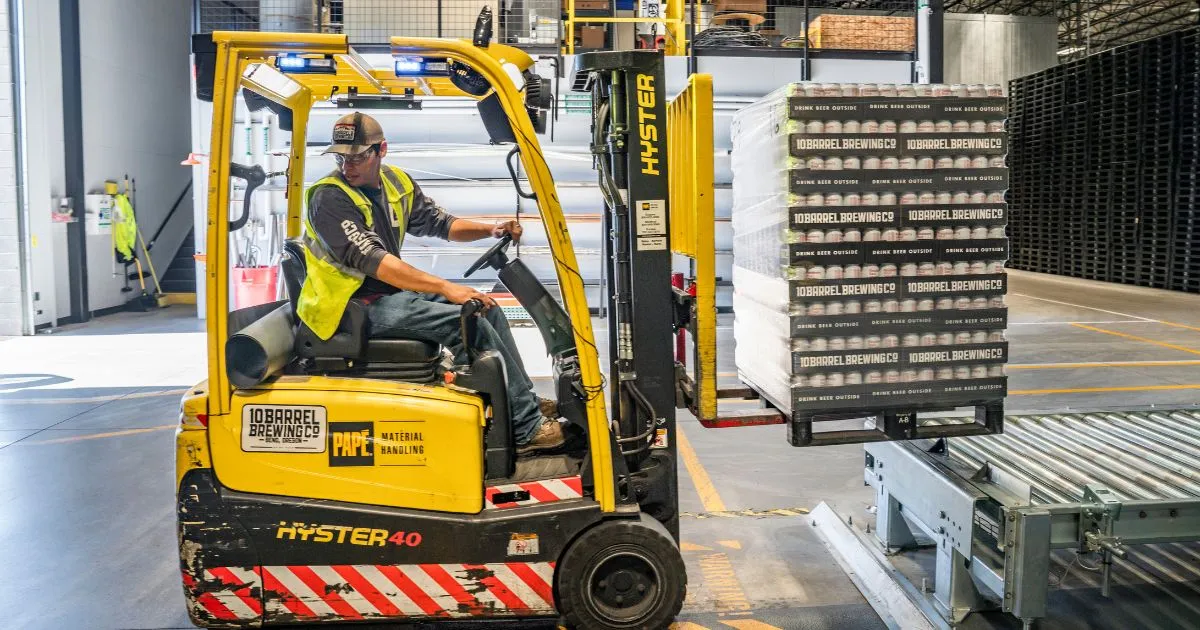
Forklifts are fundamental machines for efficient material handling, warehouse operations, and industrial logistics.
Modern forklift technology combines lifting capability, safety systems, operational efficiency, and durability to support high-volume material movement. Electric forklifts, diesel forklifts, LPG forklifts, reach trucks, and rough terrain forklifts each address specific operational requirements.
As warehousing, manufacturing, and logistics industries continue to expand, forklift equipment remains a critical component of productive and efficient supply chain operations.
Frequently Asked Questions (FAQ)
What is a forklift used for?
A forklift lifts, transports, stacks, and positions materials in industrial and commercial environments.
Common applications include warehousing, manufacturing, logistics, and construction.
How does a forklift lift heavy loads?
A forklift lifts loads using hydraulic cylinders connected to the mast and fork assembly.
Hydraulic pressure generates the force required for elevation.
Why is forklift capacity important?
Forklift capacity determines the maximum safe load weight the machine can handle.
Operating within rated limits maintains stability and safety.
What types of forklifts are available?
Common forklift types include electric forklifts, diesel forklifts, LPG forklifts, reach trucks, and rough terrain forklifts.
Each type serves specific operational environments.
How often does a forklift require maintenance?
Forklifts require routine inspections and scheduled preventive maintenance throughout their operating life.
Regular servicing improves reliability and safety.
What factors influence forklift performance?
Load weight, load center distance, surface conditions, power system efficiency, and maintenance quality influence forklift performance.
Proper operating conditions maintain productivity and equipment longevity.
















Sign in to leave a comment.