
The digital landscape is a crowded playing field, where businesses vie for the attention and engagement of their target audience. In this fiercely competitive environment, having a visually appealing and user-friendly interface is no longer a luxury – it's an absolute necessity. A well-designed user interface (UI) and user experience (UX) can spell the difference between a visitor who bounces off your website or app within seconds, and one who becomes a loyal customer.
At the heart of successful UI/UX design lies a deep understanding of user behavior, preferences, and psychology. It's not enough to simply create something that looks aesthetically pleasing; the true challenge lies in crafting an experience that resonates with your audience on a profound level, guiding them seamlessly through the conversion funnel.
Crafting a Compelling User Journey
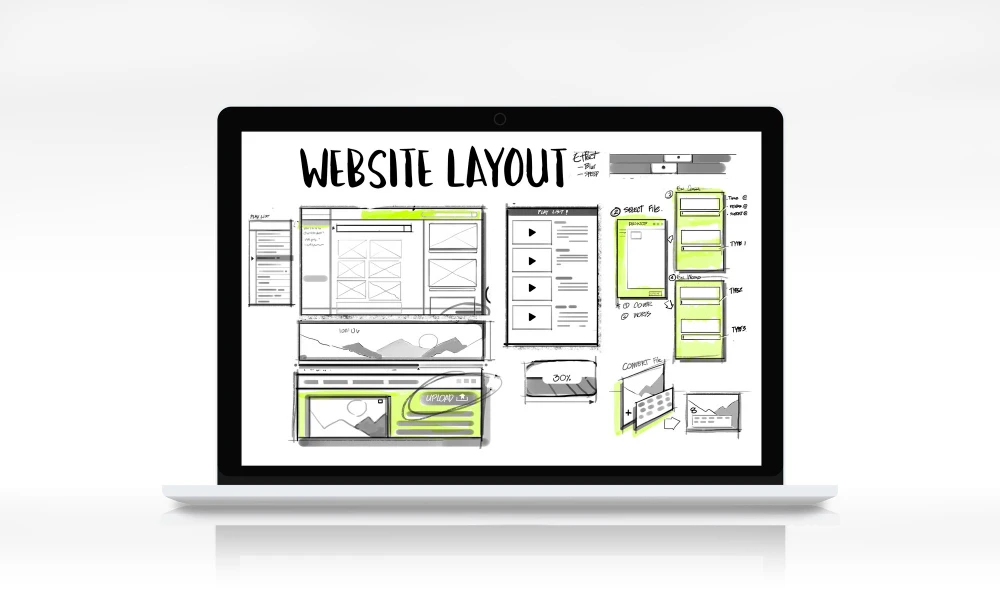
The user journey is the roadmap that guides visitors from their initial interaction with your digital platform to the desired conversion point. A well-designed user journey anticipates the needs, pain points, and questions of your audience, providing them with a logical and intuitive path to follow.
One effective strategy is to create a clear hierarchy of information, prioritizing the most critical elements and guiding the user's focus towards the desired actions. This can be achieved through the strategic use of visual cues, such as contrasting colors, whitespace, and typography.
Another key consideration is reducing cognitive load – the mental effort required to process and understand information. By streamlining navigation, minimizing distractions, and presenting content in a digestible format, you can ensure that users don't become overwhelmed or frustrated, reducing the likelihood of abandonment.
Leveraging Persuasive Design
Persuasive design principles leverage psychological triggers to encourage desired user behaviors. One powerful technique is the use of social proof, which capitalizes on the human tendency to follow the actions of others. This can be achieved by displaying customer testimonials, product ratings, or even real-time data on the number of users currently engaging with your platform.
Another effective strategy is the strategic use of scarcity and urgency cues, which create a sense of exclusivity or time-sensitivity around an offer or product. When executed correctly, these techniques can prompt users to take action more quickly, increasing conversion rates.
However, it's crucial to strike a balance and avoid tactics that could be perceived as manipulative or deceptive, as this can ultimately erode trust and damage your brand's reputation.
Optimizing for Mobile
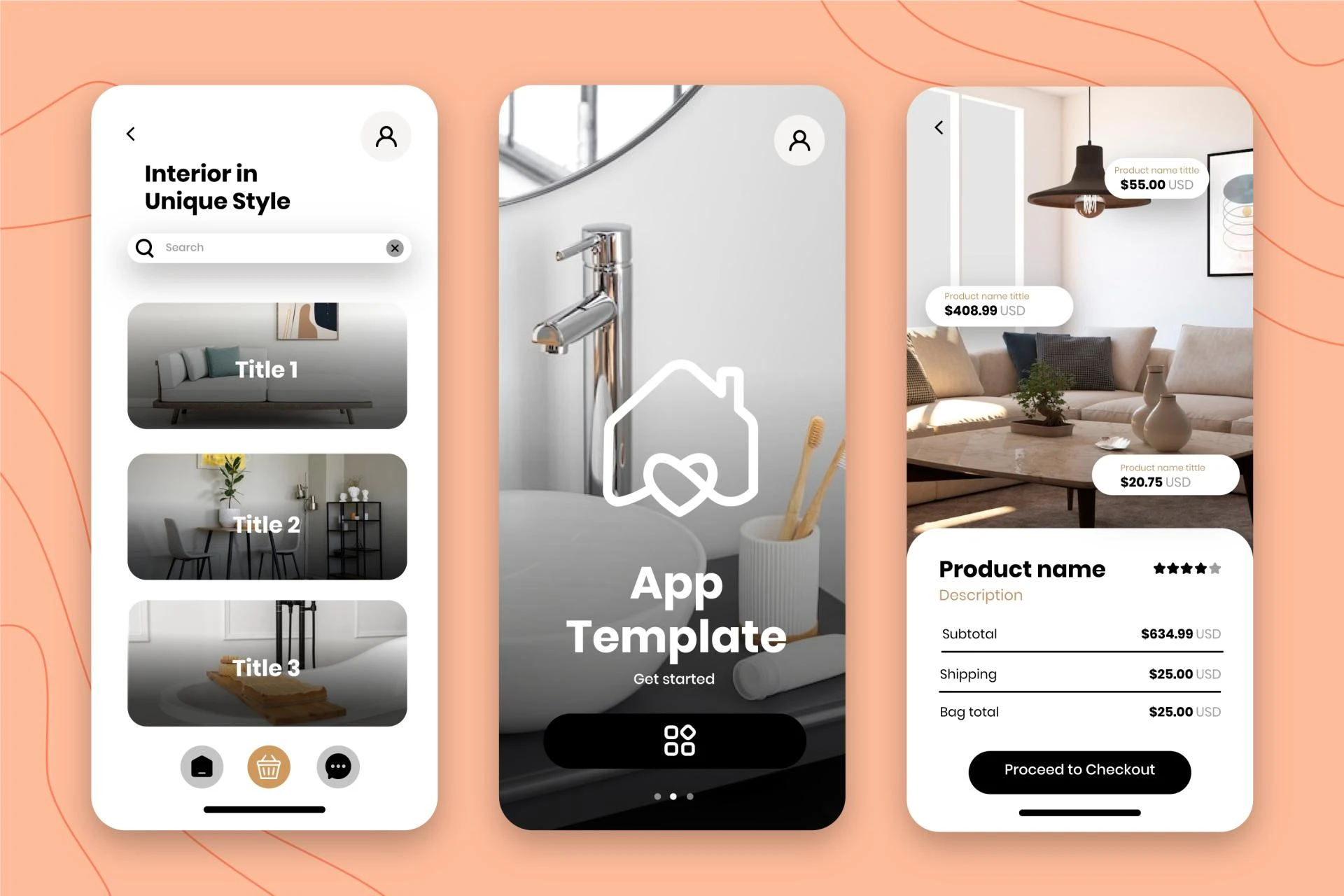
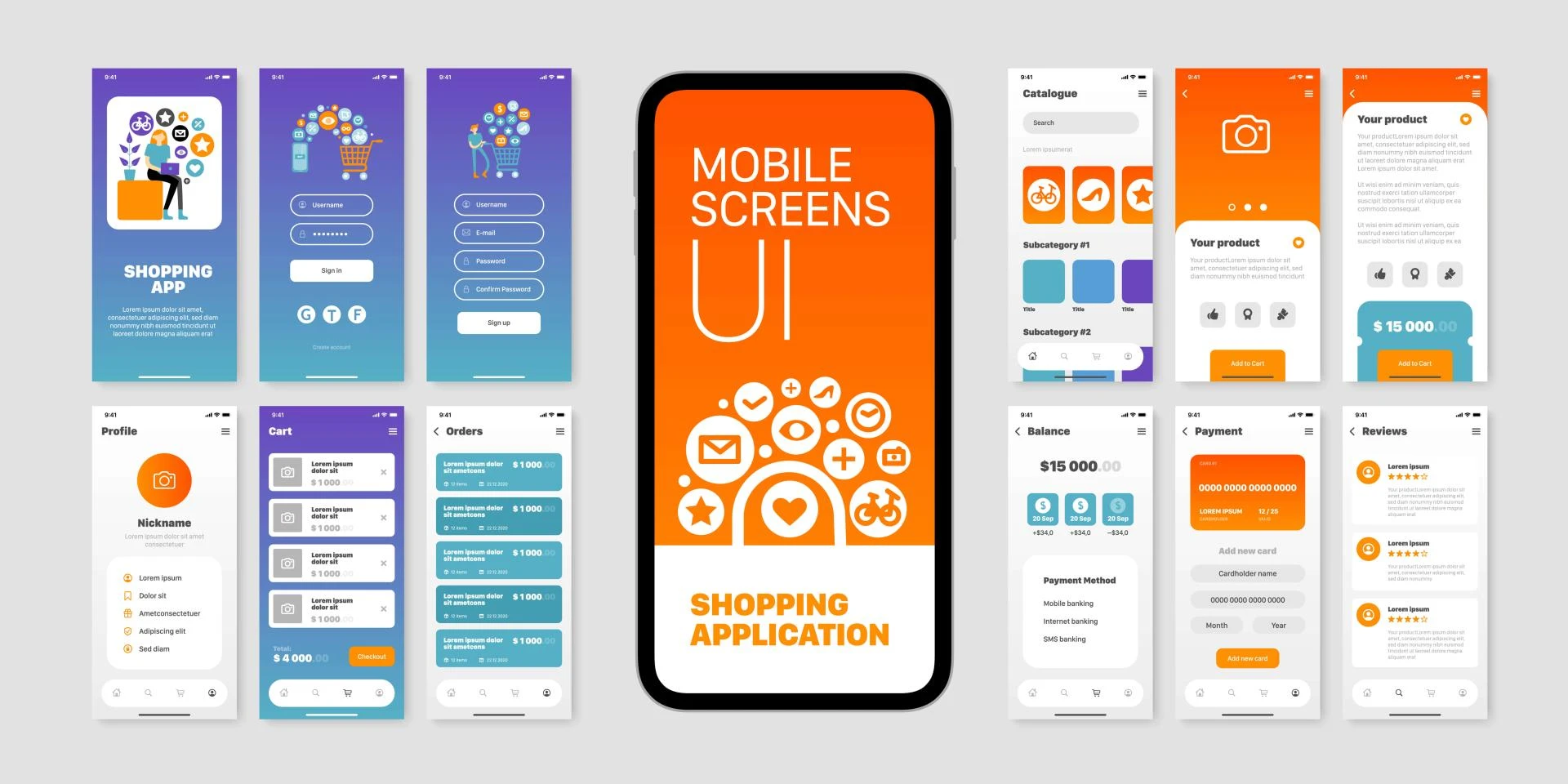
In today's mobile-first world, it's essential to design with a "mobile-first" mindset. This means prioritizing the mobile user experience from the outset, rather than treating it as an afterthought.
Mobile optimization involves factors such as responsive design (ensuring that your platform adapts seamlessly to different screen sizes and resolutions), optimized load times (as users have little patience for slow-loading pages on mobile devices), and touch-friendly navigation (with appropriately sized buttons and clear calls-to-action).
Additionally, it's important to consider the unique context in which mobile users engage with your platform, such as being on-the-go or in distracting environments. By tailoring your UI/UX strategies to these specific scenarios, you can create a more immersive and engaging experience for your mobile audience.
Embracing Simplicity
In the world of UI/UX design, simplicity is often the key to success. Cluttered interfaces, overly complex navigation, and extraneous elements can quickly overwhelm and frustrate users, leading to high abandonment rates.
Embrace the principle of "less is more" by ruthlessly prioritizing the most essential features and content, while removing any unnecessary distractions or friction points. This approach not only enhances the user experience but also improves load times and performance, which can have a direct impact on conversion rates.
Moreover, simplicity can foster a sense of trust and credibility with your audience. A clean, well-organized interface conveys professionalism and attention to detail, reassuring users that they're engaging with a reputable and trustworthy brand.
Continuous Testing and Optimization
UI/UX design is an iterative process, and even the most carefully crafted strategies can benefit from ongoing testing and optimization. By leveraging tools like A/B testing, heat mapping, and user feedback surveys, you can gain valuable insights into how users are actually interacting with your platform.
This data can then be used to identify areas for improvement, refine your UI/UX strategies, and continuously optimize the user experience. It's essential to approach this process with an open mind and a willingness to adapt and evolve based on the insights gathered.
Additionally, staying up-to-date with the latest UI/UX trends, best practices, and technological advancements can help ensure that your strategies remain relevant and effective in an ever-changing digital landscape.
Conclusion
In the quest to drive conversions and achieve business success, UI/UX design is a critical component that cannot be overlooked. By crafting compelling user journeys, leveraging persuasive design principles, optimizing for mobile, embracing simplicity, and committing to continuous testing and optimization, businesses can create digital experiences that captivate their audience and propel them towards the desired actions.
Remember, UI/UX design is not just about aesthetics; it's about understanding and catering to the needs, preferences, and behaviors of your target audience. By putting the user at the center of your design decisions, you can foster stronger engagement, build trust and credibility, and ultimately drive tangible results for your business.
Visit my Upwork project catalog : Elementor Developer

























Sign in to leave a comment.