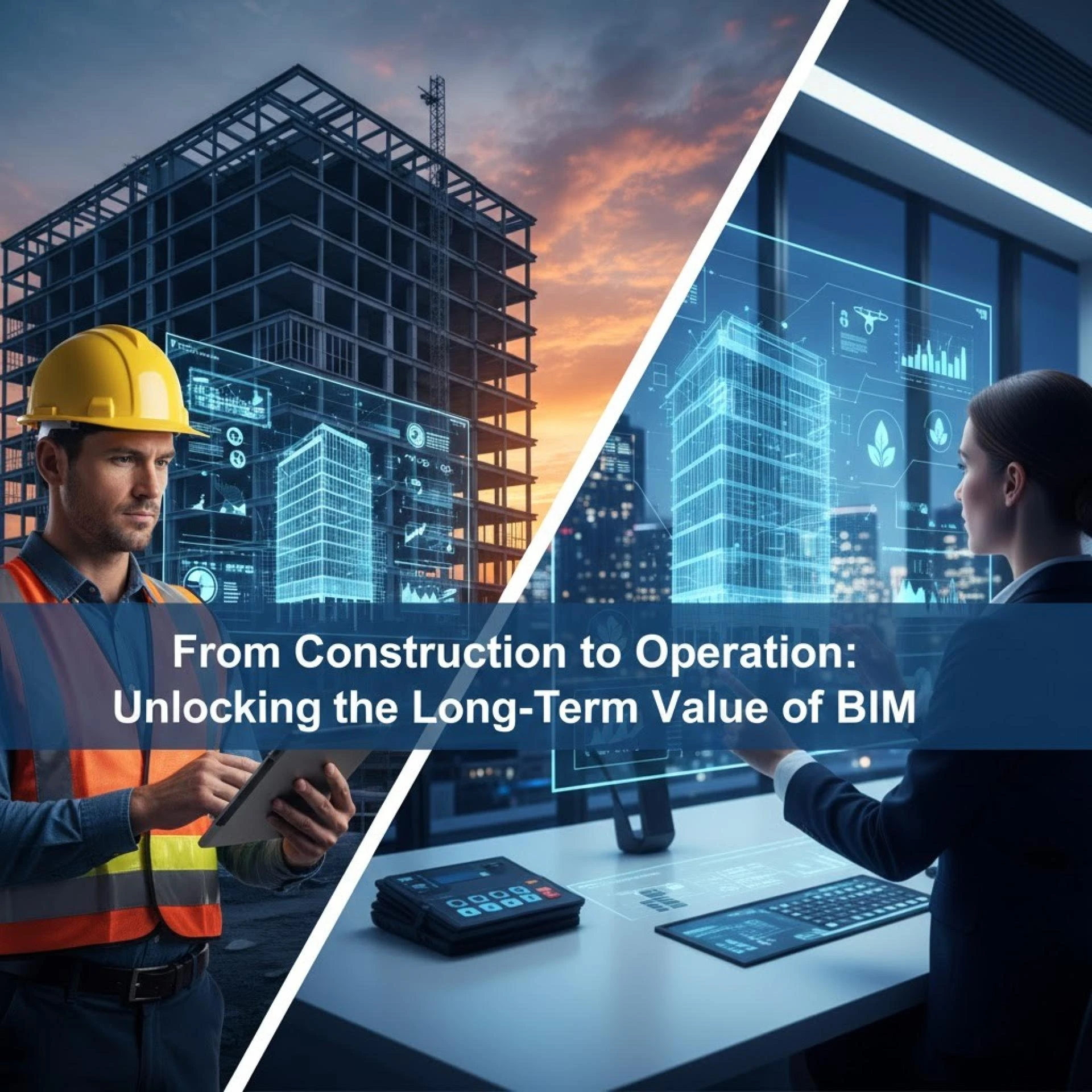

For decades, the AEC industry has viewed Building Information Modeling (BIM) as a "construction tool"—a means to detect clashes, generate drawings, and stay on schedule. But as we move into 2026, the real value proposition has shifted. The most forward-thinking firms are realizing that the construction phase is just the "data birth" of an asset; the true Return on Investment (ROI) is unlocked during the decades of operation that follow.
The 80% Reality Check
It is a well-documented industry statistic that 80% of a building’s total lifecycle cost occurs during its operational phase. Yet, many teams still face the "Data Drop"—the moment at handover where rich 3D models are reduced to static PDFs and paper manuals.
By maintaining a "Digital Twin" from construction into operations, facility managers can achieve up to a 15-25% reduction in maintenance costs. Imagine being able to locate a faulty valve behind a wall or access the warranty of an HVAC unit instantly through a tablet, rather than sifting through thousands of pages of documentation.
Why Your Handover Needs a "Soft Landing"
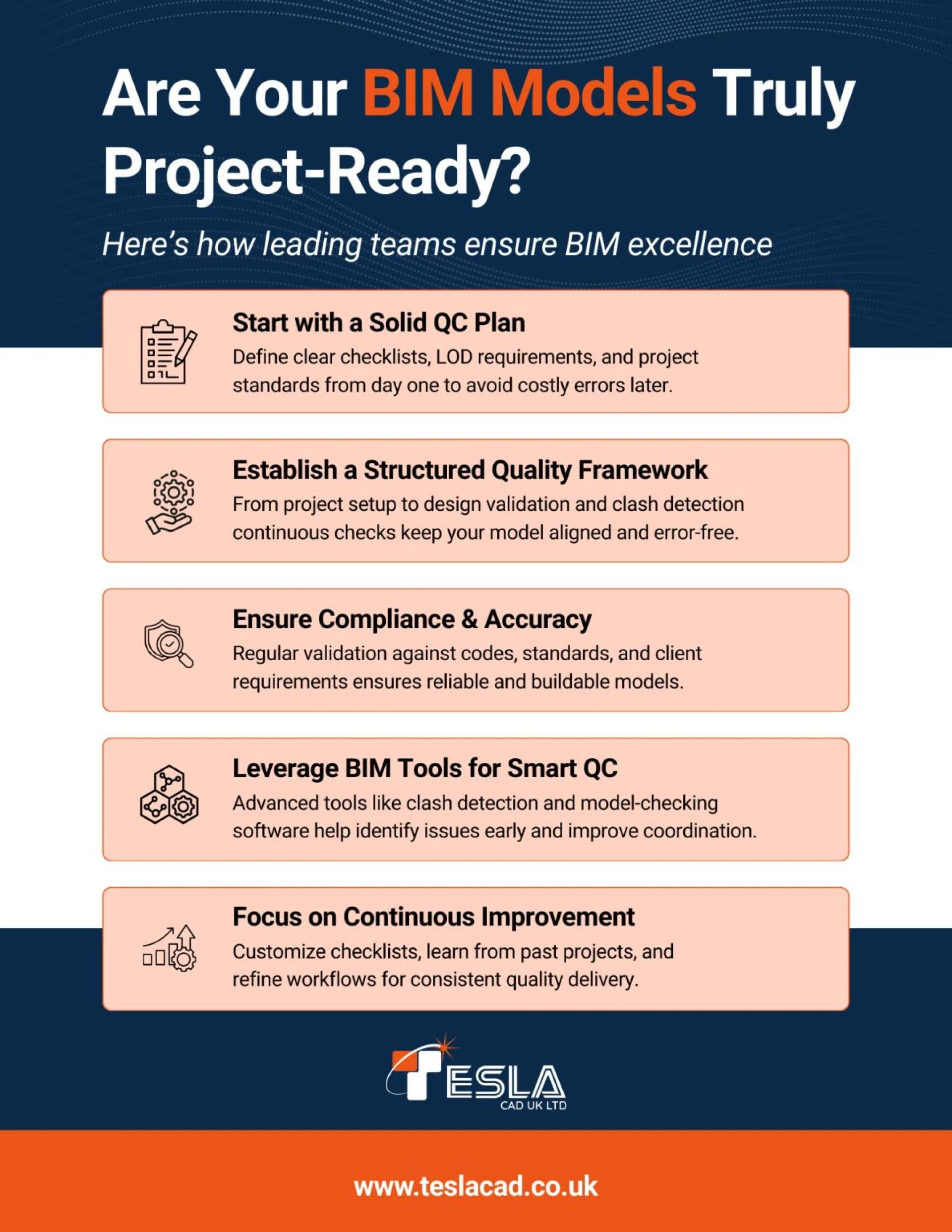
The transition from a high-intensity construction site to a functional facility is often jarring. To bridge this gap, teams must adopt a strategic approach. This is exactly why your BIM strategy needs a soft landing framework, ensuring that the operational requirements of the building owner are integrated into the model from day one. This framework prevents data loss and ensures the facility management team is ready to hit the ground running.
3 Ways BIM Adds Operational Value
- Predictive Maintenance: Moving from reactive repairs to predictive strategies using IoT-connected BIM models.
- Energy Optimization: Simulating "what-if" scenarios for heating and cooling based on real-time occupancy data.
- Space Management: Utilizing 3D data to optimize floor plans and lease management, potentially reducing real estate expenses by 10%.
The Future is Lifecycle-First
Unlocking the long-term value of BIM requires us to stop thinking about "completion" and start thinking about "continuity." When we treat the model as a living asset, we aren't just building structures; we are building data-driven ecosystems that are cheaper to run, more sustainable, and infinitely easier to manage.
















Sign in to leave a comment.