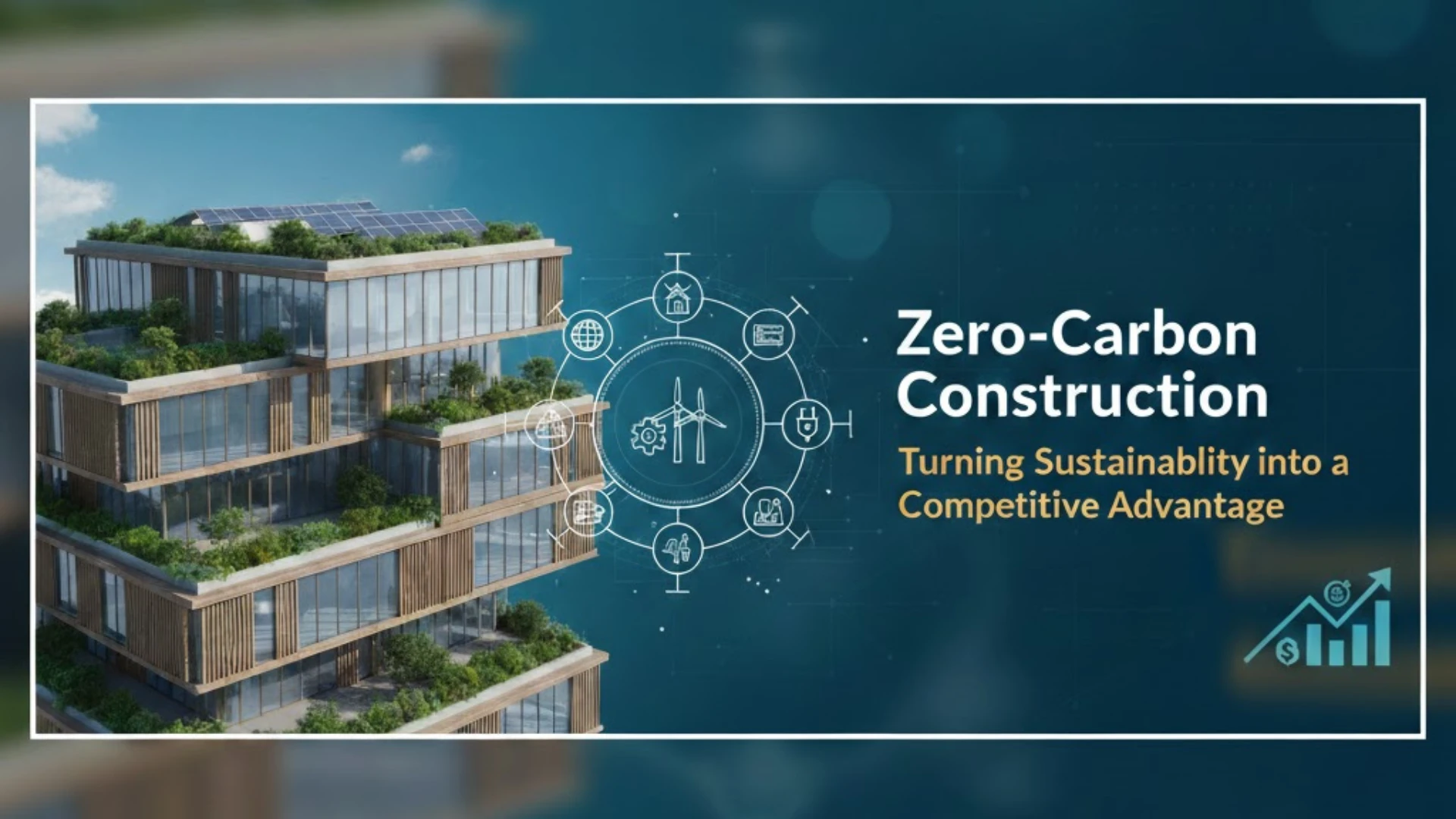
The AEC industry has reached a definitive tipping point. As of 2026, the global low-carbon building market is valued at approximately $818.5 billion. What was once viewed as a regulatory hurdle has transformed into a premier competitive advantage. Firms navigating the shift toward zero-carbon construction aren't just saving the planet; they are capturing higher margins, securing green financing, and winning high-value contracts that conventional builders can no longer touch.
Beyond Compliance: The Economic Moat
For years, "going green" was perceived as a luxury. Today, it’s a survival strategy. Industry data indicates that green-certified commercial assets now command rental premiums of 10% to 20% and experience significantly faster lease-up rates. This shift is driven by a new class of "carbon-conscious" tenants and institutional investors who prioritize ESG (Environmental, Social, and Governance) metrics to de-risk their portfolios.
In 2026, debt markets have begun to price carbon into their lending models. By integrating sustainability and carbon tracking into your core digital workflow, you transition from being a service provider to a strategic partner in an owner's long-term financial success.
The Shift to Embodied Carbon
While the previous decade focused on operational energy (HVAC and lighting), the current frontier is embodied carbon—the emissions locked into materials like steel and concrete during manufacturing and transport.
- Low-Carbon Materials: Innovation is concentrated in alternative cementitious materials, such as calcined clay, which can reduce a project’s carbon footprint by up to 50%.
- Digital Twins for Circularity: Advanced digital twins now facilitate "building-as-a-material-bank." By tagging components in a BIM environment, firms ensure that materials can be tracked, recovered, and reused at the end of the building's lifecycle.
BIM: The Engine of Net-Zero Delivery
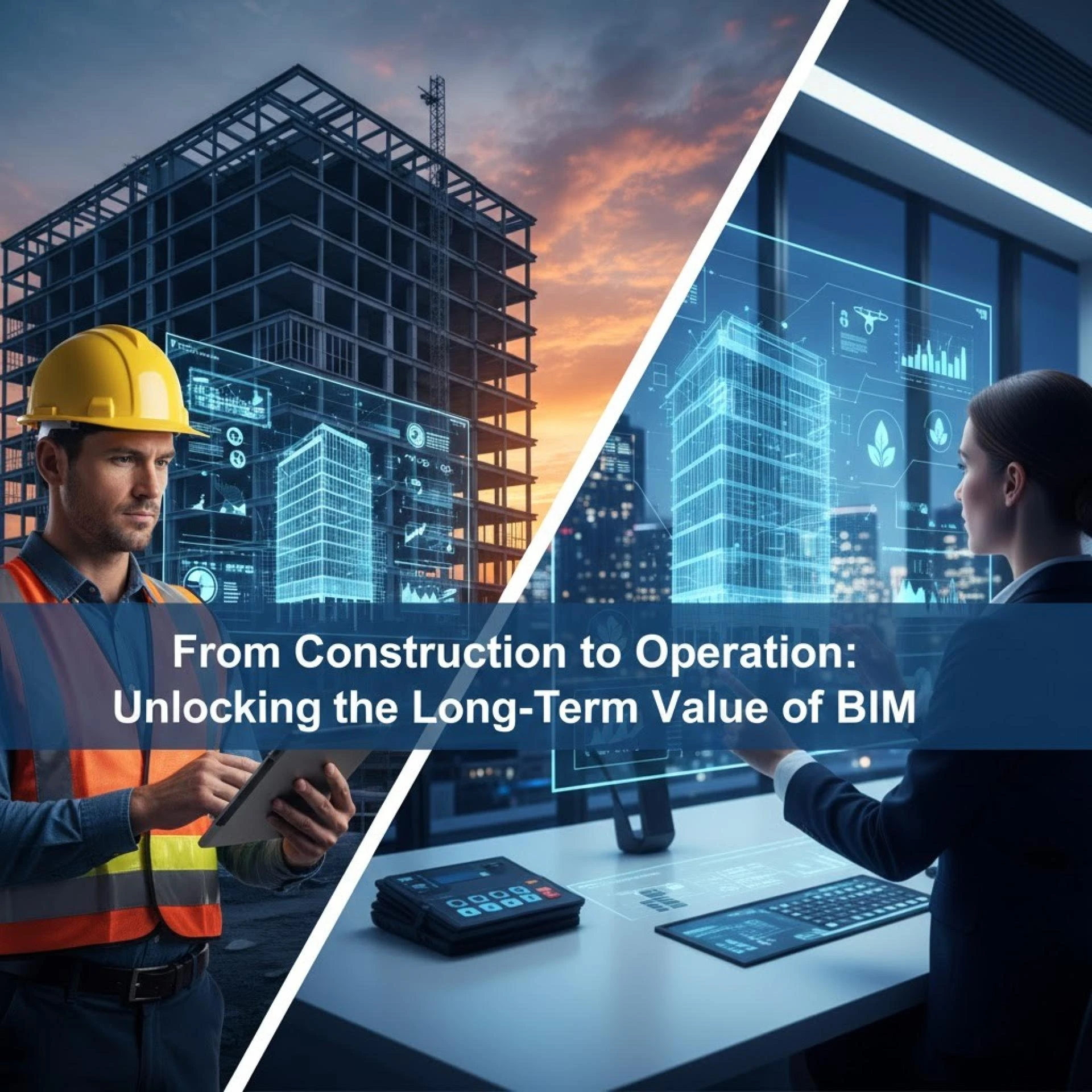
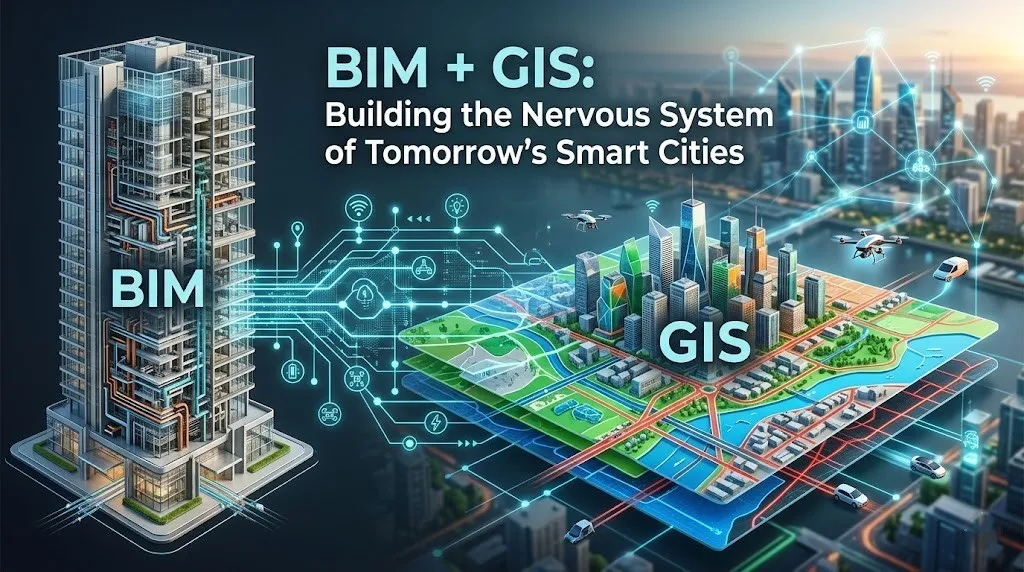
Achieving true net-zero requires accurate modeling, not guesswork. Building Information Modeling (BIM) has evolved into a data-rich environment where carbon is treated with the same weight as cost or schedule.
Firms utilizing BIM-driven energy simulations report a 20-30% improvement in energy efficiency by optimizing orientation and glazing ratios before breaking ground. Linking Environmental Product Declarations (EPDs) directly to BIM objects allows for real-time carbon accounting, ensuring projects remain compliant with tightening global regulations.
Actionable Strategies for 2026
To turn zero-carbon goals into a business edge, focus on these three pillars:
- Automate Carbon Reporting: Use plugins that link carbon values to model objects during the early conceptual phase.
- Strategic Procurement: Sourcing domestic, low-carbon materials isn't just eco-friendly—it's a hedge against global supply chain volatility.
- Offer "Net-Zero as a Service": Provide clients with digital twins that monitor post-occupancy energy performance to maintain "as-designed" efficiency.
The future of construction isn't just about building bigger; it’s about building with precision. Those who master the "carbon-to-value" equation today will lead the global AEC market for the next decade.

























Sign in to leave a comment.