

Artificial intelligence is attracting attention across healthcare, but care coordination leaders face a practical question: what happens after a risk is identified? A prediction has limited value if it does not reach the correct person, trigger an appropriate workflow, or lead to documented follow-up.
Effective Case management in healthcare depends on converting information into action while preserving human oversight. That means connecting clinical and administrative data, prioritizing cases transparently, and giving care teams tools that support rather than interrupt their work.
The Real Challenge Is Operational Follow-Through
A patient may be flagged because of repeated emergency visits, a new diagnosis, missed appointments, or changes in medication. Yet those signals often originate in different systems and arrive at different times. Care managers may spend valuable hours assembling context before they can decide what the patient needs.
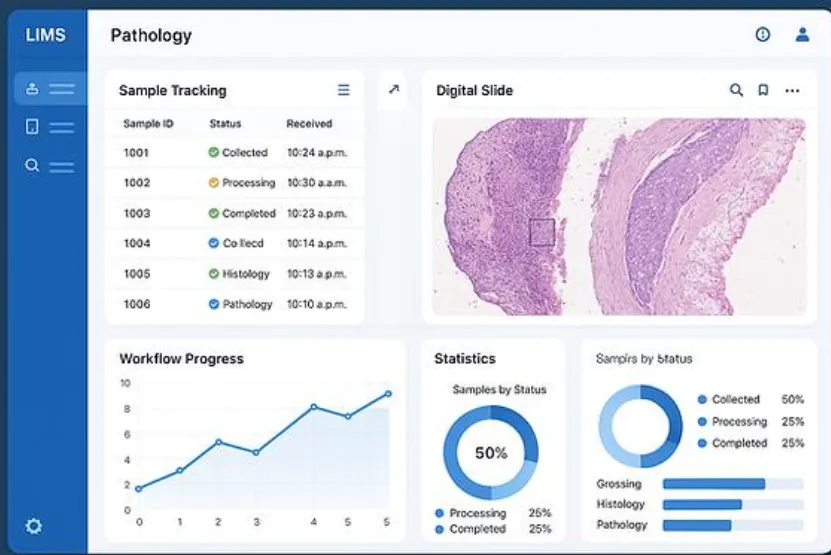
Well-designed Clinical case management software can consolidate relevant information and present it in a structured timeline. Instead of searching across multiple applications, an authorized user can review recent encounters, open tasks, communications, care-plan milestones, and unresolved barriers in one place.
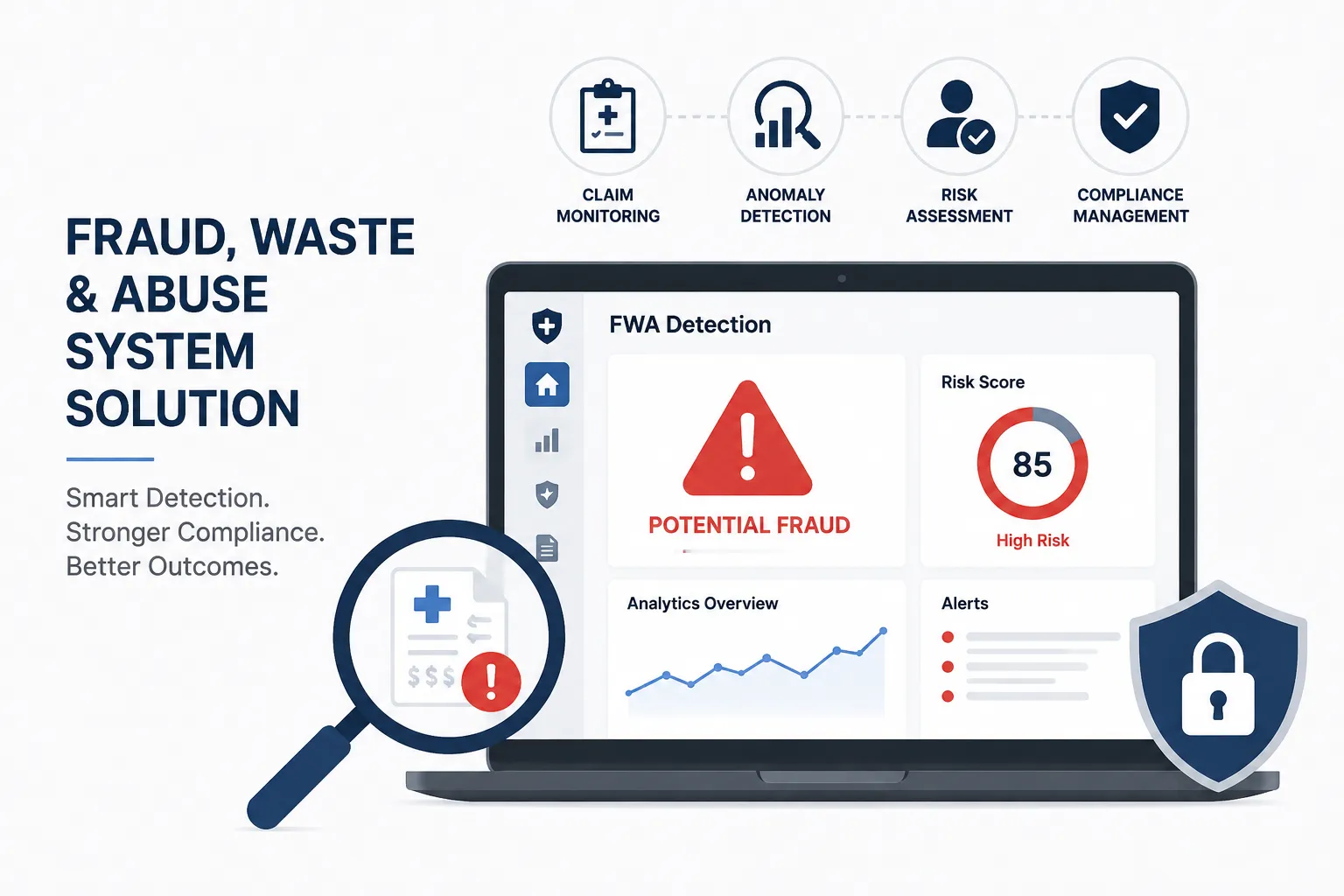
The platform should also distinguish between a useful signal and a final clinical conclusion. Predictive models can help prioritize a worklist, but clinicians and care managers still need to verify the information, consider circumstances the model may not capture, and select an appropriate intervention.
Designing Around the People Doing the Work
Technology projects can falter when workflows are designed without input from frontline users. Nurses, social workers, utilization teams, physicians, and administrative staff may each interact with a case differently. A single rigid screen or task sequence is unlikely to serve every role.
Good Patient case management software begins with workflow mapping. Teams should identify how cases enter the organization, what information is required at intake, where delays usually occur, which decisions need review, and how responsibilities transfer between departments. Configurable forms and role-specific views can then reduce unnecessary fields while preserving the information other users need.
Mobile access may help care coordinators working across facilities or in community programs. Patient-facing options—such as secure messaging, reminders, digital intake, and education—can also make participation easier. These features should account for accessibility, language needs, consent, and varying levels of digital confidence.
Building Trust Through Transparent Automation
Automation is most useful when users understand what it is doing. Rules for task routing, urgency, escalation, or case closure should be documented and testable. If an algorithm contributes to risk stratification, teams need a practical way to review its inputs, monitor performance, and detect differences across patient groups.
Human review is especially important when incomplete or delayed data could affect prioritization. A platform should allow authorized users to correct information, record exceptions, and explain why a recommendation was changed. These feedback loops can improve both accountability and future workflow design.
Creating a Connected Information Environment
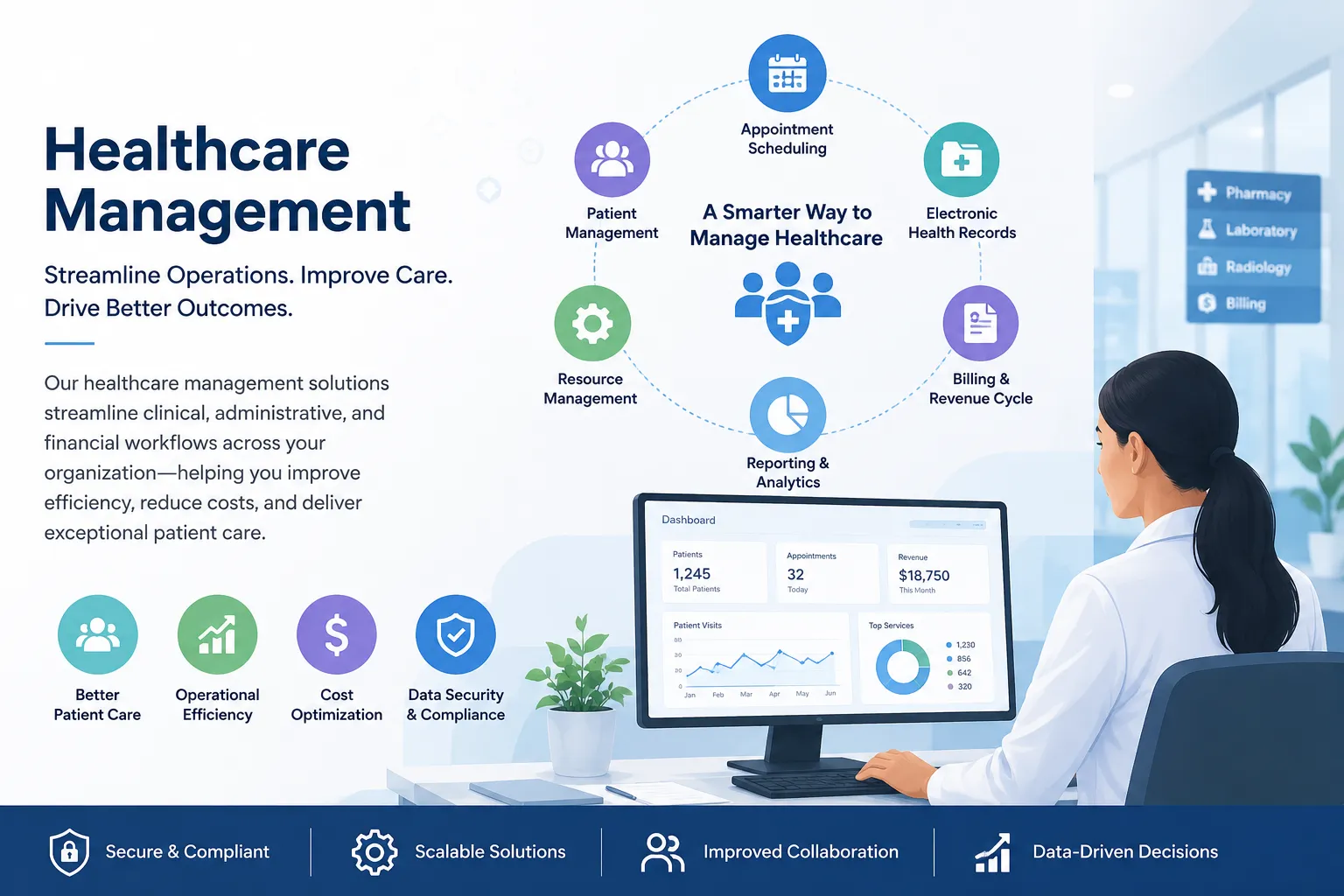
An effective Healthcare case management strategy requires dependable connections with EHRs, claims platforms, scheduling systems, laboratories, billing tools, and patient communication channels. Integration can reduce duplicate entry and provide a more current view, but it also requires careful data mapping and governance.
Organizations should define which system owns each data element, how frequently information is synchronized, and what happens when a connection fails. Security controls should include least-privilege access, encryption, activity logging, and procedures for investigating inappropriate access. Testing must cover ordinary workflows as well as exceptions, incomplete records, duplicate patients, and downtime scenarios.
Improving the System Over Time
Implementation is not the finish line. Leaders should monitor whether priority cases receive timely attention, tasks are repeatedly reassigned, or staff rely on workarounds. Patient and frontline feedback can reveal usability problems that dashboards miss.
Useful measures may include intake completion, time to outreach, referral closure, follow-up adherence, documentation completeness, and unresolved social needs. The right measures vary by program, so organizations should avoid treating a single utilization or financial metric as proof of success.
Smarter case management does not begin with the newest algorithm. It begins with a clear understanding of the people, decisions, and handoffs involved in coordinated care. When technology connects those elements responsibly, risk signals can become timely interventions—and care teams can spend less effort finding information and more effort helping patients move forward.























Sign in to leave a comment.