
The journey from a brilliant app idea to a polished, user-friendly mobile application is an intricate process that demands creativity, technical skill, and a deep understanding of user behavior. In this blog post, we'll explore the UI/UX design process for mobile apps, breaking down each stage from initial concept to final implementation.
1. Research and Discovery
Every successful app starts with thorough research. This phase involves:
- Market analysis: Studying competitor apps and identifying gaps in the market.
- User research: Understanding your target audience, their needs, preferences, and pain points.
- Defining goals: Establishing clear objectives for your app and how it will solve user problems.
During this stage, designers gather insights that will inform every subsequent decision in the design process.
2. Ideation and Conceptualization
With a solid research foundation, designers can begin brainstorming ideas. This phase includes:
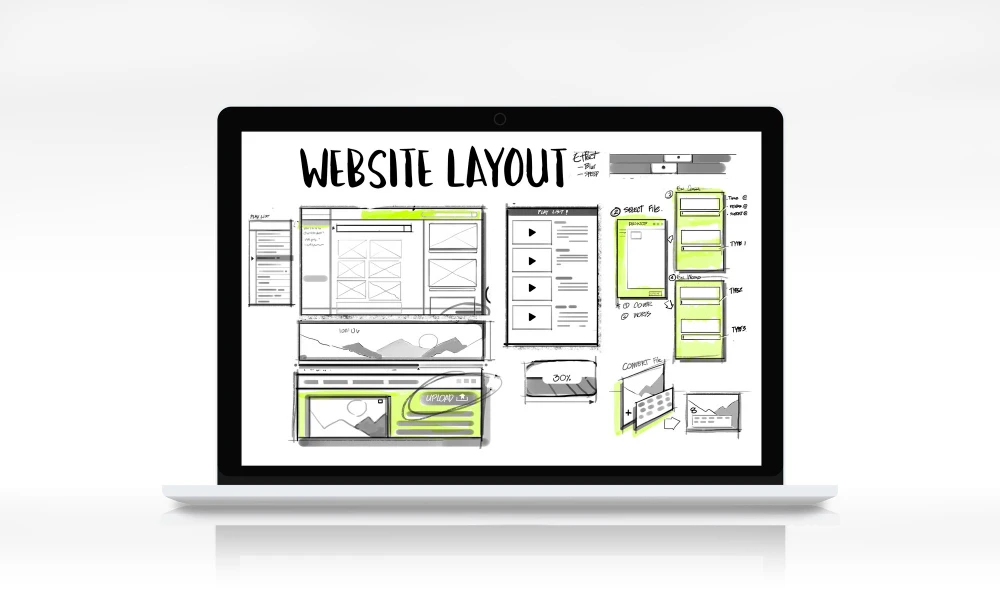
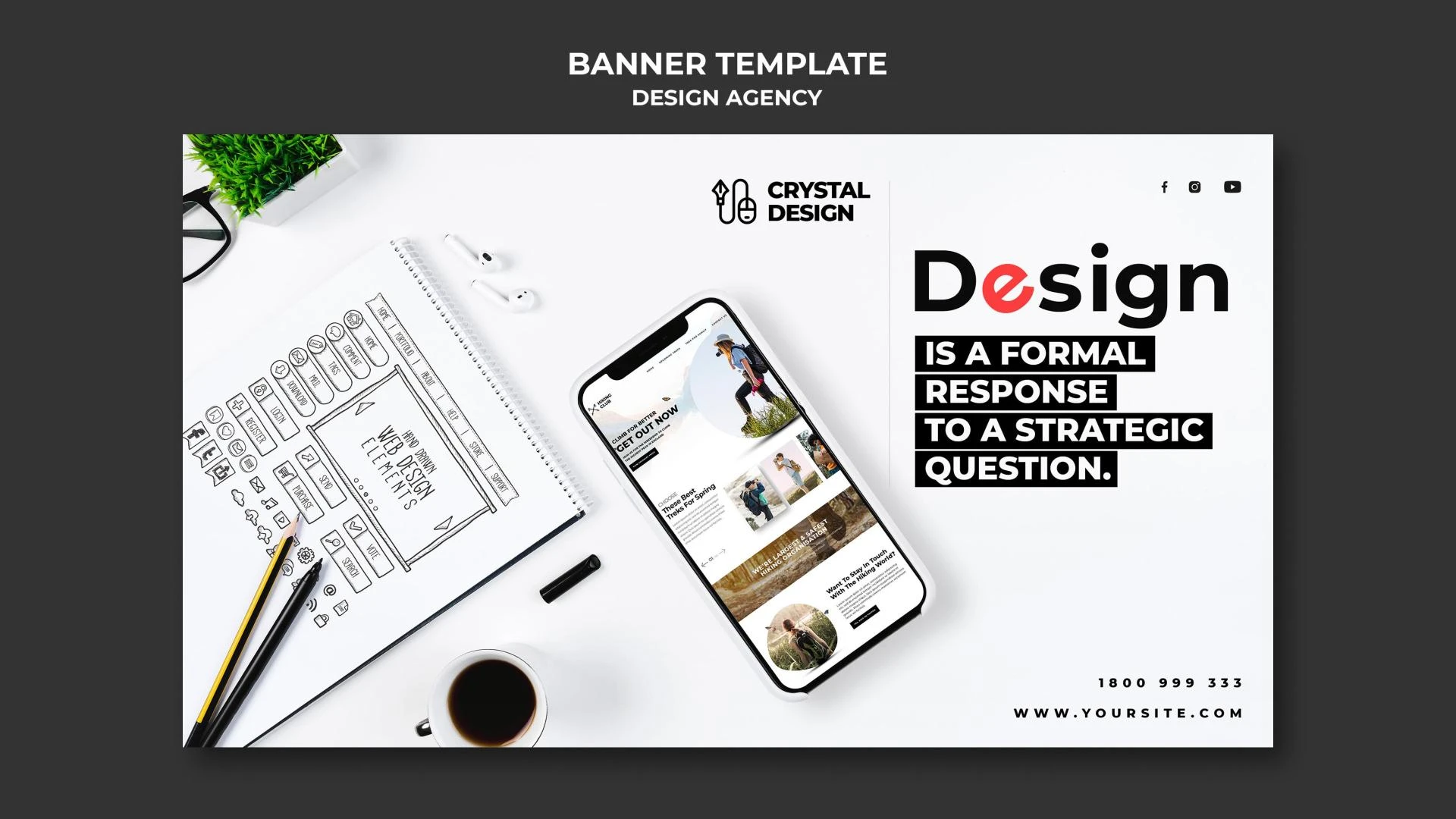
- Sketching: Quick, rough drawings to visualize potential layouts and features.
- Concept mapping: Creating visual representations of app structure and user flow.
- Feature prioritization: Determining which features are essential for the minimum viable product (MVP) and which can be added later.
The goal is to generate a wide range of ideas before narrowing down to the most promising concepts.
3. Information Architecture and User Flow
Before diving into visual design, it's crucial to establish the app's structure:
- Sitemap creation: Mapping out the hierarchy of screens and how they connect.
- User flow diagrams: Visualizing how users will navigate through the app to complete tasks.
- Content strategy: Deciding what information will be presented on each screen and how.
This step ensures that the app's structure is logical and intuitive for users.
4. Wireframing
Wireframes are low-fidelity representations of the app's layout:
- Creating basic layouts: Designing simple, grayscale versions of each screen.
- Establishing visual hierarchy: Determining the importance and placement of elements.
- Iterating based on feedback: Refining wireframes through internal reviews and user testing.
Wireframes allow designers to focus on functionality and user experience without getting distracted by visual details.
5. Prototyping
Prototypes bring wireframes to life with interactivity:
- Adding functionality: Creating clickable elements that simulate the app's behavior.
- Testing user flows: Ensuring that navigation between screens is smooth and intuitive.
- Gathering feedback: Conducting user tests to identify pain points and areas for improvement.
Prototypes can range from simple clickable wireframes to more advanced, high-fidelity versions that closely resemble the final product.
6. Visual Design
With the structure and functionality in place, designers can focus on aesthetics:
- Developing a style guide: Establishing color schemes, typography, iconography, and other visual elements.
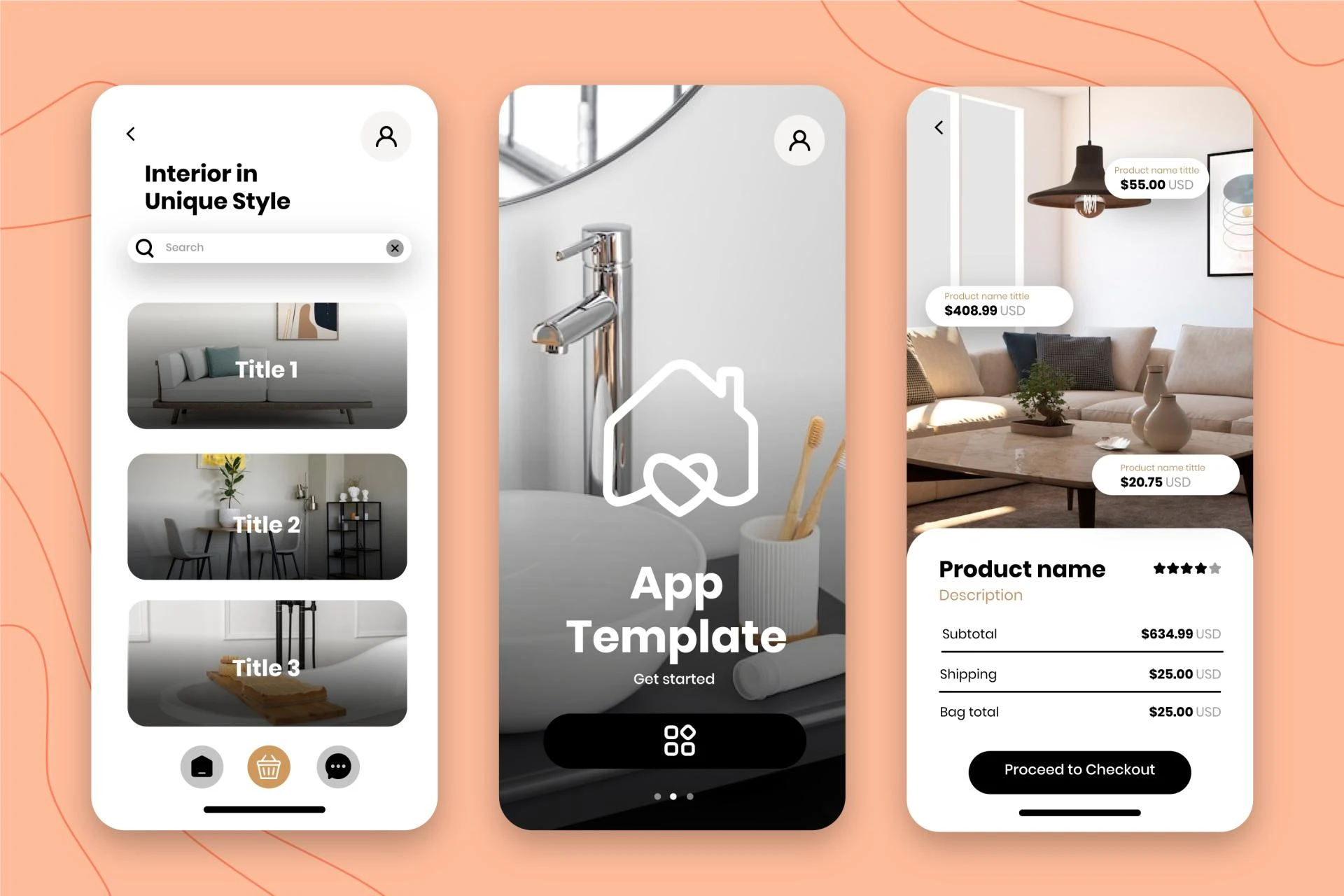
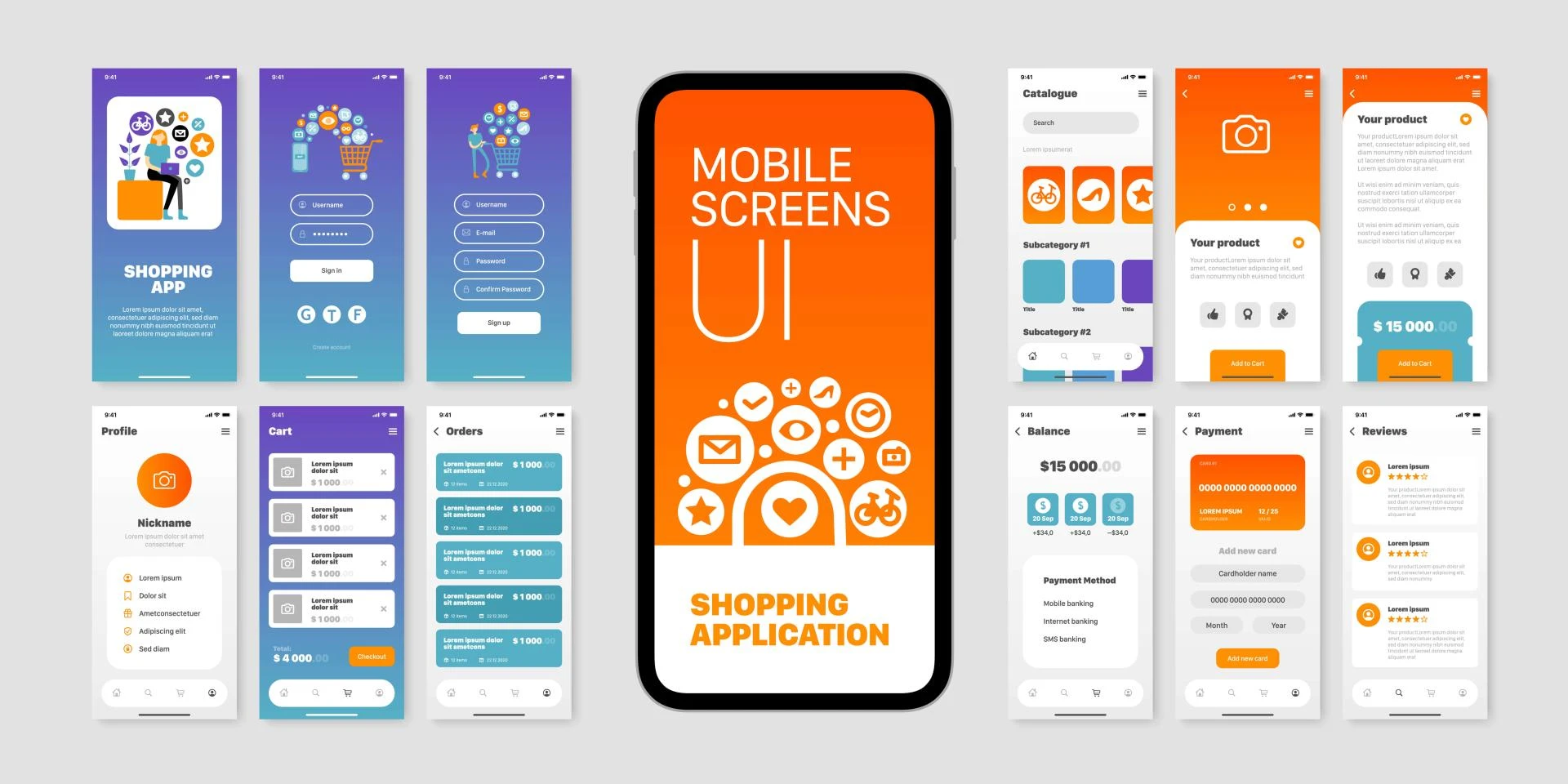
- Creating high-fidelity mockups: Applying the visual style to each screen of the app.
- Ensuring consistency: Maintaining a cohesive look and feel throughout the app.
This stage transforms the bare-bones wireframes into visually appealing designs that align with the brand identity.
7. Micro-interactions and Animations
Small details can significantly enhance the user experience:
- Designing transitions: Creating smooth animations between screens and states.
- Adding feedback: Implementing visual or haptic responses to user actions.
- Enhancing usability: Using micro-interactions to guide users and make the app feel more intuitive.
These elements add polish and can make the difference between a good app and a great one.
8. Design Handoff and Developer Collaboration
Translating designs into a functioning app requires close collaboration with developers:
- Preparing assets: Exporting images, icons, and other graphical elements.
- Creating design specifications: Documenting colors, fonts, spacing, and other details for developers.
- Addressing technical constraints: Working with developers to ensure designs are feasible and optimized for performance.
Clear communication between designers and developers is crucial for a smooth transition from design to development.
9. Testing and Iteration
The design process doesn't end with handoff to developers:
- Conducting usability tests: Observing real users interacting with the app to identify issues.
- Analyzing metrics: Reviewing data on user behavior and app performance.
- Iterating based on feedback: Making improvements based on user input and analytics.
This ongoing process helps refine the app and ensure it meets user needs effectively.
10. Launch and Post-launch Monitoring
Even after the app is released, the design process continues:
- Monitoring user feedback: Paying attention to reviews and user comments.
- Analyzing app performance: Tracking key metrics like user retention and engagement.
- Planning future updates: Identifying opportunities for new features or improvements based on user data and feedback.
Continuous improvement is key to maintaining a successful app in a competitive market.
Conclusion
The UI/UX design process for mobile apps is a complex journey that requires careful planning, creativity, and a user-centered approach. By following these steps and remaining flexible throughout the process, designers can create apps that not only look great but also provide genuine value to users.
Remember that while this process provides a solid framework, every project is unique. Adapt these steps to fit your specific needs, and always keep the end-user in mind. With dedication and attention to detail, you can transform your initial sketch into a polished, user-friendly mobile app that stands out in the crowded app marketplace.
Devoq Design is a prominent UI/UX design agency with a strong presence in both Toowoomba and Mackay. As a leading UI/UX design agency in Toowoomba, Devoq Design is dedicated to creating user-friendly and visually stunning digital experiences tailored to the unique needs of local businesses. Similarly, as a top UI/UX design agency in Mackay, Devoq Design excels in delivering innovative design solutions that enhance user interaction and satisfaction. With a team of skilled designers committed to excellence, Devoq Design ensures that each project is customized to meet the specific requirements of their diverse clientele, driving growth and success in both regions.






















Sign in to leave a comment.