
Magpie Sealing Technology Insights
Understanding the P-T Relationship of Gaskets in Industrial Applications
Gaskets are vital sealing elements widely used in various industrial applications, ensuring safe and efficient operation of pipelines, valves, and equipment. The performance of gaskets is closely linked to their ability to withstand different pressures and temperatures, making the P-T (Pressure-Temperature) relationship an essential factor in evaluating gasket performance. In this article, we will explore the P-T relationship of gaskets, the factors influencing it, and how testing standards impact this key parameter.
What is the P-T Relationship of Gaskets?
The P-T relationship defines the limits of a gasket's performance in response to varying working pressures (P) and temperatures (T). These two factors determine how well a gasket can perform under specific conditions.
- P (Pressure): Refers to the working pressure of the medium, typically measured in megapascals (MPa).
- T (Temperature): Refers to the working temperature of the medium, usually measured in degrees Celsius (°C).
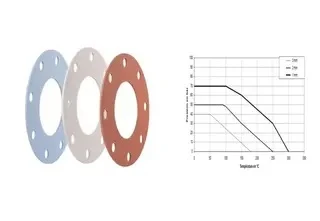
Each gasket material has a maximum operating pressure and temperature. However, these limits cannot always be simultaneously reached. For example, a material may be able to withstand 150°C but only resist 10 MPa pressure. As such, the P-T relationship is often represented using a P×T value or a P-T graph, helping to visualize the maximum pressure and temperature a gasket can endure under specific conditions.
Factors Affecting the P-T Relationship of Gaskets
Several factors influence the P-T relationship of gaskets, and understanding these factors is crucial for selecting the right gasket for the job:
1. Gasket Material
The material of the gasket plays a significant role in determining its P-T value. Properties such as thermal resistance, friction coefficient, and tensile strength all impact the gasket's ability to withstand pressure and temperature.
- Metallic Materials: These materials tend to have high tensile strength and pressure resistance, but they may not be as thermally resistant as graphite.
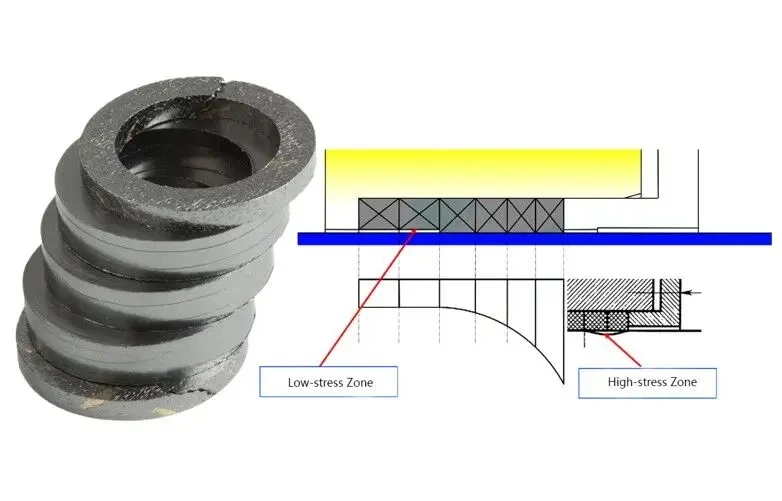
- Graphite Materials: While graphite offers excellent thermal resistance, its tensile strength is relatively low.
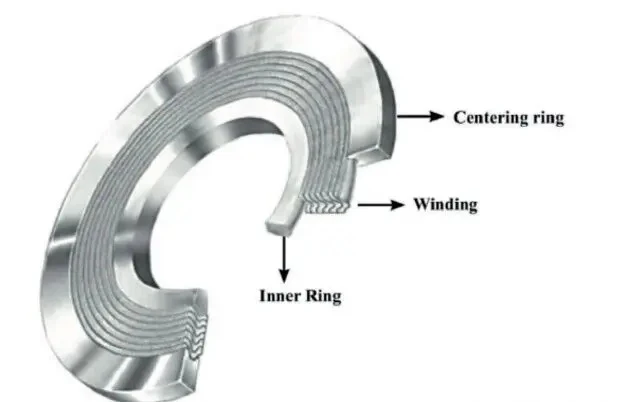
- Moreover, the structure of the gasket (e.g., wound or jacketed) also affects its P-T performance.
2. Gasket Testing Standards
There is currently no universal standard for testing the P-T relationship of gaskets. Variations in testing methods and conditions can lead to different P-T values. Below are some key factors in gasket testing:
- Gasket Stress: Gasket stress affects its P-T value. As stress increases, the gasket's pressure and temperature resistance typically improve (up to a point). Testing at a higher working stress can result in higher P-T values.
- Testing Medium: The medium used during testing (gas, liquid, etc.) affects the gasket's sealing performance. The physical and chemical properties of the medium can influence the gasket's pressure and temperature resistance.
- Testing Time: Extended testing times, particularly under high-temperature conditions, can lower the measured P-T value, as gasket performance degrades over time.
- Gasket Dimensions: The size of the gasket, such as thickness and diameter, also impacts its pressure and temperature resistance. A thicker gasket may exhibit lower resistance, while larger diameters affect friction and thrust forces.
- Failure Criterion: The criteria used to determine gasket failure (e.g., leakage rate or blowout) significantly impacts P-T values. Different failure benchmarks can lead to varying results.
Practical Considerations for Gasket Application
When selecting and using gaskets, it's crucial to consider various factors to ensure optimal performance and reliability:
1. Gasket Material Selection
Choose materials that match the operating conditions. For high temperatures, materials like graphite are ideal due to their excellent thermal resistance. For high pressures, metals with high tensile strength are preferable. Also, consider the chemical resistance of the material to ensure long-term stability in the medium environment.
2. Gasket Structural Design
Select the appropriate structure based on the requirements of the equipment. For instance:
- Wound Gaskets: Ideal for applications requiring high sealing performance.
- Jacketed Plate Gaskets: Best suited for high-pressure environments.
3. Gasket Testing and Verification
Before use, conduct thorough testing to verify the gasket's performance under real-world conditions. Select testing methods that accurately reflect the operating pressures, temperatures, and medium involved. Regular testing and inspections are also recommended to identify wear and tear before it leads to failure.
4. Gasket Maintenance and Care
Regular maintenance is essential to ensure continued gasket performance. Clean the gasket surfaces to remove dirt and contaminants, and inspect for signs of wear. If any damage or degradation is found, replace the gasket promptly to avoid equipment failure.
Conclusion
The P-T relationship of gaskets is a critical factor in ensuring the reliability and efficiency of industrial equipment. By understanding the influence of material properties, testing standards, and operational factors, users can make informed choices when selecting and maintaining gaskets. Through careful selection, testing, and maintenance, the sealing performance of equipment can be significantly enhanced, contributing to the overall safety and efficiency of industrial production.
By continuously exploring and applying the P-T relationship, engineers and operators can better ensure the long-term success of their sealing systems.It's important to know about Google SEO to help your website rank higher in search results.
























Sign in to leave a comment.