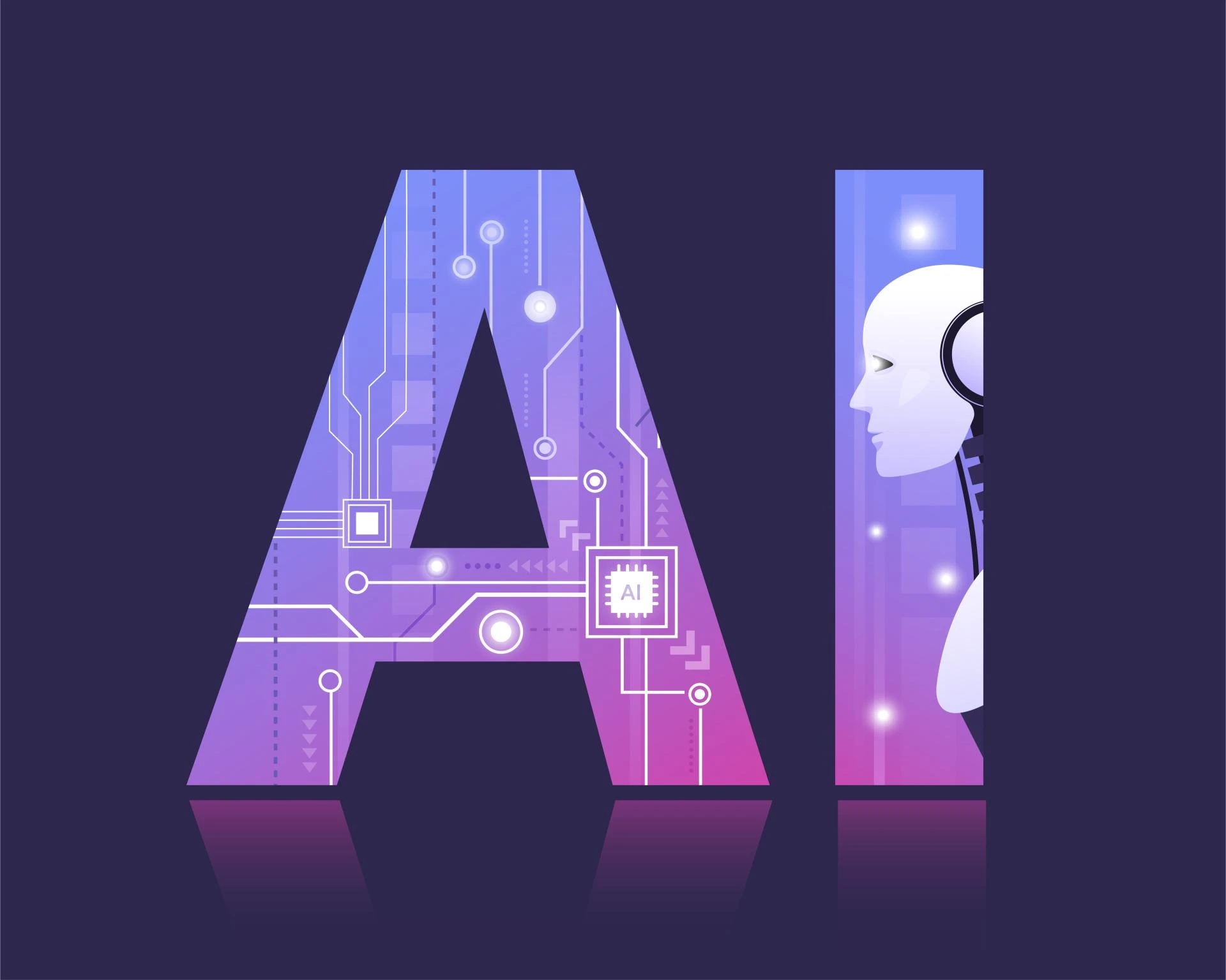

Generative AI is no longer an experimental technology but a serious operational tool in industries all over the world. It is used to summarize the history of patients in healthcare organizations. It is implemented by banks to identify fraud and automate compliance procedures. Drug discovery is accelerated by pharmaceutical companies using it. In education, generative AI training is in high demand, with more professionals looking to incorporate AI into controlled settings.
However, opportunity comes with complexity—particularly in sectors with strict legal regulation, intellectual property (IP) safeguards, and data confidentiality requirements. Generative AI does not merely generate something; it has reinvented the way information is generated, stored, and exchanged. In regulated industries, this poses a vital question: How can we innovate in AI without pushing the law and ethics?
What Makes Generative AI Different in Regulated Industries?
In unregulated industries, AI is rapidly adopted and seems to be experimental in nature: startups can launch tools and iterate rapidly. In contrast, industries like healthcare, finance, insurance, pharmaceuticals, and government operate under rigorous compliance regimes.
For example:
Medical care is required to comply with HIPAA (in the U.S.) or other patient privacy regulations globally.
Financial services are governed by AML (Anti-Money Laundering) and KYC (Know Your Customer).
Pharma is regulated by regulatory agencies such as the FDA or EMA.
Government ministries must respect the laws of data protection and public procurement standards.
Here, the question of AI adoption extends beyond technical feasibility to encompass conformity with the law and ensuring trust.
Legal Issues: Navigating Uncharted.
Although AI is not new, laws related to generative AI are in their early stages. This forms a difficult compliance environment.
1. Ambiguity in AI Regulations
No single, universal AI law exists. The AI Act of the EU is the most detailed framework to date, grouping AI use cases based on risk levels. The U.S., India, and others are adopting more piecemeal strategies. To a global company, this patchwork results in a single AI workflow potentially being lawful in one jurisdiction and unlawful in others.
2. Accountability and Liability
In case a generative AI model gives a recommendation that causes harm (such as wrong medical dosage advice), who is to blame? The developer? The system was deployed by which organization? Or the end user? Regulated industries must have a strict internal policy that provides responsibility for AI outputs.
3. Procurement and Vendor Compliance
Regulated companies should ensure that their external vendors provide AI tools that meet industry regulations when they obtain them. This incorporates legal stipulations regarding data management, model openness, and data protection.
Intellectual Property: Protecting and Respecting Ownership
Generative AI creates new IP challenges.
1. Who is the owner of AI-generated content?
Will an invention be patentable in the case of a pharma researcher who invents a new molecular structure through a generative model? When a bank writes compliance reports with the help of AI, who owns the copyright, the AI vendor or the bank, or none? The rules are still being developed by court cases and the differences in laws depending on the jurisdiction.
2. Risks of Copyright of Training Data
AI models based on generative artificial intelligence are usually trained on large volumes of internet-scraped data. If the content in such datasets is copyrighted (art, article, code), the outputs may violate the rights of another person without being intended to do so. Such risks are unacceptable in a highly regulated industry that lacks due diligence.
3. Brand Protection
AI can produce convincing counterfeits, such as deepfakes of CEOs, false business agreements, or bogus medical records. Such materials need to be monitored proactively by regulated industries to guard brand integrity and trust.
Data Privacy: The High-Stakes Challenge
In the case of industries dealing with sensitive personal or proprietary information, data privacy is not negotiable. Generative AI makes this difficult in several ways:
1. Risk of Data Leakage
Using proprietary information to train a generative model without adequate protections also poses a risk that sensitive information may leak from the model's results in the future. This poses particular danger to the medical records of patients or their financial transaction history.
2. Cross-Border Data Transfers
AI solutions running on a cloud can access and process data across countries, initiating compliance regulations under GDPR, the DPDP Act of India, or local statutes on privacy protections.
3. Synthetic Data Pitfalls
Some companies operate with synthetic data, AI-generated versions of real datasets to avoid privacy concerns. Nonetheless, even poorly anonymized synthetic data may be reverse-engineered to expose original identities.
The Role of Generative AI Training in Compliance
The use of AI in controlled industries requires more than technical competence. Professionals need to know not only how to utilize AI but also when and why some of these applications might be legally or ethically questionable.
The regulated industry-specific generative AI training must incorporate:
Legal frameworks: Overview of industry-specific compliance requirements.
Risk assessment: Determining AI applications that can cross boundaries of regulation.
Data governance: What to do with sensitive data when training and deploying a model.
Ethical standards: Preventing prejudice, discrimination, and abuse.
To people, taking a generative course including legal and privacy compliance modules can prepare them to work in more high-stakes industries. For organizations, this kind of training builds a culture of responsible AI use.
Strategies for Safe AI Adoption in Regulated Sectors
Conduct a regulatory impact assessment before implementation.
Identify all relevant laws, standards, and certifications relevant to your AI use case. This avoids future surprises.
Choose Transparent AI Models
Preferably, use models where you can audit training data sources and how you make decisions.
Implement Role-Based Access Controls
Restrict the communication and access to AI systems, in particular, sensitive ones.
Invest in Continuous Monitoring
AI compliance is not a simple checkbox. Periodically observe the outputs of the monitors for correctness, fairness, and possible infractions.
Maintain Human Oversight
Even in automated workflows, be sure to have a human decision-maker look at critical outputs before acting.
In the Future, regulation will fall behind.
We are in a transition period. Regulation is accelerating, but AI innovation accelerates even more. In the case of regulated industries, it implies taking a compliance-first approach rather than rushing to implement the latest tools.
The generative AI will keep transforming healthcare, finance, government services, etc. Individuals must work to balance innovation with strict legal, IP, and privacy protection, not only find themselves out of expensive traps but also to have a competitive advantage.
With a greater number of professionals getting upskilled via Generative AI training and organizations incorporating compliance-conscious AI planning, the fear-induced hesitation will be replaced by a sense of confidence and responsible usage.
Final Thoughts
Generative AI has a massive potential to regulate industries, but only when applied responsibly. Legal, IP, and privacy environments are dynamic and challenging. Leaders should make compliance a crucial aspect of their AI strategy rather than an appendix.
Investment in a generative course, one that includes not only technical abilities but also regulatory understanding, is no longer a matter of choice for the professional in the field but rather an essential part of the job. In the case of organizations, AI can become a highly valuable, trusted asset through the training of teams and implementation of clear policies that mitigate it as a compliance risk.
The point is this: innovation and regulation can be compatible, provided we are willing to develop AI systems that will follow the rules but push the limits of what is achievable.





























Sign in to leave a comment.