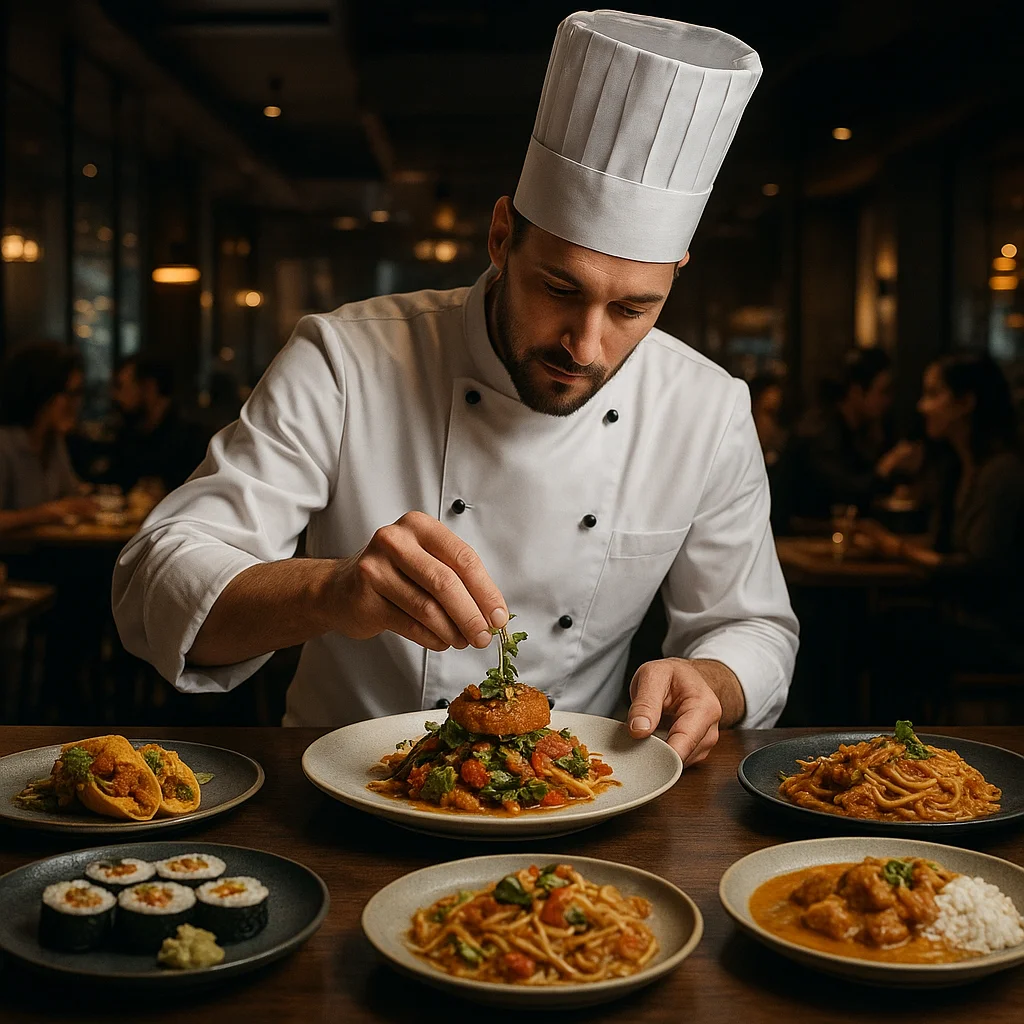

Opening Scene: A Night at an Urban Fusion Restaurant
Picture a bustling metropolitan restaurant in 2026. The menu reads like a manifesto of global food trends: lab-grown seafood alongside fermented Korean kimchi, plant-based meat alternatives, and a curated selection of natural wines. The chef, once a traditionalist, now experiments with AI-driven recipe development, sourcing ingredients through blockchain-verified supply chains. Diners are not just eating; they are participating in a narrative that embraces sustainability, advanced tech, and cross-cultural flavors. This snapshot encapsulates how global food trends are no longer niche curiosities but critical forces shaping restaurant operations, menus, and customer expectations worldwide.
Tracing the Roots: How Global Food Trends Evolved
Understanding the current state requires context. The last two decades witnessed a gradual but relentless shift in culinary preferences and supply chain dynamics. Early 2000s dining focused on authenticity and regional cuisine revival, but by the 2010s, concerns about climate change and health led to the rise of plant-based diets and locally sourced ingredients. The 2020s accelerated this with the pandemic catalyzing digital ordering and contactless service innovations.
The globalized palate grew sophisticated, fueled by social media and travel, exposing diners to exotic flavors and sustainability issues. According to FoodNavigator, 10 key global food and beverage trends emerged sharply post-2020, including regenerative agriculture, fermented foods, and ethical protein sources. These shifts laid the groundwork for restaurants to rethink not just what they serve but how they connect with customers and the planet.
Core Analysis: Data-Driven Impacts on Restaurant Menus and Operations
Data from Nation's Restaurant News details several transformative patterns in 2026. For example, plant-based menu items now account for an estimated 25% of all menu offerings in urban restaurants across Europe and North America, up from 10% in 2020. Meanwhile, the rise of alternative proteins—such as mycoprotein and cultured meat—has increased global market share by 40% since 2023.
Restaurants are also optimizing supply chains using blockchain for transparency. This technology mitigates risks associated with food fraud and carbon footprint misreporting, fostering consumer trust. Meanwhile, AI-enabled inventory management has reduced food waste by an average of 22%, according to industry reports.
“The convergence of technology and sustainability is driving restaurants to innovate beyond the kitchen, transforming customer experience and operational efficiency,” states a recent analysis by Nation's Restaurant News.
From a menu perspective, the integration of global influences is evident. Dishes blending African, Latin American, and Southeast Asian flavors are gaining traction, reflecting demographic shifts and culinary curiosity. This fusion is not haphazard but data-informed, with restaurateurs analyzing social media trends and sales data to forecast demand accurately.
- Plant-based innovation: 25% menu presence, rising consumer demand
- Alternative proteins: 40% market growth since 2023
- Blockchain supply chains: Enhanced transparency and traceability
- AI inventory management: 22% reduction in food waste
- Global flavor fusion: Data-driven menu curation for diverse palates
Current Developments in 2026: Technology Meets Sustainability
2026 marks a pivotal year where the integration of sustainability and technology defines restaurant innovation. The push for carbon-neutral operations is no longer optional. Restaurants implement energy-efficient appliances and source ingredients from regenerative farms that restore soil health and biodiversity. This shift aligns with consumer priorities; a 2025 global survey by FoodNavigator found 68% of diners prefer restaurants with clear sustainability credentials.
Meanwhile, the fast-casual sector embraces automation. Robotics for food prep and delivery reduce labor shortages and increase consistency. However, human creativity remains central in crafting unique dining experiences. Chefs use AI to experiment with flavor combinations, optimize nutritional profiles, and predict ingredient availability.
Another notable development is the rise of hyper-local sourcing, enabled by urban vertical farms. This trend shortens supply chains drastically, cutting emissions and ensuring freshness. Restaurants in metropolitan hubs like New York, Tokyo, and Berlin are partnering with vertical farms to secure microgreens, herbs, and specialty vegetables year-round.
“The future of dining hinges on smart ecosystems where technology, sustainability, and culinary artistry intersect,” says a leading expert featured in MSN’s Top 10 Food Experts Shaping Global Cuisine.
Expert Perspectives and Industry Impact
Industry leaders emphasize that adapting to these trends is essential for survival and growth. Restaurateurs interviewed by Nation's Restaurant News highlight that embracing plant-based menus and transparent sourcing attracts a new generation of diners who prioritize ethics and health.
Moreover, technology investments are not just cost centers but strategic assets. AI-driven demand forecasting and dynamic pricing models optimize revenue, while digital engagement platforms foster loyalty through personalized offers and storytelling.
The labor landscape is evolving too. Upskilling staff to manage tech tools and deliver experiential service remains a priority. Some sectors witness a hybrid model where automation handles repetitive tasks, freeing human workers to focus on creativity and customer interaction.
These changes ripple through supply chains, incentivizing producers to adopt regenerative practices and innovate with novel ingredients. The restaurant industry's increased demand for transparency pressures suppliers to adopt traceability technologies and sustainable certifications.
What to Watch: Future Outlook and Strategic Takeaways
Looking forward, several trends will continue shaping restaurants globally:
- Deepening Sustainability: Carbon-negative operations and circular economy models will become standard.
- AI and Data Utilization: Enhanced predictive analytics will refine menu creation and personalized marketing.
- Hybrid Dining Models: Seamless integration of in-person, takeout, and virtual dining experiences.
- Ingredient Innovation: Increased adoption of cultured foods and fermentation techniques.
- Global-Local Fusion: Menus that balance global inspiration with local sourcing and identity.
Restaurants must adopt frameworks for continuous innovation and resilience. Tools such as sustainability scorecards, AI-powered menu engineering, and blockchain tracking are no longer optional but competitive necessities.
For industry watchers and practitioners, understanding these trends provides a roadmap. The comprehensive analysis in this WriteUpCafe article and another detailed piece offer valuable frameworks and case studies illustrating how top players adapt and thrive.
Case Studies: Real-World Applications of Global Food Trends
Consider "TerraBite," a New York-based restaurant that has fully integrated regenerative sourcing and AI-based menu optimization. Since 2024, TerraBite reduced its carbon footprint by 35% while increasing customer satisfaction scores by 20%. Its menu features lab-grown salmon alongside native American heirloom grains, appealing to eco-conscious and adventurous diners.
In Tokyo, "Sora Kitchen" exemplifies hyper-local sourcing through vertical farm partnerships. Their rapid adoption of fermented foods and alternative proteins has driven a 30% increase in repeat customers in 18 months. The restaurant’s transparent blockchain supply chain allows diners to trace every ingredient’s origin via QR codes, enhancing trust.
Both examples illustrate how data-driven decisions, sustainability, and innovation converge to create competitive advantages and richer dining experiences.
“Restaurants that embed sustainability and technology at their core position themselves for long-term success,” notes a TerraBite executive.
These case studies reflect the broader shifts documented by FoodNavigator and Nation's Restaurant News, confirming that global food trends are not abstract concepts but actionable strategies transforming the restaurant sector.


































Sign in to leave a comment.