
Large organizations face mounting pressures from evolving regulations and the exponential growth of data volumes. Data governance and compliance have become critical pillars for maintaining trust, mitigating risks, and driving sustainable growth. Governance-as-a-Service emerges as a transformative approach, providing outsourced expertise to handle these complexities without the need for extensive internal resources.
This model leverages specialized providers to deliver comprehensive data governance services, enabling enterprises to focus on core business activities while ensuring adherence to standards such as GDPR, CCPA, and HIPAA. By adopting Governance-as-a-Service, companies gain access to advanced tools and strategies that streamline processes, enhance data quality, and foster a culture of accountability across departments.
The shift toward this service-oriented framework reflects broader trends in digital transformation, where agility and scalability take precedence. Organizations that integrate data governance solutions through this method often experience reduced compliance costs and improved decision-making capabilities, positioning them ahead in competitive markets.
Decoding Governance-as-a-Service
Governance-as-a-Service represents an innovative delivery model for data governance and compliance functions. Providers offer these capabilities on a subscription basis, similar to software-as-a-service platforms, allowing organizations to tap into expert resources without building everything from scratch.
At its core, this approach encompasses data governance strategy solutions tailored to specific industry needs. Specialists assess existing frameworks, identify gaps, and implement robust policies that align with regulatory requirements. Such services ensure that data assets remain secure, accurate, and accessible, supporting long-term operational resilience.
Enterprises benefit from real-time monitoring and automated tools that detect anomalies and enforce compliance protocols. This proactive stance minimizes the likelihood of breaches and penalties, creating a safer environment for data handling.
Core Advantages for Enterprises
Large organizations often grapple with siloed data systems and disparate teams, complicating compliance efforts. Governance-as-a-Service addresses these issues by centralizing oversight and providing unified data governance solutions. This integration leads to smoother workflows and better collaboration among stakeholders.
One key benefit lies in cost efficiency. Traditional in-house data governance requires significant investments in personnel and technology. Outsourced services, however, offer scalable pricing models that adjust to organizational size and needs, delivering high value without prohibitive upfront expenses.
Enhanced risk management stands out as another advantage. Providers employ advanced analytics to predict potential compliance pitfalls, allowing organizations to address them preemptively. This forward-thinking methodology not only safeguards reputations but also bolsters investor confidence.
Essential Elements of Data Governance Services
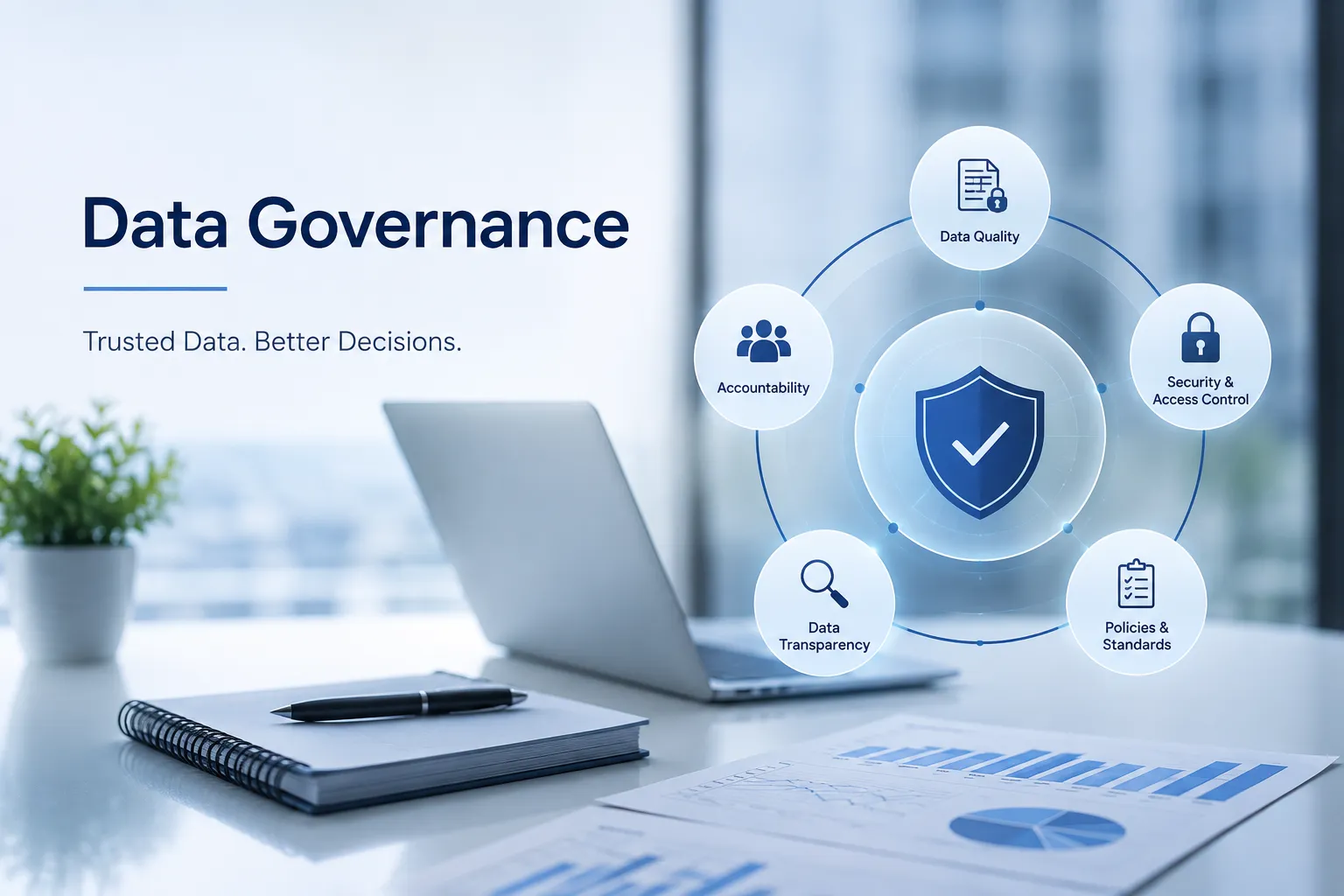
Effective data governance services hinge on several foundational components. Metadata management forms the backbone, enabling clear documentation of data origins, usage, and transformations. This transparency aids in audits and ensures traceability throughout the data lifecycle.
Data quality assurance plays a pivotal role, involving processes to validate accuracy, completeness, and consistency. Providers utilize sophisticated algorithms to cleanse datasets, reducing errors that could lead to misguided business decisions.
Security and privacy controls integrate seamlessly, incorporating encryption, access restrictions, and regular vulnerability assessments. These measures align with data compliance mandates, protecting sensitive information from unauthorized access.
Building a Robust Framework
Developing a data governance framework begins with stakeholder alignment. Leaders from various departments collaborate to define roles and responsibilities, ensuring buy-in across the organization.
Policy development follows, outlining standards for data handling and usage. These guidelines evolve with regulatory changes, maintaining relevance in dynamic environments.
Technology integration completes the framework, deploying platforms that automate governance tasks. Tools for data cataloging and lineage tracking enhance visibility and control.
Crafting Data Governance Strategy Solutions
Strategic planning in data governance demands a holistic view of organizational objectives. Consultants evaluate current states, benchmark against industry peers, and devise customized roadmaps that prioritize high-impact areas.
Data governance strategy solutions emphasize scalability, accommodating growth in data volumes and complexity. Providers incorporate agile methodologies, allowing iterative improvements based on feedback and emerging needs.
Integration with existing IT infrastructures ensures minimal disruption. This seamless blending maximizes the utility of legacy systems while introducing modern governance practices.
Aligning with Business Goals
Strategies must synchronize with broader business aims, such as innovation and customer satisfaction. By linking data governance to these goals, organizations unlock insights that drive competitive advantages.
Risk assessment integrates into the strategy, identifying vulnerabilities in data flows. Mitigation plans address these, fortifying defenses against potential threats.
Performance metrics track the effectiveness of implemented solutions, providing data-driven evidence of ROI. Regular reviews refine approaches, ensuring sustained success.
Navigating Data Compliance Challenges
Data compliance presents multifaceted hurdles, from varying international regulations to internal resistance. Large organizations often operate across borders, necessitating adaptable frameworks that accommodate diverse legal landscapes.
One common challenge involves keeping pace with regulatory updates. Governance-as-a-Service providers maintain vigilant monitoring, updating protocols to reflect changes and prevent non-compliance.
Employee training gaps can undermine efforts. Comprehensive programs educate staff on best practices, fostering a compliance-oriented culture.
Overcoming Implementation Barriers
Resource constraints hinder many initiatives. Outsourced services alleviate this by supplying expert teams, freeing internal staff for strategic tasks.
Technological silos create inconsistencies. Unified platforms break down these barriers, promoting cohesive data management.
Auditing complexities arise from vast data ecosystems. Automated tools simplify this, generating reports that demonstrate adherence during inspections.
Real-World Applications and Success Stories
Numerous enterprises have transformed their operations through Governance-as-a-Service. A global financial institution, for instance, reduced compliance violations by 40 percent after adopting tailored data governance consulting services. This shift not only averted fines but also improved data-driven decision-making.
In the healthcare sector, a major provider streamlined patient data management, ensuring HIPAA compliance while enhancing service delivery. The integration of data governance solutions minimized errors and boosted operational efficiency.
Manufacturing giants have leveraged these services to secure supply chain data, mitigating risks from cyber threats. Such applications highlight the versatility and impact of this model across industries.
Lessons from Industry Leaders
Successful adopters prioritize customization, adapting services to unique needs rather than opting for generic solutions. This targeted approach yields superior outcomes.
Continuous evaluation ensures longevity. Organizations that regularly assess and update their governance strategies stay resilient amid change.
Collaboration with providers fosters innovation. Joint efforts often lead to novel solutions that address emerging challenges effectively.
Future Trends in Data Governance and Compliance
The landscape of data governance continues to evolve with advancements in AI and machine learning. These technologies promise automated compliance checks, reducing manual oversight and enhancing accuracy.
Sustainability considerations increasingly influence governance practices. Organizations integrate environmental data tracking to meet ESG reporting requirements.
Global harmonization of regulations may simplify compliance, though challenges persist in fragmented markets. Forward-looking strategies anticipate these shifts, positioning enterprises for future success.
Governance-as-a-Service stands poised to lead this evolution, offering flexible, expert-driven solutions that adapt to technological and regulatory changes. As data volumes surge and threats multiply, this model provides a reliable pathway to robust compliance.
Key Conclusion and Analysis
Large organizations that embrace the data governance and compliance not only achieve regulatory adherence but also cultivate a data-centric culture that fuels innovation and growth. The emphasis on proactive management transforms potential liabilities into strategic assets, ensuring long-term viability in an increasingly data-dependent world.
By prioritizing data governance and compliance through specialized providers, enterprises can navigate complexities with confidence, securing their place in competitive arenas while upholding the highest standards of integrity and efficiency. This comprehensive approach ultimately empowers organizations to harness data's full potential, driving meaningful progress and sustainable success.

























Sign in to leave a comment.