
In today’s competitive business environment, both companies and individuals look for reliable ways to express identity, creativity, and branding. Custom embroidery continues to be one of the most trusted methods for achieving this, but modern embroidery machines require far more than a simple design file. They need a carefully prepared digital embroidery file that guides every stitch with accuracy. This is why professional embroidery digitizing services have become essential for producing high-quality embroidered items.
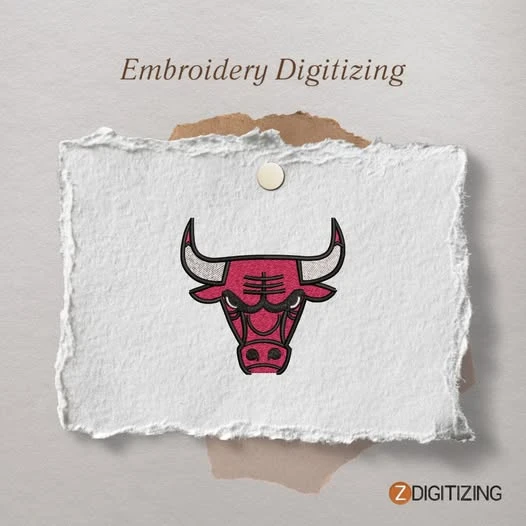
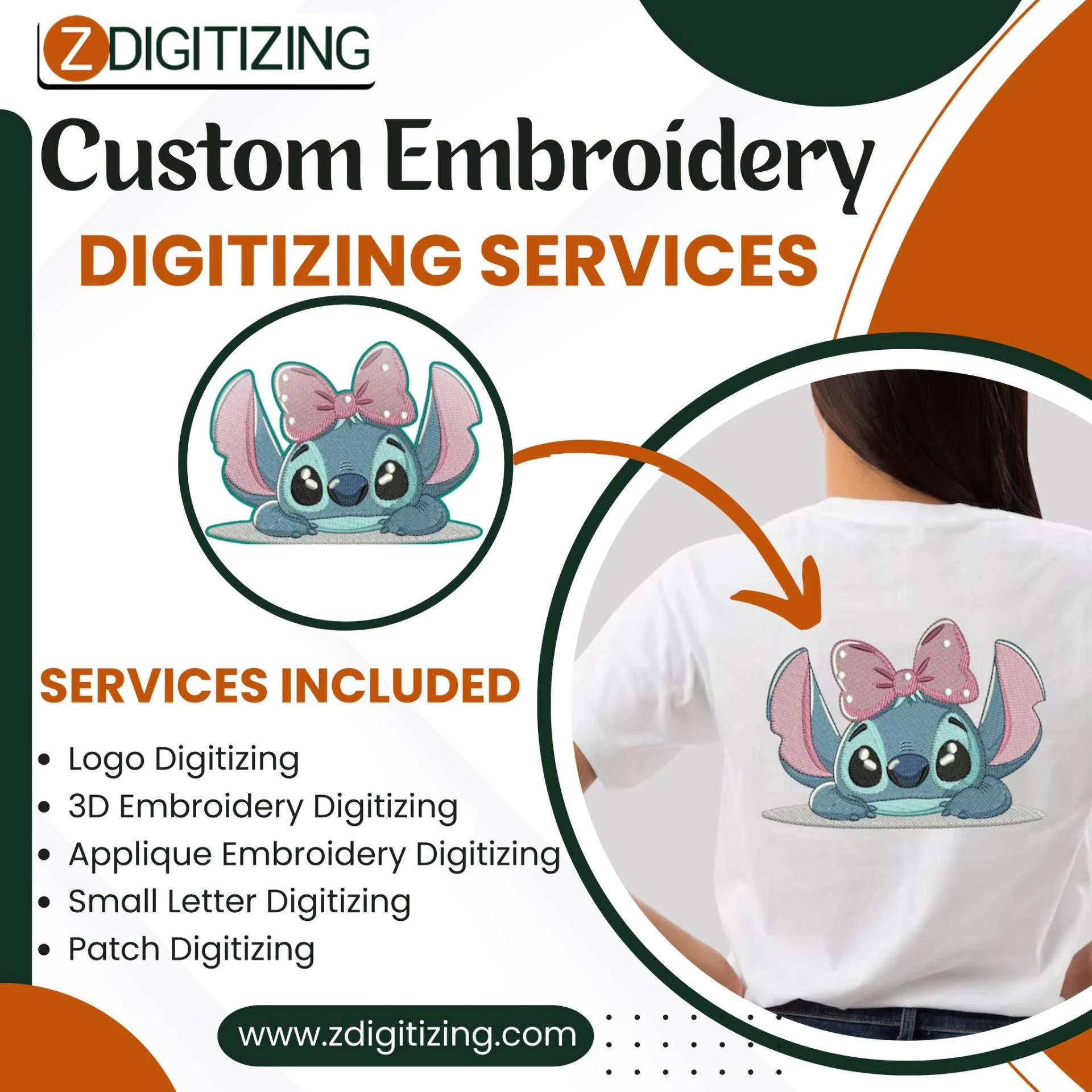
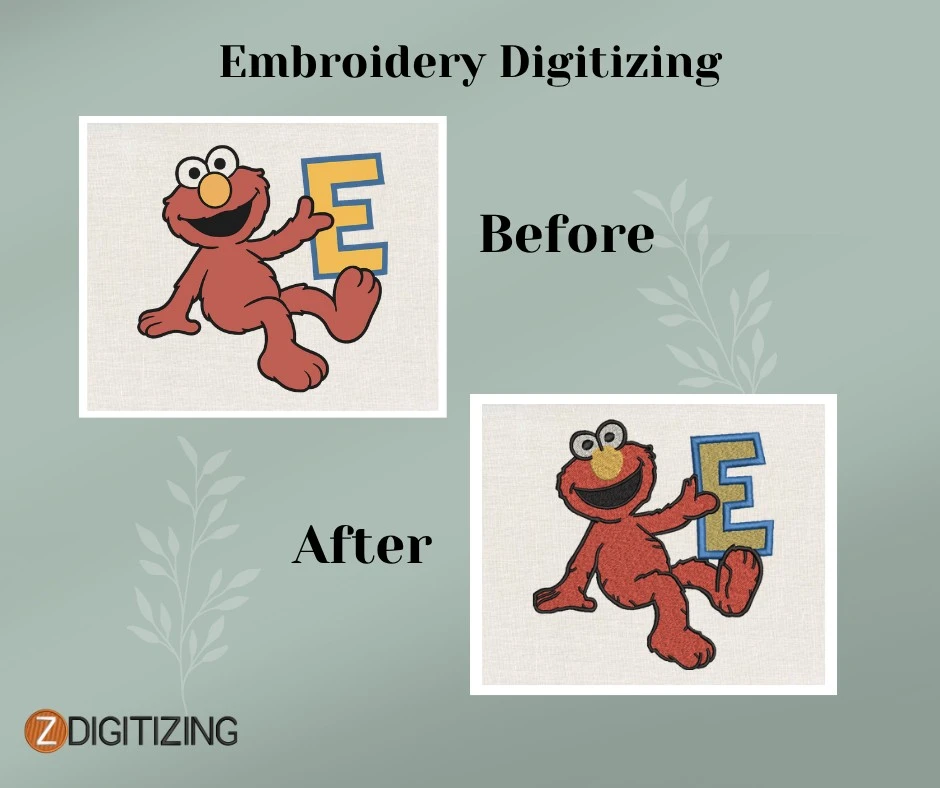
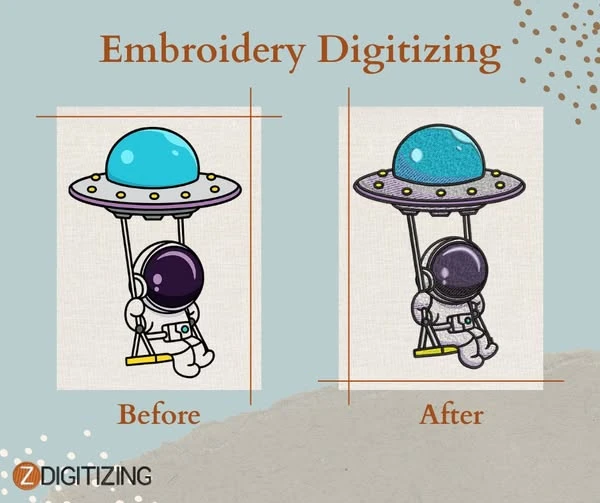
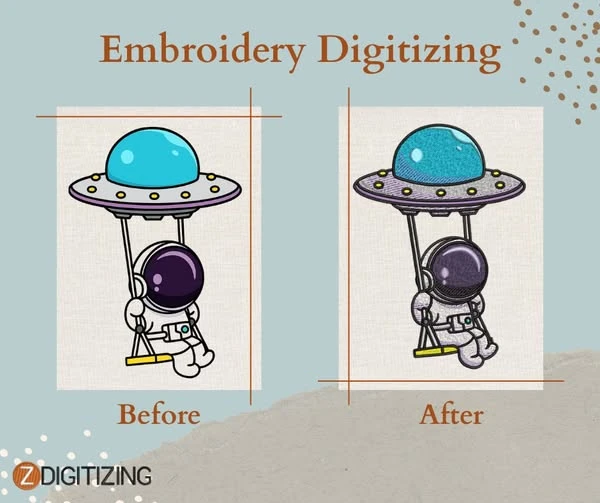
Embroidery digitizing refers to converting artwork, graphics, or logos into machine-readable stitch data. This conversion determines stitch types, directions, density levels, and pathing. When executed correctly, it results in embroidery that is clear, balanced, and visually consistent. Skilled digitizing transforms artwork into a detailed stitched design suitable for apparel, promotional products, uniforms, personal items, and more.
Why the Quality of Digitizing Plays a Major Role
The final appearance of embroidery is directly shaped by the quality of the digitized file. Even advanced embroidery machines depend on precise digital mapping. When digitizing is poorly done, issues such as thread breaks, distortion, uneven stitching, or fabric stress often occur. Experienced digitizers understand the technical requirements behind every design and make adjustments that ensure the embroidery runs smoothly.
Several aspects influence digitizing quality:
- Fabric type: Materials differ in stretch, weave, and behavior, requiring tailored stitch density and underlay.
- Design complexity: Highly detailed artwork must be optimized so it embroiders cleanly.
- Stitch selection: The correct use of satin, fill, and running stitches prevents inconsistencies.
- Underlay: A Proper underlay strengthens the foundation of the design.
- Thread and needle considerations: These impact color, clarity, and durability.
Accurate digitizing provides reliable results, reduces errors during production, and helps maintain quality across multiple items.
Benefits of Using Professional Embroidery Digitizing Services
Professional digitizing services offer valuable advantages for a wide range of embroidery needs. Businesses use them for branding and merchandise, while individuals rely on them for personalized items. Some key benefits include:
High Accuracy and Professional Results
Skilled digitizers understand how to interpret artwork and convert it into stitch patterns that embroidery machines can run efficiently. This creates clean edges, smooth shapes, and consistent textures.
Time Efficiency
Experienced professionals use advanced software and established techniques to prepare designs quickly. This helps meet deadlines without sacrificing quality.
Cost Savings During Production
When a file is digitized correctly, machines run with fewer thread breaks and less rework. This reduces production time and waste, offering long-term savings.
Support for Multiple File Formats
Digitizing services can provide files in formats such as DST, PES, EXP, JEF, VP3, and others, making them suitable for a wide variety of embroidery machines.
Consistency for Large Orders
If many items require the same design, quality digitizing ensures each one looks uniform, regardless of the garment or product type.
What to Look for in a Reliable Digitizing Service
Choosing the right digitizing provider is important for maintaining quality and avoiding production issues. A trustworthy service typically offers:
- Skilled digitizers with experience across various fabric types and design complexities
- Updated digitizing software and tools
- Clear communication throughout the revision process
- Attention to stitch accuracy
- Flexible file format delivery
- Reasonable pricing paired with dependable results
Reputable services normally provide a preview or test stitch to confirm quality before final production, helping prevent errors and ensuring the embroidery will match the intended design.
Common Types of Digitizing Services
Digitizing services cover a wide range of needs. The most common include:
- Logo digitizing for businesses, groups, and promotional apparel
- Cap digitizing, which is specifically adjusted for curved surfaces
- 3D puff digitizing for raised embroidery effects
- Appliqué digitizing, which uses fabric pieces to reduce stitches and add unique styling
- Monogram digitizing for personalized accessories and gifts
- Patch digitizing for badges, emblems, and uniform additions
Each category has unique requirements, and professional digitizing ensures the design structure aligns with the intended use.
How Digitizing Supports Branding and Personalization
High-quality embroidery has long been valued for its durability and professional look. Businesses use embroidered apparel to reinforce brand identity, while individuals use custom stitching to personalize clothing, textiles, and accessories. Digitizing is the link between a creative idea and a finished embroidered product. It ensures the artwork translates correctly into thread, allowing the design to retain clarity and structure even after repeated wear.
By relying on expert digitizing, both businesses and individuals can achieve embroidery that reflects care, precision, and long-lasting quality.
Conclusion
Embroidery digitizing services play a crucial role in today’s customization and branding landscape. By converting artwork into accurate stitch data, professional digitizers help produce embroidery that looks refined, durable, and consistent across different materials. Whether for personal use or large-scale production, investing in quality digitizing ensures cleaner results and a smoother embroidery process.
With dependable digitizing, creative ideas can be turned into beautifully stitched designs that maintain their clarity and durability over time.


















Sign in to leave a comment.