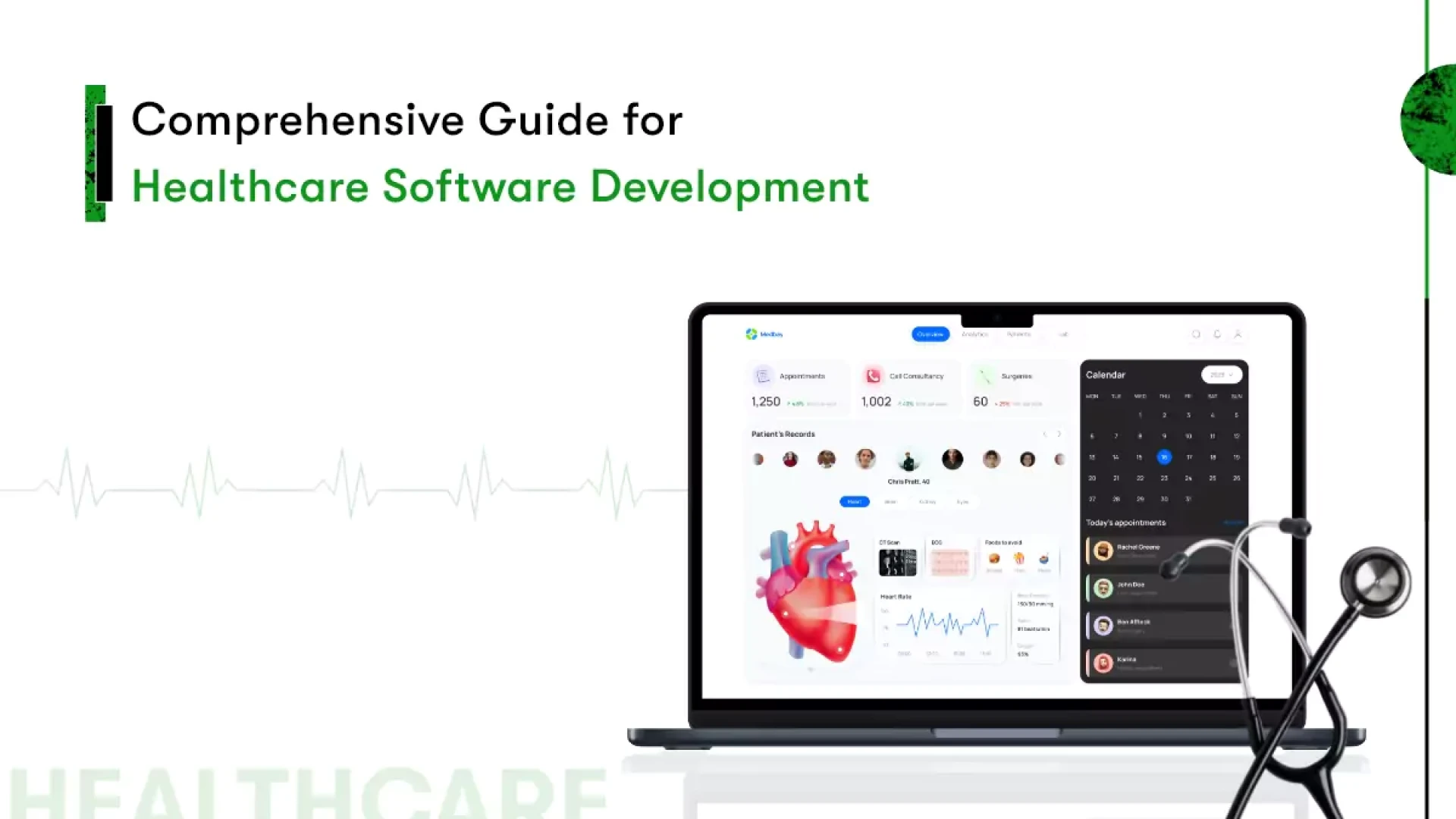

In today's rapidly evolving healthcare industry, technology has become an essential tool for improving patient care, streamlining processes, and increasing efficiency. Healthcare software development plays a crucial role in this transformation, allowing healthcare providers to deliver better services and improve patient outcomes. In this blog, we will delve into the world of healthcare software development and explore its various aspects.
What is Healthcare Software Development?
Healthcare software development is the process of creating custom software solutions for the healthcare industry. It involves designing, developing, implementing, and maintaining software applications that cater to the specific needs of healthcare providers. These applications can range from electronic health records (EHRs) to patient scheduling systems, medical billing software, and more.
The Need for Healthcare Software Development
The healthcare industry is facing several challenges, such as a growing aging population, increasing healthcare costs, and the need for better and more efficient care. Healthcare software development addresses these challenges by providing solutions that automate processes, reduce manual errors, and provide real-time access to critical healthcare data. These solutions not only improve the quality of care but also increase productivity and save costs.
Types of Healthcare Software Development
Some common types of healthcare software development include electronic health records (EHRs), medical billing software, telemedicine applications, pharmacy management software, and more. Let's take a closer look at each of these types and their benefits.
1. Electronic Health Records (EHRs)
EHRs are digital versions of a patient's medical history, including diagnoses, allergies, medications, and treatment plans. They allow healthcare providers to access a patient's medical information quickly and securely. With EHRs, healthcare professionals can make more informed decisions, track patients' progress, and improve communication with other healthcare providers.
2. Medical Billing Software
The healthcare billing process can be complex and time-consuming, resulting in delayed payments and inaccuracies. Medical billing software simplifies this process by automating tasks such as claims processing, coding, and billing. This leads to faster reimbursement, reduced errors, and improved cash flow for healthcare providers.
3. Telemedicine Applications
Telemedicine, or the use of technology to provide remote healthcare services, has gained significant traction in recent years. Telemedicine applications enable patients to seek medical advice and treatment remotely, eliminating the need for physical visits to a healthcare facility. They provide a convenient and cost-effective way to connect patients with healthcare providers, especially in rural areas where access to healthcare services may be limited.
4. Pharmacy Management Software
Pharmacy management software helps with tasks such as inventory management, prescription processing, and patient information management. It supports accurate and efficient medication dispensing processes, reducing the risk of medication errors and improving patient safety.
Benefits of Healthcare Software Development
The benefits of healthcare software development are plentiful, including improved patient outcomes, increased productivity, better management of healthcare data, and reduced costs. Let's take a closer look at some of these benefits:
1. Improved Patient Outcomes
By providing healthcare providers with tools that simplify processes, reduce errors, and improve data accessibility, healthcare software development enables them to focus on their patients effectively. This leads to improved patient outcomes, better quality of care, and increased patient satisfaction.
2. Increased Productivity
Healthcare providers can streamline tasks, such as scheduling appointments, coding, and billing, with the help of healthcare software solutions. This allows them to focus on more critical tasks, increasing productivity and allowing them to see more patients.
3. Better Management of Healthcare Data
Healthcare software solutions offer real-time access to critical patient information, allowing healthcare providers to make informed decisions quickly. This leads to better management of healthcare data, increased efficiency, and improved communication between healthcare professionals.
4. Reduced Costs
By automating processes, reducing manual errors, and improving productivity, healthcare software solutions help healthcare providers save costs in the long run. They also minimize the need for physical visits, leading to reduced overhead costs for both patients and providers.
Conclusion:
As the healthcare industry continues to evolve, the need for innovative software solutions will only increase. Healthcare software development plays a critical role in addressing the challenges faced by healthcare providers, improving patient care, and increasing efficiency. By investing in healthcare software solutions, healthcare providers can stay up-to-date with the latest technological developments and provide high-quality care while keeping costs in check.
In today's rapidly evolving healthcare industry, technology has become an essential tool for improving patient care, streamlining processes, and increasing efficiency. Healthcare software development plays a crucial role in this transformation, allowing healthcare providers to deliver better services and improve patient outcomes. In this blog, we will delve into the world of healthcare software development and explore its various aspects.























Sign in to leave a comment.