

When managing a fleet or operating a commercial truck, one of the most significant expenses is tire replacement. Tires are a critical part of a truck’s performance, fuel efficiency, and safety. While new tires often seem like the obvious choice, many operators and fleet managers are discovering the benefits of opting for Used Commercial Truck Tires. This choice offers a cost-effective solution without necessarily sacrificing quality, safety, or performance—if approached correctly.
In this guide, we’ll explore why used commercial tires have become a viable option, what to consider before purchasing, and how to get the best value from them.
Why Consider Used Commercial Truck Tires?
1. Cost Savings Without Excessive Compromise
The most apparent reason for considering used tires is cost. New commercial truck tires can be expensive, particularly when multiplied across multiple vehicles in a fleet. Quality used tires can offer significant savings—sometimes up to 50% or more—while still meeting industry standards for safety and performance.
2. Sustainability and Reduced Environmental Impact
Reusing tires reduces the demand for new rubber production, which involves substantial energy, water, and raw material usage. By extending the lifespan of a tire, trucking companies contribute to reduced landfill waste and overall carbon footprint. This makes used tires an eco-friendly choice that aligns with sustainable transportation practices.
3. Availability of High-Quality Options
Many used tires on the market come from trucks that were decommissioned early, vehicles involved in accidents, or fleets that replace tires prematurely as part of a strict maintenance program. This means the used tire market often includes products with minimal wear and plenty of usable tread life.
How to Evaluate Quality Before Purchase
Choosing used tires requires more diligence than buying new ones. A thorough inspection process helps ensure you’re not trading short-term savings for long-term problems.
1. Check Tread Depth
Tread depth is the primary indicator of remaining tire life. For commercial truck tires, a tread depth of at least 6/32 inches on steering axles and 4/32 inches on other axles is generally considered the minimum safe limit. A tire gauge can help you quickly measure this.
2. Inspect for Uneven Wear
Uneven wear can indicate underlying problems like poor alignment, overloading, or incorrect inflation. Avoid tires with bald spots, scalloping, or extreme side wear, as they may lead to reduced performance and increased risk of blowouts.
3. Look for Damage or Repairs
Examine sidewalls and tread areas for cuts, cracks, bulges, or patches. While minor repairs done by professionals are acceptable, multiple or poorly executed patches can compromise tire safety.
4. Verify Age of the Tire
Tires degrade over time, even if they appear in good condition. Check the DOT code stamped on the sidewall, which shows the manufacturing week and year. As a general rule, commercial tires older than six to seven years should be avoided.
Matching Tires to Your Needs
Not all commercial trucks operate in the same conditions. Selecting the right used tire involves considering the truck’s typical routes, load types, and climate conditions.
1. Highway vs. Off-Road Usage
If your trucks mostly operate on highways, look for tires with low rolling resistance for better fuel efficiency. For trucks frequently traveling on unpaved or mixed surfaces, prioritize durability and thicker tread patterns.
2. Seasonal Considerations
In colder regions, consider tires designed for better traction in snow or ice. Even when buying used, it’s possible to find seasonal-specific tires that still have substantial life left.
3. Load Ratings
Always ensure the used tire’s load capacity matches your vehicle’s requirements. Overloading tires can lead to excessive heat buildup, reduced lifespan, and potential accidents.
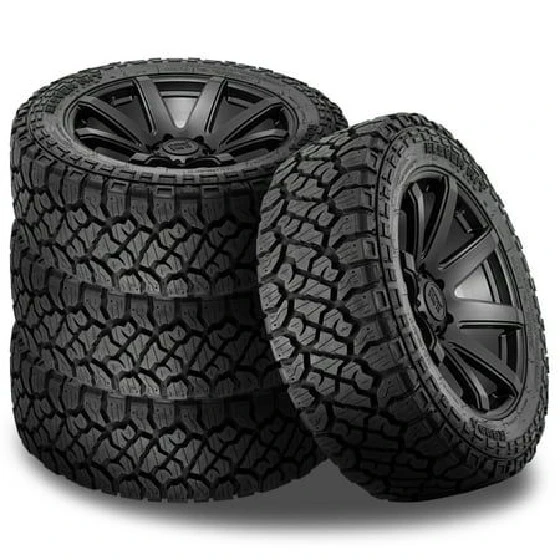
The Role of Tire Retreading
Retreading is a process where a worn tire’s casing is reused, and a new tread is applied. Many commercial trucking operations incorporate retreaded tires as a cost-saving strategy.
- Benefits of Retreading: Cost-effective, environmentally friendly, and reliable when done by certified professionals.
- Drawbacks: Not all used tires are suitable for retreading, and improper retreading can result in performance issues.
When purchasing used tires, you can also look for casings in good condition to retread later, maximizing long-term value.
Maintenance Practices to Extend Tire Life
Buying quality used tires is only the first step; proper maintenance ensures you get the most from your investment.
1. Regular Inspections
Check for signs of wear, underinflation, or damage during routine vehicle checks. Identifying and addressing issues early prevents major failures.
2. Correct Inflation Pressure
Tires with improper inflation wear out faster and affect fuel efficiency. Use calibrated pressure gauges and follow the manufacturer’s recommended PSI for your specific load.
3. Proper Wheel Alignment and Balancing
Misalignment causes uneven wear, reducing tire lifespan. Schedule regular alignment checks and balance tires during installation to ensure even performance.
4. Rotation Schedules
Rotating tires periodically allows them to wear evenly, extending their life and improving ride quality.
Myths and Misconceptions About Used Tires
1. “Used Tires Are Always Unsafe”
While it’s true that not all used tires meet safety standards, many pass stringent inspections and are perfectly safe for continued use. The key is careful selection and purchasing from reputable sources.
2. “They Don’t Last Long”
The lifespan of a used tire depends on its initial condition and how it’s maintained. Many commercial operators report getting thousands of reliable miles from high-quality used tires.
3. “They Can’t Handle Heavy Loads”
As long as the used tire meets the manufacturer’s load rating, it can perform just as well under heavy loads as a new tire.
Where to Source Reliable Used Commercial Truck Tires
1. Specialized Tire Dealers
Some dealers focus specifically on used commercial tires and conduct professional inspections before resale.
2. Fleet Liquidations
Large fleet operators often sell tires in bulk when replacing them under scheduled maintenance programs, even if they have significant tread remaining.
3. Auctions and Online Platforms
Government auctions, industrial equipment sales, and online marketplaces can be good sources, but extra caution is necessary to verify quality.
Cost vs. Value Considerations
When comparing new and used tires, remember that the lowest upfront price doesn’t always equal the best value. Factor in the tire’s remaining tread life, condition, and potential retreadability. Sometimes paying slightly more for a tire with better casing and tread depth results in greater mileage and lower long-term costs.
Legal and Compliance Aspects
In many regions, commercial vehicles must meet specific safety standards for tire tread depth, age, and condition. Before purchasing, ensure the tires comply with your local transportation regulations. Non-compliance can result in fines, vehicle downtime, and safety risks.
Choosing Used Commercial Truck Tires can be a smart financial decision for both independent truck owners and large fleet managers. With careful selection, proper maintenance, and awareness of your operational needs, used tires can deliver excellent performance, cost savings, and environmental benefits. This approach not only stretches your budget but also promotes sustainable practices in the trucking industry, as emphasized by KOSAN AUTO .CO. LTD.





























Sign in to leave a comment.