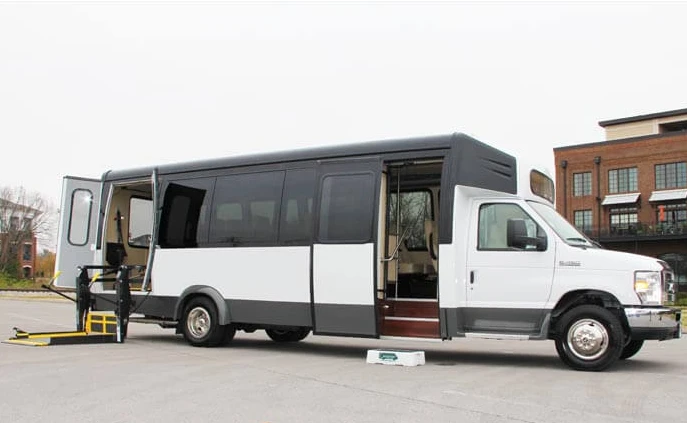
When searching for a wheelchair shuttle bus for sale, people often focus on mileage, seat capacity, or appearance. While those things matter, safety should always come first—especially when the bus is used for paratransit services. A wheelchair-accessible bus needs to offer a secure and smooth experience not just for passengers with mobility challenges, but for the driver and support staff too. From reliable lifts to strong tie-downs, several key features make a real difference in safety.
Lift and Ramp Reliability
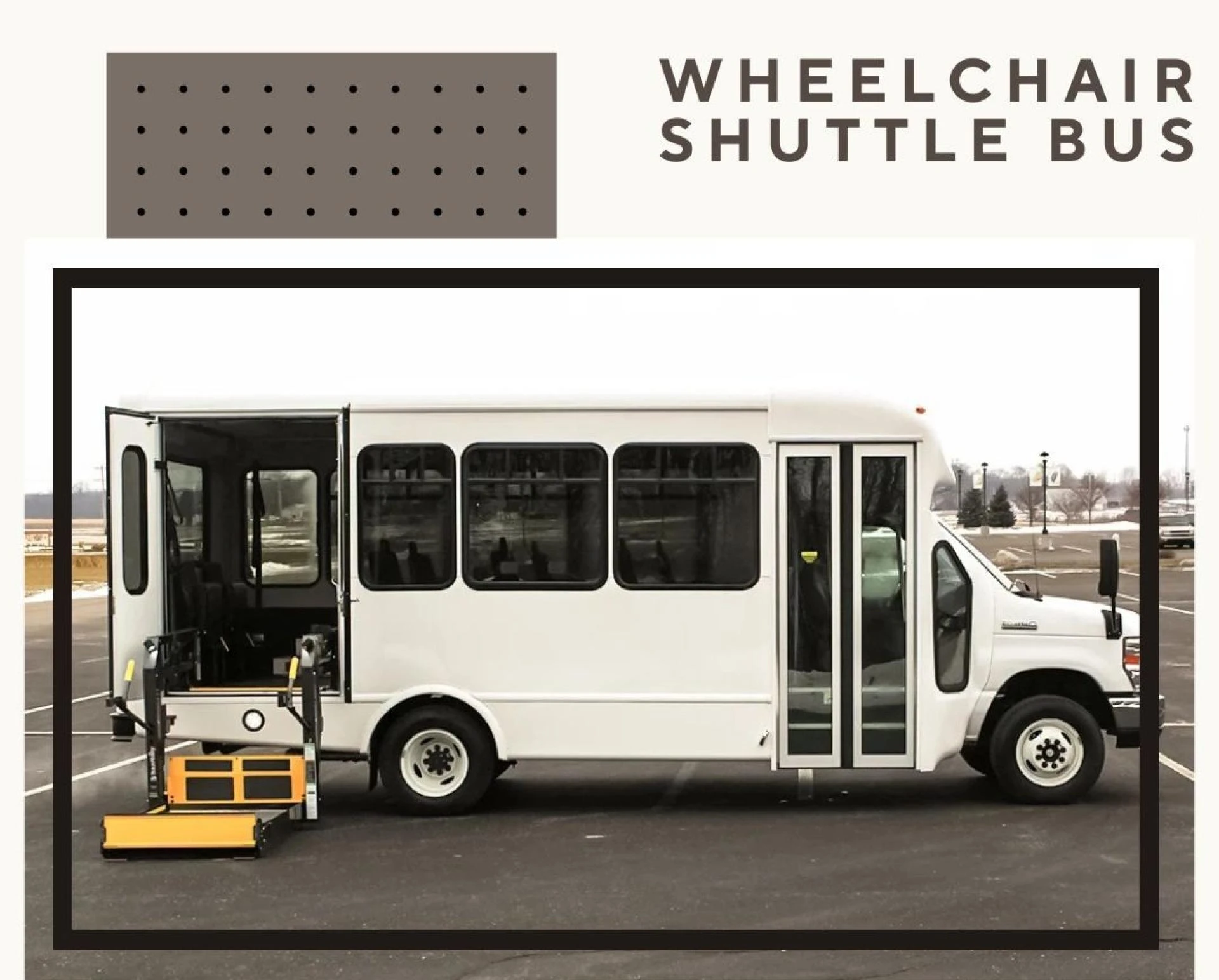
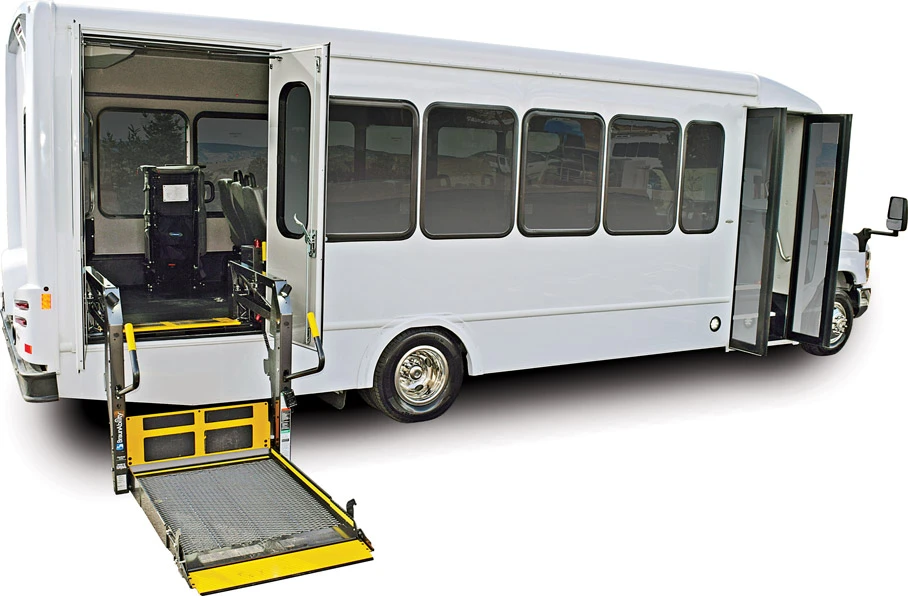
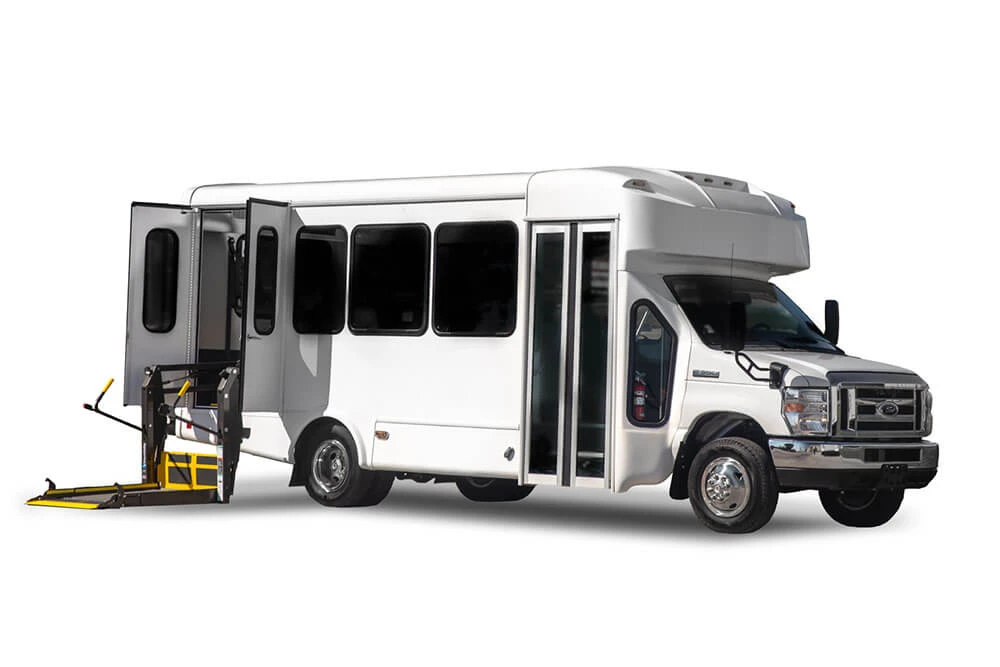
The lift or ramp is the heart of accessibility in any wheelchair shuttle bus. It should be easy to operate, safe to stand on, and sturdy enough for repeated daily use. When lifts are shaky or hard to control, they can cause stress or even injury. It's important to check that the surface of the lift isn’t slippery, especially in rainy weather. A good ramp also has handrails that offer support during boarding. Some lifts even have backup power sources in case the main system fails. If the lift or ramp doesn’t feel safe or smooth, it could put both riders and staff at risk.
Tie-Down Systems for Wheelchairs
Inside the shuttle, safety doesn’t stop at just getting on board. A secure tie-down system helps keep wheelchairs locked in place during the ride. These systems are built to keep passengers safe during turns or quick stops. It’s important that tie-downs are easy to use and placed correctly in the bus.
Modern tie-downs are automatic and spring-loaded, offering both convenience and reliability. Make sure there are enough tie-downs for the number of wheelchair users, with four tie-downs required per wheelchair. In addition to seat belts, shoulder harnesses should be provided for passengers who remain in their wheelchairs during transit.
Poorly installed or worn-out tie-downs could cause injury if a wheelchair shifts during the trip.
Emergency Exits and Easy Access
Emergency exits are another must-have safety feature. Every wheelchair shuttle bus used for paratransit services should have clear exit signs, doors that open easily, and no obstacles blocking the path. Emergency windows and roof hatches should be tested regularly to make sure they open without force. In stressful situations, passengers need to get out quickly and safely. It also helps when the exit paths are wide enough for wheelchairs to pass through without trouble. A rear door can be very useful in many applications and is even required in some states. Rear windows also provide added visibility and improve overall safety.
Lighting and Visibility
Many paratransit trips happen in the early morning or at night, so good lighting is very important. The interior of the bus should be well-lit to help riders move around without tripping or bumping into things. Exterior lighting is just as important, especially near entry and exit points. Brake lights, turn signals, and headlamps should all work properly and be checked often. Lighting may seem like a small detail, but poor visibility can lead to accidents, both inside and outside the bus.
Smart Features for Drivers
Modern wheelchair shuttle buses come with extra tools to support driver safety. Rear-view cameras are a great option to add if the bus is not already equipped with them.
Instead of an door open alarm, most buses are equipped with a backup warning alarm to alert nearby pedestrians and drivers when the vehicle is reversing. These features help drivers stay focused and aware of everything around them. Even small upgrades like improved speed control can help keep the ride smooth and safe for everyone on board.
Before buying a wheelchair shuttle bus, safety checks should never be skipped. In fact, many great deals on used small buses for sale already come with built-in safety features. Just take time to inspect them carefully, and you’ll be one step closer to giving your riders a safer journey.



























Sign in to leave a comment.