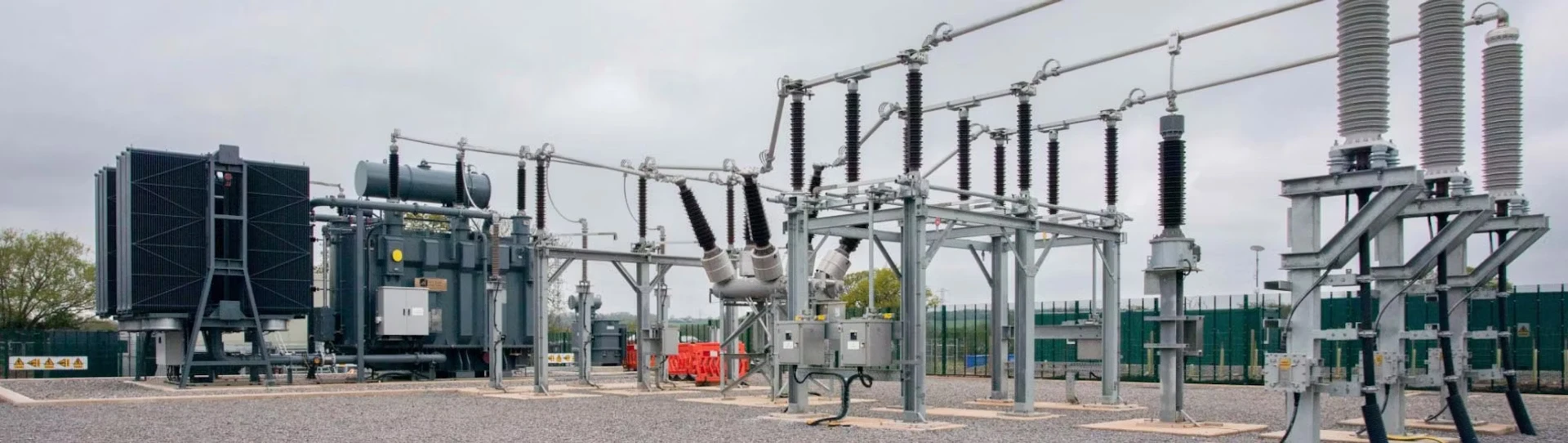

In modern electrical power systems, high voltage transformers are indispensable for ensuring efficient energy transmission over vast distances. From utility grids to industrial complexes, these transformers play a critical role in stepping up and stepping down voltages to suit various applications.
But what exactly are high voltage transformers, and why are they so important in today's infrastructure?
What Are High Voltage Transformers?
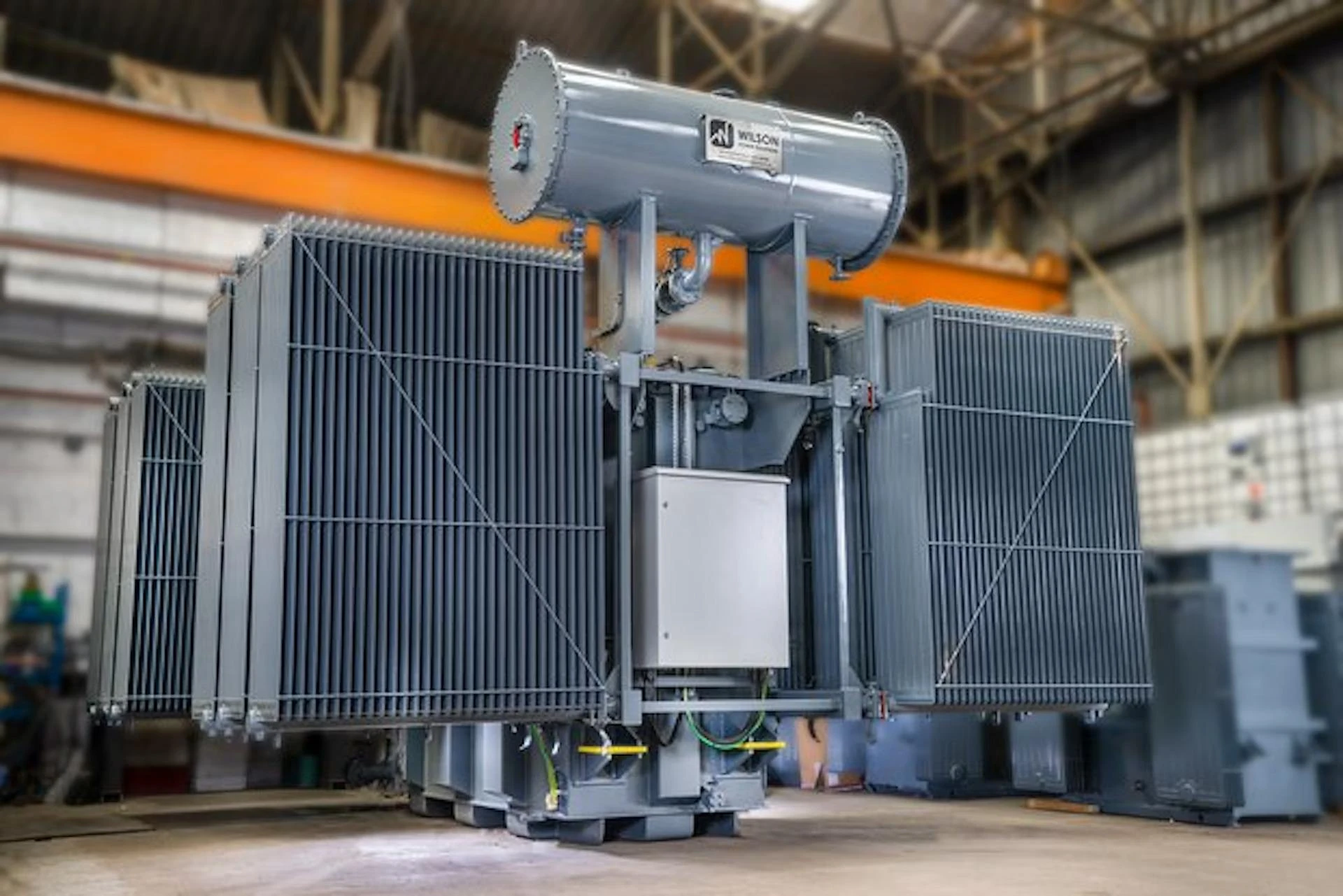
High voltage transformers are electrical devices designed to operate at voltage levels above 35kV. Their primary function is to either increase (step-up) or decrease (step-down) voltage in power transmission systems. These transformers are essential for reducing energy losses when transmitting power across long distances from power generation stations to end-users.
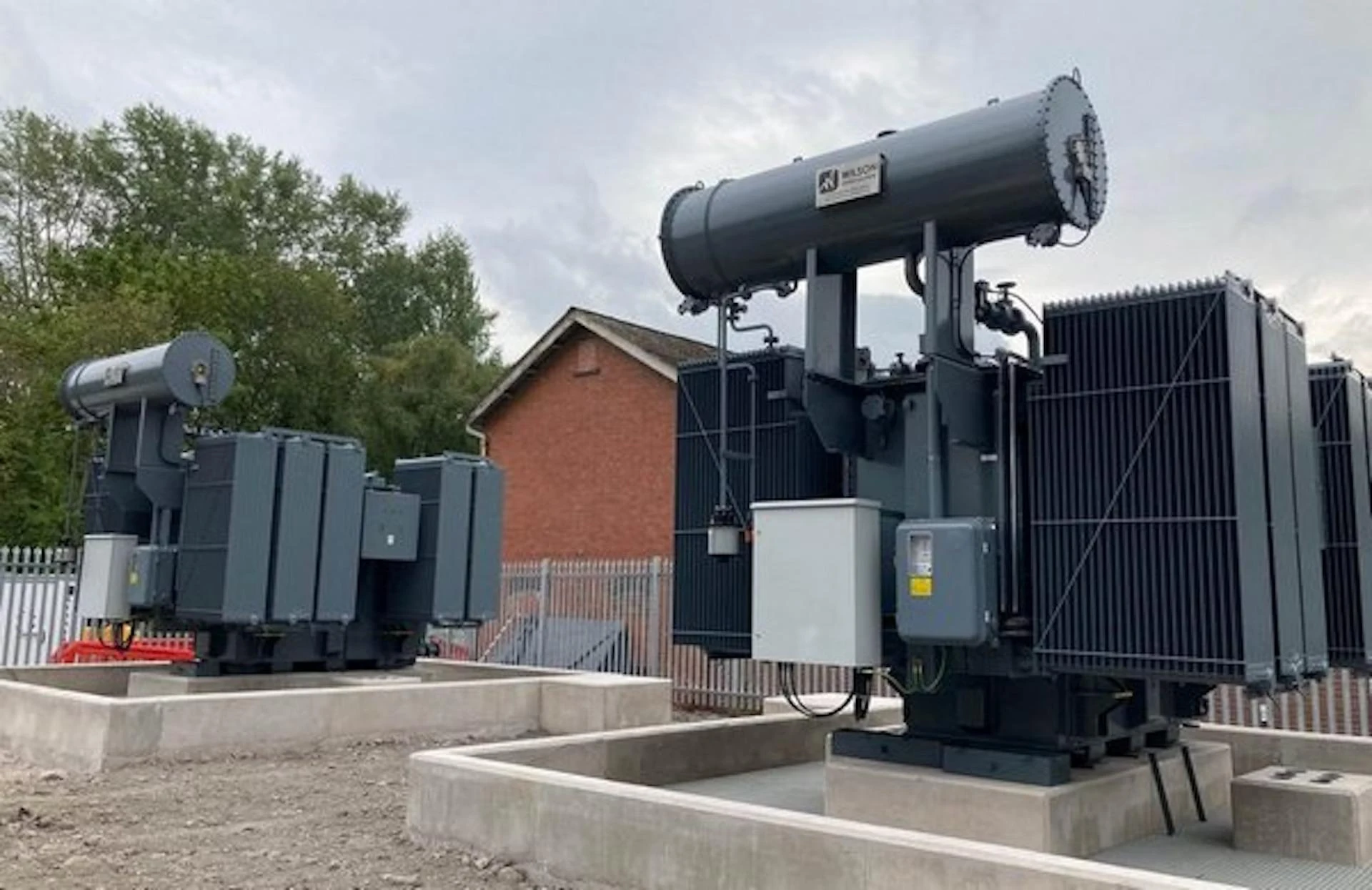
Their construction includes high-grade insulation materials, robust cores, and specialized cooling systems to handle high electrical stress and ensure safe operation.
How Do High Voltage Transformers Work?
The basic working principle of any transformer is electromagnetic induction. Here's how it applies to high voltage units:
- Step-Up Transformers: Located near power generation plants, they increase voltage levels to reduce current and minimize transmission losses.
- Step-Down Transformers: Found at substations closer to consumers, these lower the voltage to usable levels for industrial, commercial, or residential purposes.
The primary and secondary windings, made of copper or aluminum, are wound around a magnetic core, with voltage ratios depending on the number of turns in each winding.
Why High Voltage Is Needed
Transmitting electricity at high voltage has several advantages:
- Reduced Power Losses: Lower current at higher voltages leads to less heat loss in transmission lines.
- Thinner Conductors: With less current, smaller wires can be used, reducing infrastructure costs.
- Greater Efficiency: High voltage transmission enables the transfer of electricity over hundreds of kilometers without significant energy dissipation.
Hence, high voltage transformers are crucial for making large-scale power distribution economically viable.
Types of High Voltage Transformers
Depending on the use case and voltage levels, high voltage transformers come in various forms:
- Power Transformers: Typically used in transmission networks for high voltage applications (above 100kV).
- Distribution Transformers: Used to step down voltage for local distribution; high voltage versions are used at the edges of the grid.
- Instrument Transformers: Includes potential transformers (PT) and current transformers (CT) used for measurement and protection in high voltage circuits.
- Auto-Transformers: A single winding acts as both primary and secondary; used in voltage regulation with compact designs.
- Gas-Insulated Transformers (GITs): Used where space is limited; filled with SF₆ gas for insulation.
Key Features and Components
High voltage transformers are engineered with features that enable safe, long-lasting performance:
- High Dielectric Insulation: Usually mineral oil, silicone oil, or gas for electrical insulation and heat dissipation.
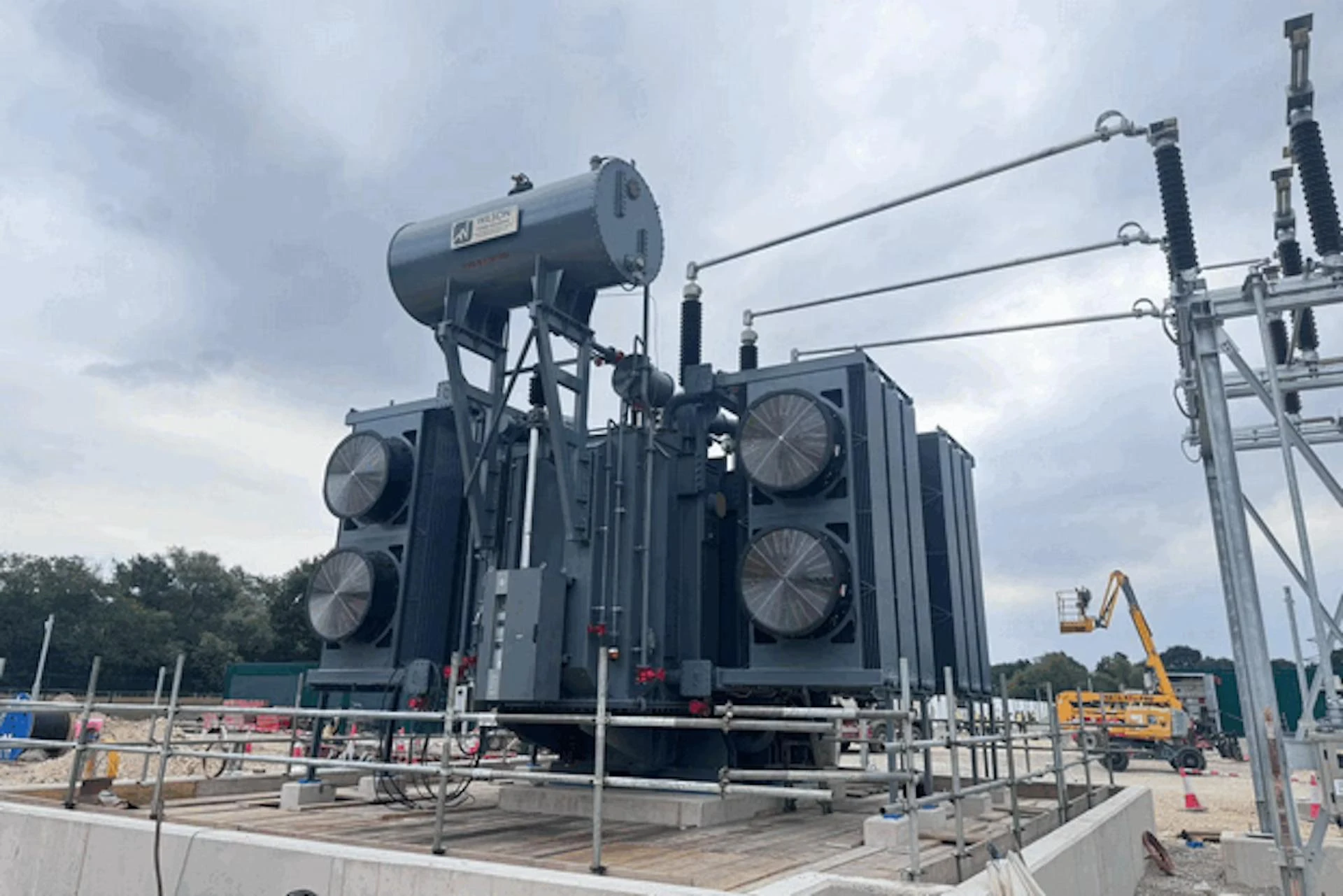
- Advanced Cooling Systems: Includes ONAN, ONAF, and forced-air cooling systems to manage temperature rise.
- Robust Core Materials: Typically made of CRGO steel for minimal core losses.
- Tap Changers: Allow for adjustment of output voltage without interrupting the power supply.
Applications of High Voltage Transformers
These transformers are used wherever electricity needs to be transmitted over long distances or between grids of varying voltage levels. Common sectors include:
- Power Generation Stations
- Electrical Substations
- Industrial Facilities
- High-Speed Rail Systems
- Renewable Energy Farms (Wind & Solar)
- HVDC Transmission Lines
Their presence is crucial in integrating renewable sources into national grids, especially in remote areas.
Maintenance and Safety Considerations
Due to their operation at high voltages, these transformers require regular maintenance to avoid catastrophic failures:
- Oil Testing: Checking for moisture and breakdown voltage.
- Bushing Inspections: Ensuring no cracks or leaks in insulation.
- Thermal Imaging: Used to identify hotspots and overloads.
- Partial Discharge Monitoring: To detect insulation breakdown before failure occurs.
Safety protocols, grounding, lightning arresters, and surge protection devices are also essential to protect both equipment and personnel.
Future of High Voltage Transformers
As global electricity demand grows and grids become smarter, high voltage transformers are evolving. Innovations like:
- Digital Monitoring Systems
- Eco-Friendly Insulating Materials
- Compact Modular Designs
- Integration with AI for Predictive Maintenance
are setting new standards for transformer performance and grid reliability.
Conclusion
High voltage transformers are the unsung heroes of the global power infrastructure. Without them, the reliable transmission of electricity across cities, regions, and even countries would not be possible. Their role in energy efficiency, safety, and modern grid stability makes them a cornerstone of both current and future electrical systems.
Whether you’re working in energy, infrastructure, or industrial development, understanding the function and significance of high voltage transformers is essential in navigating the world of modern power systems.


























Sign in to leave a comment.