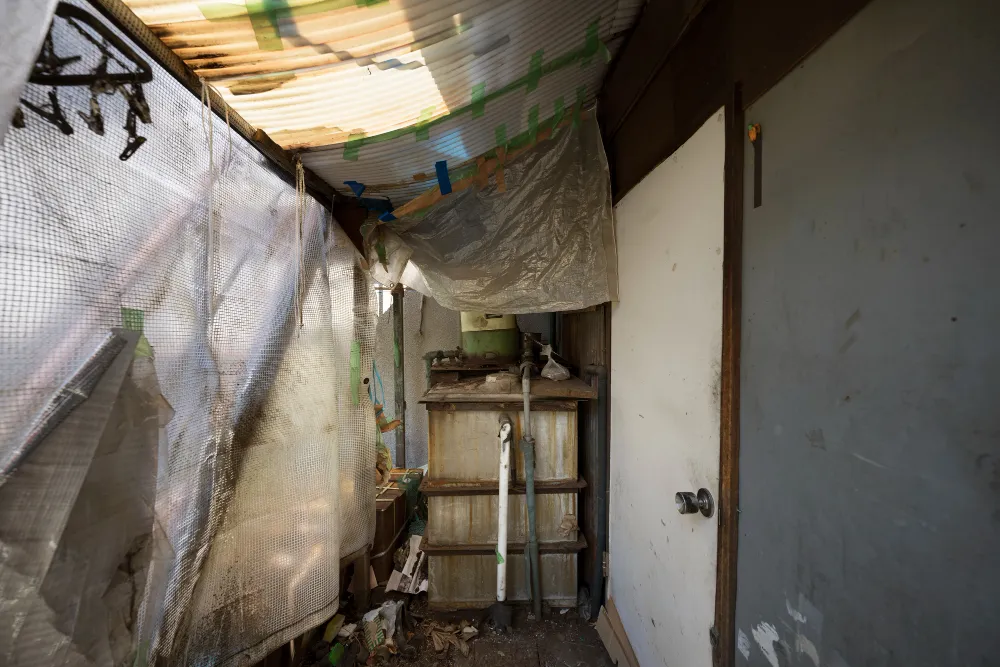

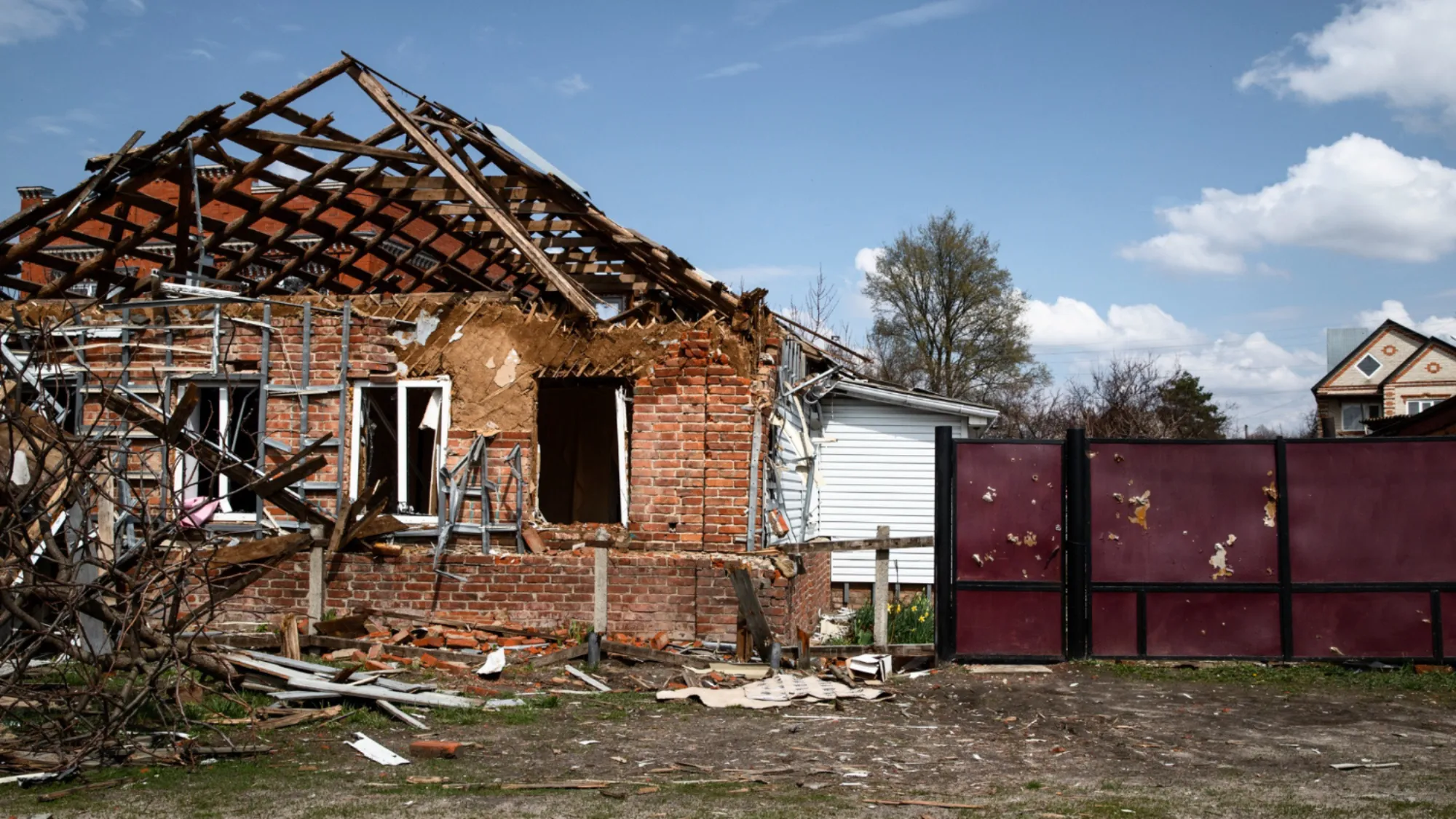
Home renovation after a disaster is rarely something homeowners plan for, and most people have no idea where to start once the smoke clears or when the storm is over and the damaging winds and waters have receded.
I've sat with families in this exact spot more times than I can count. The house is still standing, technically, but nothing about it feels livable.
That gap between "the emergency is over" and "my home feels normal again" is where renovation actually happens, and it's a longer process than most people expect going in.
This isn't about picking out new countertops. It's about rebuilding safely, working through insurance, and making the right decisions, not just on an emergency basis but those that will stand the test of time as you look forward to “life after the disaster”.
Home Renovation After a Disaster Starts With an Honest Assessment
Before any renovation work begins, someone needs to figure out exactly what's damaged and what isn't.
This sounds obvious, but it's the step people rush past most often. A homeowner sees a stained ceiling and assumes it's cosmetic. Sometimes it is, but sometimes there's a soaked joist behind it that's been sitting there for two weeks.
A proper assessment usually includes:
- Moisture readings throughout affected walls, floors, and ceilings
- A structural check to confirm the framing is sound
- Documentation and photos for the insurance claim
- An honest conversation about what can be repaired versus what needs full replacement
- A written scope of work agreed upon by all parties before anyone picks up a hammer.
Skipping these critical steps is how homeowners end up renovating twice. The first round covers what's visible, but the second round, usually more expensive, deals with whatever was missed the first time around.
Renovations and Repairs That Come Up Most Often After Disaster
Every disaster is different, but the list of common renovations after fire, water, or storm damage tends to repeat itself.
I've seen the same categories show up again and again, regardless of the neighborhood or the type of home. Typical renovations and repairs include:
- Drywall and plaster replacement in affected rooms
- New flooring where water or fire damage made the original unsalvageable
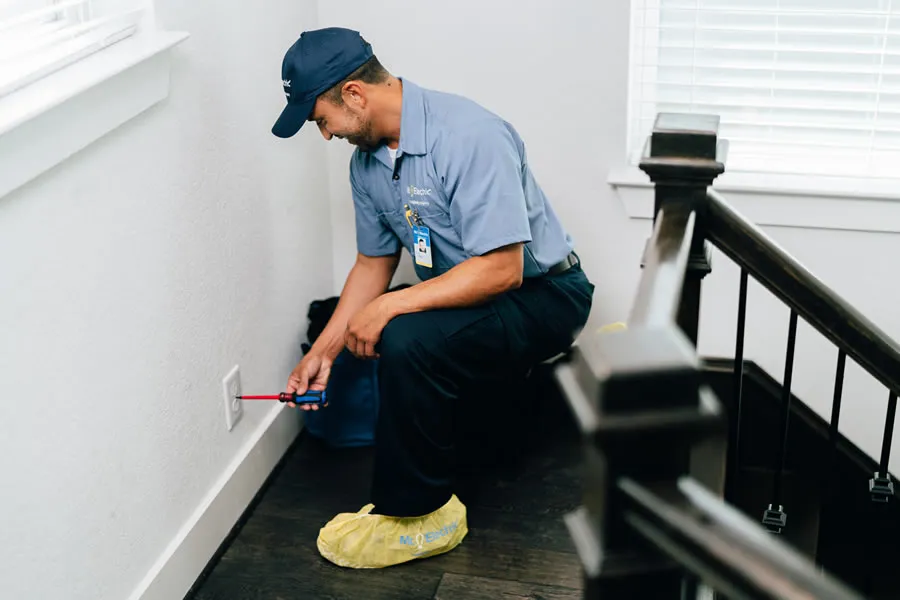
- Plumbing, electrical and HVAC replacement or repairs, especially after fire damage or significant water exposure.
- Roofing repairs or full replacement after storm damage.
- Kitchen and bathroom rebuilds when those rooms took the brunt of the damage
- Fresh paint and finishing work once the structural repairs are complete
A small silver lining is that after suffering a disaster, the restoration process can provide an opportunity to make changes or upgrades to your home that may have been on your radar.
An outdated electrical panel, revising the floor plan that never quite flowed the way you wanted it to, flooring you were planning to replace eventually anyway, etc…
Homeowners who think this way tend to end up happier with the result than those who just replace everything exactly as it was.
Working With Insurance During Home Renovations After a Disaster
The renovation itself is rarely the hardest part; the insurance claim usually is.
Adjusters look at damage differently than contractors do, and the two don't always agree on scope or cost.
This is where having someone on your side who understands both sides of that conversation makes a real difference. A few things that help keep a claim moving:
- Detailed documentation from day one, not reconstructed later from memory
- A contractor who can speak directly with your adjuster
- Clear, itemized estimates rather than rough verbal quotes
- Patience, because claims involving structural damage rarely move quickly
If your contractor has former insurance industry staff on hand, that tends to shorten the back and forth considerably.
They already know what adjusters are looking for, which usually means fewer denied items and a faster path to approval.
How Long Does Home Renovation After Disaster Actually Take
This depends entirely on the severity, and anyone who gives you an exact number without seeing the damage first is guessing.
A single damaged room might be fully renovated in two to three weeks. A house that needs structural rebuilding after a major fire or flood could easily take three to six months.
Weather, permitting, and material availability all factor in too. Ask for a written timeline early, and expect it to include some buffer.
Disasters rarely stick to a tidy schedule, and neither does the recovery from one.
Bottom Line
Home renovation after a disaster is a process, not a single event, and rushing through it usually costs more in the long run than doing it right the first time.
Start with an assessment, work through the insurance claim carefully, and treat renovations and repairs as an opportunity to leave your home better than it was before the damage happened.
If you're facing this right now, don't wait for small problems to turn into bigger ones.
Complete Contractor Services has guided homeowners through home renovation after disaster since 1988, handling everything from emergency response to full renovations and repairs and insurance claims assistance, all under one roof.
Disclaimer: The information in this blog is for informational purposes only and is written by a content writer. It is not a substitute for professional advice or on-site inspection. For expert guidance specific to your property, please contact Complete Contractor Services.



























Sign in to leave a comment.