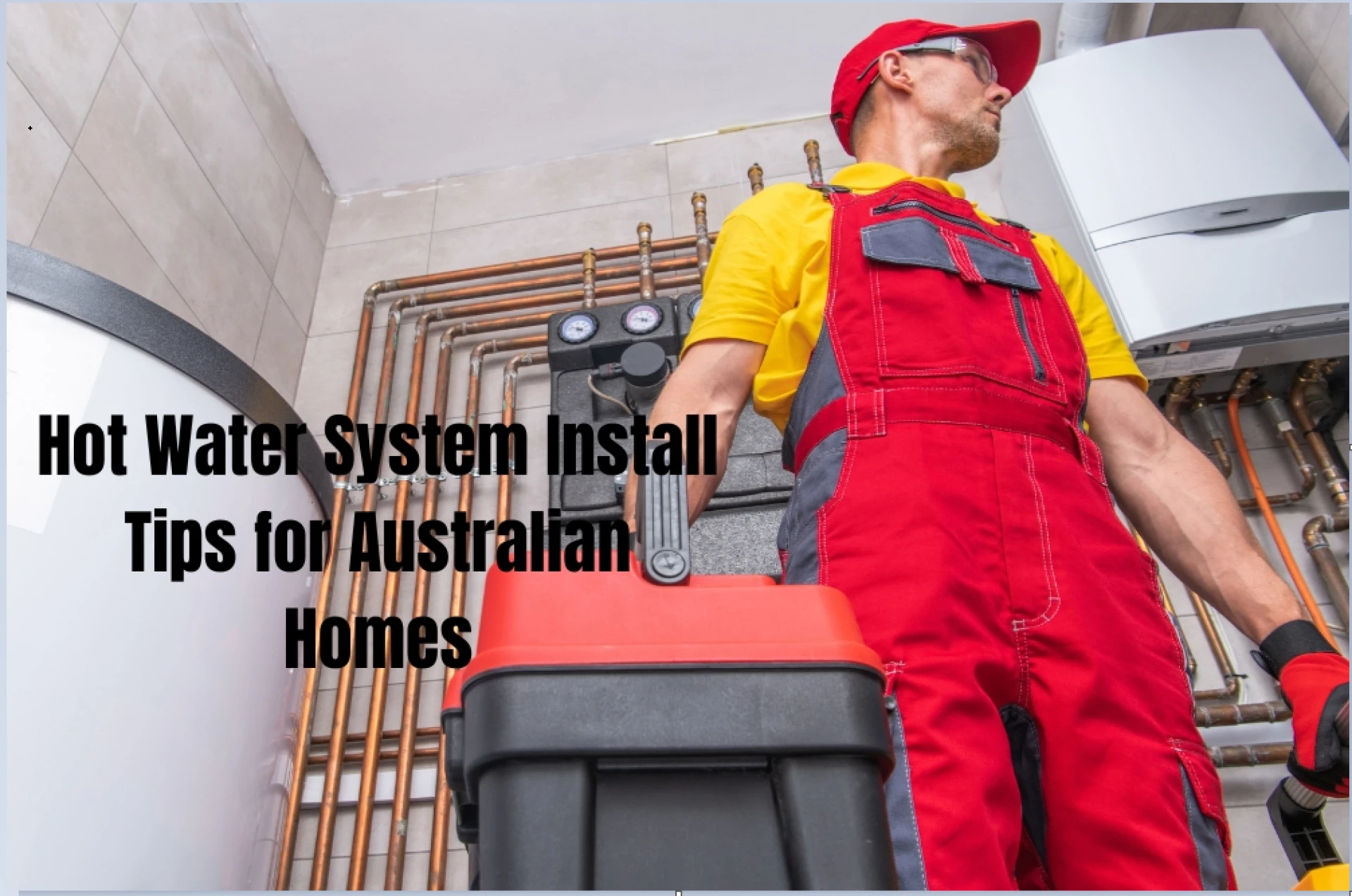

If you’ve ever had your hot water give out in the middle of winter, you know the panic. A few years back, ours died quietly overnight. We woke up to a freezing house and a tank that refused to heat. Two buckets and a kettle later, I was Googling options and wondering why we hadn’t replaced it sooner.
Whether you’re upgrading or installing from scratch, planning a hot water installation is more than just picking a unit. It’s about making the right choice for your home, usage habits, and energy bills. Here’s a down-to-earth guide for Aussie households who want to get it right, minus the overwhelm.
Figure out what kind of system you need
Let’s start with the basics. Not every home needs the same type of hot water system, and what works for your mate in the suburbs might not suit your coastal rental or family home.
Here are the four most common types used in Australia:
- Electric systems – Cheaper upfront, but not always energy-efficient long-term
- Gas systems – Better for high-usage households; faster recovery rates
- Solar systems – More sustainable, but higher initial cost and roof space needed
- Heat pumps – Run on air and electricity; best in warmer climates
In our case, we switched from electric to gas after realising our two-teenager household was burning through electricity. Our plumber did a quick usage analysis and confirmed we’d save over time.
Still unsure what to get? Check out this internal article on how to choose the right hot water system — it walks through each option clearly.
Don’t just look at the sticker price
Here’s the trap I nearly fell into: buying based on price alone.
It’s easy to get caught up in “bargain” systems or accept the cheapest quote without thinking long-term. But you’ve got to factor in:
- Energy efficiency: More stars = lower running costs
- Capacity: Undersized tanks = cold showers and frustration
- Available power source: Installing electricity when you’ve already got gas is wasteful
- Household water usage: Bigger households need quicker recovery or continuous flow
Another thing to keep in mind — some states offer rebates for certain systems. If you’re considering solar, you might qualify for the solar water heater rebate offered in Victoria and other parts of the country. Details here
Choose a plumber who’s licensed
I’ll say this bluntly: not every “plumber” advertising online is qualified for water heater installs.
Here’s what you need to check before booking anyone:
- Are they licensed and insured?
- Do they have experience with your specific system?
- Can they provide a compliance certificate after the installation?
- Will they dispose of the old unit for you?
Our guy was brilliant. He double-checked our water pressure, gave us a quote that included installation and disposal, and handled all the rebate paperwork. Having someone who doesn’t cut corners saves you more than money — it saves stress.
Understand what happens on installation day
The install day is fairly straightforward, but knowing the steps helps avoid surprises.
Most hot water system installs involve:
- Initial check – They’ll inspect your current setup, pipes, and access
- Old system removal – Done safely, with drainage and disconnecting power/gas
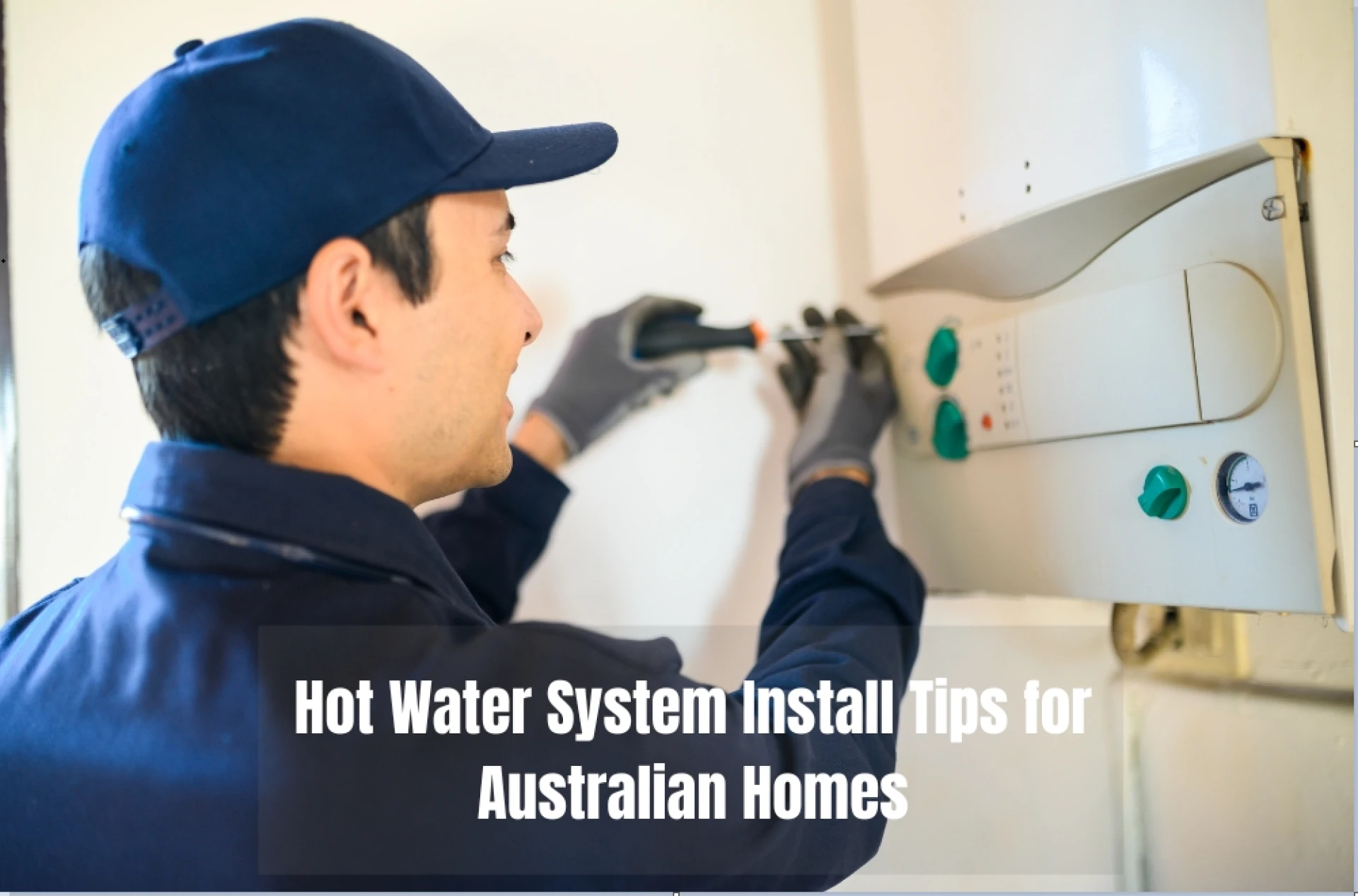
- New system installation – Including plumbing, mounting, and connection
- Testing – To ensure correct water temperature, pressure, and safety
- Paperwork + cleanup – You should be left with nothing but a working system and a compliance certificate
For us, the whole thing took about three hours. We made sure there was easy driveway access and cleared a path to the laundry cupboard — small stuff, but it made a difference.
Don’t install it yourself (even if you reckon you could)
Unless you're a licensed plumber or electrician, don’t even think about installing a system on your own.
Aside from being illegal, it’s dangerous. I’ve seen a neighbour attempt a DIY install using YouTube tutorials. A week later, they had a burst pipe, no hot water, and a fine from the council.
You can do small things like:
- Reading the manual
- Monitoring pressure relief valves
- Cleaning around the unit
- Flushing the tank annually (only if your model recommends it)
But anything involving power, gas, or mains water supply needs a professional. No exceptions.
Pitfalls to avoid during installation
Some mistakes might seem small, but they’ll cost you later. Here are the big ones I’ve seen (or nearly made):
- Wrong size unit – Too small = constant frustration. Too big = wasted money.
- Poor placement – Squeezing it into a bad spot can increase noise and limit airflow.
- Ignoring access needs – Installers need room to work and future serviceability.
- Skipping permits or certificates – Major headache when selling or renting out later
One of the best comparison articles I read when we were stuck between system types was on electric vs gas hot water comparison — it laid it out in plain English and helped me talk through options with the installer
What to do after it’s installed
Once the system is in, most people forget about it — until something goes wrong again.
Instead, here’s what I’d recommend:
- Note the install date and serial number for warranty claims
- Ask the plumber how often it should be serviced
- Schedule an annual check-up for older systems or those with high usage
- Test your TPR valve every 6 months (your plumber can show you how)
We’ve had our current system for nearly four years. A simple valve replacement last year cost $80, caught during a regular service. If we’d ignored it, the whole tank might’ve needed replacing.
Final word: install once, install right
No one dreams about water heaters. But when it breaks, you realise how much you rely on it.
If you’re planning a hot water system install, don’t rush the process. Think through your usage, weigh your options, ask questions, and choose a tradie who cares.
It’s one of those things you only want to do once, and if you do it properly, you won’t have to think about it again for a good decade or more.































Sign in to leave a comment.