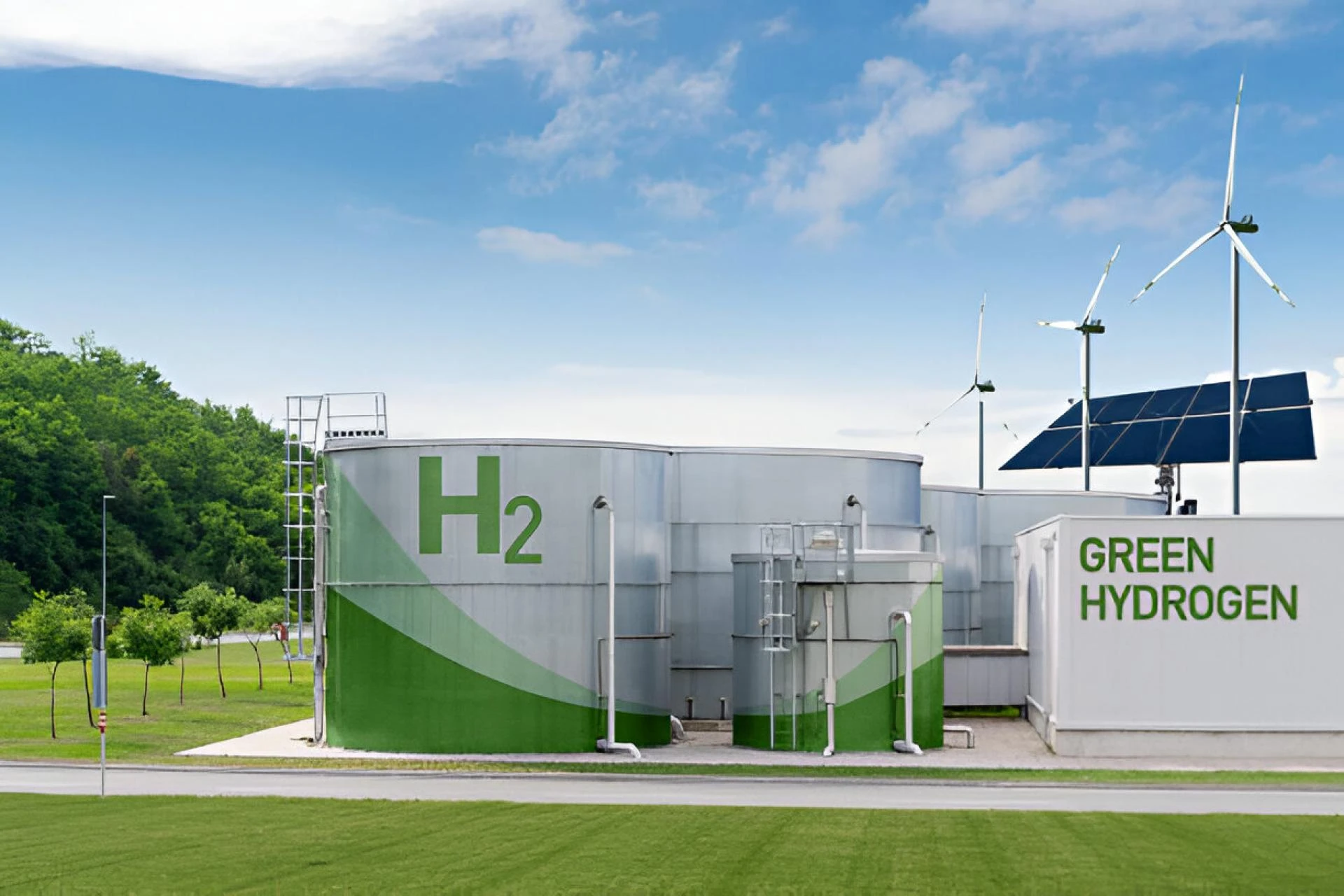

India often talks about energy independence and net zero targets. Solar and wind are growing fast, but they won’t replace fossil fuels in heavy transport, steel, or fertilizer. This is where green hydrogen production comes in. A Green Energy Company in India can lead this shift if it treats hydrogen as a core strategy.
Hydrogen isn’t new. Industries have used it for decades. What’s changing is how it’s made. Grey hydrogen from natural gas is cheap but polluting. Green hydrogen from renewable power is clean but costly. The gap is large, but new energy technologies rarely start cheap. Wind turbines in the 1990s were inefficient and expensive. Today wind is among the lowest-cost sources of electricity. Hydrogen may follow the same path.
India’s unique position
India is not Europe. We don’t have much oil or gas, but we have abundant solar and strong wind corridors. That means the potential for very low-cost renewable power. Cheap power is the main driver for affordable hydrogen.
A Green Energy Company in India already building solar or wind farms has an edge. It understands land, permits, and grid connections. Electrolyzers are new, but the development model is the same—long-term infrastructure projects.
India should not copy European hydrogen models. Local industries work differently. Steel mills in Odisha, fertilizer plants in Gujarat, and trucking corridors have their own needs. A smart company will design projects to fit these realities. Smaller electrolyzers near factories may work better than massive centralized plants. Hydrogen that runs only when solar output peaks may be more practical than round-the-clock operation.
The elephant in the room: cost
Green hydrogen today is two to three times more expensive than grey hydrogen. That is the main obstacle. But costs can fall quickly with scale and innovation. Lithium-ion batteries are the proof. Prices fell more than 80 percent in a decade because of manufacturing improvements and demand growth.
Electrolyzers are at the start of the same journey. Indian companies should not depend on imports. Investing in domestic R&D and manufacturing is critical. With solar panels, India relied heavily on China and lost ground. Hydrogen equipment should not repeat that mistake.
Demand in India is real. Fertilizer, steel, and transport are all large consumers of fossil fuels. If companies develop green hydrogen solutions that work here, they can also export products like green ammonia. That could be a competitive advantage.
Risks and blind spots
Hydrogen is not a silver bullet. It should not delay coal phaseouts or efficiency improvements. It is one tool, not the only one.
Water demand is another issue. Electrolysis needs pure water. In dry regions, that means desalination or recycling, which adds cost. Hydrogen storage and transport also carry risks. Energy losses during conversion are high. These challenges are serious but not deal-breakers.
What leadership looks like
Leadership is more than pilot projects. It means real investment and partnerships with industry. Green hydrogen must be tied to steel, fertilizer, and transport supply chains. Early projects may not be profitable, but they build knowledge.
Policy support is also critical. The National Green Hydrogen Mission is a start. Companies should engage with government to shape realistic rules on subsidies, blending, storage, and transport. If industry stays passive, policies may not match the Indian market.
Hydrogen must become part of core business, not a side project. Solar and wind only grew after developers treated them as serious investments. Hydrogen will need the same commitment.
Final thought
Green hydrogen is costly and complex, but so was every clean energy technology at the beginning. A Green Energy Company in India that invests now will gain knowledge and market position. The payoff may come a decade later, but it will come.
Energy history shows that progress belongs to firms willing to take risks. Green hydrogen is one of those risks. India has the resources and the demand to make it work.






















Sign in to leave a comment.