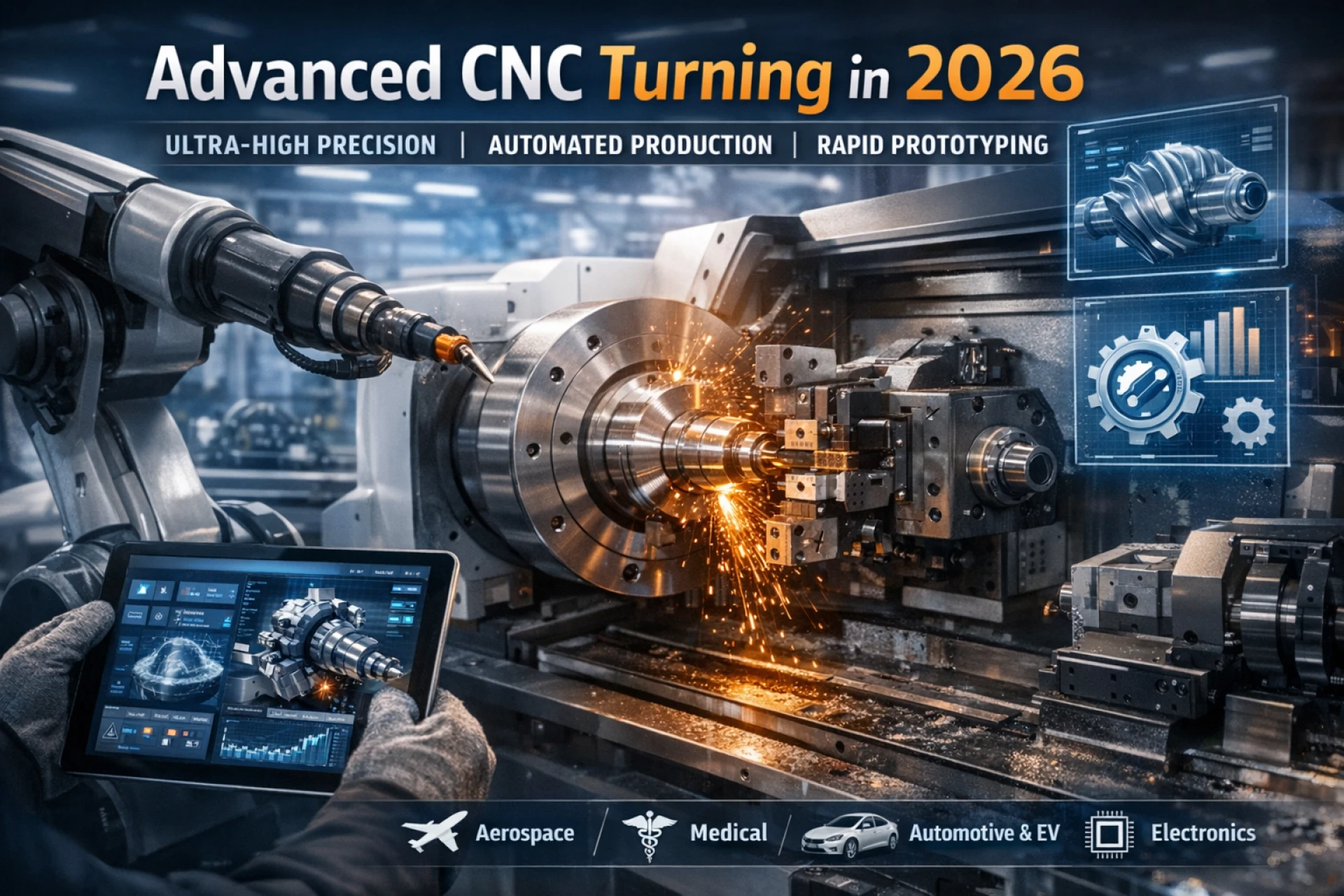

Precision manufacturing has entered a new era in 2026. Industries that once relied on manual machining or basic CNC processes are now demanding tighter tolerances, faster production cycles, and consistent quality across high-volume and custom orders. At the center of this shift is the evolution of CNC turning services, which have become more intelligent, more automated, and far more adaptable than ever before.
Manufacturers today are no longer competing only on price—they are competing on accuracy, repeatability, and speed to market. From aerospace and medical devices to automotive and electronics, advanced turning technology is enabling manufacturers to meet complex design requirements while maintaining cost efficiency. What was once considered high-end machining has now become the new industry standard.
The Evolution of CNC Turning Technology
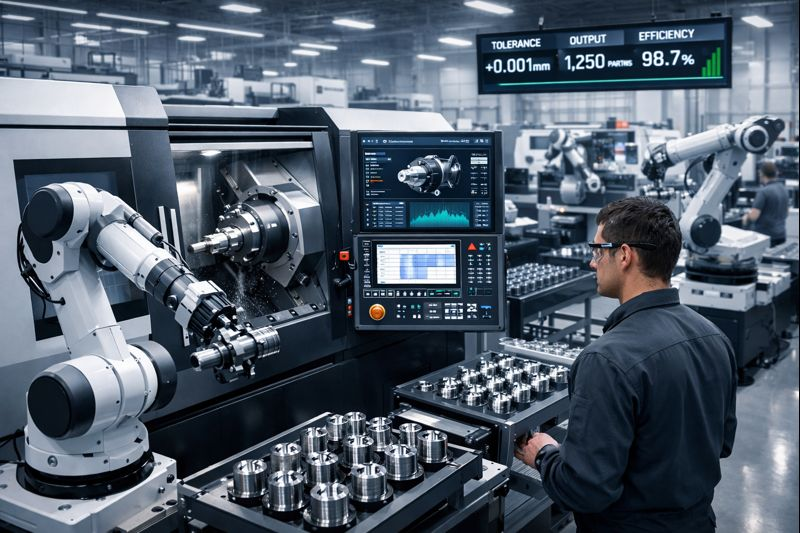
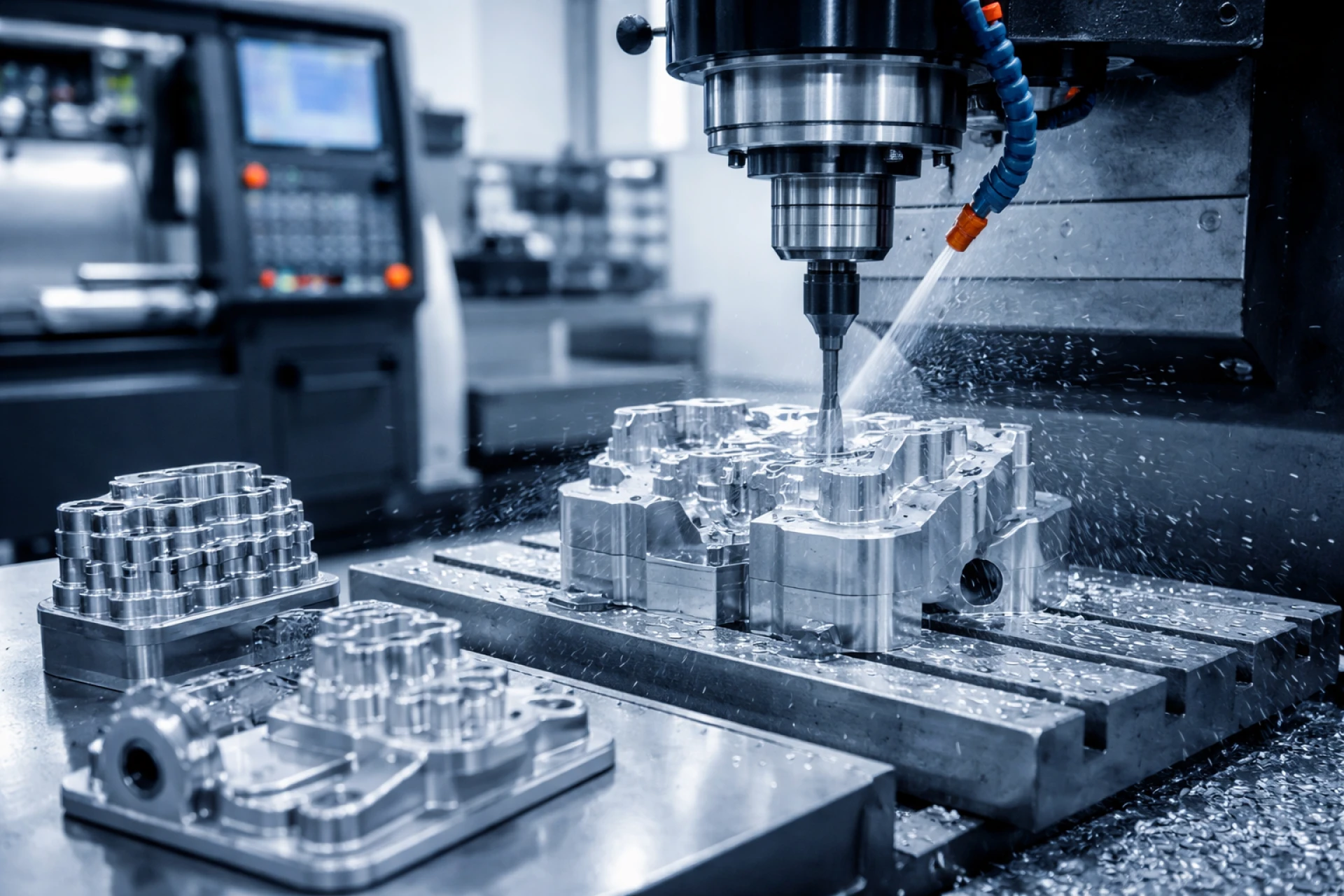
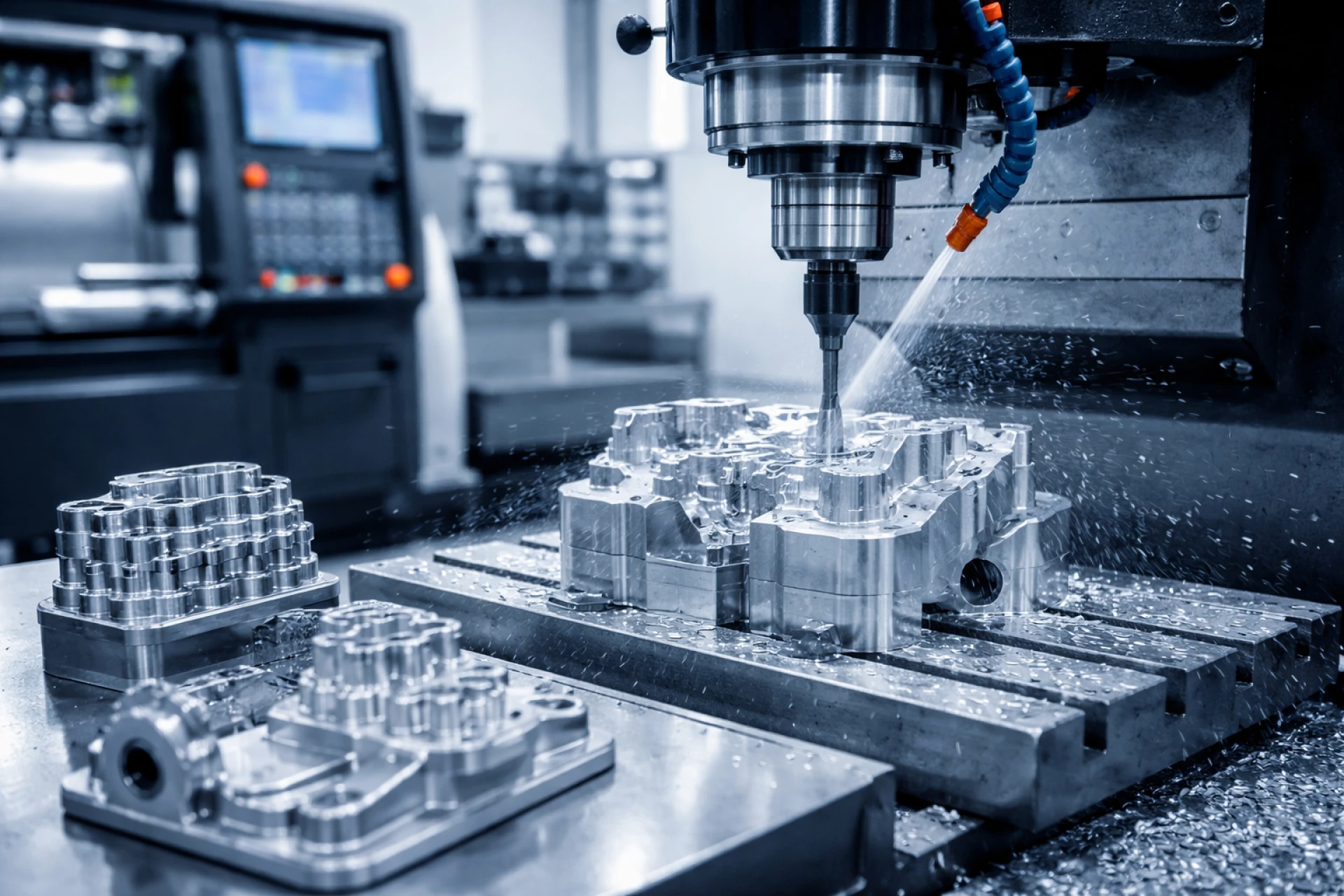
CNC turning has come a long way from basic lathe operations. In 2026, modern turning centers integrate multi-axis control, live tooling, and real-time monitoring systems that allow complex parts to be produced in a single setup. This eliminates multiple handling stages, reducing errors and production time.
Smart CNC machines now use adaptive control systems that automatically adjust cutting speeds and feeds based on material behavior. This results in better surface finishes, extended tool life, and consistent output—even during long production runs. Manufacturers can confidently deliver parts that meet micron-level tolerances without constant manual intervention.
Faster Product Development with Advanced Prototyping
One of the biggest advantages modern manufacturers enjoy today is the ability to move from concept to production at record speed. With integrated design-to-manufacturing workflows, CNC prototype service capabilities allow engineers to test designs quickly without sacrificing accuracy.
In our own review experience working with product developers, we’ve seen how rapid CNC prototyping reduces costly design revisions later in production. Instead of waiting weeks for functional samples, manufacturers can now evaluate real metal prototypes within days. This accelerates innovation while keeping development budgets under control.
Why Precision Matters More Than Ever in 2026
Modern products are more compact, lightweight, and performance-driven than ever before. This places enormous pressure on machining accuracy. Advanced CNC turning ensures dimensional consistency across thousands of components, which is critical in industries like aerospace, defense, and medical manufacturing.
Even small deviations can lead to assembly failures or performance issues. High-precision turning addresses this by maintaining uniformity across batches, ensuring that every part performs exactly as intended—no matter the production volume.
Automation and Smart Manufacturing Integration
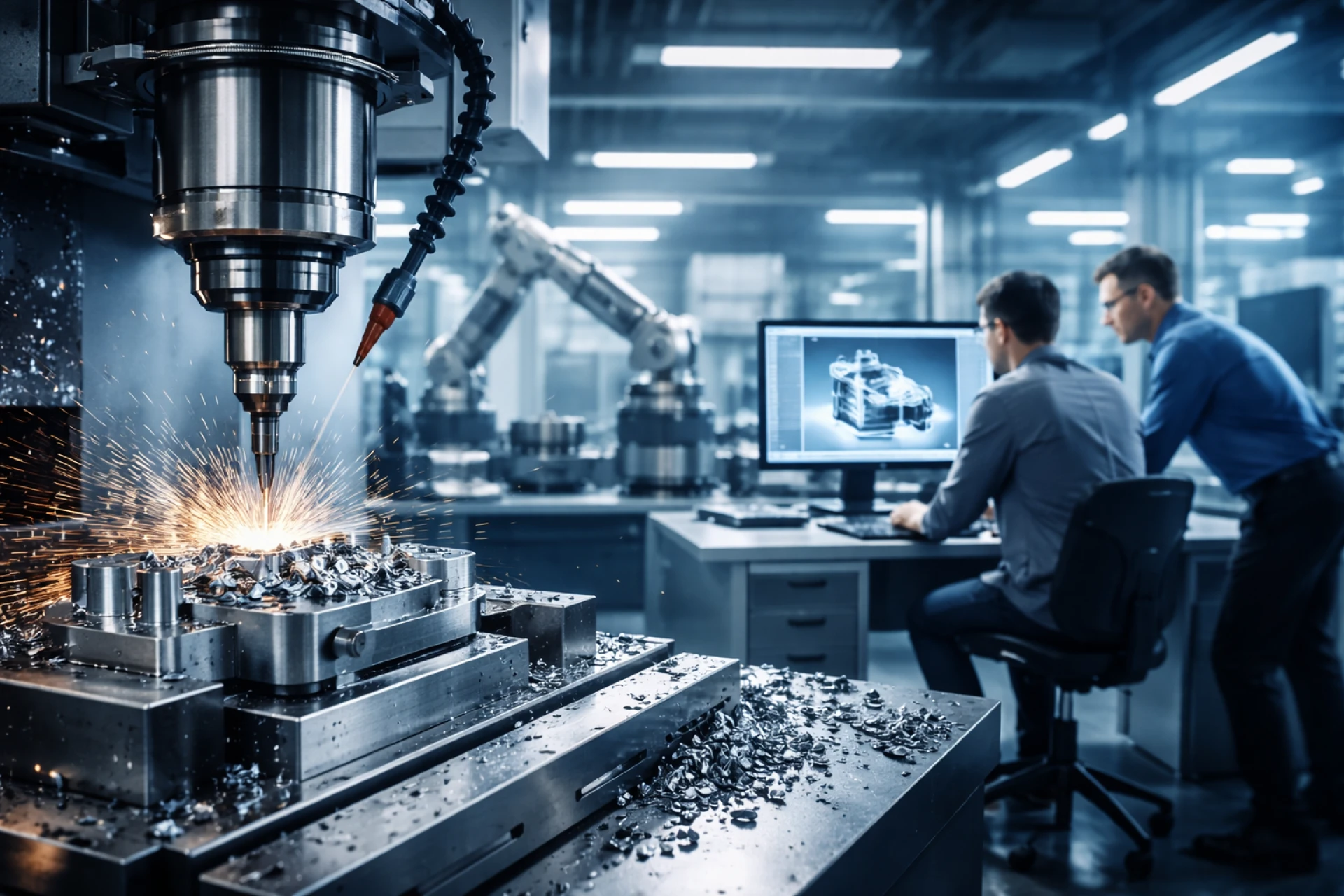
Automation has redefined CNC turning operations. Robotic part loading, automated inspection systems, and real-time quality monitoring have reduced human error and increased throughput significantly. Machines now communicate directly with manufacturing execution systems (MES), providing live production data and performance analytics.
This level of integration allows manufacturers to optimize workflows, reduce downtime, and predict maintenance needs before issues arise. The result is a more resilient and scalable production environment.
Supporting Customization Without Compromising Efficiency
Customization is no longer a niche requirement—it’s a market expectation. Advanced CNC turning makes it possible to produce custom CNC parts with the same efficiency as standardized components. Flexible programming and quick changeover capabilities allow manufacturers to handle low-volume custom orders without slowing down operations.
In one real-world scenario, a client required multiple design variations for industrial components within tight deadlines. Advanced turning systems allowed seamless switching between designs, maintaining precision while meeting delivery schedules. This balance of flexibility and efficiency is redefining modern manufacturing.
Comparison: Traditional Turning vs Advanced CNC Turning in 2026
| Feature | Traditional Turning | Advanced CNC Turning |
| Accuracy | Moderate | Ultra-high precision |
| Setup Time | Long | Minimal |
| Automation | Limited | Fully automated |
| Production Speed | Slower | High-speed machining |
| Scalability | Low | Highly scalable |
| Quality Consistency | Operator-dependent | Machine-controlled |
Industries Benefiting the Most from Advanced CNC Turning
Aerospace and Defense
High-strength alloys and complex geometries demand extreme precision and reliability.
Medical Manufacturing
Implants and surgical instruments require flawless finishes and tight tolerances.
Automotive and EV Sector
Lightweight components and rapid innovation cycles benefit from advanced turning efficiency.
Electronics and Industrial Equipment
Compact, high-performance parts rely on consistent dimensional accuracy.
Frequently Asked Questions
What makes advanced CNC turning different from standard CNC machining?
Advanced CNC turning uses multi-axis machines, automation, and smart controls to deliver higher accuracy, faster production, and better consistency.
Is CNC turning suitable for both small and large production runs?
Yes. Modern CNC turning systems handle prototypes, low-volume custom jobs, and high-volume production with equal efficiency.
How does CNC turning improve cost efficiency?
By reducing setup time, minimizing material waste, and improving tool life, advanced CNC turning lowers overall production costs.
Can CNC turning handle complex materials?
Absolutely. Advanced machines are designed to work with stainless steel, titanium, aluminum alloys, and high-performance composites.
Looking Ahead: Precision Manufacturing Without Limits
As we move further into 2026, advanced CNC turning is no longer just a machining option—it’s a strategic advantage. Manufacturers who invest in precision, automation, and flexibility are better positioned to meet evolving market demands and stricter quality standards. With faster turnaround times, consistent accuracy, and scalable production, CNC turning continues to redefine what’s possible in modern manufacturing.
If you’re ready to elevate your component quality and production efficiency, connect with Premium Parts Manufacturing Limited for precision-driven CNC solutions built for the future.


























Sign in to leave a comment.