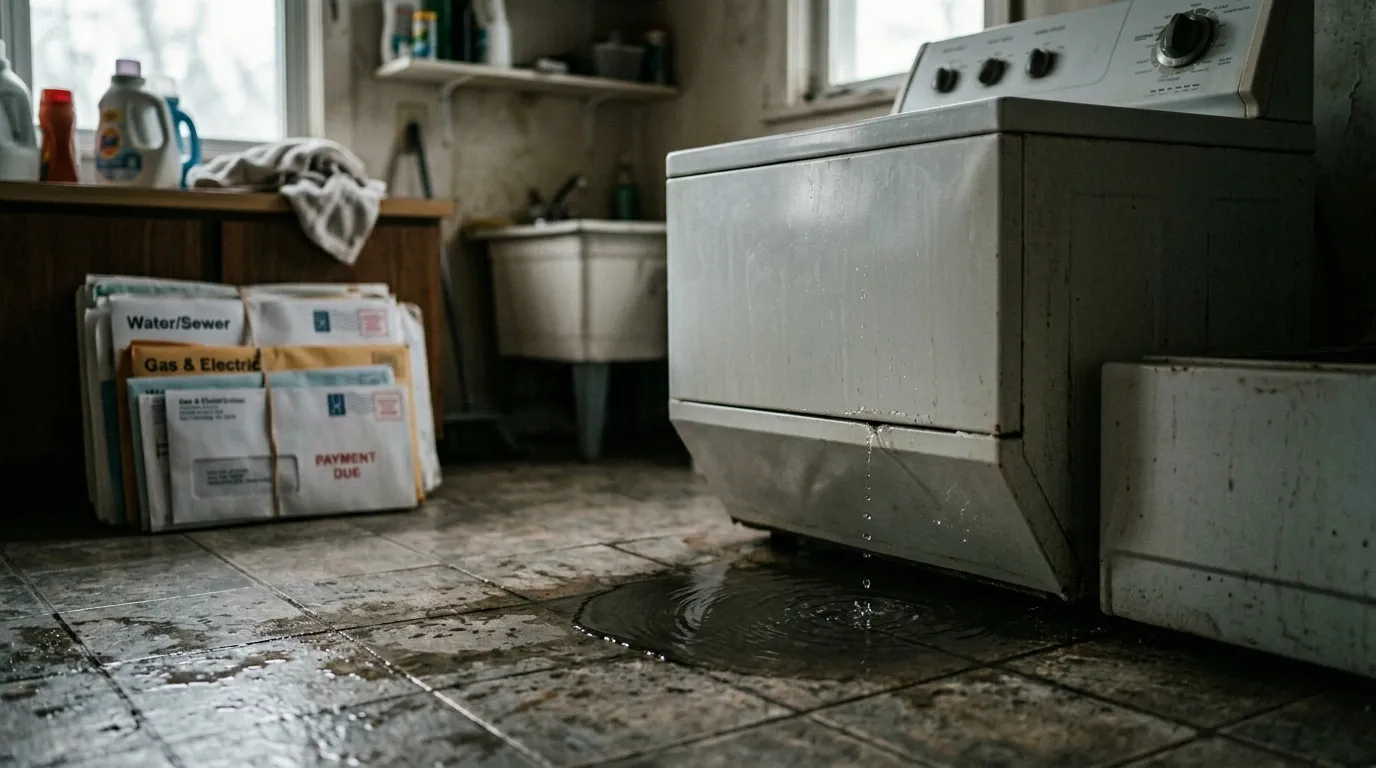

You may not notice it at first, but a small issue in your appliance can quietly increase your monthly bills without any obvious warning.
I have seen this happen more often than people expect. Everything seems to be working fine on the surface, yet energy and water usage slowly climb. Over time, these hidden inefficiencies turn into real costs. The truth is, your appliances play a bigger role in your utility bills than you might think.
Why small appliance issues lead to higher costs
Efficiency drops over time
Appliances are designed to work efficiently, but when parts start to wear out, they need more energy to do the same job.
For example, a refrigerator with dirty coils or a washing machine with internal buildup will consume more power without delivering better performance.
Problems often go unnoticed
Most issues develop gradually. Since the change is slow, it is easy to overlook until you see a noticeable spike in your bill.
As Benjamin Franklin once said, “Beware of little expenses. A small leak will sink a great ship.” That idea applies perfectly to appliance efficiency.
Common appliances that affect your utility usage
Refrigerators running constantly
A refrigerator that does not maintain proper temperature will run longer cycles. This increases electricity use without you realizing it.
Washing machines using excess water
Clogged filters or worn components can lead to inefficient water use, adding to both water and energy bills.
Dryers taking longer to finish
If your dryer is not working properly, it may take multiple cycles to dry clothes, using more electricity each time.
Signs your appliances are increasing your bills
Longer operation times
If your appliances take longer to complete basic tasks, it is often a sign of reduced efficiency.
Unusual sounds or heat
Strange noises or overheating can indicate internal issues that force the appliance to work harder.
Higher monthly bills without explanation
If your usage habits have not changed but your bills have increased, your appliances could be the reason.
How maintenance helps control costs
Regular cleaning improves performance
Simple maintenance like cleaning filters, vents, and coils can restore efficiency and reduce energy consumption.
Timely repairs prevent bigger issues
Ignoring small problems can lead to larger failures. Addressing issues early keeps your appliances running smoothly.
If you want to better understand how these problems impact your expenses, exploring <a href="https://dkappliancerepair.com/"><strong>Utility Impact</strong></a> can help you take the right steps toward efficiency.
Everyday habits that make a difference
There are small changes you can make that have a noticeable impact over time.
- Avoid overloading washing machines and dryers
- Use appropriate settings for each appliance
- Clean and inspect appliances regularly
- Do not ignore minor performance changes
These habits help maintain efficiency and reduce unnecessary energy use.
The role of energy awareness
Understanding consumption patterns
Being aware of how your appliances use energy helps you identify when something is off.
Learning from trusted resources
For guidance on energy efficiency and appliance usage, resources like https://www.energy.gov offer valuable insights into reducing household energy costs.
Why delaying repairs costs more
Small issues become expensive problems
A minor fault today can turn into a major repair tomorrow. The longer you wait, the more energy your appliance wastes.
Increased strain on components
When one part fails, other components have to work harder, which accelerates wear and increases energy use.
Final thoughts
Appliance problems do not always show up as immediate breakdowns. Sometimes, they quietly affect your utility bills over time.
When you pay attention to performance and take action early, you can avoid unnecessary costs and keep your home running efficiently.































Sign in to leave a comment.