

These days, people care a lot about the environment, so businesses are taking more steps to lower their impact on it. One area that is getting more attention is tire recycling, which is an often overlooked part of sustainability in the manufacturing industry. Tire recycling programs offer numerous benefits not only for the environment but also for businesses, particularly tire manufacturers looking to enhance their operations and corporate responsibility. We will dive into how businesses, especially tire manufacturers, can leverage recycling services for tire manufacturers to optimize their operations and build a positive brand image.
Understanding Tire Recycling
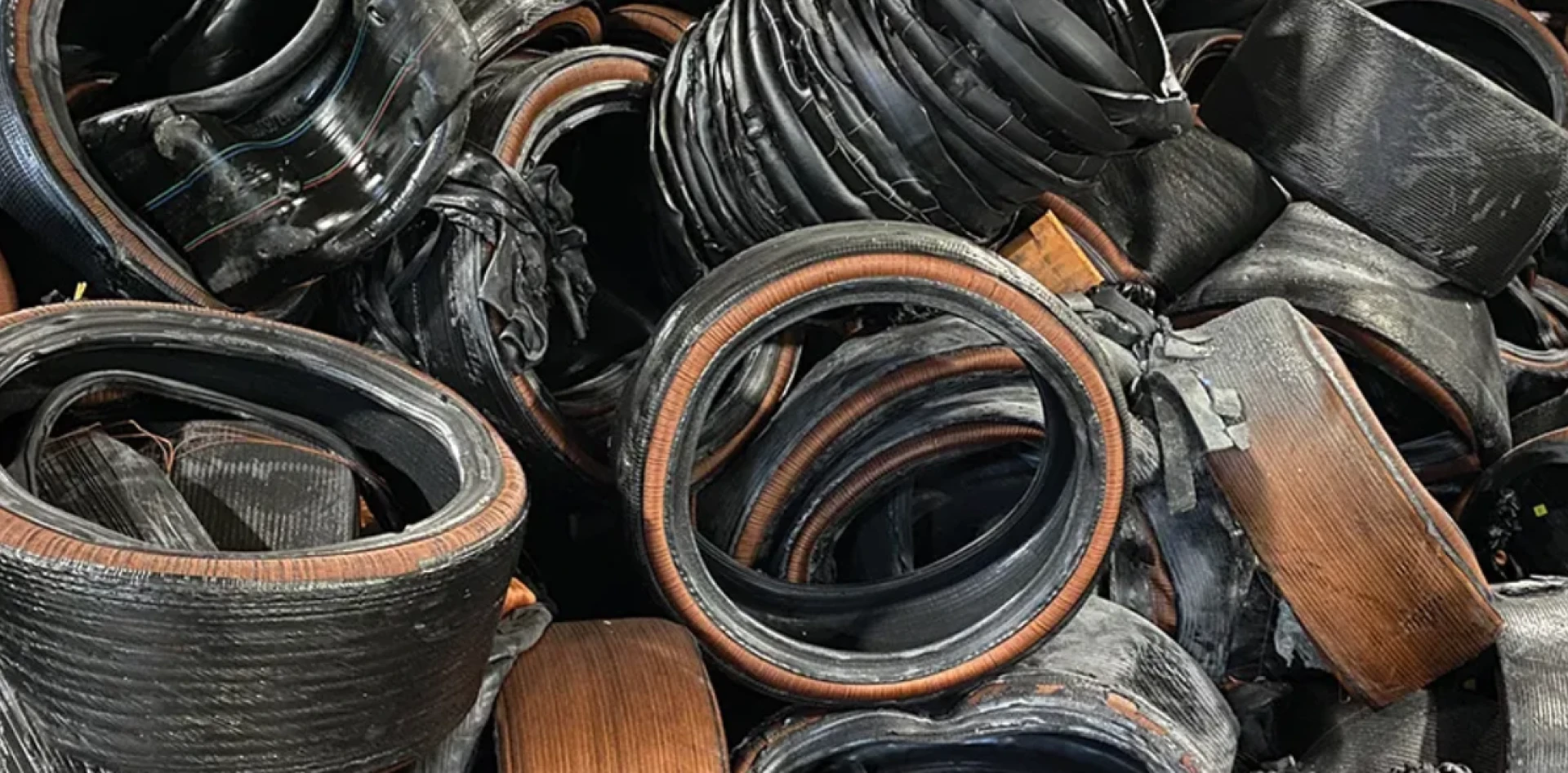
Before diving into the benefits, it is crucial to understand what tir e recycling means. Tire recycling involves recovering and processing used tires into raw materials or products, thus diverting them from landfills. The recycled materials can be repurposed for various applications, including asphalt for roadways, rubberized playground surfaces, and even new tires. This process significantly reduces waste and minimizes the use of virgin materials, thereby promoting a circular economy.
Benefits for Tire Manufacturers
Cost-Effective Raw Material Recovery
One of the biggest problems for tire manufacturers is that the prices of raw materials change all the time. By participating in tire recycling programs, manufacturers can efficiently recover valuable materials, such as rubber, steel, and textiles, from discarded tires. Not only does this save money compared to buying new raw materials, but it also keeps operating prices stable. In turn, this helps businesses make better budgets and lessen changes that might affect their profits.
Improved Brand Image and Customer Loyalty
Consumers today care more about the environment than ever before. Businesses that do things that are good for the environment, like reusing tires, are likely to see an improvement in how people see their brand. By promoting their recycling programs, tire manufacturers can enhance their brand image, attract eco-conscious consumers, and build loyalty among existing customers. Demonstrating a commitment to sustainability can differentiate a brand in a competitive market, leading to increased customer retention and new clients.
Compliance with regulations
With the growing focus on environmental regulations, many jurisdictions are implementing strict waste management policies. By adopting tire recycling services, manufacturers can ensure compliance with various laws and regulations governing waste disposal and recycling operations. Staying ahead of regulatory requirements not only avoids legal penalties but also positions companies as industry leaders focused on responsible manufacturing practices.
Innovation and Product Development
Offering recycling services to tire manufacturers can also help people come up with new ideas. The process of recycling tires often leads to new ideas for product development. For instance, recycled rubber can be used in producing high-performance athletic footwear, construction materials, or even soundproofing panels. Integrating recycled materials into new product lines can open up additional revenue streams, driving growth and diversification strategies for manufacturers.
Corporate Social Responsibility (CSR)
Embracing tire recycling programs can significantly enhance a manufacturer’s CSR profile. Companies that undertake sustainable practices contribute positively to their communities and the environment. Engaging in tire recycling not only reflects a brand's values but also showcases its commitment to future generations. By being socially responsible, companies can resonate with stakeholders, investors, and customers who prioritize sustainability in their purchasing decisions.
Networking and Collaboration Opportunities
Participating in tire recycling programs often builds collaborations and partnerships with other businesses, local governments, and non-profit organizations. Tire manufacturers can engage in joint initiatives that can lead to resource-sharing, innovation, and optimized processes. Collaborations like these could bring in additional revenue and improve ties in the community, building a strong network that is designed to last.
Reduction of Liability and Risk Management
Tire disposal presents a significant legal and financial liability for manufacturers. By implementing tire recycling programs, businesses can lessen potential risks associated with improper tire disposal and environmental damage. Reducing waste and adhering to recycling standards can lower liability concerns while also minimizing cleanup costs and penalties.
Access to Dedicated Recycling Services
When companies invest in or hire Recycling services for tire manufacturers, they can often get access to innovative technology, knowledge, and equipment that makes recycling tires more efficient. These services make the recycling process easier, which improves quality and efficiency. Because of this, companies can focus on what they do best while professionals take care of the complicated tasks related to managing tires.
By enhancing brand reputation, ensuring compliance with environmental regulations, and promoting innovative practices, tire manufacturers can position themselves for long-term success in a rapidly evolving marketplace.
































Sign in to leave a comment.