As global concerns about sustainability and climate change continue to rise, industries are increasingly turning towards zero-waste strategies to minimize their environmental impact. Specifically, in rubber manufacturing, implementing zero-waste recycling solutions presents an opportunity to enhance efficiency, reduce costs, and promote a healthier planet. We will serve as a practical guide for rubber manufacturers on how to audit their operations for waste, implement effective zero-waste strategies, and track improvements in recycling efforts.
Understanding Zero Waste in Rubber Manufacturing
Zero waste is a concept that states processes should be made to produce less waste and encourage recycling and reusing throughout the life cycle of a product. In rubber manufacturing, this means minimizing waste generated during production, reusing materials where possible, and ensuring that materials at the end of their life are recycled rather than sent to landfills.
Step 1: Conducting a Waste Audit
The first step toward implementing zero-waste recycling solutions is to conduct a comprehensive waste audit in your manufacturing facility. A waste audit helps identify the types of waste being generated, where it is coming from, and the volumes involved. Here’s how to carry out an effective audit:
Gather a Team: Form a cross-functional team comprising members from various departments such as production, maintenance, and sustainability.
Collect Data: Over a specified period (typically one month), collect data on all waste produced. Categorize the waste into groups such as rubber scrap, packaging materials, chemicals, and general waste.
Analyze Sources: Assess the processes that contribute to waste generation. This could include inefficient production methods, leftover materials, and broken equipment.
Evaluate Disposal Methods: Review how current waste is being managed. Are materials being recycled or sent to landfills? This will help identify areas for improvement and potential recycling partners.
Step 2: Setting Zero Waste Goals
Once the audit is complete, the next step is to set clear, measurable goals for your zero-waste initiatives. Consider the following:
Percentage Reduction Goal: Aim to reduce overall waste generation by a specific percentage over a defined period.
Recycling Targets: Establish targets for recycling specific materials, such as aiming for 80% of rubber waste to be recycled or repurposed.
Waste Diversion Rate: Set goals for diverting waste from landfills. A solid target might be diverting 90% of total waste.
Step 3: Implementing Zero Waste Strategies
With clear goals in hand, it’s time to begin implementing Zero waste recycling solutions. Here are some strategies that rubber manufacturers can adopt:
Process Optimization: Look over the production steps to find inefficient mistakes or extra steps that aren't needed. Using the concepts of efficient production can help cut down on waste while also raising productivity.
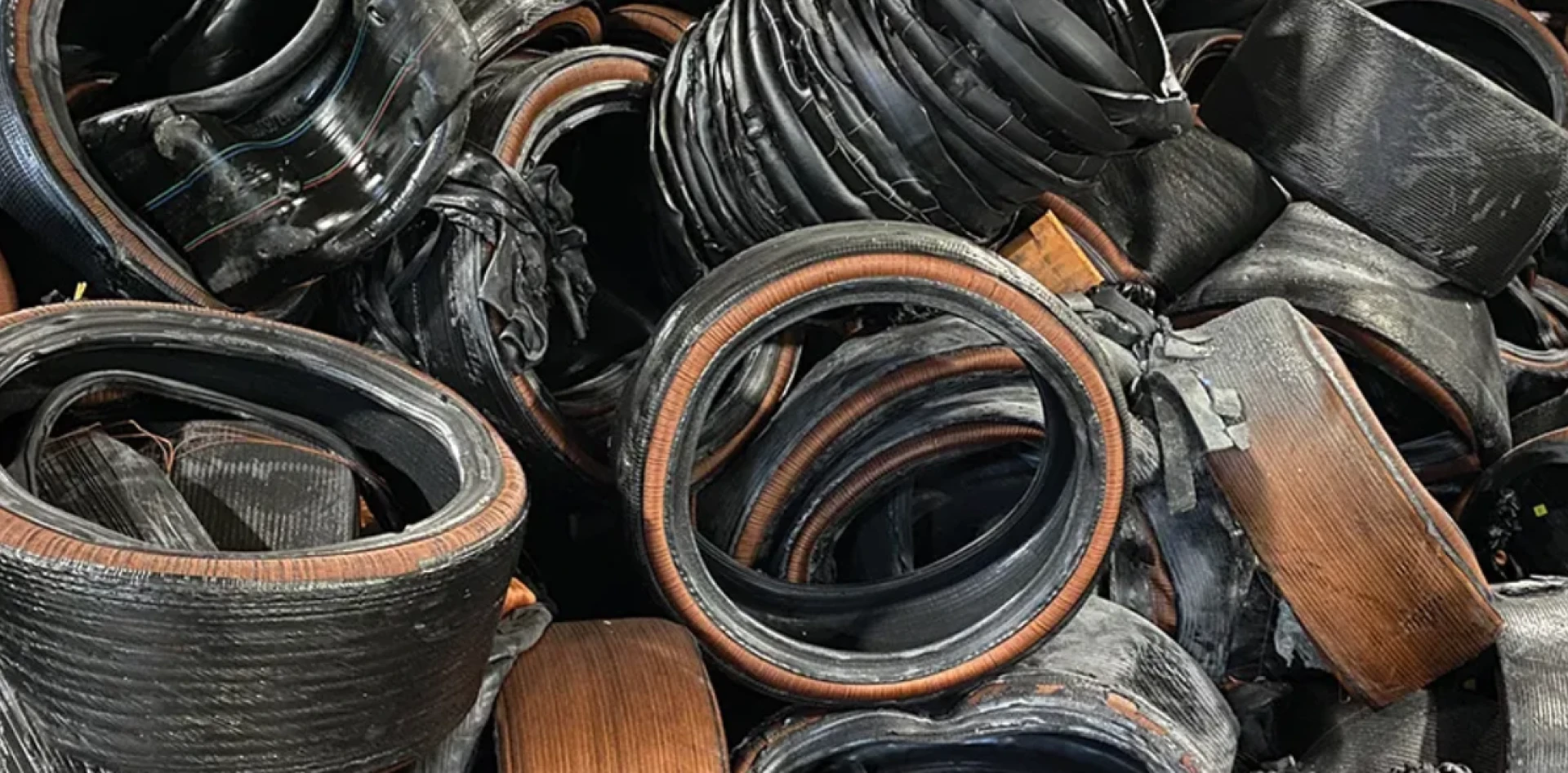
Material Reuse: Explore opportunities to reuse scrap rubber within the production process. For example, rubber shavings that haven't been handled can be mixed up and used in new goods.
Supplier Collaboration: Work with suppliers to reduce packaging waste and source materials that have lower environmental impacts. Encouraging suppliers to take back packaging or providing returnable containers can significantly cut waste.
Employee Training: Ensure that all employees are educated on zero waste principles and understand the importance of waste reduction. Training sessions can help build a culture of sustainability within the organization.
Developing a Recycling Program: Partner with local recycling facilities that specialize in rubber recycling. Establish a clear procedure for handling and sorting waste materials, making it easier to channel them into the appropriate recycling streams.
Composting Organic Waste: If applicable, consider composting any organic waste produced on-site, such as if rubber is mixed with natural fibers.
Step 4: Tracking and Measuring Progress
Implementing zero-waste strategies is an ongoing process that requires continuous monitoring and adaptation. To track your progress effectively:
Establish Key Performance Indicators (KPIs): Set KPIs that align with your zero waste goals, such as waste diversion rates, recycling percentages, and percentage reductions in waste generation.
Regular Reviews: Schedule regular reviews to see how well your zero-waste initiatives are working. Analyze data collected to determine if targets are being met and where improvements are still needed.
Report Progress: Share findings with stakeholders across the company to build a collective commitment to sustainability. Consider publishing annual reports that highlight your achievements in waste reduction and recycling efforts.
Continuously Improve: Use observations gained from tracking and reviews to refine and enhance your strategies. Embrace a culture of experimentation and be open to adopting new practices as technology and methods evolve.
Embrace the challenge of minimizing waste and positioning your place as a leader in sustainable manufacturing practices. The journey toward zero waste is a worthwhile investment not just for your business, but for the world we share.






























Sign in to leave a comment.