

The logistics and warehousing industry has long been a cornerstone of the global economy, facilitating the movement and storage of goods. As e-commerce continues to soar, and global supply chains become more complex, industrial warehouses and logistics facilities are gaining increasing attention from investors. Traditionally, investing in these properties has been an expensive and illiquid endeavor, with high entry barriers, significant capital requirements, and complex legal and operational considerations. However, with the advent of blockchain technology and real estate tokenization, the landscape is changing.
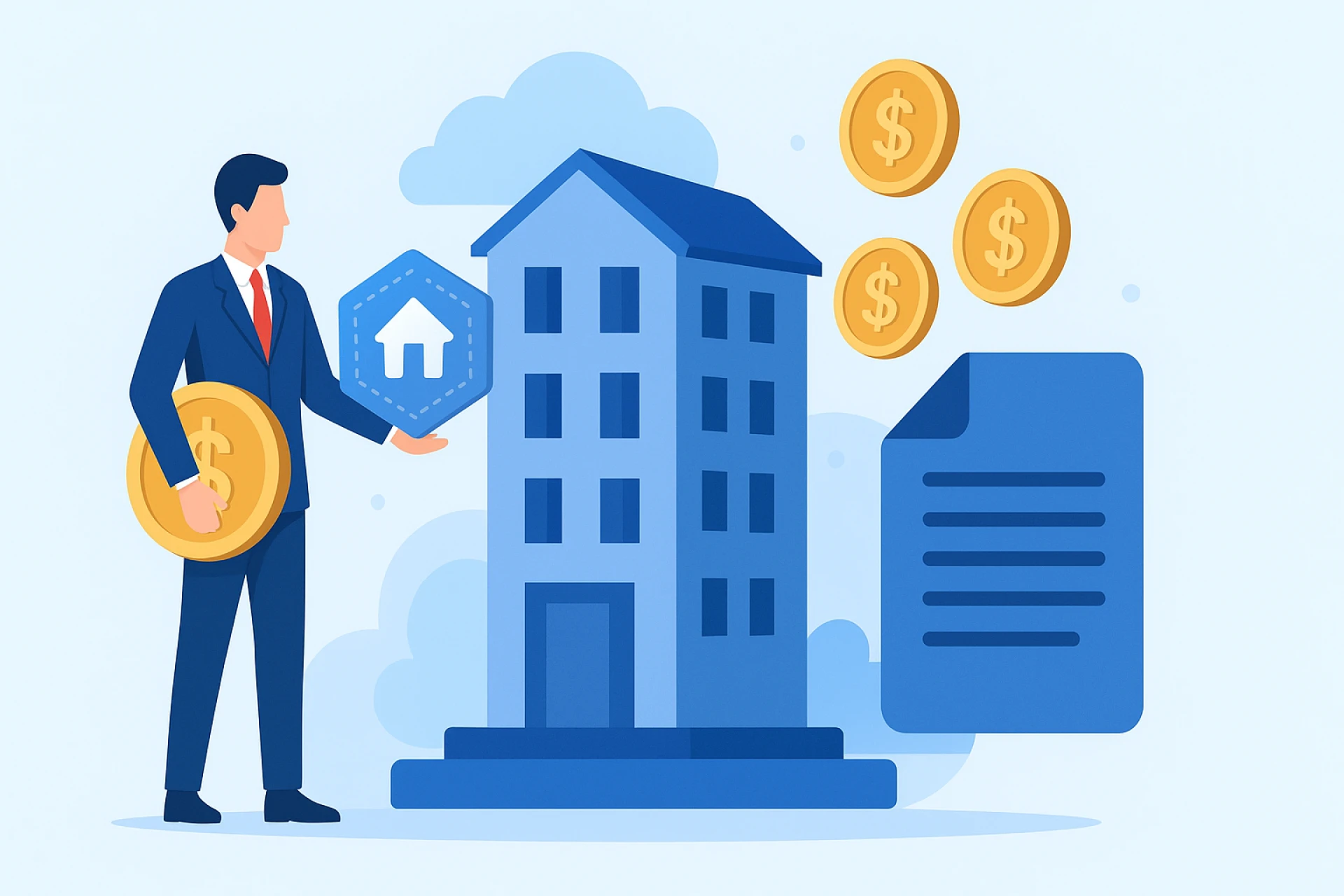
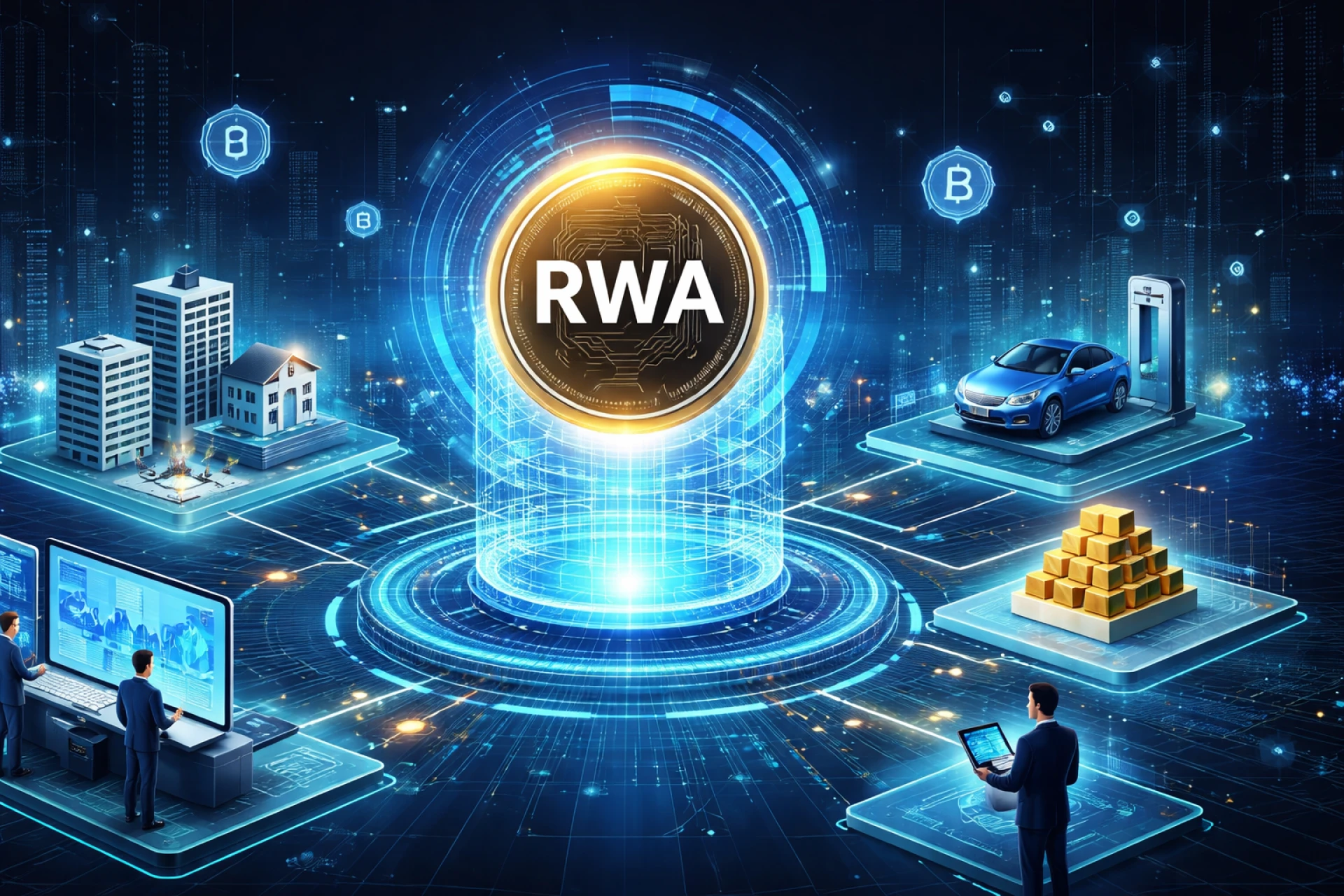
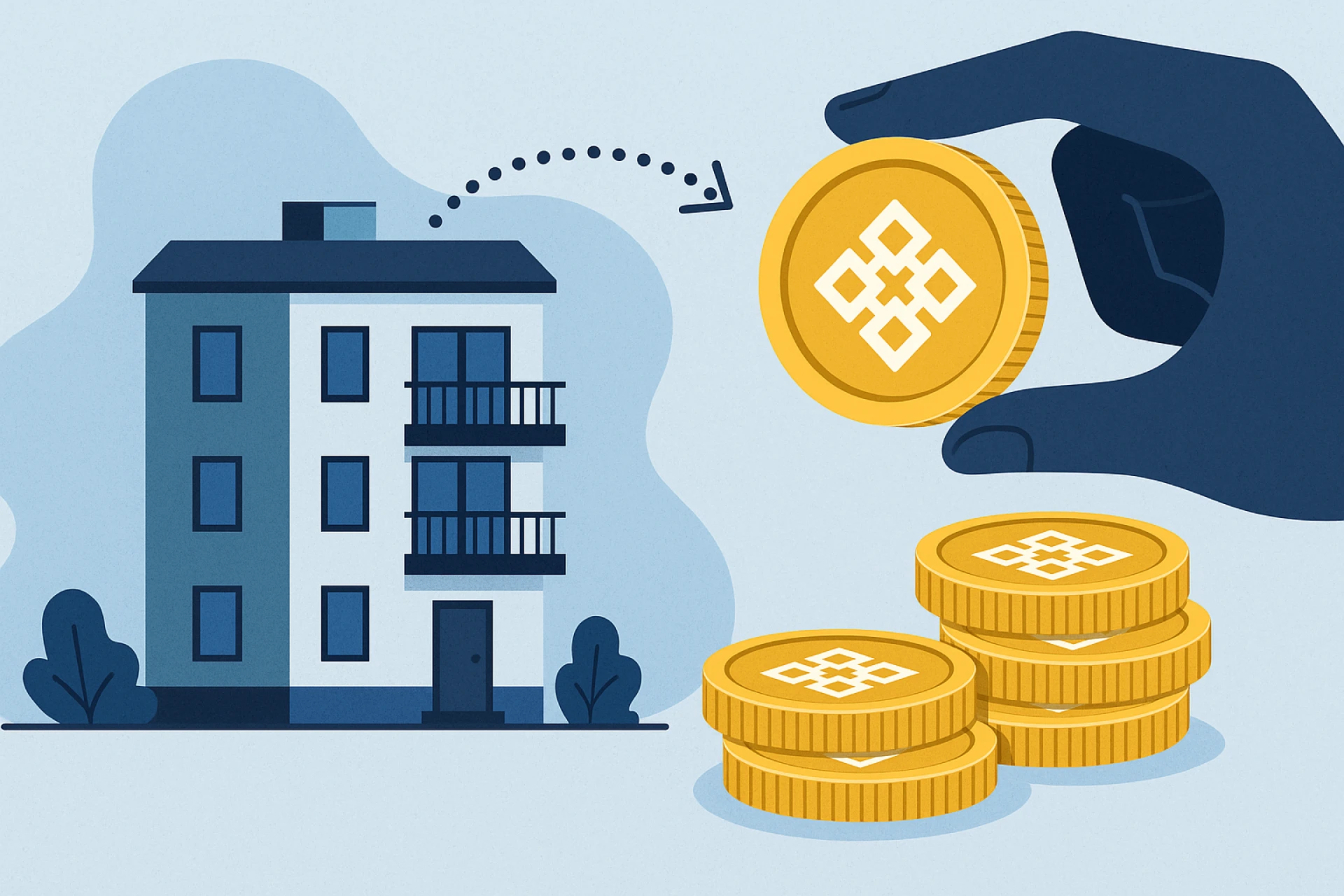
Tokenization is the process of converting real-world assets—such as industrial warehouses and logistics facilities—into digital tokens on a blockchain. Each token represents fractional ownership in the asset, enabling investors to buy, sell, and trade portions of the property without the need for large capital outlays. Blockchain technology ensures transparency, security, and efficiency in this process, making it an attractive option for investors and property owners alike.
Understanding Tokenization in the Context of Industrial Real Estate
Tokenization is the process of transforming a physical asset into digital tokens on a blockchain. Each token corresponds to a specific share of the property, enabling fractional ownership and allowing investors to purchase, trade, or sell these shares with greater flexibility than traditional real estate transactions permit.
In the industrial sector, tokenization can be applied to:
- Distribution centers located near major ports
- Large-scale warehousing complexes
- Cold-storage facilities
- Fulfillment centers for e-commerce
- Last-mile logistics hubs
- Manufacturing storage units
- Cross-docking facilities
Each of these property types involves high-value assets with stable rental structures, which makes them well-suited for tokenization.
Industrial real estate tokenization development is often leased by long-term tenants such as logistics providers, manufacturing companies, multinational shipping firms, and e-commerce giants. These long lease cycles generate predictable cash flows, which can be distributed to token holders proportionally through smart contracts. Because these properties generate stable income and serve critical economic functions, they form an ideal category for digital investment.
Mechanics of Tokenizing Warehouses and Logistics Facilities
Tokenization of industrial properties is a multi-step process that integrates legal frameworks, blockchain infrastructure, and operational oversight.
1. Property Selection and Valuation
The first stage is identifying suitable industrial properties. Key considerations include location, tenant quality, lease terms, infrastructure standards, and potential for revenue growth. Warehouses and logistics facilities located near major ports, airports, or urban centers are particularly attractive due to high demand for storage and distribution space. Professional valuation ensures that the property’s market value is accurately represented, which is critical for determining the token price and overall investor confidence.
2. Legal Structuring
Tokenized properties are often held within SPVs or legal entities that manage ownership and governance. This structure protects investors and ensures compliance with local securities laws. The SPV holds the asset title, while token holders receive proportional rights to income and other property benefits. Proper legal structuring also clarifies responsibilities for maintenance, insurance, taxes, and other operational obligations, ensuring smooth management post-tokenization.
3. Token Creation and Blockchain Integration
Digital tokens representing fractional ownership are created on a blockchain. Smart contracts govern these tokens, automating processes such as revenue distribution, token transfers, and compliance verification. Smart contracts reduce the need for intermediaries, minimize manual errors, and ensure that investors receive their rightful income promptly. Blockchain also records every transaction immutably, making ownership and revenue flow transparent and auditable.
4. Investor Participation and Fractional Ownership
Investors purchase tokens representing shares in the property. Fractional ownership allows for diversification across multiple industrial assets, enabling investors to balance risk while gaining exposure to high-value properties that would otherwise be inaccessible. Investors can participate from anywhere in the world, breaking down geographic barriers and attracting global capital into the industrial real estate sector.
5. Secondary Market Trading and Liquidity
Tokenized industrial assets can be traded on regulated secondary marketplaces. This creates liquidity in a traditionally illiquid asset class. Investors can buy or sell tokens without needing to transfer entire property titles, providing flexibility and enabling dynamic portfolio management. This liquidity also attracts a broader range of investors, including retail participants who value the ability to enter and exit positions efficiently.
Why Industrial Real Estate is Ideal for Tokenization
Tokenization is particularly well-suited to warehouses and logistics facilities due to several factors:
- Stable Cash Flow: Long-term lease agreements with logistics providers, e-commerce companies, and manufacturers ensure predictable income. This is essential for distributing revenue to token holders.
- High Asset Value: Industrial properties often require substantial investment, making fractional ownership through tokenization an attractive solution for smaller investors.
- Growing Demand: Global e-commerce expansion, international trade, and supply chain modernization have driven demand for warehouses and distribution centers, reducing vacancy risk.
- Operational Complexity: Blockchain can track tenant agreements, lease renewals, and rental income automatically, reducing administrative burdens.
- Sustainability and ESG Considerations: Modern industrial facilities increasingly integrate energy-efficient and eco-friendly designs, which can be tracked on-chain to appeal to ESG-focused investors.
Use Cases of Tokenized Industrial Properties
Tokenization introduces multiple practical applications for investors, developers, and property managers:
- Fractional Investment in High-Demand Hubs: Investors can purchase fractions of strategically located warehouses or fulfillment centers, gaining exposure to areas with high rental demand and capital appreciation potential.
- Funding for Expansion Projects: Developers can raise capital for new logistics parks, cold-storage facilities, or last-mile distribution centers through tokenized offerings, bypassing traditional financing constraints.
- Liquidity Solutions for Property Owners: Large owners can tokenize portions of their portfolio to unlock capital without selling entire assets, providing flexibility for reinvestment or debt reduction.
- Integration with Data and Automation: Tokenized assets can integrate IoT devices and operational analytics to monitor warehouse performance, energy consumption, and tenant activity, providing added transparency and operational efficiency.
- Support for ESG Initiatives: Tokenized industrial assets with sustainable features can appeal to investors seeking measurable environmental impact, while smart contracts automate verification and reporting.
Benefits of Tokenization for Investors and Owners
The advantages of tokenizing warehouses and logistics facilities extend to all stakeholders:
1. Democratized Access
Fractional ownership allows investors with smaller capital to participate in high-value industrial assets, broadening the investor base and promoting financial inclusivity.
2. Enhanced Liquidity
Secondary market trading enables investors to buy or sell tokens efficiently, overcoming the traditional illiquidity of real estate investments.
3. Transparency and Trust
Blockchain records ownership and revenue distribution immutably, allowing investors to verify all transactions and ensuring accountability.
4. Reduced Transaction Costs
Smart contracts minimize intermediaries and manual processes, lowering administrative expenses and accelerating settlement.
5. Global Investment Participation
Tokenization removes geographic restrictions, allowing investors from around the world to access industrial real estate markets without physical presence.
6. Efficient Revenue Distribution
Smart contracts automate rental income payments, reducing errors and delays while maintaining proportional allocation among token holders.
7. Portfolio Diversification
Investors can distribute holdings across multiple warehouses, logistics hubs, and industrial regions, mitigating risk while capturing diverse income streams.
Challenges and Considerations
Despite its potential, industrial real estate tokenization faces challenges that must be addressed:
- Regulatory Compliance: Security token regulations vary by jurisdiction. Ensuring adherence to local laws is essential for legal protection and investor confidence.
- Accurate Valuation: Industrial properties require detailed analysis to ensure token prices reflect true asset value, including tenant stability, infrastructure quality, and location advantages.
- Cybersecurity Risks: Blockchain platforms and smart contracts must be secure to prevent fraud, hacking, or technical failure.
- Market Education: Tokenized industrial assets remain relatively new, requiring educational initiatives for investors to understand their mechanisms, rights, and risks.
- Property Management Oversight: While tokens facilitate ownership, operational management of warehouses and logistics facilities remains critical to preserve asset value.
Future Outlook
Tokenization of industrial warehouses and logistics facilities is poised to become a significant trend in commercial real estate. Emerging trends include:
- Integration with DeFi Protocols: Tokenized assets may serve as collateral for loans, allow participation in yield protocols, or connect with broader decentralized finance ecosystems.
- Enhanced ESG Tracking: Blockchain can monitor energy usage, carbon emissions, and operational efficiency, aligning industrial real estate with environmental sustainability goals.
- Global Marketplaces: Secondary trading platforms will expand, allowing worldwide investors to access industrial tokens efficiently.
- Smart-Leasing Contracts: Blockchain may automate leasing, rental adjustments, and revenue sharing, improving operational efficiency and reducing disputes.
- Fractional Ownership Models: Increasingly, industrial properties will be subdivided into tradeable units, enabling micro-investments and promoting portfolio diversification for both retail and institutional investors.
Conclusion
Blockchain-based tokenization is transforming investment in industrial warehouses and logistics facilities by creating fractional ownership, increasing transparency, and introducing liquidity to traditionally illiquid assets. Investors benefit from easier access, predictable cash flows, and portfolio diversification, while property owners gain alternative funding mechanisms, improved operational oversight, and a wider investor base.
By digitizing ownership, leveraging smart contracts, and enabling secondary market trading, tokenization aligns industrial real estate with the modern digital economy. As blockchain technology matures and regulatory clarity improves, tokenized warehouses and logistics facilities will become a mainstream investment model, supporting global supply chains while unlocking new financial opportunities for investors worldwide.

























Sign in to leave a comment.