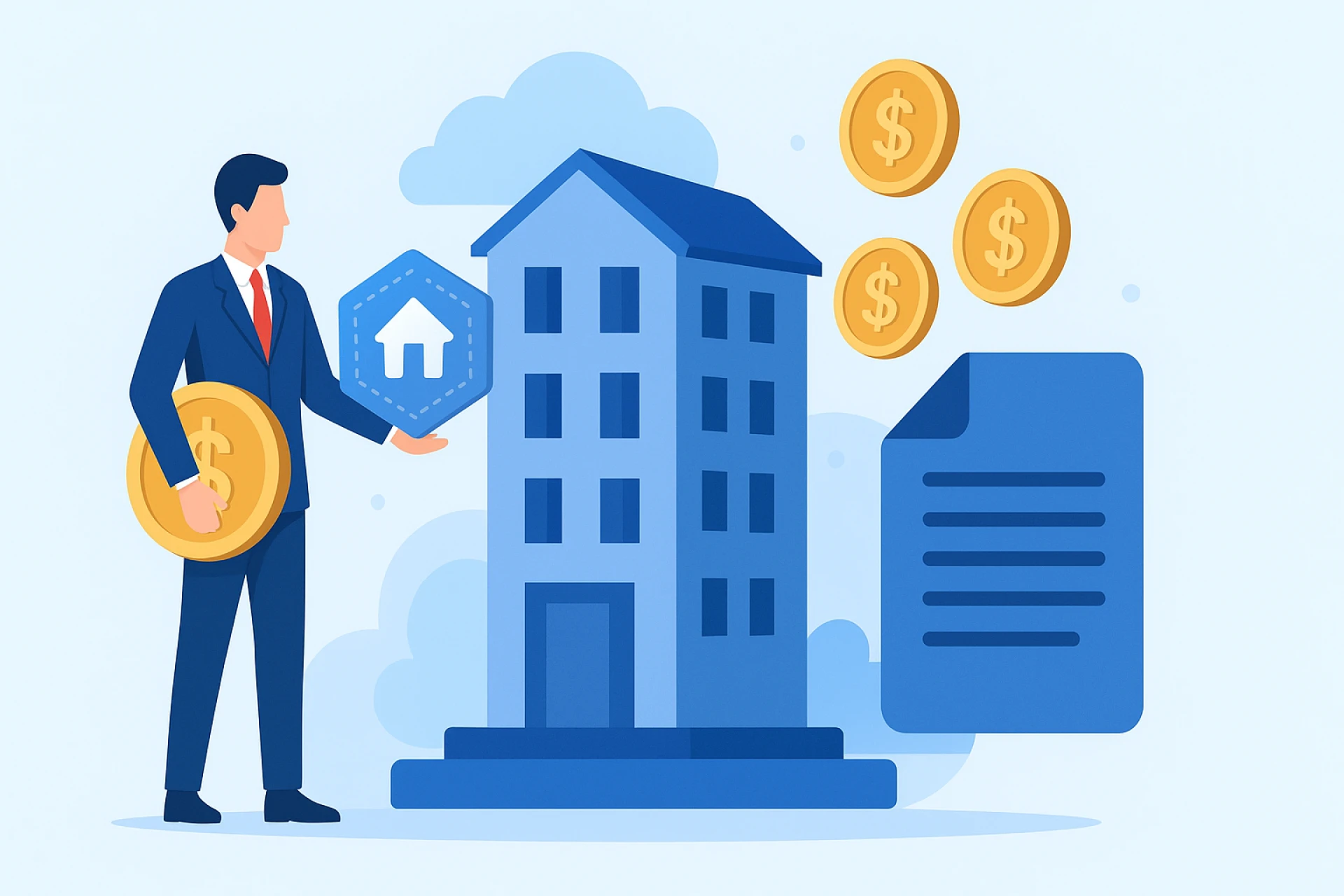

Real estate has long been a cornerstone of wealth creation and investment strategies. However, one of the persistent challenges for property owners and investors is accessing liquidity without selling assets. Traditional refinancing methods, such as bank loans or mortgage refinances, can be time-consuming, restrictive, and costly. This is where real estate tokenization offers a game-changing solution.
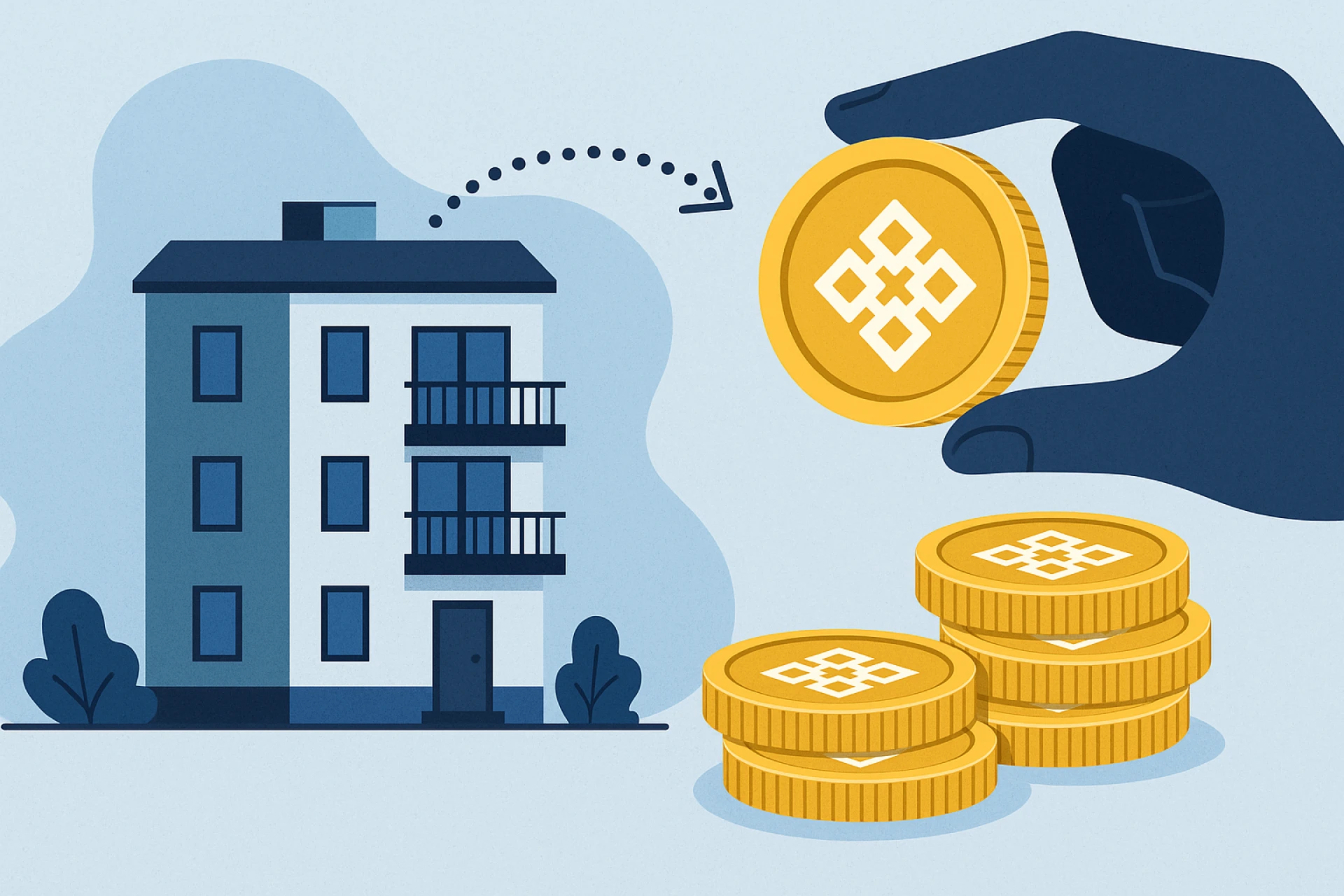
Real estate tokenization involves converting ownership rights in a property or a portfolio into digital tokens on a blockchain. These tokens represent fractional ownership in the property, which can be traded or sold on digital marketplaces. Through tokenization, property owners can access capital without having to sell their properties, effectively unlocking value and enhancing liquidity. This article explores how real estate tokens can be used to refinance existing properties, the mechanisms involved, and the potential benefits and challenges of this innovative financing method.
Understanding Real Estate Tokenization
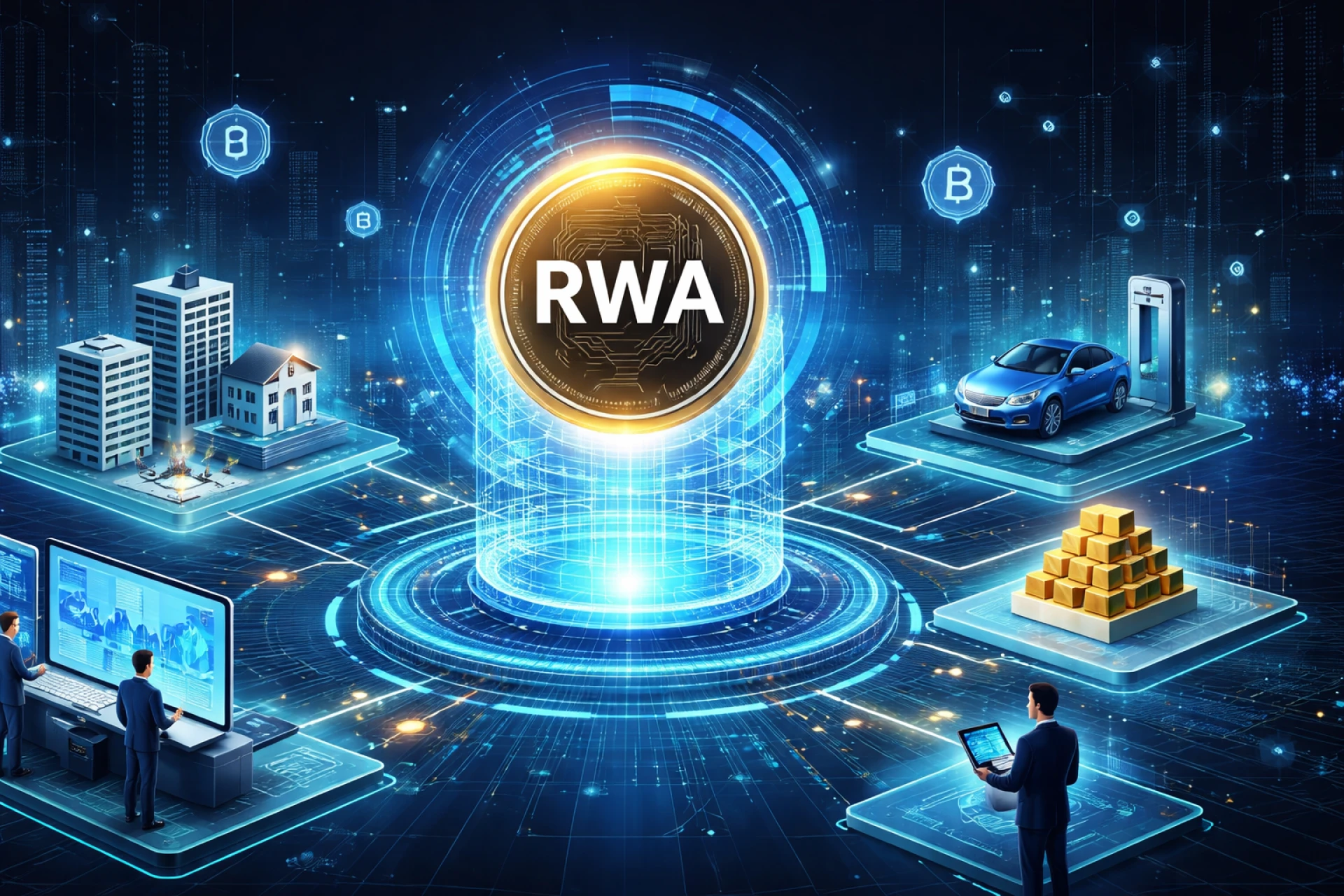
Real estate tokenization refers to the process of converting ownership rights in a property into digital tokens, typically built on a blockchain network. These tokens can represent a share of a physical property, and each token is usually backed by a corresponding asset or cash flow stream, such as rental income or appreciation. Tokenization creates a way for property owners to offer fractional ownership to investors, breaking down the barrier of high capital requirements for real estate investment.
Key features of real estate tokenization include:
- Fractional Ownership: Dividing properties into smaller, tradable tokens that can be bought and sold by multiple investors.
- Blockchain Transparency: Blockchain’s decentralized and immutable nature ensures transparent records of ownership and transaction history.
- Smart Contracts: Self-executing contracts that automate transactions, revenue distribution, and governance processes.
- Liquidity: Real estate tokens can be traded on digital marketplaces, providing liquidity for investors and property owners alike.
These features make real estate tokenization development an attractive method for unlocking capital and accessing financing without resorting to traditional methods like bank loans or private equity deals.
The Process of Using Real Estate Tokens to Refinance Properties
Refinancing a property typically involves replacing an existing loan with a new one to access capital or adjust the terms of the mortgage. However, real estate tokenization presents a new method for refinancing, enabling property owners to raise capital by leveraging fractional ownership and attracting a wider pool of investors. Here's a step-by-step breakdown of how the process works:
1. Tokenizing the Property
The first step in using real estate tokens for refinancing is tokenizing the property. This involves dividing the ownership of the property into digital tokens, typically through a blockchain-based platform. The process is as follows:
- Valuation: The property must be accurately valued to determine the number of tokens to issue. The valuation considers factors such as the property’s market price, rental income, and potential for appreciation.
- Legal Framework: A legal structure is established to ensure compliance with securities laws and other regulations. This often involves creating a Special Purpose Vehicle (SPV) or another legal entity that holds the property on behalf of token holders.
- Smart Contract Development: A smart contract is developed to automate the creation, transfer, and management of tokens, as well as facilitate revenue distribution and governance.
Once tokenized, the property is effectively divided into fractional ownership units, each represented by a digital token. These tokens are linked to the underlying property, so each token holder has a claim on the property’s income, value appreciation, and potential profits.
2. Issuing Tokens for Capital
After tokenization, the next step is issuing tokens to investors. The tokens are sold through a primary offering, which can be conducted via an Initial Coin Offering (ICO) or a Security Token Offering (STO), depending on the regulatory environment. This offering provides the property owner with immediate capital, while investors gain fractional ownership in the property.
- Primary Offering: The owner can issue a set number of tokens corresponding to a certain percentage of the property’s value. For instance, if a property is worth $5 million, the owner might issue 500,000 tokens, each valued at $10.
- Investor Participation: Investors can purchase tokens at the offering price, and their capital is raised by the property owner. The tokens can be purchased with cryptocurrencies or fiat currency, depending on the platform’s structure.
The capital raised from the token issuance can be used to refinance an existing mortgage, pay for renovations, or fund new investments, effectively unlocking the property’s value without selling it outright.
3. Using Tokenized Property for Refinancing
Once the property is tokenized and the primary offering is completed, the property owner can use the newly raised capital for refinancing purposes. Here’s how tokenized property can facilitate refinancing:
- Access to More Capital: By offering fractional ownership of the property to a wider group of investors, the property owner can raise more capital than traditional refinancing methods might allow. Unlike a bank loan, tokenization does not require the same level of creditworthiness, enabling the owner to access funding from a global pool of investors.
- Repaying Existing Debt: The capital raised from the token offering can be used to repay or restructure the existing debt, potentially with more favorable terms. The property owner may use the new capital to pay down high-interest loans, consolidate debt, or reduce overall financial risk.
- Unlocking Equity: Property owners can unlock the equity tied up in their real estate assets by converting a portion of their ownership into tradable tokens. This allows the owner to access capital without selling the property outright or taking on additional debt.
By leveraging tokenized ownership, property owners can refinance their properties, raise capital, and improve liquidity without the burdens of traditional refinancing options.
4. Secondary Market Trading
One of the major benefits of real estate tokenization is the ability to trade tokens on digital marketplaces. Once the tokens are issued, investors can buy, sell, and trade their tokens on secondary markets. This provides several advantages for both property owners and investors:
- Liquidity for Investors: Investors who purchase tokens in the primary offering can sell them on the secondary market if they wish to exit the investment. This liquidity contrasts with traditional real estate investments, where selling a property can take months or even years.
- Valuation and Price Discovery: Secondary market trading allows the market to determine the value of the tokens based on supply and demand, providing an accurate price discovery mechanism for the underlying property.
- Ongoing Capital Access: If the property owner needs more capital in the future, they can issue additional tokens or sell existing tokens on the secondary market. This flexibility provides continuous access to liquidity without needing to refinance through traditional channels.
Benefits of Using Real Estate Tokens for Refinancing
1. Access to Global Investors
By tokenizing a property, owners can access a global pool of investors, not just local or institutional players. Tokenization enables fractional ownership, allowing investors from different countries to participate in financing projects they wouldn’t typically have access to.
2. Reduced Transaction Costs
Real estate tokenization eliminates many of the intermediaries involved in traditional refinancing, such as brokers, lawyers, and banks. By leveraging smart contracts and blockchain technology, property owners can reduce transaction fees, streamline the process, and lower overall costs.
3. Increased Liquidity
Tokenization transforms real estate into a more liquid asset. Instead of waiting for a buyer for an entire property, token holders can sell their fractional shares on secondary markets. This increases the overall liquidity of the property, making it easier for investors to enter and exit investments.
4. Flexible Financing
Unlike traditional loans or mortgages, which may have rigid terms and require a steady stream of income or specific collateral, tokenization allows property owners to access capital based on the value and income potential of the property itself. This flexibility can be particularly beneficial for owners seeking to avoid the strict requirements of bank loans or looking for more innovative financing solutions.
5. Enhanced Transparency
Blockchain provides an immutable ledger for tracking ownership, transactions, and revenue distribution. Investors can easily verify property ownership and the accuracy of income flows, increasing trust and reducing the risk of fraud. This transparency also benefits property owners by providing clear records for audits and legal compliance.
Challenges and Considerations
While real estate tokenization offers numerous benefits, there are also challenges and considerations:
1. Regulatory Compliance
Tokenizing real estate involves navigating complex regulatory frameworks. Securities laws, tax regulations, and property ownership laws vary by jurisdiction. Property owners must ensure compliance with all relevant regulations, which can involve significant legal costs and time.
2. Technology and Security Risks
Blockchain technology, while secure, is not immune to risks. Smart contract vulnerabilities, hacking, or technological malfunctions can compromise the security of tokenized assets. Proper security protocols and auditing are essential to mitigate these risks.
3. Market Adoption
Real estate tokenization is still an emerging market, and widespread adoption is not guaranteed. Investors may be hesitant to enter new markets or technologies, and property owners may face challenges in educating stakeholders about the benefits of tokenization.
4. Valuation and Risk Assessment
Valuing tokenized real estate can be more complex than traditional property valuation methods. Investors and property owners must account for market fluctuations, property performance, and regulatory changes that could impact token values.
Conclusion
Real estate tokenization offers an innovative pathway for property owners to refinance existing assets and unlock capital without selling properties outright. By creating digital tokens representing fractional ownership or debt obligations, owners can access global liquidity, attract diverse investors, and benefit from faster, more transparent transactions. Integration with digital marketplaces and DeFi protocols further enhances flexibility, security, and capital efficiency.
While challenges related to regulation, technology, and adoption remain, token-based refinancing is poised to transform how real estate assets are leveraged for growth. By bridging the gap between traditional real estate and modern digital finance, tokenization provides property owners with new tools to optimize capital, support development, and participate in a more liquid, transparent, and accessible real estate ecosystem.


























Sign in to leave a comment.