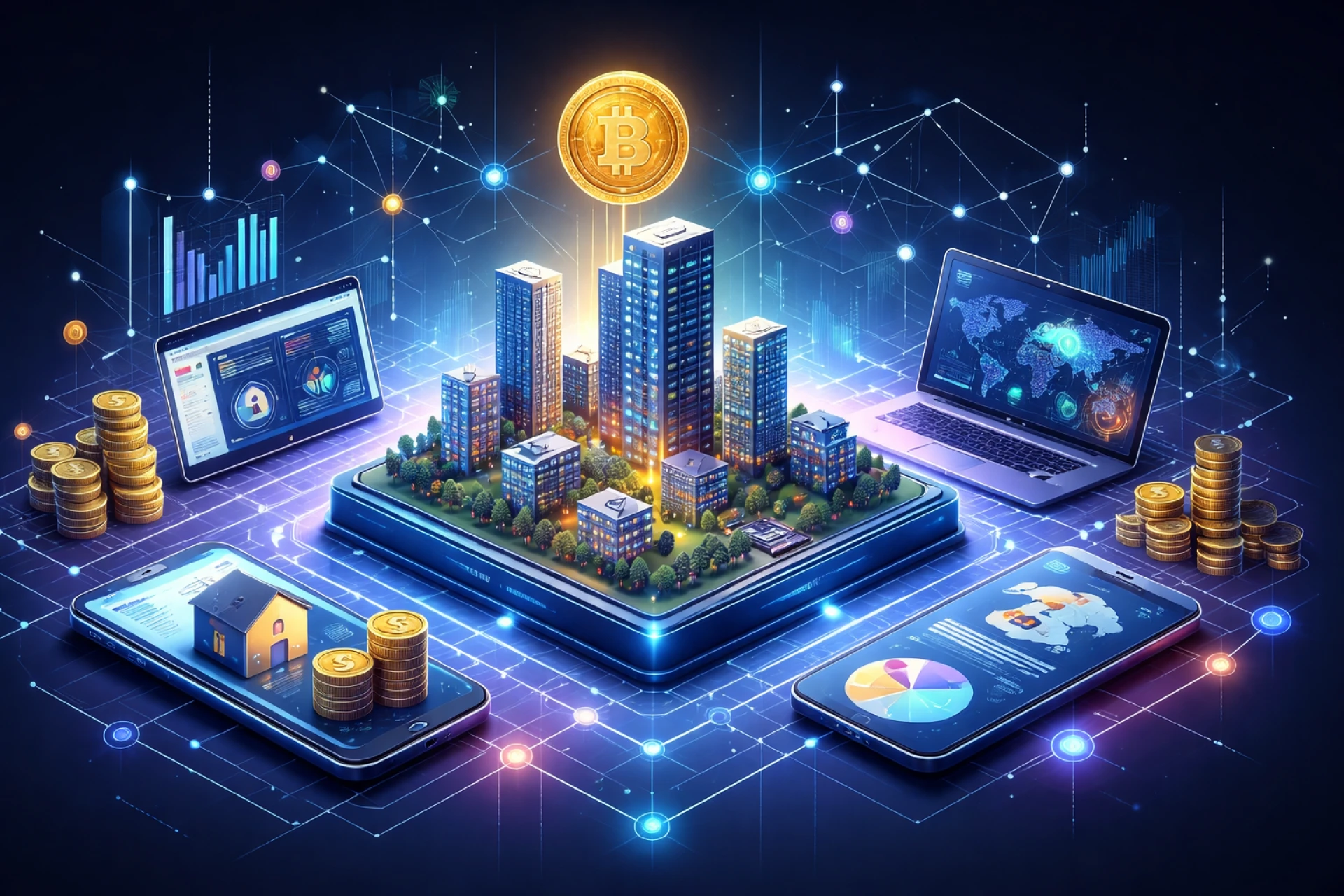

The real estate industry has traditionally relied on complex, paper-based processes to manage property ownership, leasing, sales, and financing. Integrating diverse property systems—such as property management software, accounting platforms, investor portals, and compliance reporting systems—can be challenging, especially when assets are spread across multiple jurisdictions or involve multiple stakeholders. This fragmentation often leads to inefficiencies, delays, human errors, and limited transparency.
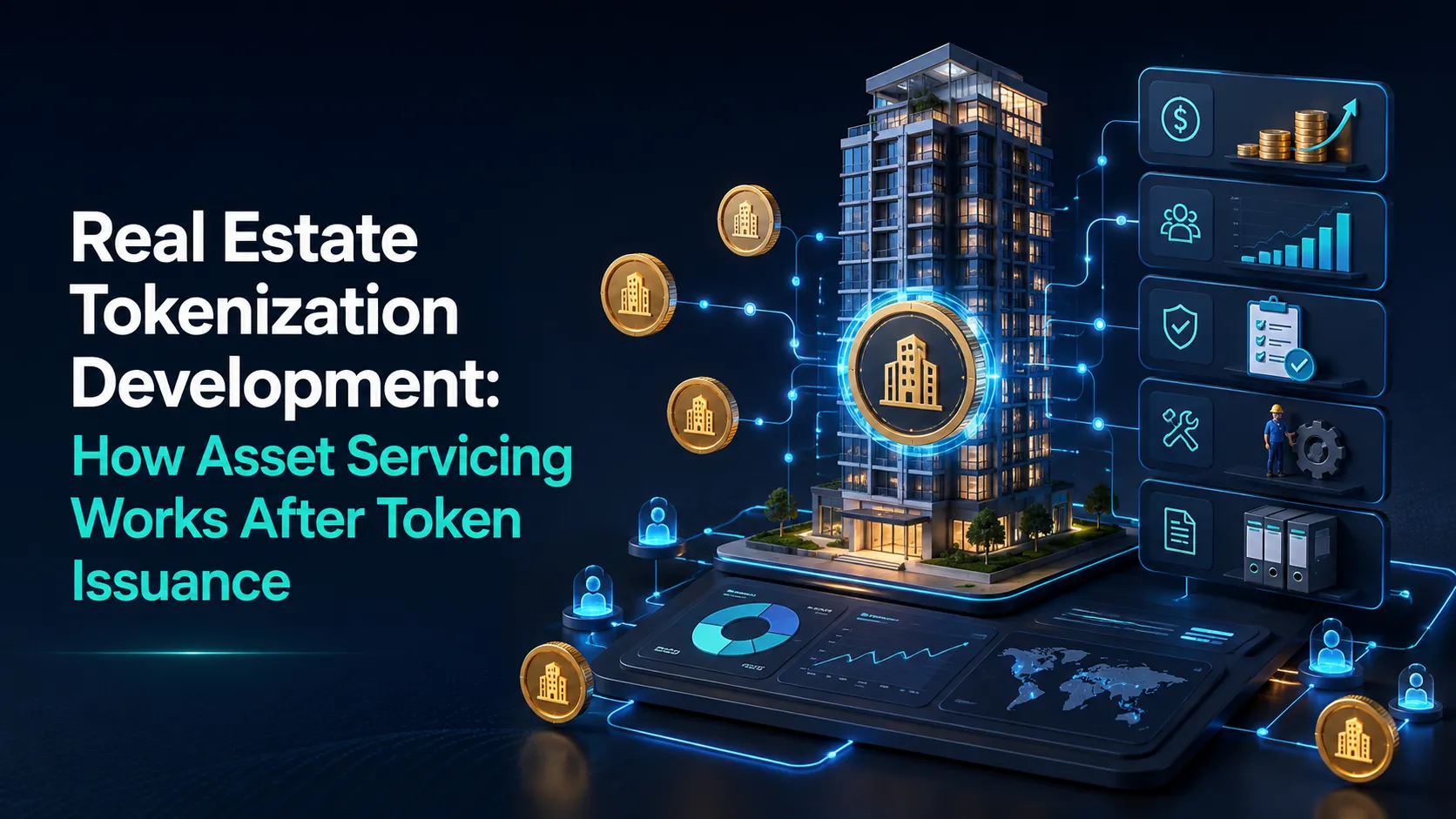
Real estate tokenization offers a transformative solution for modern property system integration. By converting tangible properties into digital tokens on a blockchain, real estate professionals can create a unified, secure, and automated framework for managing ownership, transactions, and operational workflows. Each token represents a real-world asset and contains critical metadata, including ownership history, financial data, compliance status, and operational information.
Through tokenization, real estate companies can integrate previously siloed systems into a seamless digital ecosystem, improving transparency, operational efficiency, investor accessibility, and regulatory compliance.
Understanding Real Estate Tokenization
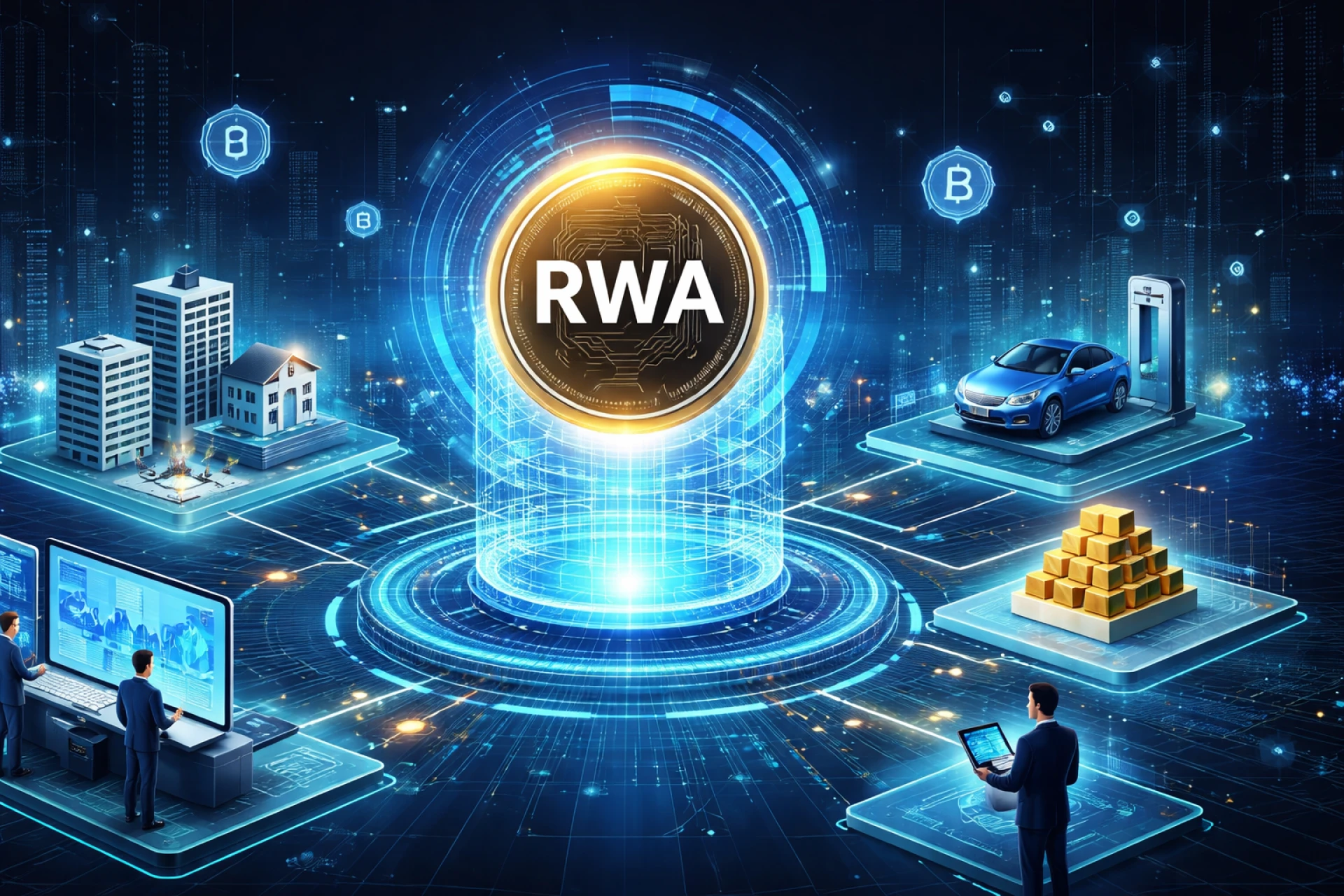
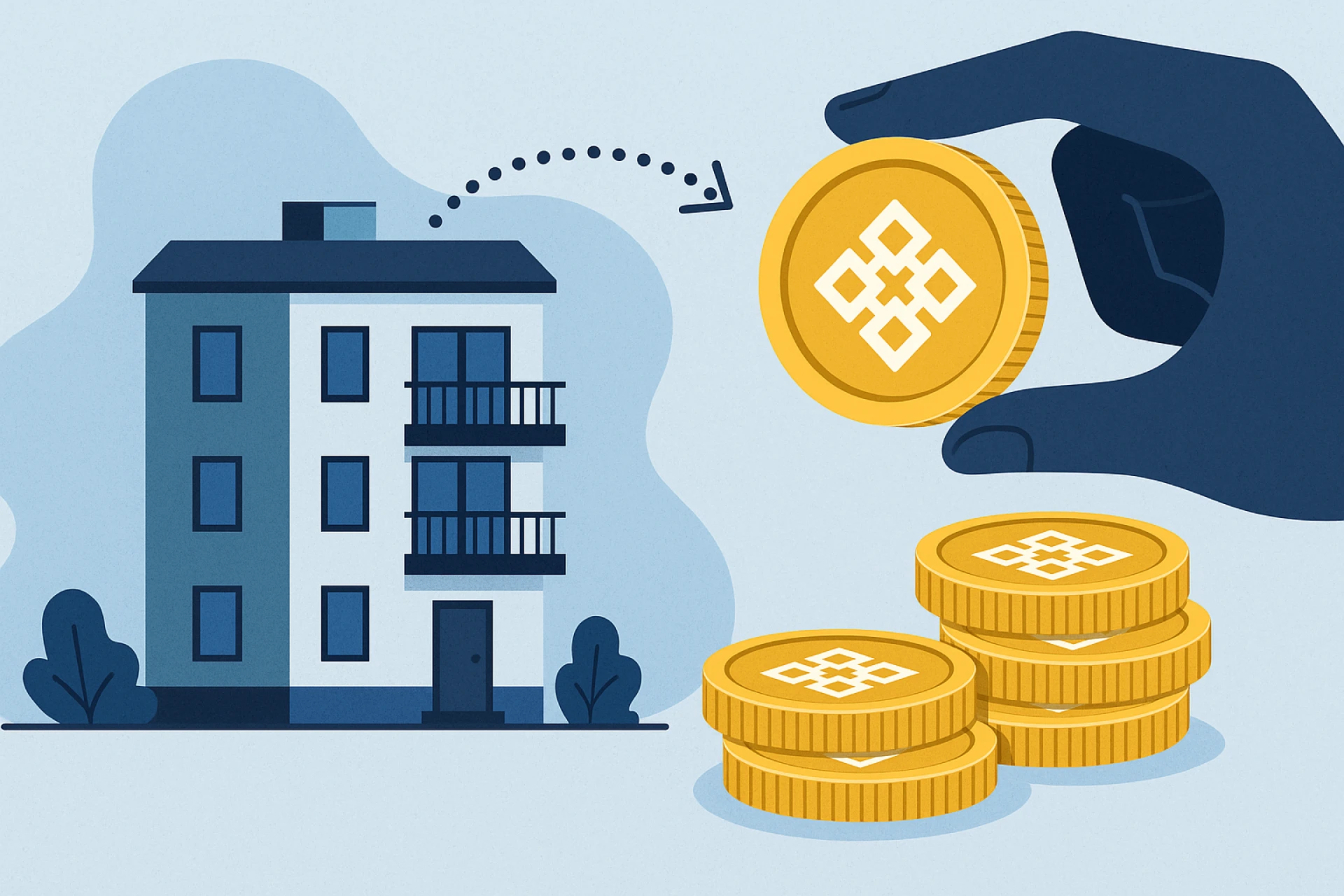
Real estate tokenization is the process of converting physical property assets into digital tokens that can be stored and transacted on a blockchain. These tokens act as verifiable digital representations of ownership, usage rights, or revenue streams associated with the property.
Tokenizable assets can include:
- Residential properties: Apartments, single-family homes, and luxury residences.
- Commercial properties: Office buildings, retail centers, and coworking spaces.
- Industrial properties: Warehouses, logistics hubs, and manufacturing facilities.
- Mixed-use developments: Properties combining residential, commercial, and leisure spaces.
- Revenue-generating assets: Hotel rooms, serviced apartments, and event spaces.
Smart contracts govern tokenized assets, automating processes such as property transfers, rental payments, revenue distribution, maintenance alerts, and regulatory reporting. By digitizing property assets, real estate tokenization enables system integration across accounting, property management, investor platforms, and compliance tools.
Key Benefits of Real Estate Tokenization for Property System Integration
1. Unified Data Management
One of the most significant challenges in property management is consolidating data from multiple systems. Tokenization creates a single source of truth for all property-related information.
Each token contains metadata about ownership, financial transactions, occupancy status, maintenance schedules, and compliance records. By integrating tokenized assets into property management platforms, accounting systems, and investor dashboards, stakeholders gain a comprehensive, real-time view of asset performance. Unified data reduces discrepancies, simplifies reporting, and improves operational decision-making.
2. Automated Workflow Integration
Property management involves repetitive tasks such as rent collection, lease renewals, maintenance scheduling, and investor reporting. Tokenization platforms enable automation of these workflows through smart contracts.
For example, rental payments can be automatically transferred to token holders based on fractional ownership, and maintenance alerts can trigger service requests automatically. By linking tokenized assets to property management systems, tokenization reduces manual processes, minimizes errors, and streamlines operations across departments and platforms.
3. Enhanced Transparency and Auditability
Real estate transactions involve multiple stakeholders, including owners, tenants, investors, and regulators. Tokenized assets provide immutable records of ownership, transactions, and revenue flows, ensuring transparency across integrated systems.
Blockchain immutability allows auditors and regulators to verify asset histories without relying on paper-based records. For investors, tokenization provides real-time access to property performance, rental income, and operational metrics, enhancing trust and reducing disputes.
4. Fractional Ownership and Investor Integration
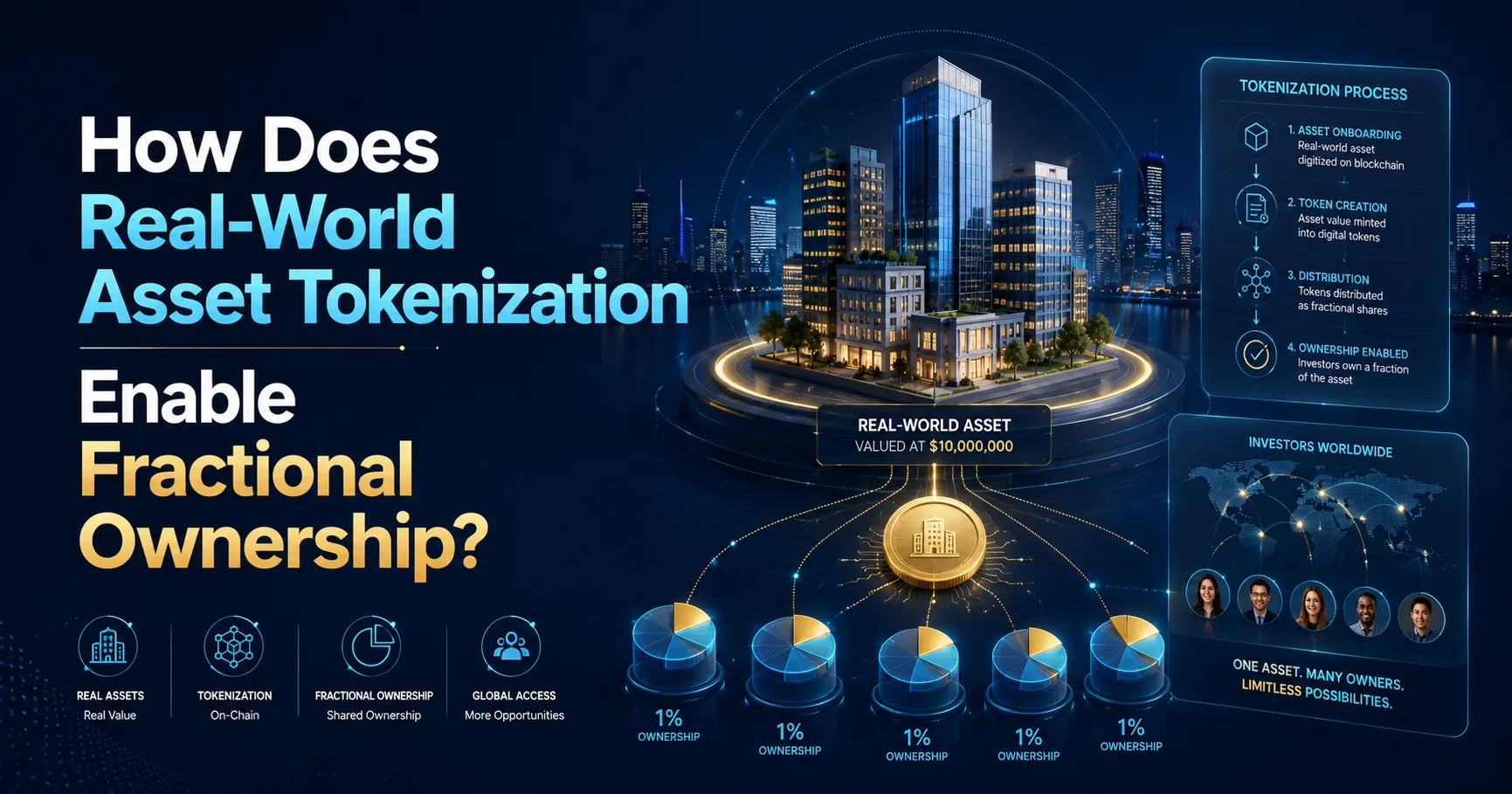
Tokenization allows properties to be fractionalized, enabling multiple investors to own portions of a single asset. This approach integrates seamlessly with investor management platforms, providing automated tracking of ownership, revenue distribution, and transaction histories.
For example, a commercial office building can be tokenized into 1,000 tokens, each representing a fraction of ownership. Investors can monitor their holdings, receive automated dividend payouts, and trade tokens on approved marketplaces. Fractional ownership increases market liquidity and allows property systems to integrate with investor portals efficiently.
5. Seamless Cross-Platform Transactions
Tokenized assets can be transacted across integrated platforms securely and instantly. Blockchain records ensure that ownership transfers, rental payments, and investor allocations are updated in real time across property management, accounting, and investor systems.
This eliminates reconciliation delays, reduces administrative costs, and ensures that all systems reflect the same accurate data. Cross-platform synchronization enhances efficiency and reduces the risk of errors or fraud in property operations.
6. Improved Compliance and Regulatory Integration
Real estate operations are subject to strict regulations, including property laws, taxation requirements, and investor protection rules. Tokenized assets maintain verifiable and auditable records of ownership, revenue distribution, and maintenance history.
Integrating tokenization with compliance management systems allows regulators to verify data efficiently, while operators can automate reporting tasks. Smart contracts can enforce regulatory rules, ensuring that all transactions adhere to local laws. This integration reduces compliance risks and enhances operational governance.
7. Predictive Asset Management
Integration of tokenized assets with AI and analytics platforms enables predictive insights for property management. Operators can forecast occupancy trends, rental income, maintenance needs, and asset appreciation.
For instance, a tokenized apartment complex can provide real-time data on occupancy and rent collection, allowing property managers to anticipate vacancy periods, optimize pricing, and allocate resources effectively. Predictive analytics improve operational planning and increase asset performance.
8. Enhanced Liquidity and Portfolio Diversification
Traditional real estate assets are illiquid, making it difficult for investors to enter or exit investments quickly. Tokenization enhances liquidity by enabling fractional ownership and secondary trading.
Integrated platforms allow investors to buy, sell, or trade tokens seamlessly, providing real-time updates across property management and accounting systems. Increased liquidity attracts more investors and enables portfolio diversification, allowing property companies to scale operations more efficiently.
9. Cost and Time Efficiency
Integrating property systems through tokenization reduces manual intervention, paperwork, and administrative overhead. Automated smart contracts, real-time data synchronization, and streamlined workflows save time and lower operational costs.
For example, automated rent collection and revenue distribution eliminate the need for manual accounting, while maintenance alerts ensure timely servicing, preventing costly repairs. These efficiencies contribute to higher profitability and better resource allocation.
10. Future-Proofing Property Operations
Tokenization creates a digital-first property ecosystem that is scalable, secure, and adaptable. New assets can be added to the blockchain, investor portals, and management systems seamlessly. Fractional ownership, cross-platform integration, and automated workflows position real estate companies to leverage emerging technologies such as AI, IoT, and decentralized marketplaces.
Digital property ecosystems enhance transparency, attract investors, and improve operational agility, ensuring that property management systems remain relevant in the evolving real estate landscape.
Applications Across the Real Estate Sector
Residential Real Estate
Tokenized apartments, condominiums, and single-family homes provide real-time updates on occupancy, maintenance, and rental revenue. Investor dashboards and property management platforms can integrate seamlessly for automated reporting.
Commercial Real Estate
Office buildings, retail centers, and coworking spaces benefit from fractional ownership, automated lease management, and integrated revenue distribution for multiple stakeholders.
Industrial Properties
Warehouses and manufacturing facilities can be tokenized to track operational efficiency, maintenance schedules, and revenue flows, integrating directly with logistics and accounting systems.
Mixed-Use Developments
Tokenization enables cross-system integration for properties combining residential, commercial, and leisure assets. Smart contracts can automate management of shared amenities and revenue allocation across diverse stakeholders.
Hospitality and Tourism
Hotels, resorts, and serviced apartments can tokenize rooms, facilities, and revenue streams, integrating with booking systems, loyalty programs, and investor platforms for efficient management.
Challenges and Considerations
- Regulatory Compliance: Tokenization must align with property, investment, and securities regulations in different jurisdictions.
- Technology Integration: Blockchain infrastructure, smart contracts, and existing property systems must be compatible.
- Data Accuracy: Effective integration requires reliable property, financial, and operational data.
- Stakeholder Adoption: Investors, operators, and regulators must adopt tokenization frameworks.
- Cybersecurity Risks: Tokenization platforms must be protected from hacking and unauthorized data manipulation.
Despite these challenges, the benefits of real estate tokenization in system integration—enhanced transparency, operational efficiency, investor accessibility, predictive management, and automated compliance—make it a transformative solution for modern property operations.
The Future of Tokenized Property System Integration
The adoption of real estate tokenization is expected to expand across residential, commercial, and industrial markets:
- Global Digital Real Estate Networks: Tokenized assets will enable seamless cross-border transactions and investor participation.
- AI-Driven Property Management: Real-time data from tokenized assets will support predictive maintenance, pricing optimization, and operational planning.
- Automated Compliance: Tokenized workflows will simplify reporting, audits, and regulatory adherence.
- Enhanced Investment Models: Fractional ownership and secondary trading will attract a wider investor base and increase liquidity.
Property system integration through tokenization empowers real estate operators to optimize performance, reduce costs, attract global investors, and create agile, scalable operations.
Conclusion
Real estate tokenization provides a transformative framework for integrating diverse property systems. By converting physical assets into blockchain-based tokens, companies gain unified data management, automated workflows, transparent ownership, and real-time performance tracking. Fractional ownership models enhance investor engagement and liquidity, while predictive analytics optimize operational efficiency and asset management.
Integration across accounting, property management, compliance, and investor systems reduces administrative overhead, ensures regulatory adherence, and future-proofs property operations. From residential and commercial buildings to industrial facilities and hospitality assets, real estate tokenization enhances transparency, efficiency, and scalability, empowering modern property companies to operate in a more connected, intelligent, and digital-first environment.



























Sign in to leave a comment.