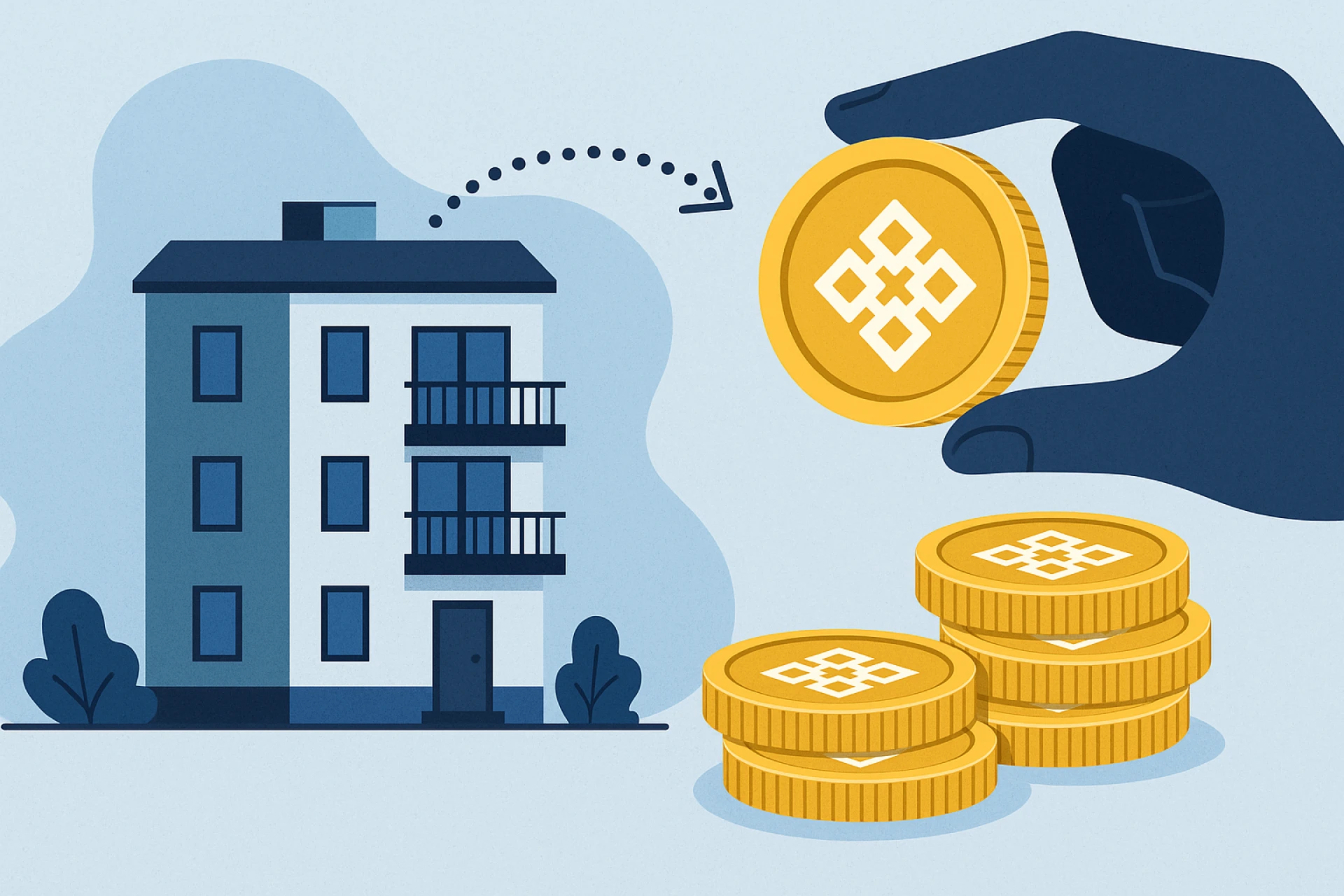

Real estate has long been one of the most attractive ways to build wealth. From stable rental income to long-term appreciation, property investment offers benefits unmatched by many other asset classes. Yet for small investors, entering the real estate market has traditionally been challenging. High property prices, hefty transaction costs, complex legal procedures, and illiquidity often make it inaccessible. Investors with limited capital frequently struggle to diversify, leaving them reliant on savings accounts or low-yield investments.
With the rise of blockchain technology, fractional ownership through tokenization has emerged as a game-changing solution. Tokenization converts real estate into digital tokens, each representing a small share of a property. Small investors can now acquire stakes in high-value residential, commercial, or mixed-use properties without committing huge sums of money. This innovation democratizes real estate, making it more inclusive and enabling small investors to participate in wealth-building opportunities that were once limited to high-net-worth individuals or institutional players.
Understanding Real Estate Tokenization
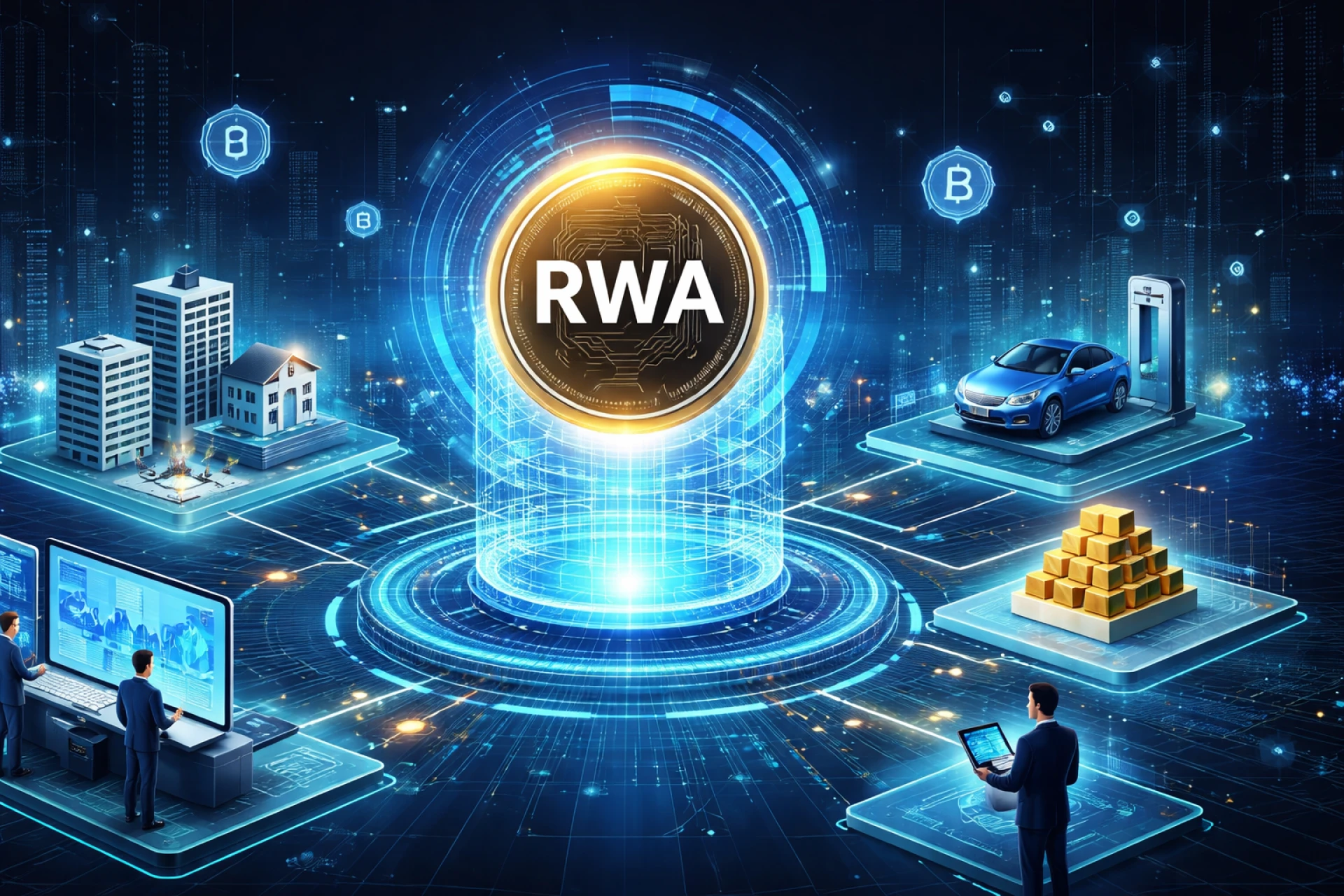
Real estate tokenization involves converting the legal rights of a property into digital tokens on a blockchain. Each token represents fractional ownership, allowing multiple investors to co-own the same asset. Blockchain technology provides transparency, security, and automation through smart contracts, which execute agreements, manage revenue distribution, and record ownership transfers.
For small investors, tokenization opens doors previously closed by financial and legal barriers. Investors no longer need hundreds of thousands of dollars to enter the market. Instead, they can buy small portions of high-value properties, diversify their investments, and participate in income generation from rental yields or property appreciation. The blockchain-backed system ensures that ownership is secure, traceable, and tamper-proof, building trust among smaller participants.
Lowering the Capital Barrier
Capital requirements have historically been the largest barrier for small investors in real estate. Purchasing an entire property often demands a down payment, closing costs, and legal fees, which can be prohibitively expensive. Tokenization allows properties to be divided into smaller units of ownership.
For example, a $1 million commercial building could be split into 1 million tokens at $1 each. A small investor could buy 1,000 tokens for $1,000, gaining proportional ownership in the asset. This approach enables participation in premium real estate without requiring large amounts of capital. Investors can diversify their holdings, spread risks, and participate in income generation, all with modest investments.
Simplifying Transactions
Traditional real estate transactions involve multiple intermediaries, including brokers, lawyers, banks, and notaries. Small investors often find navigating these procedures complex and costly. Tokenization simplifies the process by digitizing ownership and automating transactions through smart contracts.
Investors can buy and sell fractional shares online, receive automated distributions of rental income, and transfer ownership efficiently. This eliminates the delays and high fees associated with traditional property transactions, making the investment process smoother and more accessible to small-scale participants.
Enhancing Liquidity
Illiquidity has been a major hurdle in property investment. Selling a traditional property can take months, leaving investors’ funds tied up. Tokenization introduces secondary marketplaces where fractional tokens can be traded quickly and securely.
Small investors can buy or sell shares much like trading stocks, gaining flexibility to adjust portfolios or realize profits without the constraints of conventional real estate sales. This liquidity is particularly beneficial for investors with limited capital, as it reduces the risk of being locked into long-term investments and makes real estate more attractive as an asset class.
Access to Premium and Global Properties
Tokenization gives small investors access to high-value assets that were previously beyond reach. Luxury apartments, commercial buildings, and international real estate can now be broken down into affordable tokenized units.
This access allows small investors to diversify across property types and geographies. International markets, which were difficult to access due to complex regulations and cross-border legalities, become reachable through digital platforms. Tokenization broadens opportunities for small investors to participate in global markets and hedge risk by spreading investments across regions.
Transparency and Security Through Blockchain
Blockchain ensures that tokenized transactions are transparent and secure. Ownership records, token transfers, and revenue distribution are permanently recorded on the blockchain, eliminating the risks of fraud or disputes over ownership.
Smart contracts further enhance trust by automating revenue payments and enforcing agreements. Small investors can monitor property performance, track income distributions, and verify their ownership anytime, building confidence in the investment process. This transparency addresses one of the key concerns that previously limited small investors from entering real estate markets.
Portfolio Diversification
Fractional ownership allows small investors to diversify across multiple properties, reducing risk exposure. Instead of committing all capital to a single property, investors can allocate smaller amounts across residential, commercial, or mixed-use tokenized assets.
Diversification enhances financial stability, reduces the impact of underperforming assets, and provides access to multiple income streams. Small investors can achieve a level of portfolio complexity similar to that of institutional players, which was previously unattainable with limited capital.
Reduced Management Burden
Managing a property involves handling tenants, maintenance, legal compliance, and other administrative tasks. Small investors may lack the time, resources, or expertise for effective property management. Tokenized platforms often provide professional property management services, along with automated smart contracts to handle rental income distribution, governance, and reporting.
This reduces operational burdens and allows small investors to participate passively, earning income without the challenges of day-to-day management. The combination of professional management and blockchain automation ensures efficiency, reliability, and convenience for all investors.
Innovative Crowdfunding Opportunities
Tokenization enables real estate crowdfunding, allowing developers to raise capital from multiple small investors. Traditionally, project funding relied on banks or large investors, excluding small contributors. Tokenization democratizes access, enabling small investors to participate in early-stage projects and benefit from growth potential.
This model benefits developers by providing quicker access to funding while offering investors opportunities to participate in high-yield projects without substantial capital. Crowdfunding through tokenization also strengthens investor engagement, as participants feel a direct connection to the property’s success.
Fractional Ownership as an Inflation Hedge
Tokenized real estate provides small investors a mechanism to protect capital from inflation. Real estate historically preserves value during economic volatility, and fractional ownership enables small investors to benefit from these advantages. Holding tokenized property shares allows investors to earn rental income and participate in property appreciation, offering a tangible hedge against inflation that is accessible even with limited funds.
Integration with Smart Contracts
Smart contracts automate critical processes such as income distribution, ownership transfers, and governance voting. For small investors, this provides a seamless, secure, and transparent experience. Automated contracts reduce human error, operational costs, and the risk of disputes, making real estate investment more efficient and trustworthy for those with smaller stakes.
Educational Support for Small Investors
Many tokenized platforms offer educational resources to help small investors understand blockchain, tokenization, and real estate fundamentals. This empowers participants to make informed decisions, assess risks, and manage portfolios effectively. Education reduces the barrier of unfamiliarity with technology and investment structures, ensuring small investors can confidently participate in the market.
Community Governance and Participation
Some tokenized platforms allow investors to engage in governance decisions, including property management, renovations, or financial strategies. Small investors, regardless of their stake size, can influence decisions, fostering transparency and trust. Community-driven governance encourages active participation, accountability, and alignment of interests between property managers and token holders.
Opportunities in Emerging Markets
Tokenization enables small investors to explore high-growth emerging markets previously inaccessible due to distance, regulation, or capital requirements. Investors can gain exposure to properties in developing regions or global cities with strong appreciation potential. This opens avenues for diversification and access to higher returns while mitigating the risks associated with relying solely on domestic properties.
Case Studies: Successful Tokenized Properties
Several real-world projects showcase the benefits for small investors. Tokenized luxury hotels, commercial complexes, and residential buildings have allowed hundreds of small investors to buy shares and earn rental income. For instance, a luxury hotel in Aspen allowed token purchases as low as $500, granting fractional ownership and revenue-sharing opportunities. Similarly, European residential projects have successfully enabled small global investors to access prime real estate without large capital commitments.
These examples highlight how tokenization democratizes access, improves liquidity, and provides a transparent and reliable platform for small-scale investors.
Challenges and Considerations
While tokenization reduces barriers, small investors must remain cautious. Regulatory clarity is evolving, token liquidity can vary, and property performance still drives returns. Investors need to evaluate platforms carefully, ensure compliance, and understand underlying property risks. Education, due diligence, and careful platform selection are essential for safe and profitable investment.
Conclusion:
Real estate tokenization is transforming property investment by lowering capital barriers, simplifying transactions, enhancing liquidity, and enabling global participation for small investors. Fractional ownership allows investors to diversify, participate in high-value properties, earn passive income, and hedge against inflation—all with relatively small investments.
While challenges remain, tokenization is democratizing real estate, creating a more inclusive, transparent, and flexible investment environment. Small investors now have the tools and opportunities to build wealth in markets that were once inaccessible, marking a significant shift in property investment dynamics.























Sign in to leave a comment.