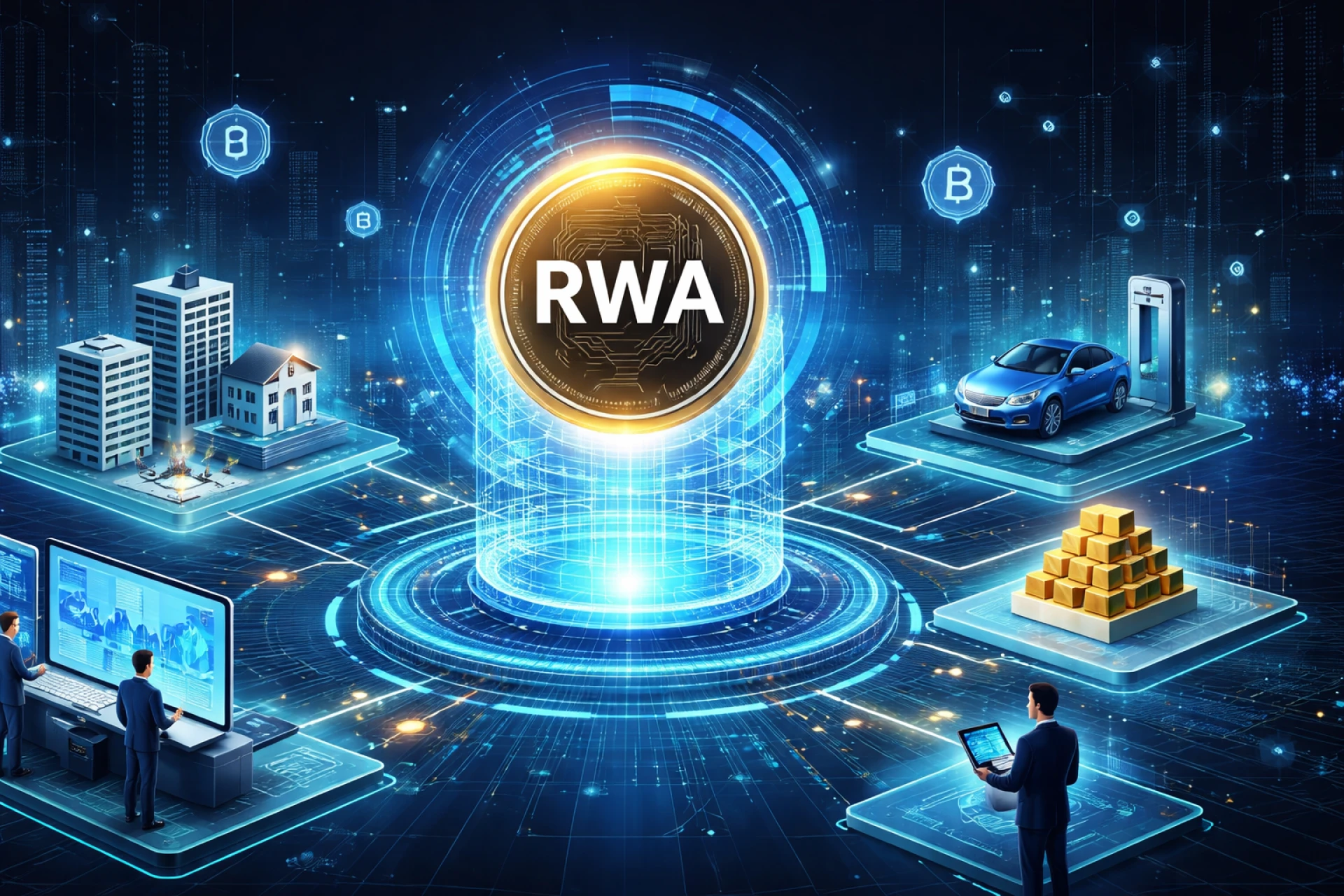

The modern enterprise operates in a world of increasingly complex assets, ranging from physical equipment and real estate to commodities and receivables. Traditionally, managing these assets involves cumbersome processes: manual record-keeping, intermediaries, lengthy reconciliations, and limited transparency. These challenges lead to inefficiencies, increased operational costs, and barriers to liquidity.
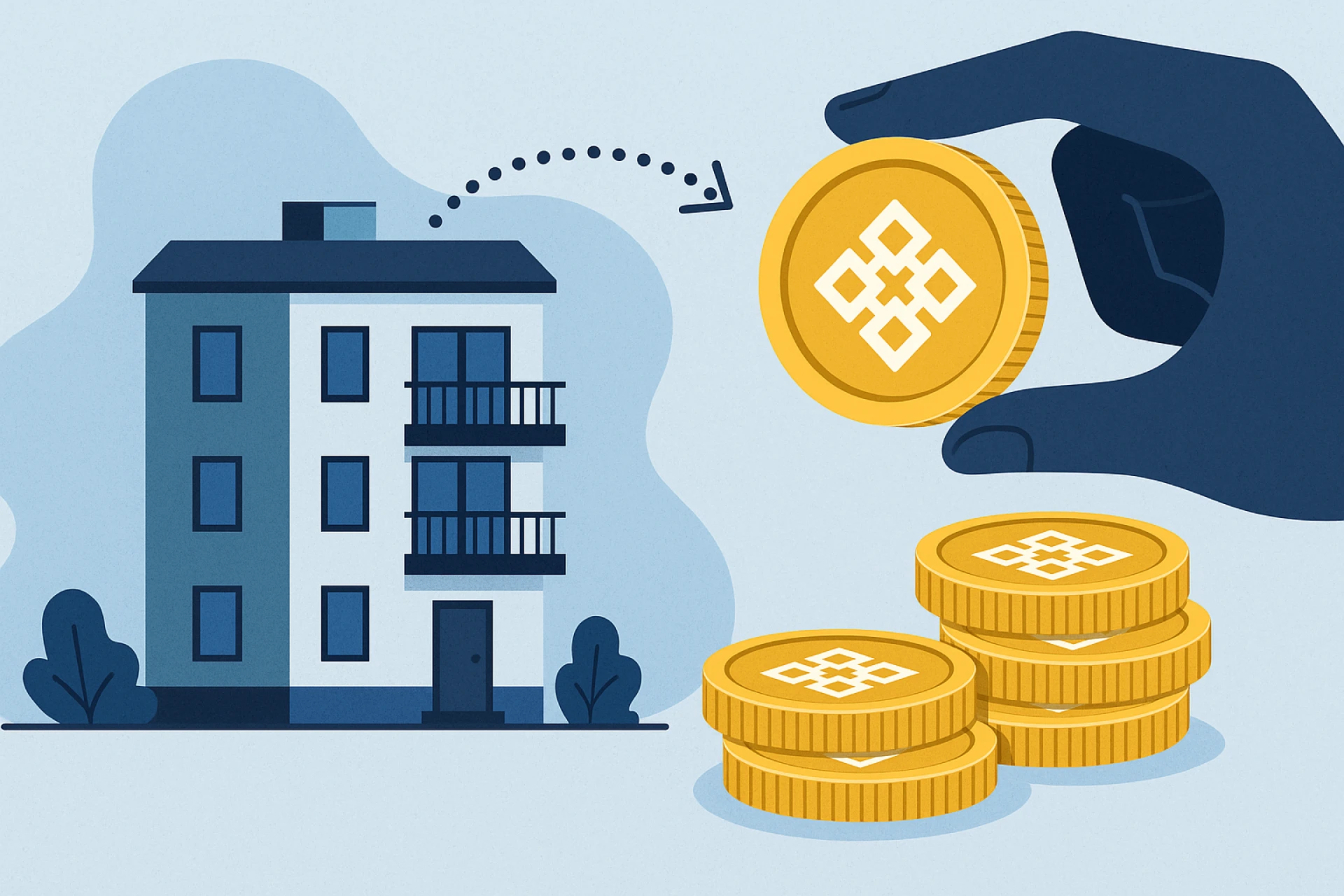
Enter RWA (Real-World Asset) token development—a blockchain-driven approach that digitizes ownership and representation of tangible assets through cryptographic tokens. By bridging the gap between physical assets and digital finance, RWA tokenization is enabling enterprises to manage, trade, and monetize real-world assets in ways previously impossible. This transformation is reshaping financial operations, investment strategies, and asset management frameworks across industries.
Understanding RWA Token Development
RWA token development involves creating blockchain-based digital tokens that represent ownership, equity, or revenue rights in a real-world asset. Unlike purely digital assets such as cryptocurrencies or NFTs, RWAs are backed by tangible items, including real estate, machinery, commodities, invoices, or even intellectual property.
Each token represents a fractional or whole interest in the asset, enabling automated transactions, governance, and compliance through smart contracts. This digital representation provides transparency, traceability, and programmability while maintaining a clear link to the underlying physical asset. Enterprises can issue RWA tokens to raise capital, enhance liquidity, or streamline operational management.
Key Advantages of RWA Token Development for Enterprises
1. Enhanced Liquidity and Fractional Ownership
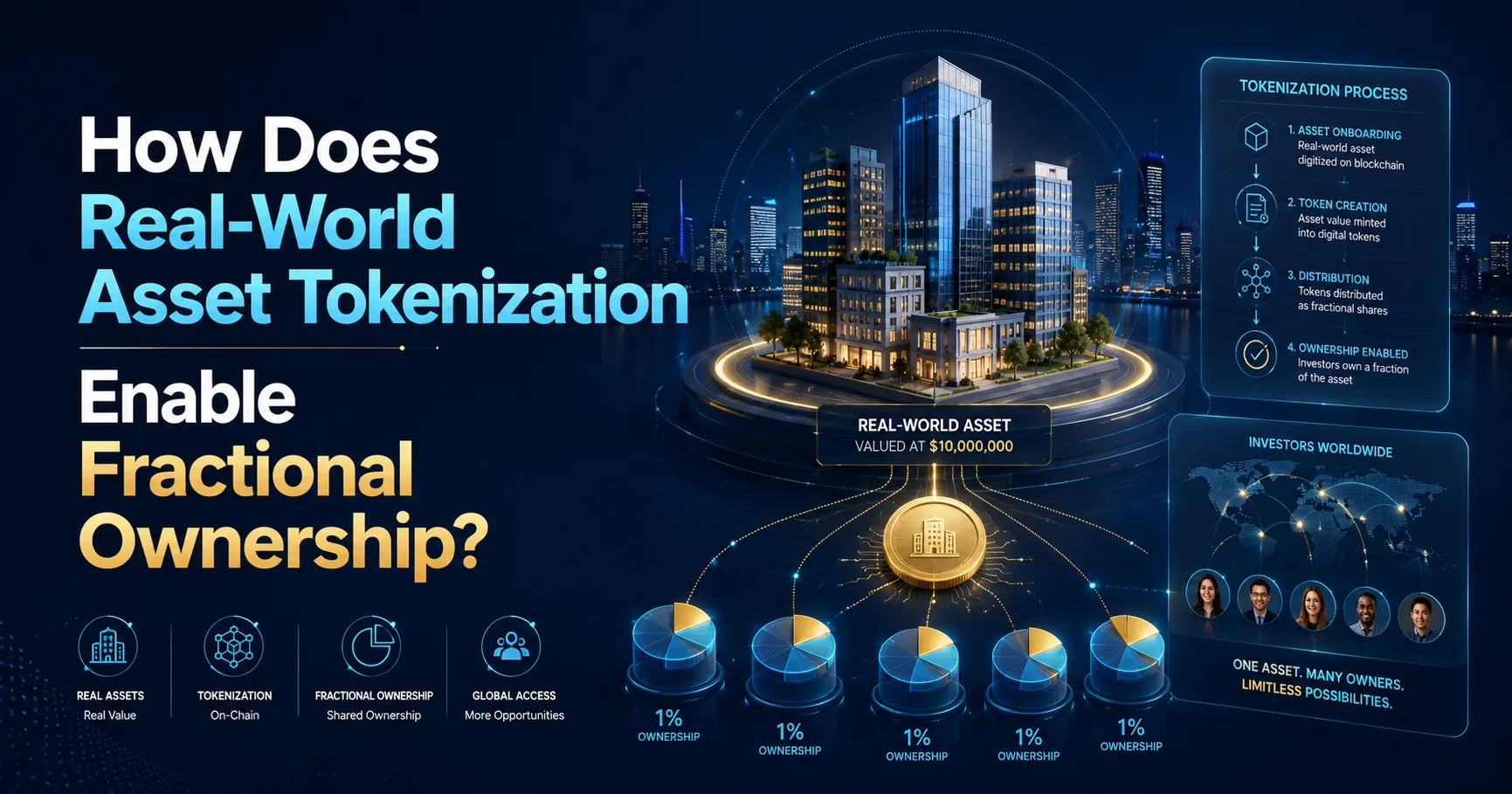
Traditional real-world assets are often illiquid. Selling a property, equipment, or commodity typically requires complex negotiations, long settlement periods, and involvement of intermediaries. By tokenizing these assets, enterprises can fractionalize ownership, enabling multiple investors or stakeholders to hold portions of the asset digitally.
Fractional ownership lowers investment barriers and creates new avenues for liquidity. Enterprises can sell or trade tokenized shares of an asset without liquidating the underlying asset entirely. This approach unlocks capital trapped in physical assets and allows companies to optimize cash flow and working capital management.
2. Transparent Asset Management
Blockchain technology ensures that every transaction involving RWA tokens is immutable and verifiable. Enterprises gain real-time visibility into asset ownership, usage, and revenue distribution. For example, a company tokenizing its fleet of machinery can track which units are in use, leased, or available for investment-backed financing.
This transparency improves internal accountability, simplifies audits, and reduces the risk of disputes or mismanagement. Investors and stakeholders can verify token-backed ownership independently, strengthening confidence and trust in asset-related operations.
3. Streamlined Compliance and Governance
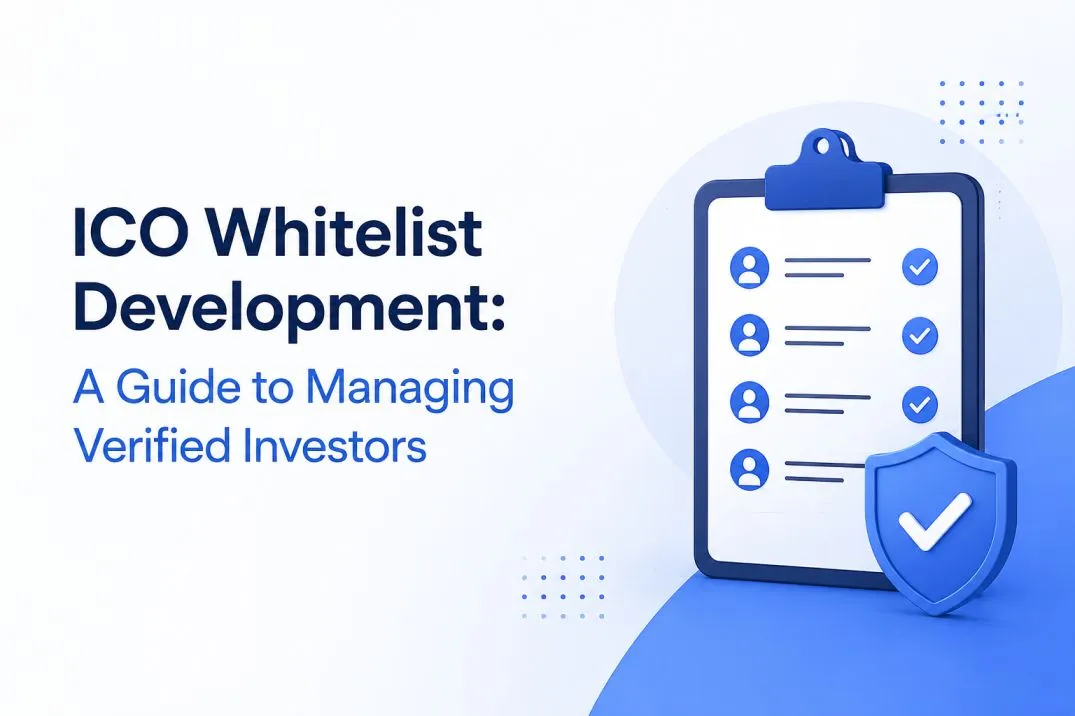
Regulatory compliance is a major challenge when managing real-world assets, especially across jurisdictions. RWA token development integrates smart contracts that automate compliance measures, such as KYC/AML verification, reporting obligations, and contractual enforcement.
Enterprises can embed governance rules directly into tokens. For instance, dividend distribution from revenue-generating assets or voting rights in asset-related decisions can be automated. This reduces manual intervention, minimizes errors, and ensures that compliance protocols are consistently enforced across all token holders.
4. Cost Efficiency and Reduced Intermediaries
Managing physical assets traditionally involves intermediaries such as brokers, auditors, escrow agents, and banks. Each intermediary introduces additional costs and time delays. Tokenization reduces reliance on third parties by enabling peer-to-peer transfers and automated settlements on blockchain networks.
For example, a manufacturing company tokenizing its raw material inventory can directly sell tokenized portions to investors or other businesses without engaging traditional brokers. The result is faster transactions, lower operational costs, and simplified supply chain financing.
5. Global Access and Investment Opportunities
Tokenization allows enterprises to access global capital markets without geographical restrictions. Investors worldwide can participate in RWA-backed offerings, creating a larger and more diverse funding base. This democratization of investment opportunities increases competition, potentially driving higher valuations for tokenized assets.
Enterprises can tap into previously inaccessible investor pools while enabling smaller investors to participate in assets that traditionally required substantial capital commitments. This is particularly relevant for real estate, industrial equipment, or commodity-backed assets, where fractional ownership broadens market participation.
Types of Real-World Assets Suitable for Tokenization
Real Estate Assets
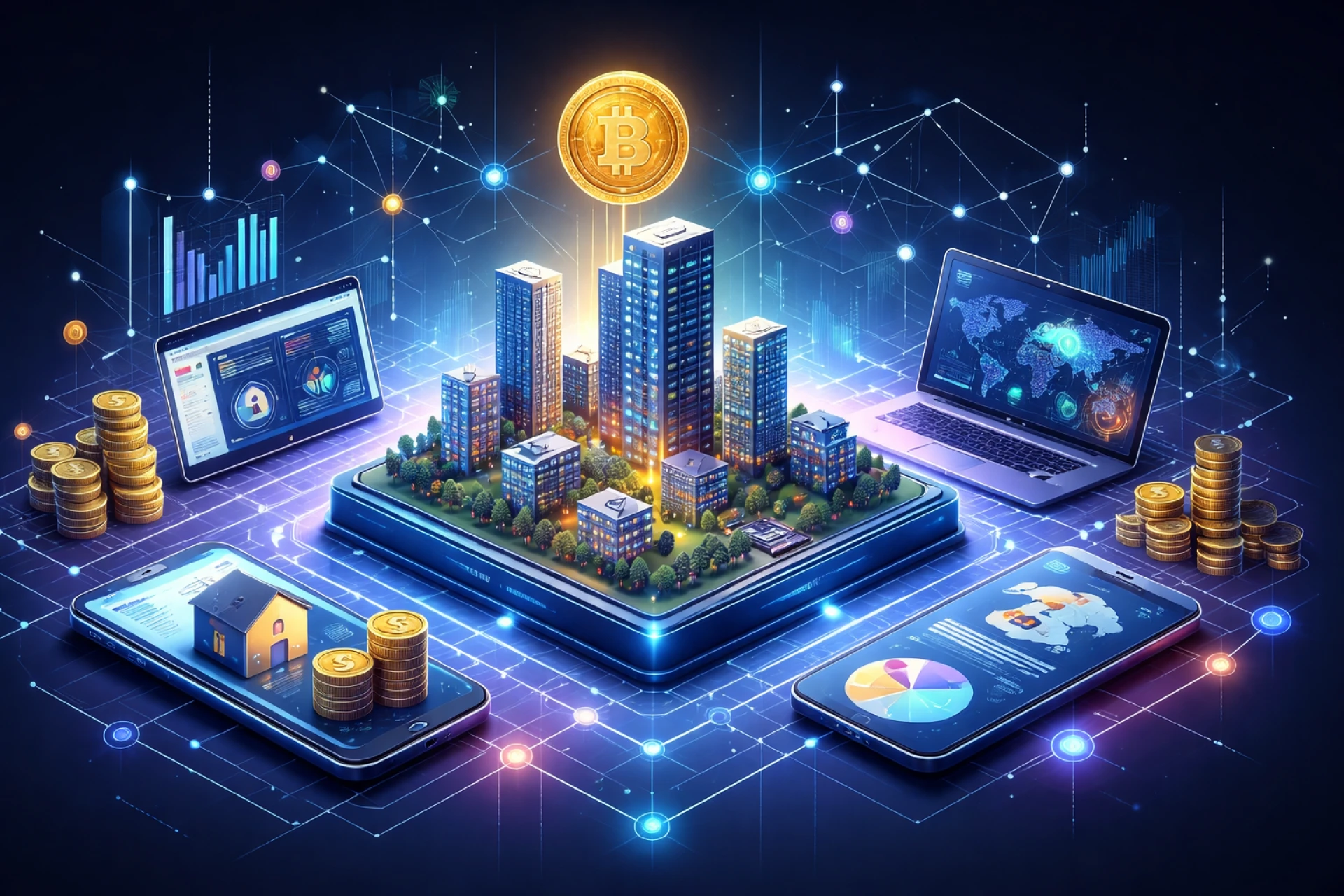
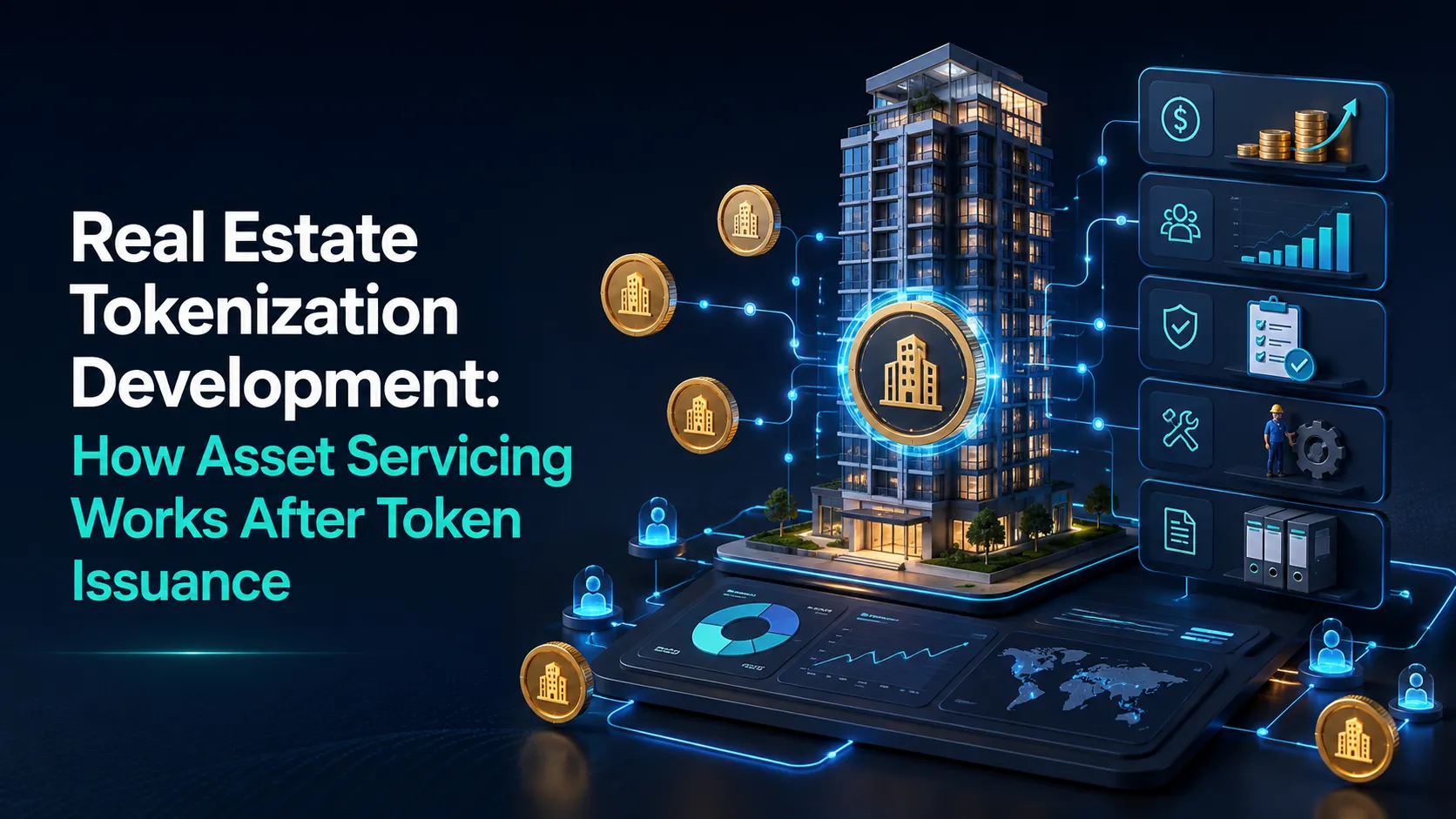
Real estate remains one of the most prominent categories for RWA tokenization. Commercial properties, luxury residential units, and mixed-use developments can be represented digitally, allowing enterprises to fractionalize ownership and distribute revenue from rentals or leases.
Tokenization of real estate enhances liquidity, facilitates cross-border investment, and simplifies asset management by automating rent collection, maintenance reporting, and governance. Smart contracts can also link investment returns to ESG compliance, sustainability metrics, or occupancy targets.
Commodities and Natural Resources
Physical commodities such as gold, silver, oil, and agricultural produce can be tokenized to create tradable digital representations. Enterprises in these sectors can use tokens to raise capital, hedge risk, or enable investors to gain exposure without physically handling the asset.
Tokenized commodities also allow efficient supply chain management. For instance, agricultural products can be traced from farm to investor in real-time, ensuring transparency, quality control, and adherence to sustainability standards.
Industrial Equipment and Machinery
Manufacturing and logistics enterprises can tokenize high-value machinery, production lines, or vehicles. Tokenized assets can be leased, traded, or used as collateral for financing, enabling enterprises to monetize idle equipment efficiently.
Blockchain-based tracking ensures operational visibility, maintenance records, and usage history are securely recorded, improving asset utilization and extending lifespan. Investors can gain fractional ownership in revenue-generating equipment, creating alternative income streams.
Accounts Receivable and Invoices
Tokenizing receivables or invoices transforms cash flow management. Enterprises can issue digital tokens representing future payments due from clients, enabling investors to buy portions of these receivables.
This approach provides immediate liquidity, reduces reliance on traditional factoring or lending, and ensures transparent repayment tracking. Smart contracts can automate payment schedules and enforce contractual obligations, minimizing credit risk for enterprises and investors.
Intellectual Property and Licenses
Digital rights, patents, trademarks, and software licenses can also be tokenized. Token holders gain fractional ownership or revenue rights linked to licensing fees, royalties, or product usage.
Tokenized intellectual property enables enterprises to raise capital, monetize intangible assets, and ensure transparent royalty distribution without relying on intermediaries. Investors benefit from a verifiable stake in IP-related revenue streams.
Applications Across Industries
Real Estate Development
Developers can tokenize upcoming projects to raise funding from multiple investors. Token holders receive fractional ownership or revenue participation, while developers maintain operational control. RWA tokenization simplifies pre-sales, revenue distribution, and regulatory reporting, accelerating project timelines.
Supply Chain and Logistics
Tokenization enables enterprises to digitize physical inventory, track shipments, and create investment-backed supply chain tokens. Investors can fund inventory purchases or logistics operations, with returns tied to delivery success, sales revenue, or usage efficiency.
Financial Services and Lending
Banks and fintech companies can tokenize loan portfolios, collateralized assets, or mortgage-backed securities. Investors gain fractional access to stable income streams, while lenders benefit from automated compliance, transparent ownership, and reduced operational friction.
Industrial and Manufacturing Enterprises
High-value equipment, production lines, or natural resources can be tokenized to unlock capital for expansion or operational efficiency. Fractional ownership allows investors to participate in industrial revenue streams without managing physical assets directly.
Challenges and Considerations
While RWA token development offers substantial benefits, enterprises must navigate several challenges:
- Legal and Regulatory Frameworks: Tokenized assets may be classified as securities in many jurisdictions, requiring compliance with complex laws.
- Valuation Accuracy: Determining the value of the underlying asset is critical for fair token issuance and investor trust.
- Technology Integration: Enterprises must implement secure blockchain infrastructure, smart contracts, and data verification systems.
- Market Adoption: Both investors and enterprises need education and trust-building to embrace tokenized asset management fully.
Addressing these challenges is essential for the long-term success of RWA tokenization initiatives.
The Future of Enterprise Asset Management
RWA token development represents a paradigm shift in how enterprises manage real-world assets digitally. By enabling fractional ownership, automated governance, transparent reporting, and global investor participation, tokenization transforms asset liquidity, efficiency, and accessibility.
In the future, enterprises may integrate RWA tokens with decentralized finance (DeFi) platforms, allowing borrowing, lending, and trading of tokenized assets in real-time. Predictive analytics and AI could further enhance token valuation, risk management, and operational planning. As blockchain adoption grows, RWA tokenization will likely become a standard tool for enterprises seeking digital transformation in asset management.
Conclusion
RWA token development is revolutionizing enterprise asset management by bridging the gap between tangible real-world assets and digital finance. Enterprises can fractionalize ownership, increase liquidity, automate governance, and attract a global pool of investors. From real estate and industrial machinery to commodities and intellectual property, tokenization allows assets to be managed, traded, and monetized efficiently, securely, and transparently.
By overcoming traditional barriers of illiquidity, administrative complexity, and limited investor access, RWA tokenization is reshaping how enterprises approach asset management in the digital age. Companies that adopt this technology can unlock new capital streams, improve operational efficiency, and gain a competitive edge, marking a fundamental shift in the enterprise landscape.




















Sign in to leave a comment.