

In today’s digital economy, trust and transparency have become the pillars of successful online interactions. Whether it’s e-commerce, finance, supply chain management, or decentralized applications (dApps), users demand accountability, security, and clarity. Traditional systems often rely on intermediaries and centralized authorities to enforce agreements, but these processes are prone to delays, errors, and fraud. This is where smart contract development comes into play. By leveraging blockchain technology, smart contracts automate agreements, enforce rules, and provide tamper-proof records, driving unprecedented levels of trust and transparency in online ecosystems.
Understanding Smart Contracts
Smart contracts are self-executing digital agreements written in code and deployed on blockchain networks. Unlike conventional contracts, which require manual enforcement and third-party verification, smart contracts automatically execute predefined actions when conditions are met. For example, a smart contract can automatically release payment once goods are delivered, distribute dividends to token holders, or manage NFT royalties without human intervention.
The decentralized nature of blockchain ensures that these contracts are immutable, traceable, and publicly verifiable. Once deployed, a smart contract cannot be altered without consensus from the network, which prevents tampering, fraud, or unauthorized modifications. This inherent security, combined with automation, forms the foundation for online transparency and trust.
The Role of Smart Contract Development in Enhancing Transparency
Transparency is a critical element of building trust online. Smart contracts development contribute to transparency in multiple ways, creating a system where all parties can confidently engage in transactions.
Immutable Transaction Records
Every transaction executed through a smart contract is permanently recorded on the blockchain. This immutability ensures that all participants can independently verify the execution and outcome of agreements. In traditional systems, transaction histories can be altered, lost, or manipulated, creating disputes and uncertainty. Blockchain’s immutable records eliminate these risks, providing a reliable, auditable history of all activities.
Auditability of Contracts
Smart contracts are fully auditable because the code defines the exact rules and conditions for execution. Developers, investors, and stakeholders can examine the contract to verify its logic, understand its triggers, and ensure compliance. This transparency prevents hidden clauses, ambiguous terms, or manipulative practices, giving participants confidence that the contract will operate exactly as intended.
Automation and Error Reduction
Smart contracts automate the execution of agreements, eliminating human intervention and associated errors. Automated execution ensures that transactions occur exactly as programmed, without delays or biases. For example, in token sales, smart contracts release tokens only after payment confirmation, ensuring that all participants are treated fairly. This reduces the possibility of disputes and reinforces transparency throughout the process.
Public Ledger Verification
The decentralized nature of blockchain allows smart contracts to be visible and verifiable on a public ledger. Anyone with access to the network can inspect transactions, ownership, and contract activity. This openness enhances confidence among users, partners, and investors, as every action is transparent and traceable. By removing opaque processes, smart contracts create a level playing field for all participants.
How Smart Contract Development Builds Trust Online
While transparency is essential, trust is equally critical for online adoption. Smart contract development fosters trust by ensuring security, predictability, and fairness in digital agreements.
Establishing a Trustless Environment
Smart contracts create a trustless environment where parties do not need to rely on each other or any central authority. The code enforces the agreement automatically, and the decentralized blockchain network ensures compliance. This reduces counterparty risk and eliminates concerns about dishonesty or fraud. Users can confidently interact with systems knowing that the smart contract’s execution is guaranteed and impartial.
Enhanced Security and Fraud Prevention
Security is fundamental to building trust online. Smart contracts, when properly developed, are resistant to tampering, unauthorized modifications, and hacking. Developers employ secure coding practices, formal verification, and third-party audits to mitigate vulnerabilities. This level of security ensures that digital assets, funds, and sensitive information remain safe, increasing confidence in online platforms and reducing the likelihood of fraud.
Fairness and Predictable Outcomes
Smart contracts operate on predefined logic that executes consistently. Every participant knows the conditions and expected outcomes, creating a predictable environment. This predictability fosters trust, as users understand how their actions will be executed and what results to expect. In financial applications, crowdfunding, or digital asset transactions, predictable smart contract execution ensures that all parties are treated fairly.
Global Accessibility and Decentralization
Smart contracts are accessible globally through decentralized blockchain networks. Parties from different countries or regions can interact securely without relying on local intermediaries, banks, or centralized authorities. This accessibility encourages cross-border collaboration and investment while maintaining transparency and trust, enabling global participation in digital markets.
Applications of Smart Contracts in Driving Transparency and Trust
Smart contract development has broad applications across multiple industries, each demonstrating how transparency and trust are enhanced:
Finance and DeFi
Decentralized finance platforms rely heavily on smart contracts to enable lending, borrowing, staking, and trading without intermediaries. Investors and users can trust that funds are managed securely and automatically, as all transactions are transparent, auditable, and governed by code. Smart contracts also ensure compliance with predefined rules, eliminating manipulation or unfair practices.
Supply Chain Management
In supply chains, smart contracts track the movement of goods, verify authenticity, and automate payments upon delivery. This real-time tracking reduces fraud, ensures timely fulfillment, and allows stakeholders to verify every step of the supply chain, building trust among manufacturers, suppliers, and customers.
Real Estate Tokenization
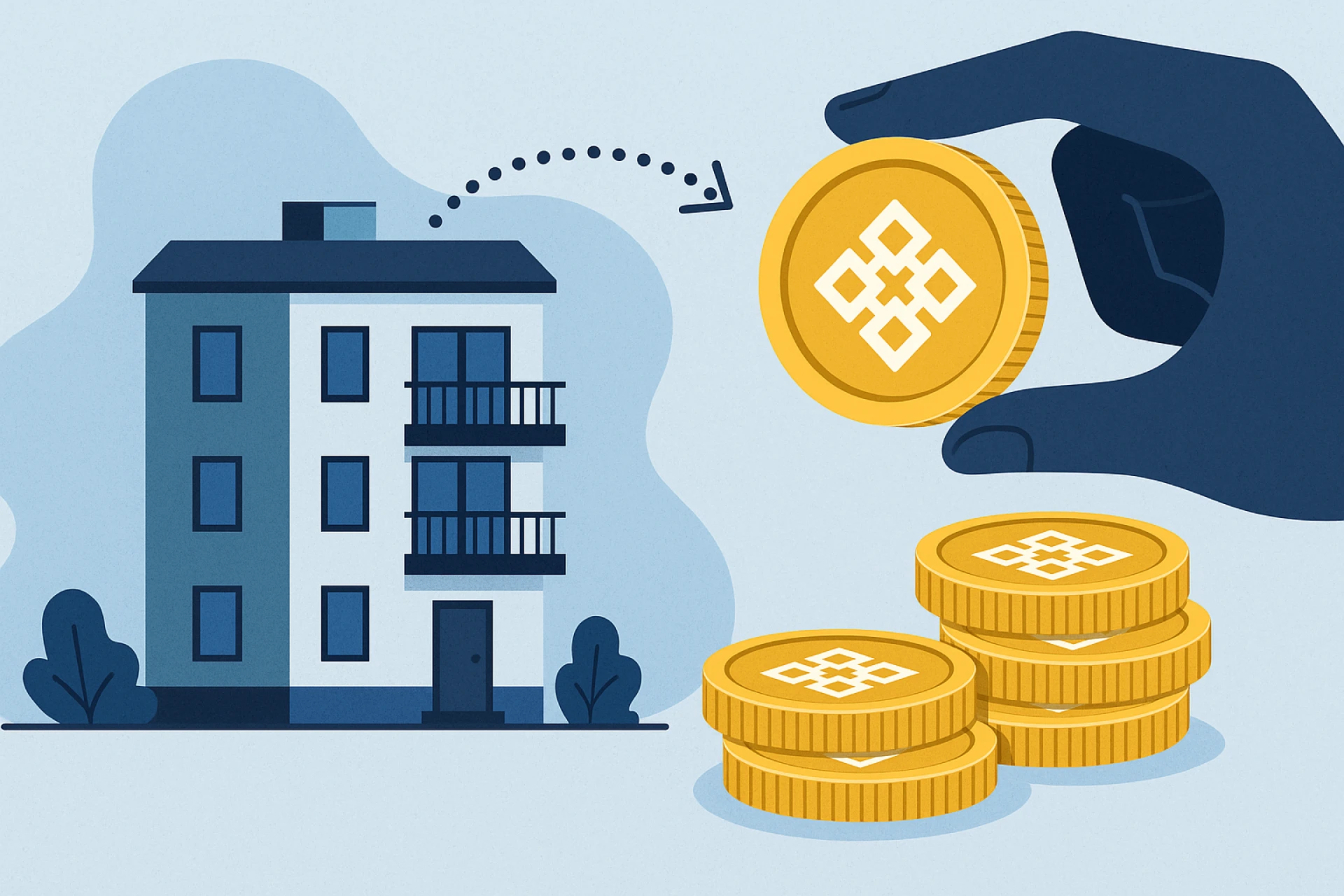
Smart contracts are transforming real estate investments by enabling fractional ownership through tokenization. Investors can verify property ownership, dividends, and transaction history on the blockchain. This transparency eliminates disputes over ownership or payments and ensures that all parties have access to verified information.
NFT Marketplaces
Smart contracts govern NFT minting, ownership transfers, and royalties, ensuring that creators are fairly compensated and buyers can verify authenticity. Transparent contract execution builds confidence in digital collectibles, preventing fraud and misrepresentation.
Insurance and Legal Agreements
Insurance companies and legal platforms use smart contracts to automate claims, payouts, and agreements. Policy conditions are enforced automatically, and contract execution is fully auditable. This reduces disputes, ensures timely settlements, and strengthens trust between insurers, clients, and regulators.
Challenges and Considerations
Despite their advantages, smart contracts face several challenges that can affect transparency and trust if not properly addressed:
Complexity and Coding Errors
Smart contracts require precise programming. Errors or vulnerabilities in the code can lead to exploits or unintended outcomes. Thorough development practices, testing, and audits are essential to maintain security and trust.
Regulatory Uncertainty
Legal recognition of smart contracts varies across jurisdictions. Regulatory compliance is crucial, especially for financial applications, token sales, and cross-border transactions. Developers must ensure contracts align with local laws to maintain legitimacy and trust.
Scalability and Network Constraints
Blockchain networks may face scalability challenges, affecting transaction speed and cost. Developers need to design contracts that balance efficiency, cost, and security to ensure users experience reliable and trustworthy interactions.
User Education and Adoption
For smart contracts to foster trust, users must understand how they work. Educating stakeholders, investors, and customers about smart contract functionality, security measures, and benefits is essential for widespread adoption and confidence.
The Future of Smart Contracts in Driving Transparency and Trust
As blockchain adoption grows, smart contracts are expected to play an increasingly central role in online ecosystems. Emerging trends include:
Integration with Artificial Intelligence
Combining smart contracts with AI can create adaptive contracts that analyze data in real time, adjust terms automatically, and enhance transparency and efficiency.
Cross-Chain and Interoperable Contracts
Future smart contracts will operate across multiple blockchain networks, enabling seamless transactions and collaboration between different ecosystems while maintaining transparency.
Tokenized Economies and Decentralized Governance
Smart contracts will facilitate tokenized economies, decentralized governance models, and autonomous organizations where transparency and trust are intrinsic to system operations.
Enhanced Analytics and User Interfaces
Developers are building intuitive dashboards and analytics tools that allow users to track contract execution, transaction history, and performance in real time, increasing trust through visibility and control.
Conclusion
Smart contract development is transforming online interactions by embedding transparency, trust, and security into the very fabric of digital agreements. By leveraging blockchain technology, smart contracts provide immutable records, automated execution, auditable logic, and global accessibility. They enable trustless interactions where fairness, predictability, and accountability are guaranteed by code.
Across industries—from finance and DeFi to supply chains, real estate, and NFTs—smart contracts are redefining how users, investors, and businesses interact online. While challenges such as regulatory uncertainty, coding complexity, and scalability remain, ongoing advancements in blockchain technology, auditing practices, and developer expertise are addressing these concerns.































Sign in to leave a comment.