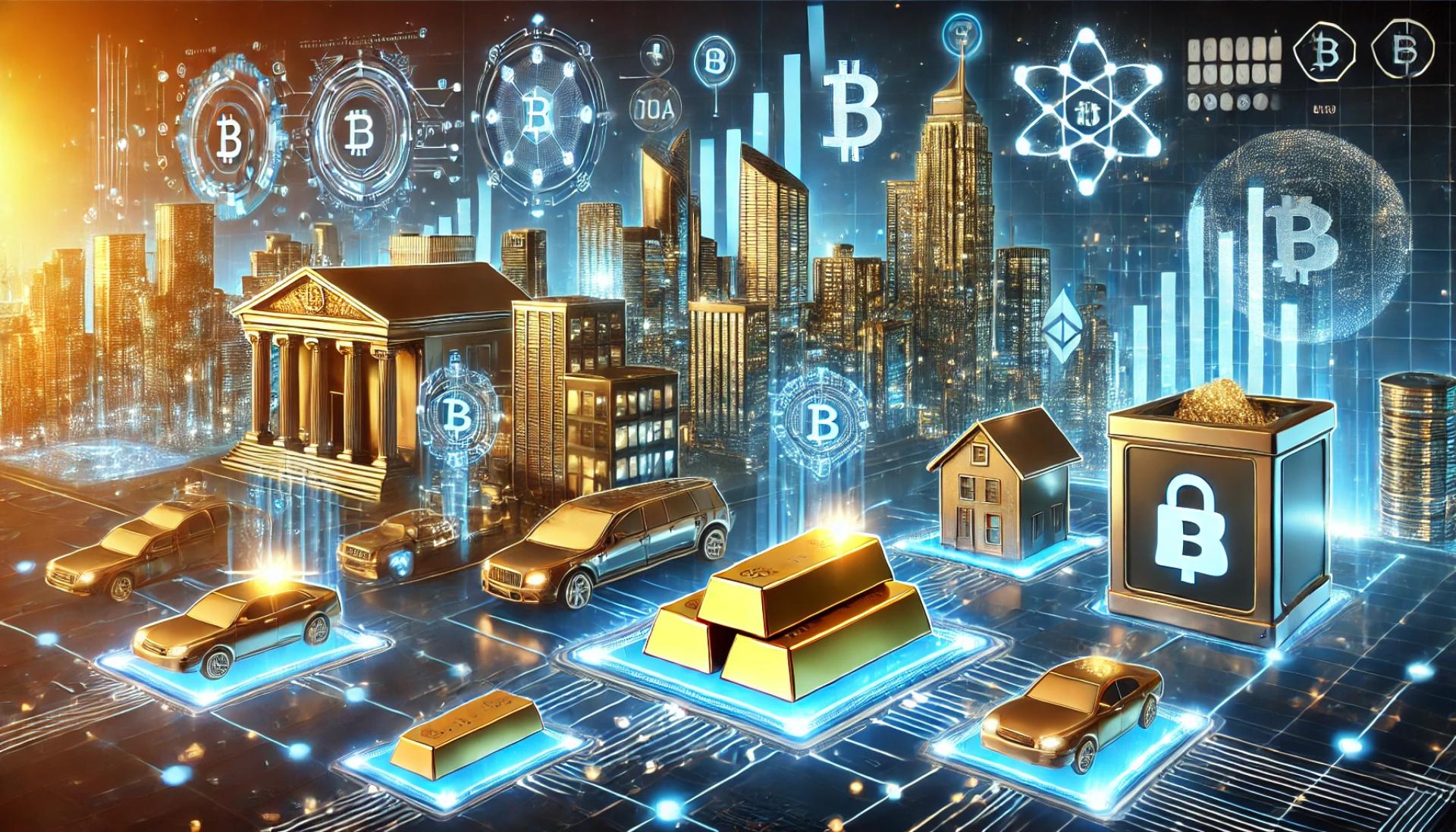

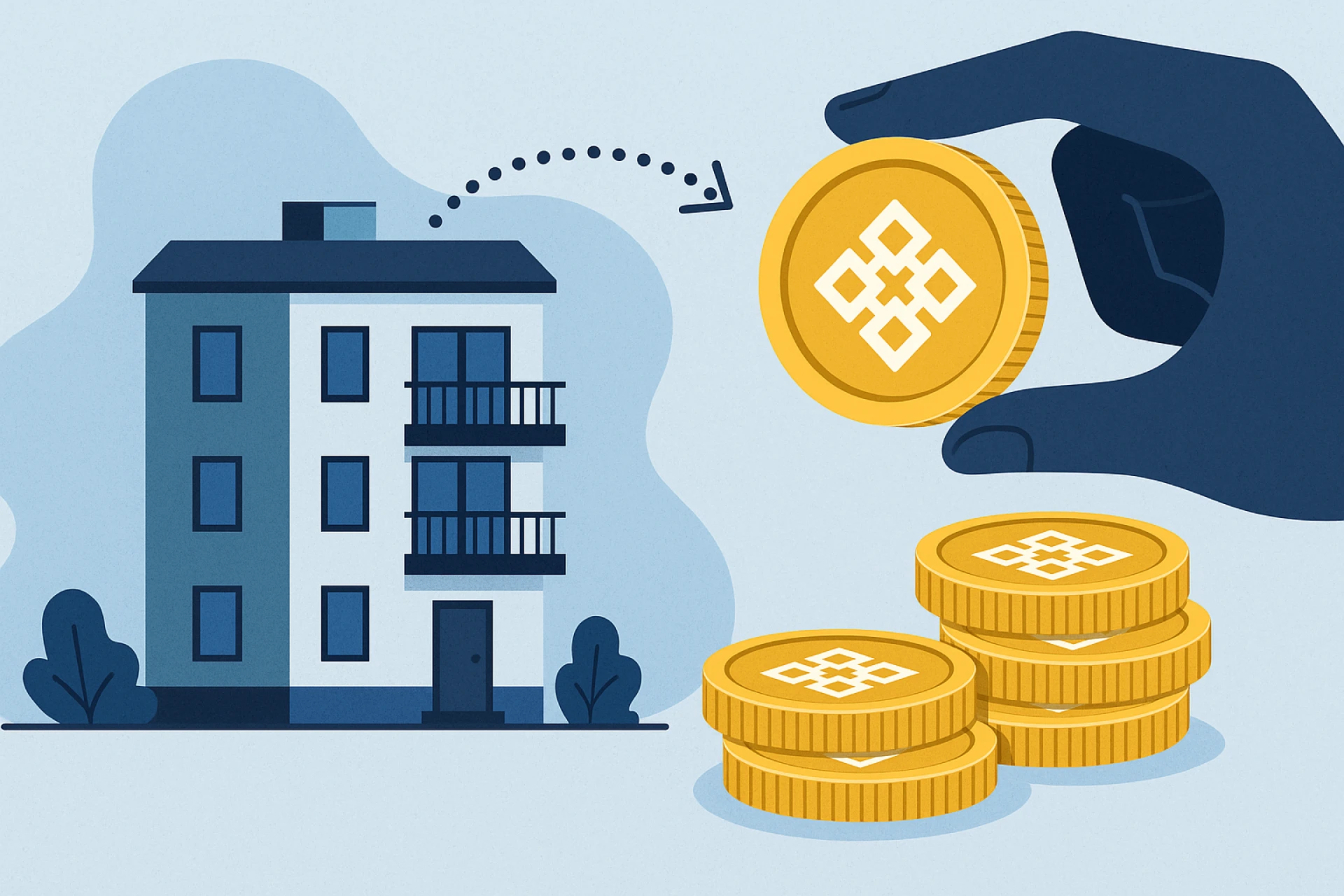
The world of real estate investment is undergoing a profound transformation as blockchain technology and tokenization reshape traditional ownership models. Real estate tokenization—the process of converting physical property assets into digital tokens on a blockchain—offers investors fractional ownership, increased liquidity, and automated transaction processes. This innovative approach is redefining how individuals and institutions access, manage, and trade real estate, bridging the gap between conventional property investment and the digital financial ecosystem.
Historically, real estate has been characterized by high barriers to entry, illiquidity, and cumbersome processes for buying, selling, or transferring ownership. Tokenization addresses these challenges by converting ownership rights into blockchain-based tokens that represent a fraction of the property. These tokens are programmable through smart contracts, enabling automatic management of income distributions, compliance, and transfers. As a result, tokenized real estate is opening new opportunities for investors, developers, and asset managers, creating a more transparent, efficient, and global property market.
Understanding Real Estate Tokenization
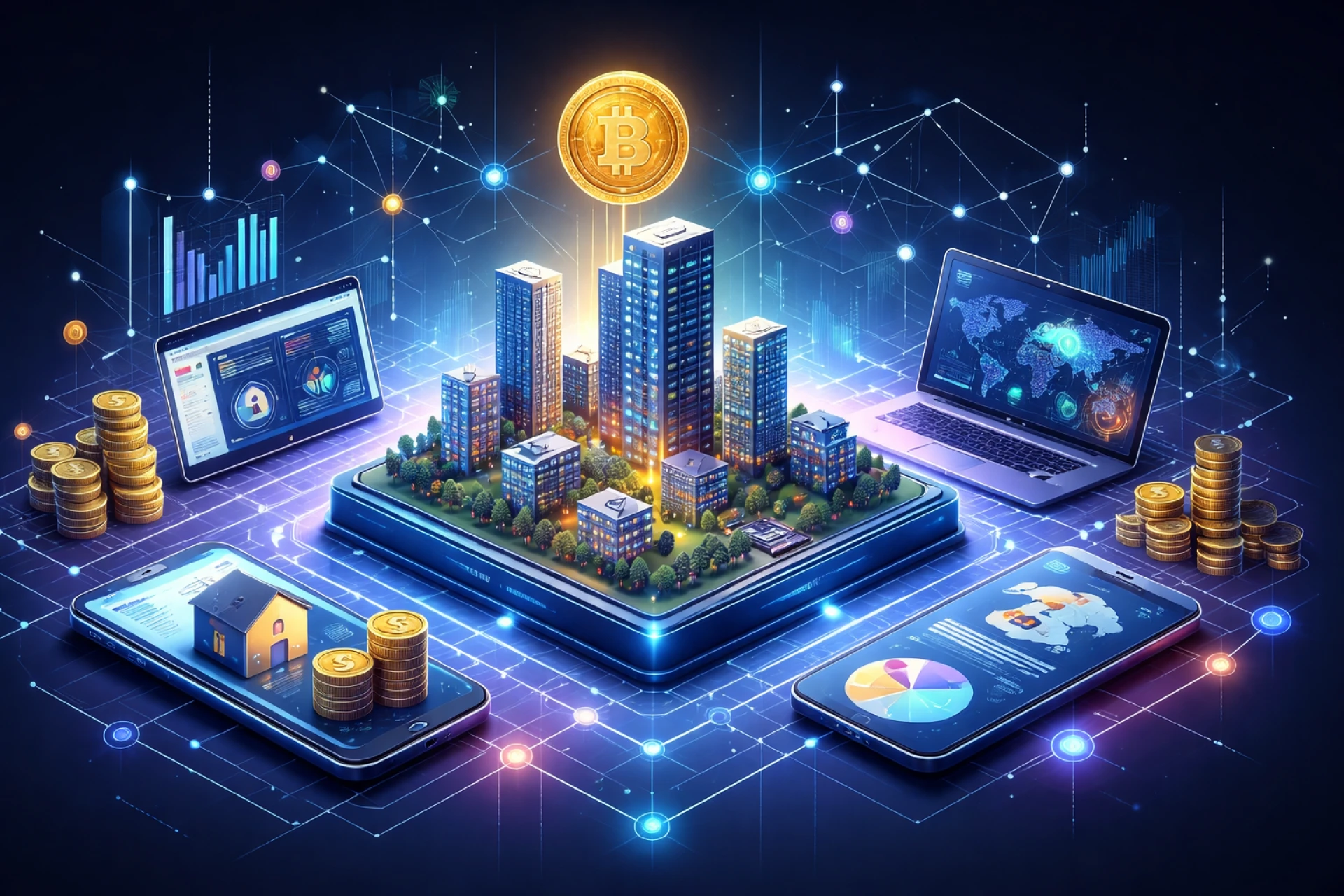
Real estate tokenization involves creating digital representations of property assets that are recorded on a blockchain. Each token represents a specific share of the property, allowing multiple investors to participate without the need to purchase the entire asset. These tokens are managed through smart contracts, which automate critical functions such as rental income distribution, voting rights, property transfer, and regulatory compliance.
Blockchain ensures that all ownership records are immutable and transparent. Each transaction is verifiable, secure, and cannot be altered without consensus. This combination of digital representation, fractional ownership, and automation fundamentally changes how real estate tokenization development assets are bought, sold, and managed, enabling investors to diversify portfolios, access previously illiquid assets, and reduce administrative costs associated with property ownership.
Key Advantages of Real Estate Tokenization
1. Enhanced Liquidity
Traditional real estate markets are notoriously illiquid. Selling a property or a share of an asset can take months or even years. Tokenization transforms these assets into digital tokens that can be traded on secondary markets almost instantly, providing liquidity to investors. This capability allows property owners and investors to unlock capital tied up in real estate and reallocate it efficiently across their portfolios.
2. Fractional Ownership
High-value properties often exclude average investors due to the substantial capital required for ownership. Tokenization enables fractional ownership, allowing individuals to invest in portions of a property rather than the entire asset. This democratization of real estate investment opens markets to retail investors, expands funding sources for developers, and creates more diversified investment portfolios.
3. Global Accessibility
Tokenized real estate transcends geographic barriers. Investors from anywhere in the world can participate in markets that were once restricted due to location or regulatory complexity. This global reach expands the pool of potential investors and creates a more dynamic, competitive, and liquid property market.
4. Automated Processes and Reduced Costs
Smart contracts automate essential functions, including income distribution, property management approvals, and compliance with legal requirements. By reducing the need for intermediaries such as brokers, banks, and notaries, tokenization decreases operational costs while increasing efficiency and reliability. Automated processes also minimize human error, delays, and disputes.
5. Transparency and Security
Blockchain provides a secure, immutable record of property ownership and transactions. Investors can verify their holdings, track historical ownership, and ensure compliance with legal frameworks. Smart contracts enforce ownership rights and automate contractual obligations, ensuring that income distributions and governance processes occur accurately and transparently.
Applications of Real Estate Tokenization
Residential Properties
Tokenization allows individuals to invest in residential properties, including apartments, single-family homes, and multi-unit complexes. Investors can acquire fractional ownership, participate in rental income, and trade their tokens on secondary markets. Platforms managing tokenized residential properties offer enhanced liquidity and access to a broader investor base.
Commercial Real Estate
Commercial properties, including office buildings, retail spaces, and industrial facilities, can be tokenized to attract institutional and retail investors. Fractional ownership lowers entry barriers and allows investors to diversify across high-value commercial assets. Smart contracts automate lease payments, dividend distributions, and property management decisions, improving operational efficiency.
Real Estate Investment Trusts (REITs)
Traditional REITs can be tokenized to create digital shares, providing investors with liquidity and easy access to diversified property portfolios. Tokenized REITs enable trading on blockchain networks, allowing for faster settlements and lower transaction costs compared to traditional financial markets.
Hospitality and Vacation Rentals
Hotels, resorts, and vacation rental properties can be tokenized to allow fractional ownership and participation in rental income. Investors gain exposure to hospitality assets without managing day-to-day operations, while operators access broader funding sources for property development or renovation.
Mixed-Use Developments
Tokenization of large-scale mixed-use developments enables multiple investors to participate in residential, commercial, and retail components of a project. Smart contracts manage revenue distribution from various income streams, ensuring transparent and efficient operations while attracting a diverse set of investors.
Real-World Examples of Tokenized Real Estate
- RealT: A platform enabling fractional ownership of residential properties in the United States, allowing investors to earn rental income automatically through smart contracts.
- SolidBlock: Provides tokenization services for commercial properties, offering institutional-grade investment opportunities and global market access.
- BrickMark: Focused on luxury real estate, enabling investors to buy, trade, and manage high-value property assets through blockchain-based tokens.
- Propy: Facilitates property transactions using blockchain, integrating tokenization, digital documentation, and automated settlement processes.
Challenges in Real Estate Tokenization
While the benefits of tokenization are clear, several challenges remain:
- Regulatory Complexity: Real estate tokenization intersects with securities laws, property laws, and international regulations. Ensuring compliance across jurisdictions is critical.
- Market Adoption: Widespread adoption requires educating investors, developers, and regulators on tokenization mechanics and benefits.
- Valuation and Appraisal: Accurate property valuation is essential to maintain investor trust and prevent market distortions.
- Liquidity Management: Although tokenization improves liquidity, market depth may be limited for specific assets, requiring careful planning and market design.
- Technology Risks: Blockchain and smart contract vulnerabilities necessitate robust security protocols and regular audits.
Future Trends in Real Estate Tokenization
- Integration with DeFi: Tokenized properties can be used as collateral for decentralized finance products, enabling lending, staking, and other financial activities.
- Cross-Border Real Estate Investment: Global tokenized markets allow investors to access international properties easily, expanding opportunities and capital flows.
- AI-Driven Property Management: Artificial intelligence can optimize rental pricing, maintenance scheduling, and investment decision-making for tokenized assets.
- Sustainable and ESG-Focused Properties: Tokenization of environmentally sustainable and ESG-compliant properties attracts socially conscious investors and aligns capital with impact goals.
- Institutional Adoption: Real estate funds, banks, and large developers are exploring tokenization to enhance liquidity, attract global investors, and streamline operations.
Conclusion
Real estate tokenization is redefining ownership and investment opportunities by converting traditional property assets into digital, fractional, and tradable tokens. By increasing liquidity, lowering entry barriers, automating processes, and enhancing transparency, tokenization democratizes access to real estate markets and creates new avenues for investors and developers alike.
While challenges such as regulatory complexity, market education, and valuation accuracy exist, the potential of tokenized real estate is undeniable. As blockchain adoption grows and regulatory frameworks evolve, tokenization is set to transform the global real estate market, making ownership more flexible, investments more accessible, and transactions more efficient.
The future of property investment is digital, transparent, and inclusive—real estate tokenization development is at the forefront of this evolution, bridging traditional markets with the decentralized economy and unlocking unprecedented opportunities for investors worldwide.



















Sign in to leave a comment.