

In the rapidly evolving landscape of blockchain and digital finance, Initial Coin Offerings (ICOs) have emerged as a revolutionary mechanism for raising capital. While traditionally associated with digital tokens and cryptocurrencies, ICOs are now being leveraged to unlock funding for real-world assets (RWAs), including real estate, infrastructure, and commodities. By combining blockchain technology with asset tokenization, ICO development offers investors and businesses an unprecedented level of transparency, liquidity, and accessibility. This article explores how ICO development is shaping funding opportunities for real-world assets, the benefits it provides, and the steps required to execute a successful ICO.
Understanding ICO Development
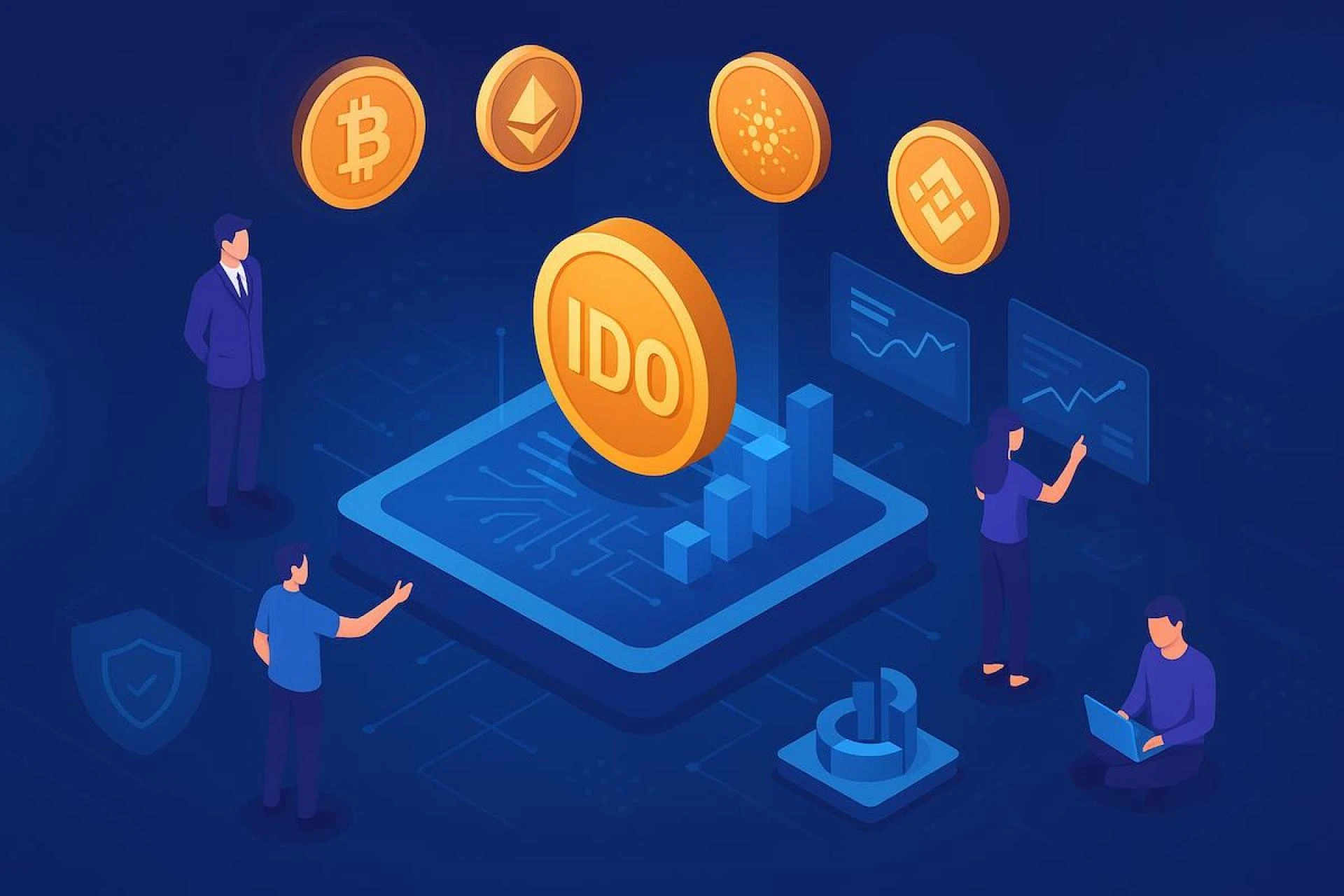
An Initial Coin Offering (ICO) is a fundraising method in which a project issues digital tokens to investors in exchange for capital, typically in the form of cryptocurrencies such as Bitcoin or Ethereum. ICOs are often compared to Initial Public Offerings (IPOs) in traditional finance, but they operate within a decentralized, blockchain-based framework.
ICO development involves several technical, legal, and marketing components. From creating the token smart contracts to designing the tokenomics and ensuring compliance with regulations, every step must be meticulously planned. Developers and project managers play a critical role in structuring an ICO that not only attracts investors but also ensures long-term project sustainability.
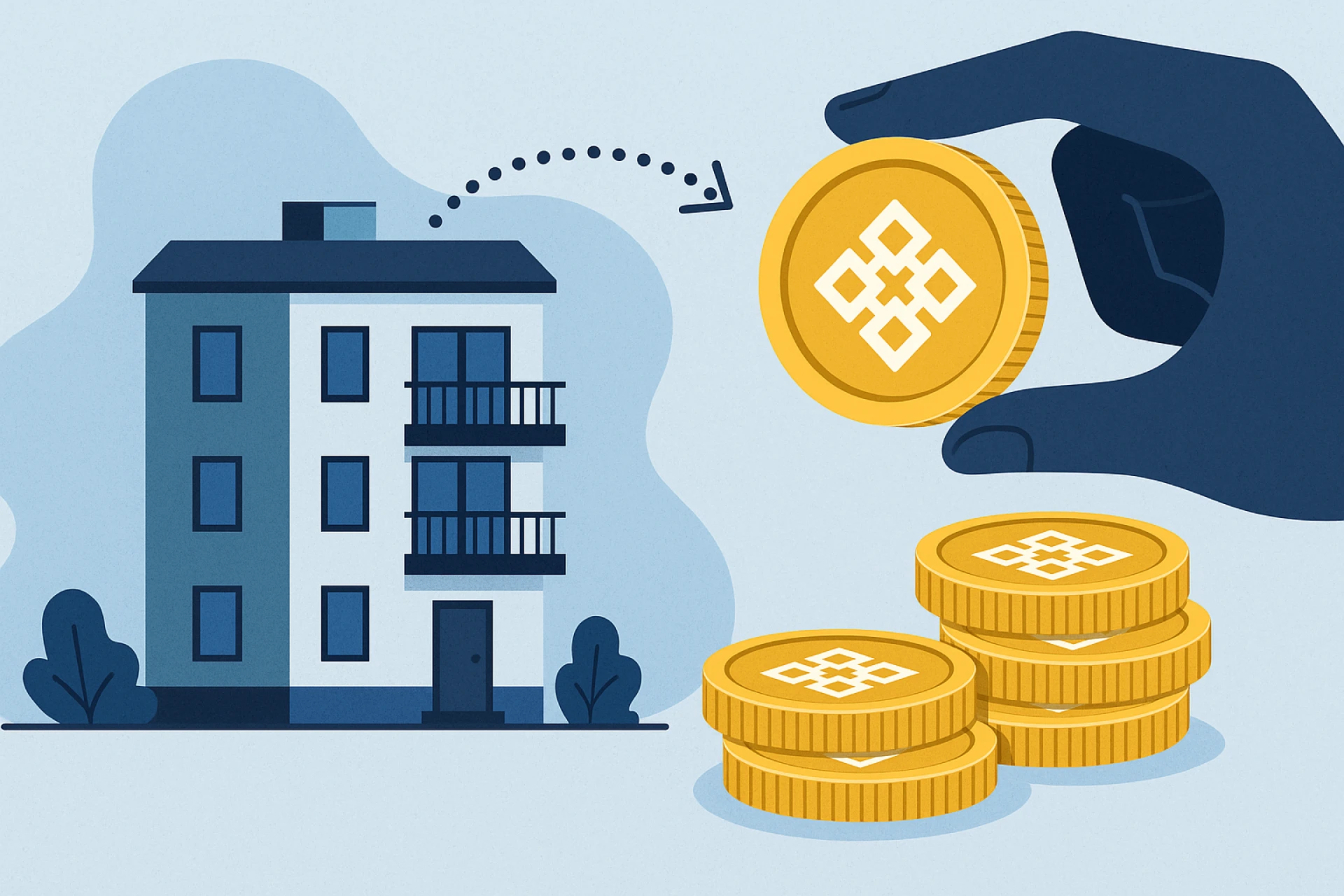
When applied to real-world assets, ICOs transcend the limitations of conventional fundraising methods. Traditional financing for real estate or commodities often involves bureaucratic processes, high fees, and limited access for smaller investors. By tokenizing these assets and conducting an ICO, businesses can unlock fractional ownership opportunities, expand their investor base globally, and increase liquidity in previously illiquid markets.
Tokenization of Real-World Assets
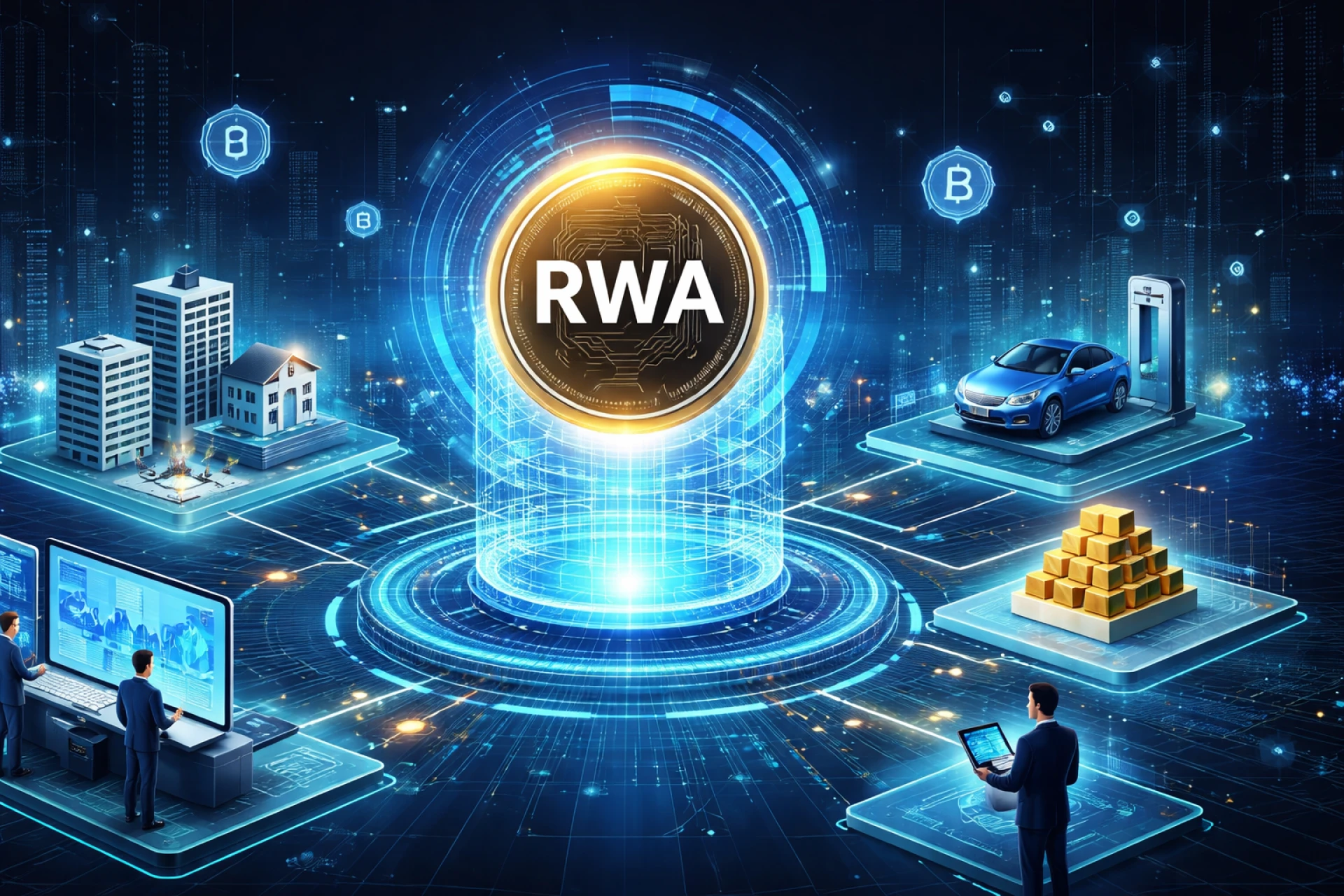
At the core of ICO development for real-world assets is tokenization, the process of converting ownership of an asset into a digital token on a blockchain. These tokens can represent shares in real estate projects, ownership of fine art, stakes in infrastructure projects, or even rights to commodities such as gold or oil.
Tokenization offers several key advantages:
- Fractional Ownership: Investors can buy small portions of high-value assets, lowering the barrier to entry and democratizing investment opportunities.
- Increased Liquidity: Tokenized assets can be traded on secondary markets, providing liquidity that is often unavailable in traditional markets.
- Transparency and Security: Blockchain’s immutable ledger ensures that ownership records are transparent, secure, and verifiable.
- Global Access: Investors worldwide can participate in ICOs, broadening the pool of capital for real-world asset projects.
For example, a commercial real estate developer can issue tokens representing fractions of a property, allowing investors to own a portion of the building. Token holders can receive rental income or profit from property appreciation, all recorded on the blockchain for transparency and automation.
The ICO Development Process for Real-World Assets
Developing an ICO for real-world assets requires a well-orchestrated strategy that combines technical execution, legal compliance, and investor engagement. Here’s a step-by-step breakdown of the process:
1. Conceptualization and Feasibility Analysis
The first step is identifying the asset to be tokenized and assessing its market potential. Developers and project teams must conduct thorough feasibility studies, including market demand analysis, regulatory considerations, and projected returns. Clear objectives and a value proposition are crucial to attracting investors.
2. Legal Compliance and Regulatory Considerations
Regulatory compliance is one of the most critical aspects of ICO development. Different jurisdictions have varying rules regarding securities, investments, and digital assets. Consulting legal experts ensures the ICO adheres to Anti-Money Laundering (AML), Know Your Customer (KYC), and other relevant regulations. Non-compliance can lead to severe penalties or project shutdowns.
3. Token Design and Smart Contract Development
Tokens are the backbone of an ICO. Developers must define the token’s type (security, utility, or hybrid), total supply, distribution mechanism, and governance features. Smart contracts automate transactions, enforce rules, and ensure the secure issuance of tokens. Blockchain platforms such as Ethereum, Solana, or Binance Smart Chain are popular choices for token deployment.
4. Creating a Whitepaper
A whitepaper serves as the ICO’s blueprint, providing potential investors with a detailed overview of the project, including the asset being tokenized, tokenomics, legal compliance, roadmap, and risk assessment. A transparent and comprehensive whitepaper instills confidence in investors and improves the likelihood of a successful ICO.
5. Marketing and Community Building
Marketing is crucial to generate awareness and attract investors. ICO campaigns leverage social media, crypto forums, influencer partnerships, email marketing, and press releases to reach a global audience. Building a strong community around the project fosters trust and encourages investor participation.
6. Launch and Fundraising
Once all technical and legal frameworks are in place, the ICO is launched. Investors can purchase tokens using cryptocurrencies or fiat money. ICOs often include pre-sale and public sale phases to reward early adopters. Transparency during this stage is essential to maintain credibility.
7. Post-ICO Management
After the ICO, ongoing communication with token holders is vital. Projects must update investors on asset performance, revenue distribution, and future growth plans. Additionally, tokens may be listed on exchanges to enable trading and enhance liquidity for investors.
Advantages of ICOs for Real-World Asset Funding
ICOs provide unique benefits when applied to real-world asset funding. These advantages include:
Enhanced Liquidity
Traditionally, assets like real estate or infrastructure are illiquid, requiring significant time and effort to sell. Tokenization via an ICO allows fractional trading of these assets on digital marketplaces, providing investors with a way to buy or sell portions quickly.
Lower Barriers to Entry
By enabling fractional ownership, ICOs allow small investors to participate in high-value projects that were previously accessible only to large institutional investors. This democratization expands the investor base and increases overall funding potential.
Transparency and Security
Blockchain’s immutable ledger ensures transparent ownership records and transaction histories. Smart contracts automatically enforce rules and distribute dividends, reducing the risk of fraud or mismanagement.
Global Reach
ICOs remove geographical limitations, enabling global investors to participate in asset-backed projects. This opens access to a broader pool of capital, increasing fundraising potential and creating a more diverse investor base.
Challenges in ICO Development for Real-World Assets
Despite their advantages, ICOs for real-world assets face several challenges:
- Regulatory Uncertainty: Varying global regulations can complicate compliance and create legal risks.
- Market Volatility: Cryptocurrency markets are highly volatile, which may affect investor confidence and the value of raised funds.
- Technical Complexity: Developing secure smart contracts and ensuring blockchain integration requires skilled technical expertise.
- Investor Education: Many potential investors may not fully understand ICOs or tokenized real-world assets, necessitating educational initiatives and transparent communication.
Addressing these challenges requires careful planning, expert consultation, and ongoing risk management throughout the ICO lifecycle.
Use Cases of ICOs in Real-World Asset Funding
ICOs have demonstrated potential across multiple industries when applied to real-world assets. Some notable use cases include:
Real Estate
Real estate tokenization allows investors to buy fractions of residential, commercial, or industrial properties. This approach provides liquidity, enables global participation, and reduces reliance on traditional financing.
Infrastructure Projects
Governments and private companies can raise funds for infrastructure development, such as roads, bridges, or renewable energy projects, through ICOs. Token holders may receive dividends from project revenues or usage fees.
Commodities
Tokenizing commodities like gold, silver, or oil enables fractional ownership and simplifies trading. Investors gain exposure to physical assets without the complexities of storage or logistics.
Art and Collectibles
High-value art pieces and collectibles can be tokenized, providing fractional ownership opportunities for art enthusiasts and investors. Blockchain ensures provenance verification, authenticity, and secure ownership records.
The Future of ICO Development for Real-World Assets
The convergence of ICOs and real-world asset tokenization is redefining investment and fundraising landscapes. As blockchain technology matures and regulatory frameworks stabilize, we can expect broader adoption across industries.
Future trends may include:
- Integration with Decentralized Finance (DeFi): Tokenized assets could be used as collateral for loans or traded within DeFi platforms, enhancing liquidity and utility.
- Cross-Border Investment Platforms: ICOs will enable seamless international investment opportunities, bridging gaps between global investors and real-world projects.
- Enhanced Transparency with IoT and AI: Integrating IoT sensors and AI analytics with blockchain could provide real-time performance tracking of assets, improving investor confidence.
These advancements will make ICO development for real-world assets a cornerstone of modern finance, opening new avenues for capital formation and investment innovation.
Conclusion
ICO development represents a transformative approach to funding real-world assets, combining blockchain’s transparency and security with the accessibility and liquidity of digital tokens. By tokenizing assets such as real estate, infrastructure, and commodities, businesses can unlock previously untapped funding sources and provide investors with fractional ownership opportunities. While challenges like regulatory compliance and market volatility remain, the benefits of ICOs—enhanced liquidity, global reach, and democratized investment—position them as a powerful tool for the future of finance.
As ICOs continue to evolve, businesses that strategically leverage this mechanism will gain a competitive advantage, unlocking new funding opportunities and redefining how real-world assets are financed and traded. The integration of ICO development with blockchain innovation is not just a trend; it is a fundamental shift that is reshaping the landscape of global investment.


















Sign in to leave a comment.