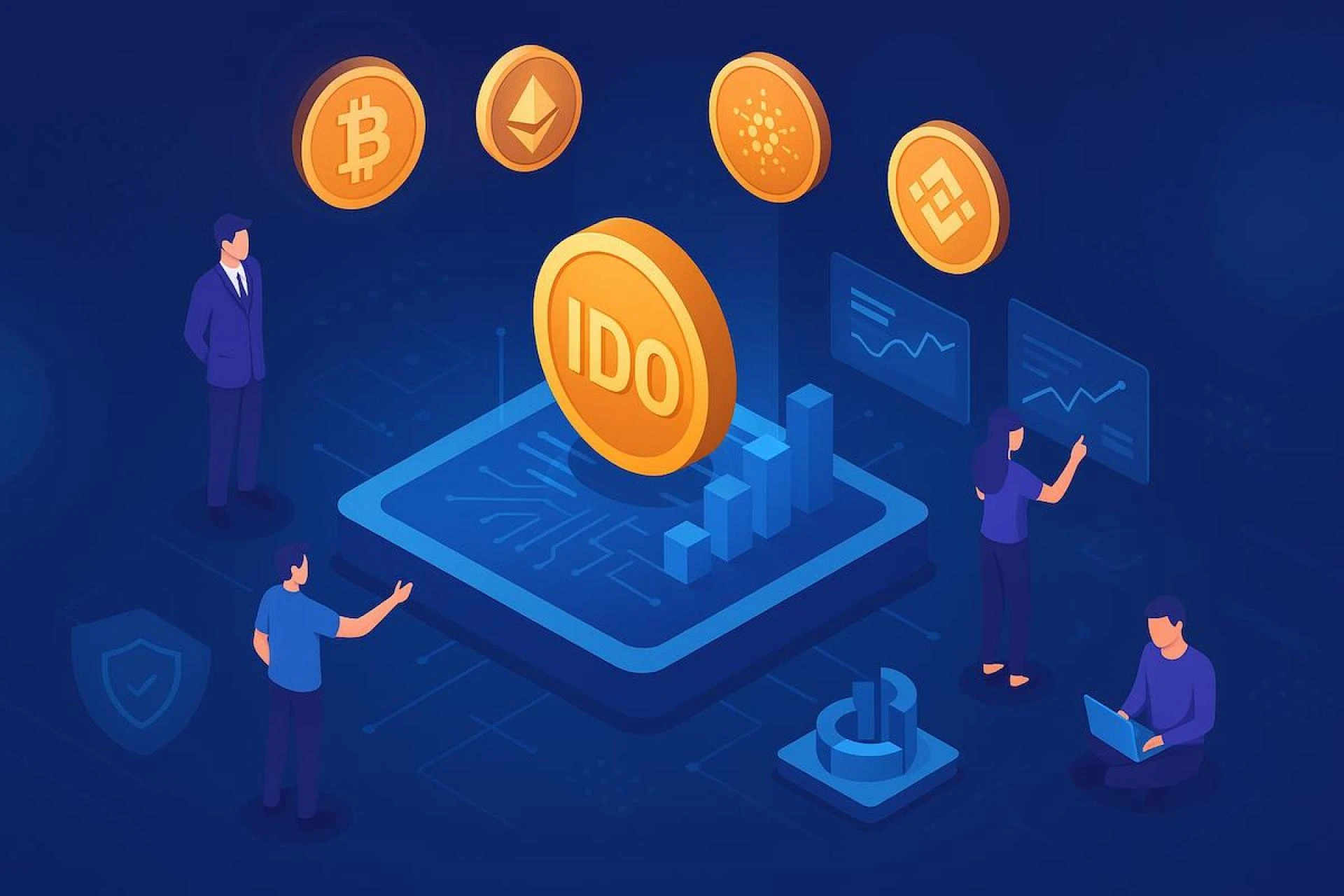

The Initial DEX Offering (IDO) has emerged as one of the most efficient fundraising mechanisms for blockchain projects, offering immediate liquidity, community-driven engagement, and accessibility to a global investor base. Unlike traditional Initial Coin Offerings (ICOs) or centralized exchange listings, IDOs leverage decentralized exchanges (DEXs) to facilitate token sales in a transparent and efficient manner. However, the success of an IDO is not accidental—it requires a meticulously planned roadmap that balances technical execution, strategic planning, and investor engagement. For startups and blockchain innovators, understanding and implementing this roadmap can make the difference between a successful launch and a missed opportunity.
This guide explores the comprehensive roadmap for IDO development, focusing on technical preparation, strategic marketing, and investor-focused strategies that ensure both immediate success and long-term sustainability.
Understanding the IDO Ecosystem
An IDO is a token launch conducted on a decentralized exchange, allowing investors to buy tokens directly from a liquidity pool. This model eliminates the need for intermediaries, enables faster trading, and provides immediate liquidity. The rise of IDOs has been fueled by the growing adoption of DeFi protocols, the demand for transparent fundraising, and the advantages of community-driven launches.
For startups, launching an IDO involves more than deploying a token on a DEX. It requires comprehensive planning across multiple domains: smart contract development, liquidity management, tokenomics design, marketing, and investor relations. A successful IDO roadmap integrates these aspects to create a seamless experience for both the project and its community.
Phase 1: Conceptualization and Market Analysis
Every successful IDO begins with a solid concept and a thorough understanding of the market landscape. This phase involves defining the token’s purpose, identifying target users, and analyzing competitors. Startups must answer critical questions such as: What problem does the token solve? Who are the ideal users? How does the token differentiate from similar projects?
Market analysis also includes understanding regulatory considerations in target jurisdictions. While IDOs are generally decentralized, compliance with KYC, AML, and securities regulations is essential to avoid legal challenges. Comprehensive market research informs tokenomics, marketing strategies, and investor engagement plans, ensuring that the IDO is positioned for long-term adoption and growth.
Phase 2: Technical Preparation
Technical readiness is the backbone of a successful IDO. This phase encompasses smart contract development, blockchain selection, tokenomics implementation, and testing.
Blockchain Selection
The choice of blockchain platform impacts transaction speed, fees, scalability, and community adoption. Ethereum, Binance Smart Chain (BSC), Solana, and Polygon are popular choices, each offering unique advantages. Ethereum is widely recognized and supported but may have higher fees, while BSC offers lower transaction costs and faster confirmations. Solana and Polygon provide high throughput and interoperability features. Startups must evaluate these factors based on target audience, transaction volume, and project requirements.
Smart Contract Development
Smart contracts automate key functions such as token issuance, vesting, staking, and liquidity management. Security is critical—vulnerabilities can result in financial loss or project failure. Developers should use well-audited templates and implement best practices for secure coding, including access control, input validation, and proper error handling.
Tokenomics Implementation
Tokenomics defines the economic behavior of the token and plays a critical role in investor confidence. Factors such as total supply, allocation, vesting periods, and utility determine market perception. Startups should design tokenomics that incentivize long-term holding, promote ecosystem participation, and prevent market manipulation. Transparent tokenomics enhance credibility and attract institutional and retail investors alike.
Testing and Auditing
Thorough testing on testnets simulates real-world usage, identifying functional or performance issues before mainnet deployment. Additionally, third-party audits from reputable firms provide an extra layer of security and assurance to investors, highlighting the project’s commitment to safety and professionalism.
Phase 3: Pre-IDO Marketing and Community Building
Marketing is as critical as technical preparation. Pre-IDO marketing focuses on generating awareness, building credibility, and engaging a loyal community.
Community Engagement
Active communities are central to IDO success. Startups should establish official channels on Telegram, Discord, and Twitter to communicate updates, host AMAs, and address queries. Early community members often become brand advocates, promoting the project and providing liquidity through token trading and staking.
Content and Social Media Strategy
Educational content such as blog posts, explainer videos, and whitepapers helps potential investors understand the token’s value proposition. Social media campaigns amplify visibility, while targeted outreach ensures that messaging reaches the right audience. AI-driven analytics can optimize campaign performance by tracking engagement, sentiment, and conversion metrics.
Influencer and KOL Partnerships
Collaborating with influencers and Key Opinion Leaders (KOLs) in the blockchain space can expand reach and build credibility. Influencers help bridge the gap between technical teams and mainstream investors, providing authentic endorsements and increasing awareness.
Incentives and Early Participation
Incentive programs such as airdrops, referral rewards, or staking bonuses encourage early adoption and liquidity contribution. By rewarding users for engagement, projects can create initial market momentum and foster loyalty.
Phase 4: IDO Launch Execution
The launch phase requires meticulous coordination with the chosen DEX to ensure smooth token distribution, liquidity provisioning, and market stability.
Token Sale Mechanics
Startups must decide on the token sale mechanism, whether through lottery-based allocation, first-come-first-served models, or tiered participation. Each approach has implications for fairness, investor satisfaction, and market perception. Transparent communication about the sale process prevents misunderstandings and ensures a positive user experience.
Liquidity Provisioning
Immediate liquidity is a key advantage of IDOs. Startups should lock liquidity in smart contracts for a defined period, preventing early withdrawal and signaling long-term commitment. Liquidity pools paired with stablecoins or major cryptocurrencies enhance trading efficiency and reduce price volatility.
Market-Making Strategies
Market makers provide consistent buy and sell orders, ensuring smooth trading and minimal slippage. Startups can partner with professional market-making firms or deploy algorithmic trading bots to maintain liquidity and stabilize token prices during the initial trading period.
Phase 5: Post-IDO Strategies for Sustainable Growth
Long-term success requires ongoing engagement, ecosystem development, and performance monitoring.
Investor Relations and Updates
Transparent communication with investors post-launch is essential. Regular updates on project milestones, development progress, and ecosystem growth maintain trust and encourage continued participation.
Staking and Utility Expansion
Staking programs and utility features enhance token value and incentivize holding. Expanding token utility across DeFi protocols, NFT platforms, and governance mechanisms increases adoption and market relevance.
Performance Analytics and Iteration
Continuous monitoring of trading activity, liquidity levels, and market sentiment informs strategic decisions. AI-driven analytics can detect trends, predict demand, and optimize future IDO phases or token releases.
Community-Driven Governance
Empowering the community through DAO governance fosters long-term engagement and decentralization. Community voting on key project decisions strengthens loyalty, improves decision-making, and ensures the project evolves in alignment with stakeholder interests.
Common Challenges and How to Overcome Them
Despite careful planning, IDOs face challenges including market volatility, regulatory scrutiny, and liquidity fluctuations. Startups must adopt proactive strategies such as locked liquidity, vesting schedules, legal compliance, and AI-powered monitoring to mitigate risks. Engaging experienced advisors, legal consultants, and market-making partners further ensures resilience and stability.
Future Trends in IDO Development
Looking ahead, IDO development is expected to integrate cross-chain functionality, AI-driven marketing, and enhanced DeFi interoperability. Layer 2 scaling solutions will reduce transaction costs and improve speed, while automated analytics platforms will optimize investor targeting and community engagement. Projects adopting these innovations will have a competitive edge in attracting investors, maintaining liquidity, and sustaining long-term growth.
Conclusion
An IDO is a powerful fundraising mechanism, but its success depends on a meticulously planned roadmap encompassing technical readiness, strategic marketing, and investor-focused initiatives. From conceptualization and smart contract IDO Development to community building, liquidity management, and post-IDO engagement, each phase plays a critical role in ensuring immediate success and sustainable growth. By adopting best practices, leveraging advanced technology, and maintaining transparent communication, startups can launch IDOs that not only attract investment but also foster thriving, engaged ecosystems. A structured, multi-phase approach ensures that the IDO delivers value to investors, developers, and the broader blockchain community, laying the foundation for long-term adoption and project success.





















Sign in to leave a comment.