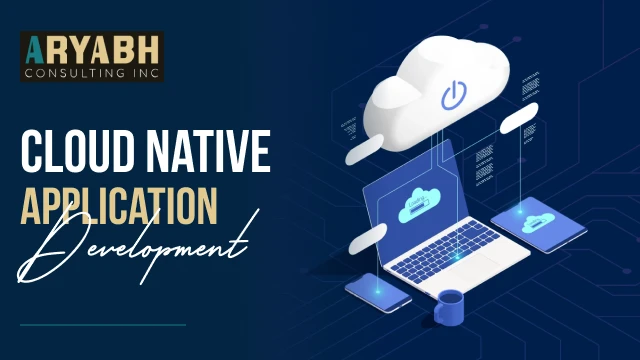

In today's rapidly evolving digital landscape, organizations must adapt faster than ever to remain relevant and competitive. Cloud Native Development has emerged as a pivotal approach for enterprises seeking efficiency, scalability, and agility in their IT systems. At Aryabh Consulting, we believe that Cloud Native Architecture is not just a trend—it's a strategic imperative for forward-thinking businesses.
What Is Cloud Native Development?
Cloud Native Development refers to building and running applications that fully exploit the advantages of cloud computing models. This approach leverages technologies like microservices, containers, Kubernetes, and continuous integration/continuous delivery (CI/CD) pipelines to create applications that are scalable, resilient, and responsive to change.
Unlike traditional monolithic systems, Cloud Native Applications are built as a collection of loosely coupled services. These services can be developed, deployed, and managed independently, allowing businesses to iterate quickly and efficiently.
Why It Matters: Business Transformation Through Cloud Native
Cloud Native Infrastructure Transformation is more than just moving workloads to the cloud. It's about rethinking how applications are built and delivered. This strategy aligns technology closely with business needs and allows us to:
- Respond swiftly to market demands
- Improve operational resilience
- Reduce time to market
- Innovate without disrupting core operations
Real-World Example:
A financial services client of Aryabh Consulting transitioned from legacy infrastructure to a Kubernetes-powered Cloud Native environment. This resulted in 40% faster deployment times and a 60% reduction in service downtime. This transformation directly enhanced user experience and business agility.
Key Benefits of Cloud Native for Enterprises
- Scalability: Easily handle growth by scaling services up or down based on demand.
- Resilience: Built-in fault tolerance through container orchestration platforms like Kubernetes.
- Faster Innovation: Deploy updates and new features rapidly without disrupting existing services.
- Optimized Costs: Pay-as-you-go infrastructure reduces overhead and resource wastage.
- Vendor Flexibility: Avoid lock-in by using open standards and cloud-agnostic tools.
The Role of Kubernetes and Microservices
Kubernetes has become the backbone of Cloud Native Development. It automates deployment, scaling, and management of containerized applications, which aligns perfectly with microservices-based architectures. At Aryabh Consulting, we deploy scalable solutions using Kubernetes to ensure high availability and optimal performance across enterprise environments.
Microservices in Cloud Native Development break large applications into smaller, independently deployable components. This enables:
- Isolated troubleshooting and maintenance
- Faster development cycles
- Independent team ownership for each service
Integrating Cloud-native DevOps
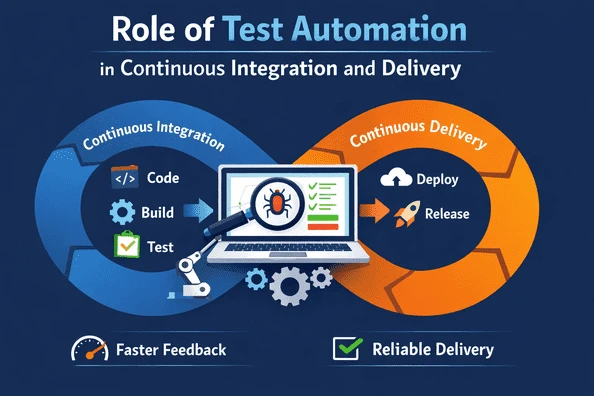
DevOps practices are essential to unlocking the full potential of Cloud Native Applications. Our approach integrates automated CI/CD pipelines, infrastructure-as-code (IaC), and real-time monitoring tools. This results in reliable deployments, faster release cycles, and improved cross-team collaboration.
Cloud Native Strategy for Businesses
A successful Cloud Native journey begins with a clear strategy. At Aryabh Consulting, we guide enterprises through each stage of transformation:
- Assessment: Understand current infrastructure and identify opportunities.
- Planning: Define goals, tools, and migration paths.
- Implementation: Adopt microservices, containers, CI/CD pipelines.
- Optimization: Monitor, tune, and evolve applications over time.
Our post-lunch support is second to none—we ensure systems remain operational, updated, and aligned with evolving business goals.
Use Cases for Cloud Native Solutions
- E-commerce: Manage high traffic volumes and frequent updates with ease.
- Healthcare: Ensure secure, scalable access to patient data.
- Finance: Minimize downtime for critical trading and payment systems.
- Manufacturing: Integrate IoT and supply chain data for real-time decision-making.
Key Takeaways
- Cloud Native Development enables agility, resilience, and scalability.
- Kubernetes and microservices are foundational components.
- DevOps integration improves release speed and system reliability.
- A strong Cloud Native strategy ensures long-term success.
- Aryabh Consulting offers full lifecycle support, from planning to ongoing operations.
FAQ: Quick Insights
1. Is Cloud Native only for large enterprises? Not at all. Businesses of all sizes can benefit from Cloud Native Applications, especially those with growth ambitions or complex operations.
2. How does Cloud Native reduce downtime? Through features like container orchestration, load balancing, and automated failover, services remain available even during updates or failures.
3. Do we need to rebuild all our applications? Not necessarily. Aryabh Consulting helps identify which parts of your system to refactor, rebuild, or retain, ensuring a phased and practical transition.
Final Thoughts
Cloud Native Development represents a significant shift in how enterprises build, deploy, and manage applications. It empowers businesses to become more agile, competitive, and resilient.
At Aryabh Consulting, we don’t just implement technology—we partner with you to ensure that your digital transformation is aligned with your business goals. Whether you're just starting or refining your Cloud Native strategy, we’re here to help.
Let’s build something scalable together. Reach out to us today

























Sign in to leave a comment.