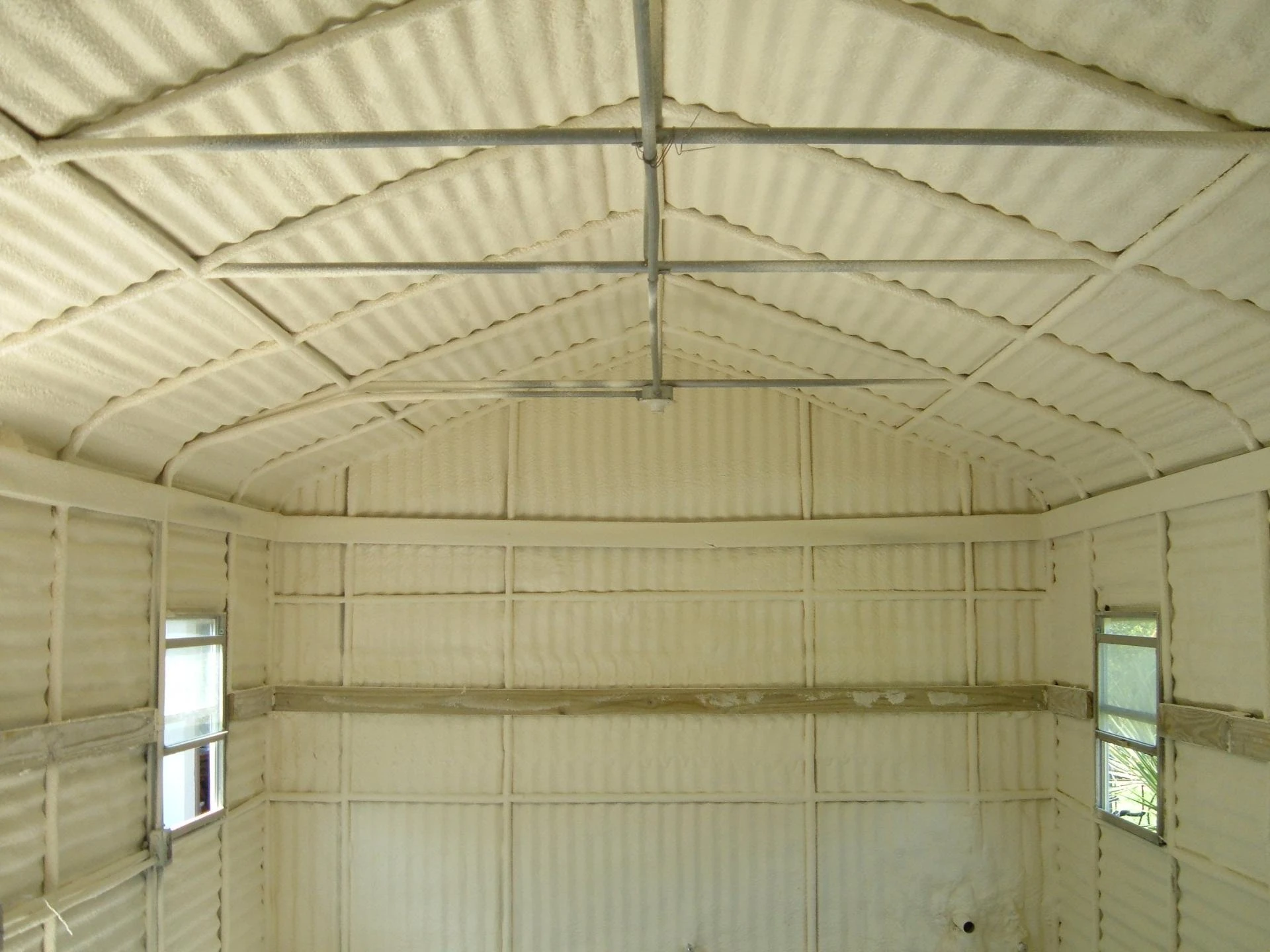

Running a commercial building isn’t just about keeping the lights on—it’s about not getting hit with energy audits, compliance violations, or jaw-dropping utility bills. Whether you're managing office space, a warehouse, or retail square footage, efficiency and code compliance are non-negotiable. Insulation plays a bigger role in that than most people realize.
Here’s the kicker—bad insulation quietly drains money, invites HVAC chaos, and creates gaps in code compliance you didn’t know existed. If your building's still running on outdated insulation, you’re not just bleeding heat or cool air—you’re risking operational headaches and even liability issues.
How Insulation Services Drives Commercial Energy Efficiency
Hiring an expert commercial insulation service isn’t just about comfort—it’s about controlling energy usage and reducing unnecessary load on heating and cooling systems.
Reducing HVAC Load and Operational Costs
The more a building leaks air, the harder the HVAC system has to work. That means higher energy consumption and more frequent maintenance.
- Insulation reduces heat transfer through walls, roofs, and floors.
- It helps maintain steady internal temperatures, which lowers peak energy demand.
- This keeps systems running efficiently and extends mechanical lifespan.
Fun Fact: Upgrading commercial insulation can reduce HVAC energy consumption by 10–40%, depending on building age and climate.

Minimizing Temperature Fluctuations in Large Spaces
Inconsistent temperatures in commercial spaces usually point to uneven insulation. Cold spots near exterior walls or overheating near skylights mean the envelope isn't doing its job.
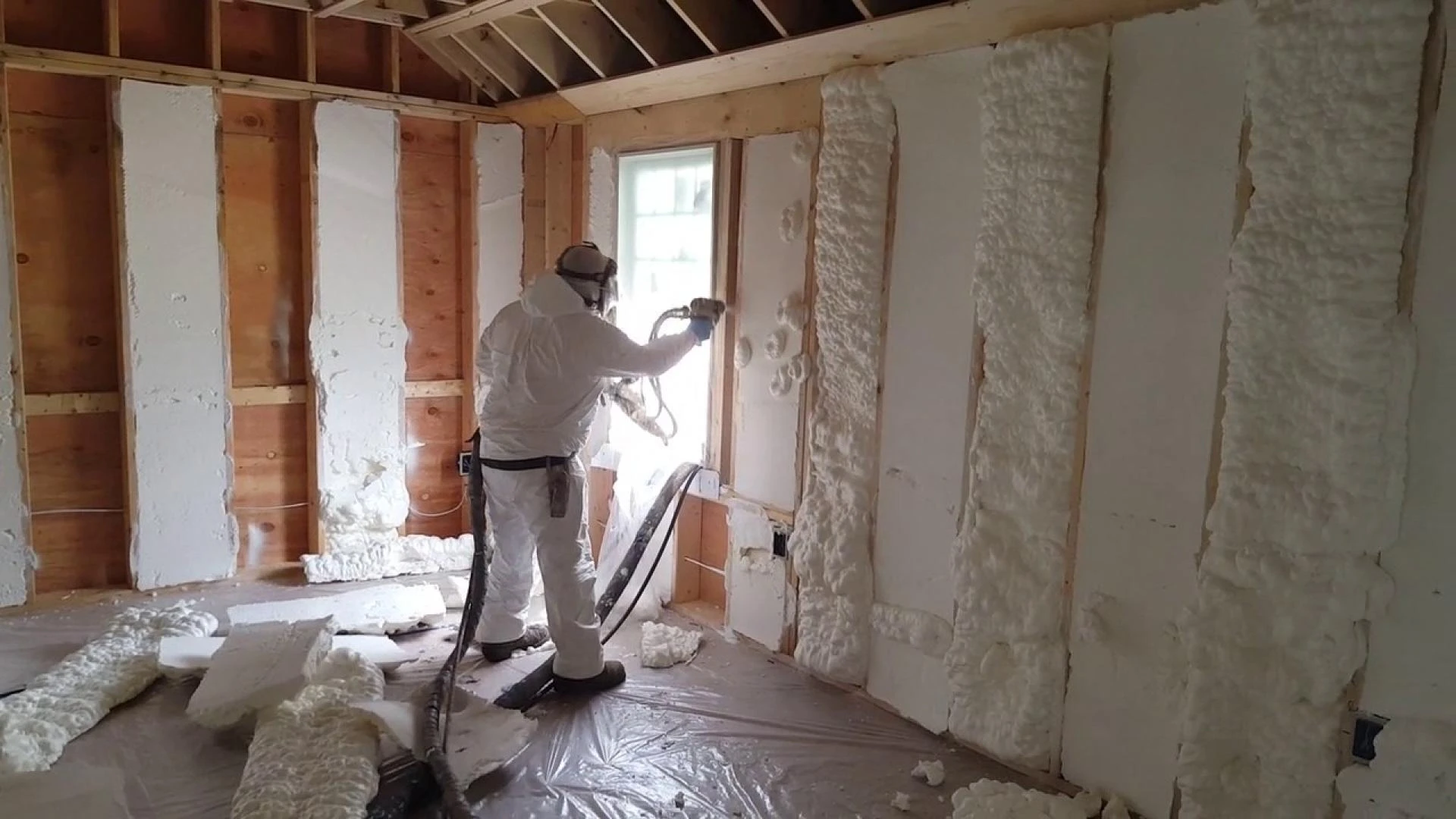
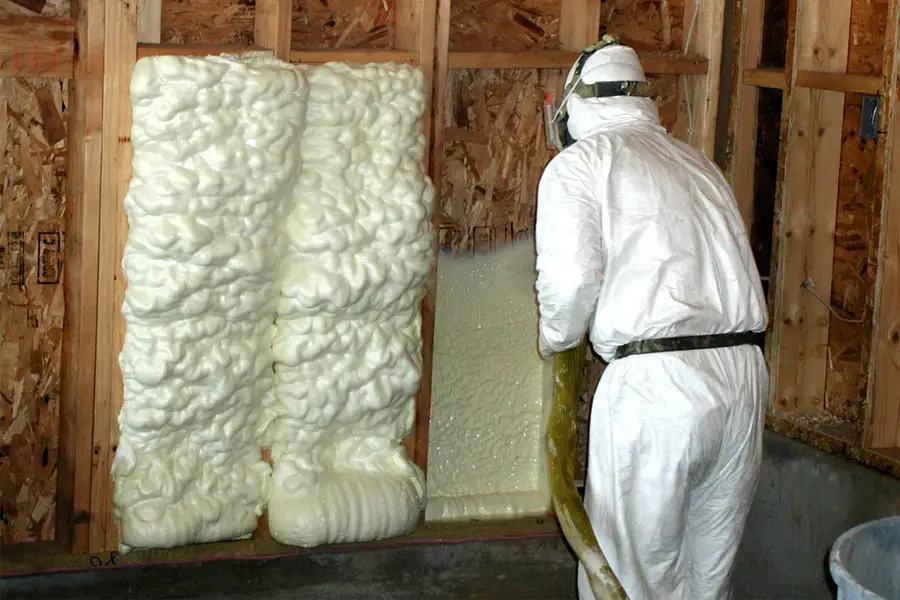
Spray foam, mineral wool, or continuous rigid board systems can resolve these temperature swings—making offices, warehouses, and retail floors more comfortable and productive.
How Insulation Affects Compliance with Building Codes
Codes and standards around insulation aren’t just red tape—they’re tied to safety, efficiency, and liability protection.
Meeting Commercial R-Value Requirements
Most energy codes (like the IECC, ASHRAE 90.1) specify minimum R-values based on climate zones and building type. R-value measures thermal resistance—how well the insulation holds in temperature.
- Walls, roofs, and floors each have different requirements.
- High-performance insulation (like closed-cell spray foam) often exceeds R-value minimums while offering air sealing benefits.
Failing to meet these minimums can mean re-inspection, fines, or denied occupancy permits.
Fire Safety and Vapor Barrier Compliance
Some commercial environments (restaurants, factories, healthcare) require insulation to meet additional standards for:
- Fire ratings (ASTM E84, NFPA 286)
- Smoke development
- Vapor barriers to prevent moisture buildup and mold
Using the wrong insulation type—or skipping barrier layers—can result in code violations that impact insurance eligibility or tenant safety.
Fun Fact: Certain closed-cell spray foams are both Class A fire-rated and qualify as a vapor retarder—reducing material layers while maintaining compliance.
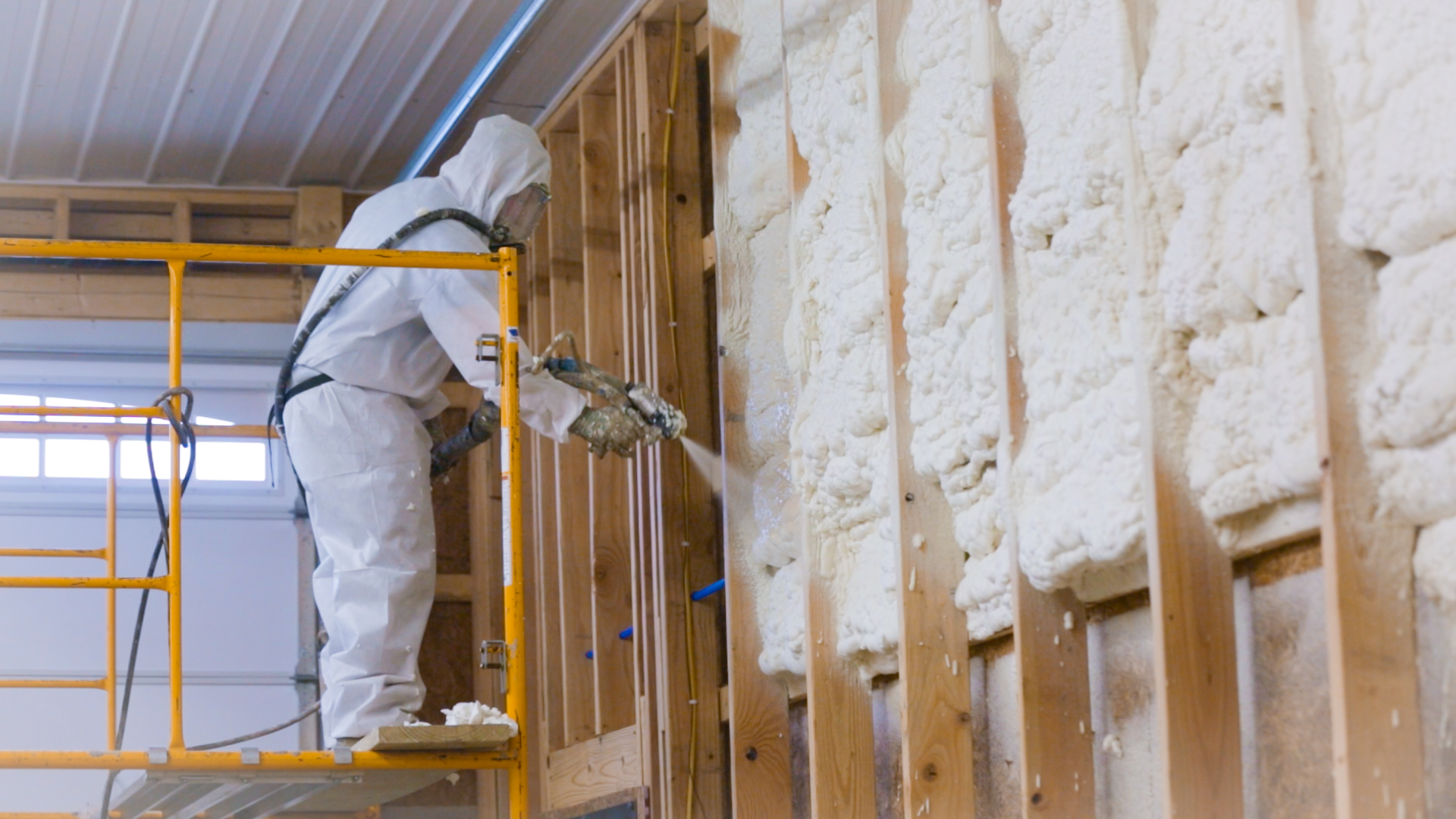
Comparing Insulation Types for Commercial Use
Choosing insulation for a commercial building isn’t one-size-fits-all. It depends on building use, local climate, and required performance.
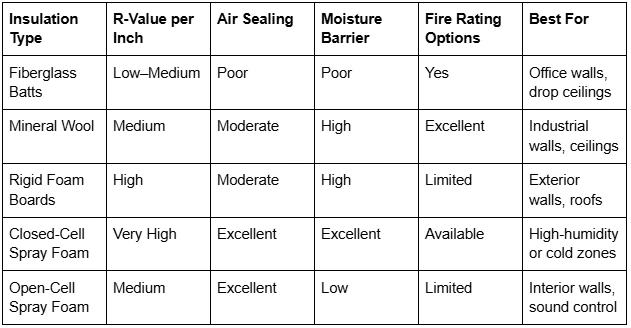
Each type comes with trade-offs—closed-cell spray foam, for example, delivers top-tier air sealing but comes at a higher upfront material cost.
How Insulation Supports Long-Term Operational Efficiency
Good insulation doesn’t just meet code today—it’s a long-term efficiency asset.
Building Envelope Performance Over Time
If your insulation holds its integrity, your building maintains stable thermal performance for decades. That means:
- Lower energy bills year after year
- Fewer HVAC breakdowns due to overuse
- Consistent comfort across seasons
This is especially important in leased spaces where energy performance can make or break tenant satisfaction.
How Insulation Reduces Indoor Moisture and Mold
Moisture is a silent budget killer. It leads to:
- Mold remediation
- Material degradation
- Air quality complaints from tenants or staff
Insulation that includes vapor control—like closed-cell spray foam or rigid board with foil backing—helps regulate interior humidity and reduces condensation.
The Role of Insulation in LEED and Green Building Goals
If your building is pursuing sustainability certification, insulation plays a big part.
Energy Modeling and Envelope Optimization
To qualify for LEED points or energy credits, buildings must undergo modeling that includes the thermal envelope.
- Upgrading insulation can improve modeled performance
- Lower U-values across surfaces support green rating targets
Insulation choices feed into building performance documentation, which affects certifications, grants, and tax benefits.
Health and Material Safety Standards
Low-emission insulation (Greenguard, UL certified) helps maintain indoor air quality and meets occupant health criteria.
This matters in education, medical, and hospitality settings where chemical sensitivities are a concern.
Conclusion
Insulation in a commercial building isn’t just something to check off a list. It’s one of the most impactful elements when it comes to operational efficiency, compliance, and occupant comfort. Ignoring outdated or underperforming insulation means paying more in energy, fighting moisture issues, and possibly running afoul of code requirements.
Whether it’s a retrofit or new construction, prioritizing code-compliant, high-performance insulation improves building durability and cuts down on long-term risk. It keeps the HVAC system from working overtime, stabilizes indoor conditions, and contributes to overall compliance and sustainability goals. Skipping it or choosing the wrong type isn't just a missed opportunity—it’s a liability.
Visit us to learn more: https://southchicagoinsulation.com/?utm_source=backlink
FAQs
What does R-value mean in a commercial insulation context?
R-value measures how well insulation resists heat flow. In commercial buildings, code-mandated R-values vary based on wall, roof, and floor assemblies, especially across different climate zones.
Why is air sealing important in commercial insulation?
Air leaks undermine insulation performance. Sealing gaps prevents energy loss, keeps conditioned air inside, and blocks outdoor pollutants from entering the space.
How often should commercial insulation be inspected?
A good rule is to inspect insulation every 10 years or during any major retrofit. If you notice rising energy costs or uneven temperatures, inspect sooner.
Can insulation help meet green building certifications like LEED?
Yes. High-performance insulation improves energy modeling results and contributes toward LEED, WELL, and other sustainability certification criteria.
What happens if a building doesn’t meet insulation code requirements?
The building may fail inspection, delay occupancy permits, or face fines. Non-compliance can also affect insurance and legal liability during a claim.
Author: Bob Gasca attended his first spray foam training in 2007 and has continued to pursue yearly training to stay current with the latest technology and practices. He is a certified Spray Foam Master Installer through the SPFA and a member of the SPFA. Additionally, Bob serves as a Spray Foam Worldwide Ambassador, sharing information with spray foam professionals globally. Recently, he returned from a building science training, where he expanded his knowledge on how weather conditions affect home performance, helping him better diagnose and improve home health for families. Bob specializes in finding solutions to complex moisture and air infiltration issues.
Reviewer: Noah Gonzalez reviewed this article and drew on 9 years of experience to offer suggestions that make the guidance more directly useful for insulation professionals.

























Sign in to leave a comment.