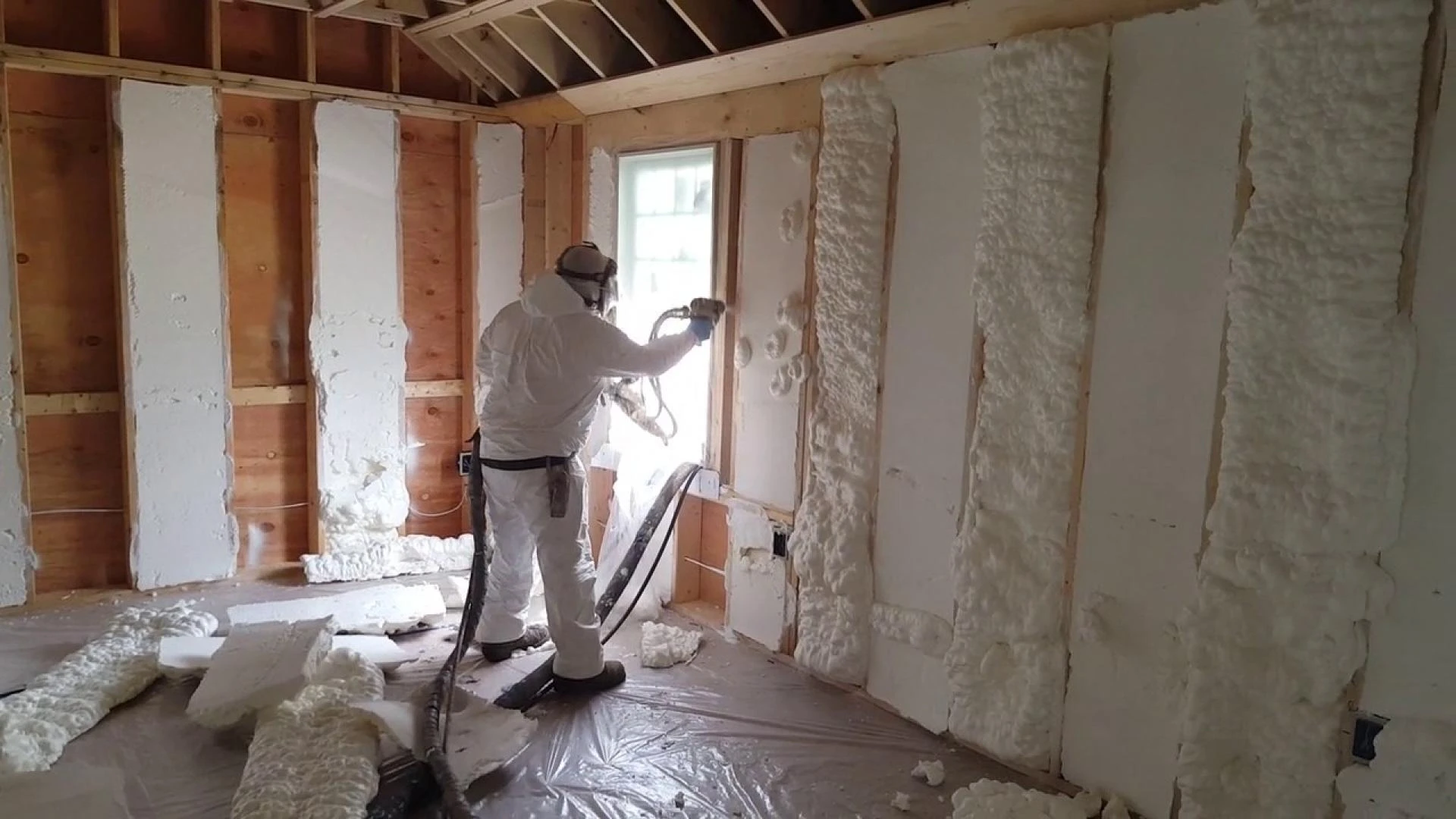

Insulation upgrades aren't just for renovations or new builds. In Plainfield, IL, homes experience moisture swings, freeze-thaw cycles, and inconsistent temperatures that often highlight the right time to improve insulation. Choosing spray foam services during these moments ensures long-term comfort, energy savings, and moisture control. This guide outlines when and why residents and property owners should consider high-performance home spray foam solutions—and how the timing of installation impacts results. Whether facing seasonal discomfort, remodeling an aging structure, or preparing for energy audits, upgrading with the help of professional spray foam services in Plainfield, IL can directly improve the health and efficiency of the home.
When Is the Right Time to Upgrade Your Insulation?
Certain home conditions signal that insulation may no longer be performing effectively. Spray foam upgrades during these times can prevent further energy loss and resolve indoor air quality concerns.
Seasonal Energy Bill Spikes
Sharp increases in heating or cooling costs often reveal air leakage, poor thermal resistance, or inadequate attic insulation.
- Foam insulation controls uncontrolled air movement
- Closed-cell foam improves building envelope performance in attics and walls
- Spray foam reduces HVAC system runtime and heat transfer
After Roof or Siding Replacement
Exterior upgrades expose framing or open pathways for insulation improvements. It's a key opportunity to air-seal from the outside.
- Adds protection behind new siding or roof underlayment
- Closed-cell foam supports structural integrity
- Air barrier improves whole-home envelope strength
During Basement or Crawlspace Repairs
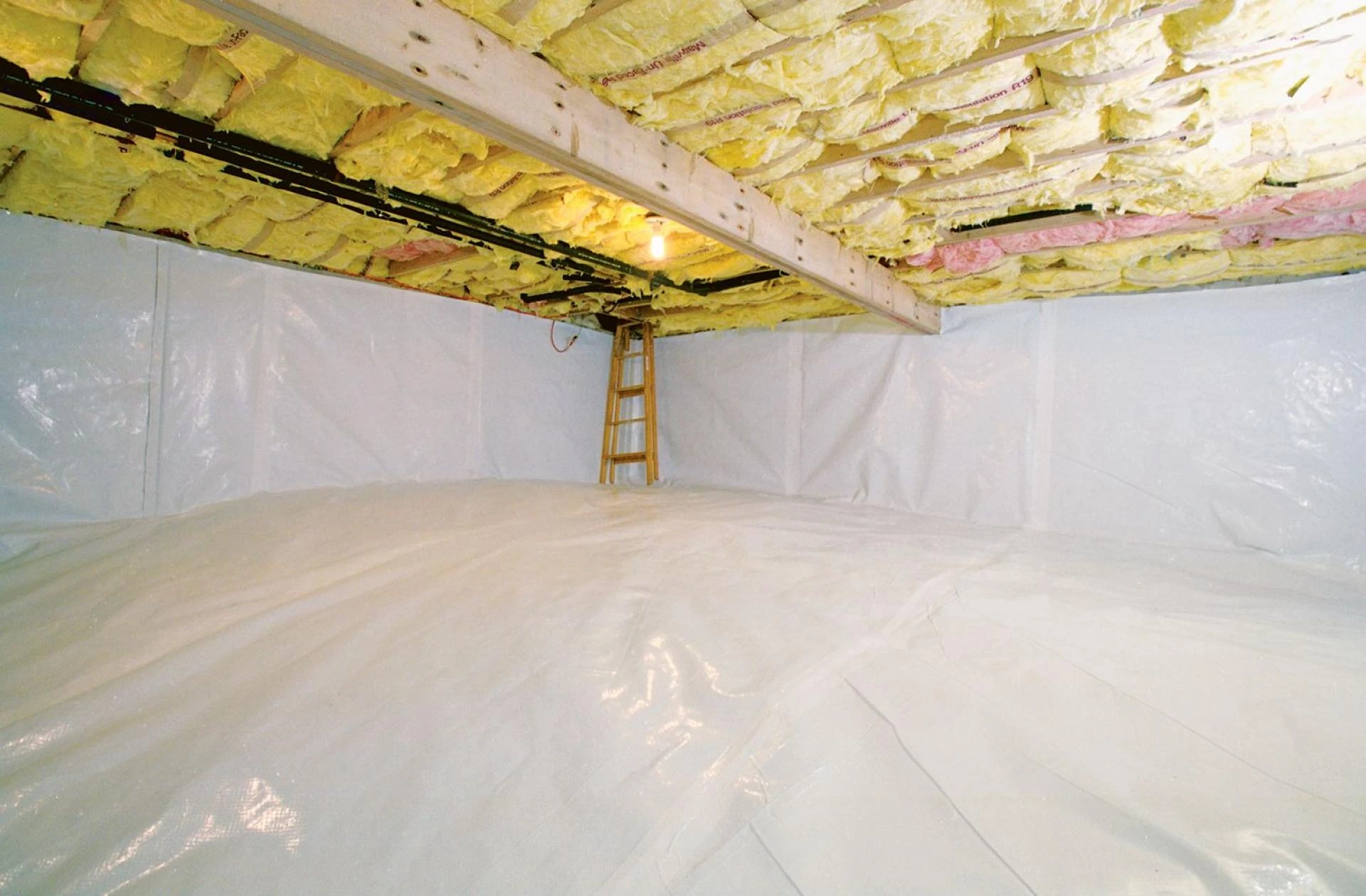
Foundation work often requires material removal. Replacing batt insulation with foam improves vapor control and temperature balance.
- Foam adheres to concrete and joists, sealing air and moisture pathways
- Reduces musty odors and floor cold spots
- Improves floor-level temperature consistency

How Renovations Create an Opportunity for Spray Foam
Home remodeling projects often include framing access or demolition that exposes cavities—making it the ideal time for insulation upgrades.
Kitchen and Bathroom Remodels
Behind cabinets or during drywall replacement, old insulation becomes visible and accessible.
- Spray foam replaces deteriorated fiberglass or loose-fill materials
- Improves moisture protection behind sinks and tubs
- Adds sound control between shared walls or rooms
Attic Conversions or Additions
If adding square footage or finishing unused attic space, spray foam supports energy code compliance and comfort.
- High R-value per inch reduces need for thick framing
- Closed-cell foam strengthens rafters and rooflines
- Expands usable square footage with controlled temperature
Window and Door Replacements
Replacing framing for new openings introduces fresh air gaps. Proper air sealing is essential to prevent long-term performance issues.
- Foam fills uneven voids around frames
- Minimizes heat loss and infiltration
- Protects against wind-driven rain and seasonal drafts

Choosing the Right Spray Foam Service for Your Building Conditions
Not all foam systems or applications deliver the same results. Matching the material and method to your home's structure ensures higher return on investment.
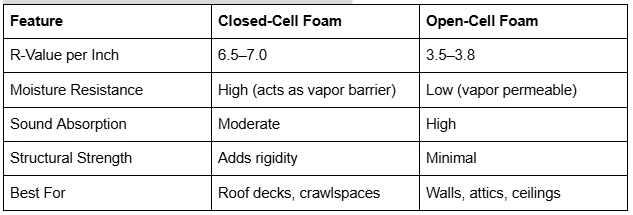
Closed-Cell vs. Open-Cell Spray Foam
Matching Material to Purpose
- Closed-cell foam: Ideal for basements, crawlspaces, rooflines, and areas where vapor and air barriers are critical
- Open-cell foam: Best for sound control and affordable air sealing in interior walls or attic slopes
Insulation-focused foam professionals assess framing depth, vapor flow direction, and assembly requirements before recommending a product.
How Spray Foam Improves Indoor Performance
Timing your insulation upgrade when the building is accessible or already under construction helps unlock indoor performance improvements quickly.
Thermal Efficiency and Load Reduction
Energy-efficient spray foam experts aim to reduce uncontrolled air exchange, which leads to inconsistent heating and cooling.
- Reduced demand on HVAC systems
- Lower peak loads during weather extremes
- Balanced room-to-room temperature distribution
Moisture Control and Mold Prevention
Poor insulation or trapped air can lead to dew point issues and mold growth. Spray foam prevents condensation by creating a sealed envelope.
- Closed-cell foam acts as a vapor barrier
- Eliminates cold spots that encourage condensation
- Resists water absorption even during flooding events
Sound and Air Quality Improvements
Spray foam fills cracks and gaps where sound and allergens travel. This is useful for families with allergies or homes near roads or rail lines.
- Blocks airborne particles from outside
- Controls sound between interior rooms
- Stabilizes humidity to reduce airborne mold risk

How Local Conditions in Plainfield Affect Insulation Timing
The unique building pressures in Plainfield—ranging from winter drafts to high summer humidity—impact how insulation performs. Spray foam offers an adaptable solution that works across seasons.
Addressing Winter Air Infiltration
Older homes in Plainfield often experience drafts, especially in attics and crawlspaces. Spray foam seals those air pathways.
- Prevents ice dam formation
- Protects pipes from freeze risk
- Improves top-floor temperature retention
Preparing for Humid Summers
Humidity can penetrate porous materials like fiberglass. Spray foam resists water vapor and supports indoor comfort during summer.
- Closed-cell foam stops vapor intrusion in crawlspaces
- Creates a stable envelope for central air performance
- Reduces stress on dehumidifiers and air conditioners
Evaluating Spray Foam Services by Quality, Not Just Cost
Spray foam installation requires training, building science knowledge, and material handling certification. Selecting a qualified provider ensures long-term performance and safety.
Indicators of Professional Service
- Use of advanced spray foam materials tested to ASTM standards
- Experience working with attics, foundations, and mixed assemblies
- Diagnostic testing (e.g., blower door or IR scans) to verify installation
Avoiding Common Pitfalls
- Avoid companies that skip substrate prep or use expired materials
- Look for certified foam applicators with documented field experience
- Ask about product sourcing from insulation-focused foam brands
Conclusion
Timing a spray foam insulation upgrade in Plainfield comes down to two key factors: building access and performance need. Whether sealing a drafty attic, renovating interior walls, or prepping for energy compliance, using spray foam services at the right moment ensures the home performs as designed. Foam systems provide air sealing, moisture control, and long-term thermal stability that outperforms traditional materials. Matching the right application to the right season or project ensures maximum benefit from certified and trusted spray foam professionals.
Ready to Achieve Energy-Efficient Indoor Performance?
Insulation upgrades cut energy waste, reduce indoor moisture, and support comfort in every room. South Chicago Insulation applies diagnostic precision and durable materials to every spray foam project, with a focus on long-term building performance. Call (779) 803-8025 or email [email protected] to schedule a home energy evaluation with experienced spray foam advisors.
FAQs
When is the best time of year to install spray foam insulation in Plainfield? Spray foam can be installed year-round. Cold-weather installs require specific equipment settings and application protocols, but experienced teams apply successfully during any season.
Can I add spray foam on top of old fiberglass insulation? Old fiberglass should typically be removed before spray foam is applied. This ensures full adhesion and prevents trapping moisture between layers.
Is spray foam safe for homes with electrical wiring and recessed lighting? Yes. Foam is applied with specific clearance and fire-safe strategies around wires, fixtures, and junction boxes, especially when working near ceilings or attics.
Do I need to leave the house during the spray foam application? During application and curing, occupants may need to leave temporarily to avoid exposure to chemical vapors. Ventilation is used to manage air quality during install.
How do I know if my insulation is underperforming? Signs include drafty rooms, high energy bills, uneven temperatures, or visible mold/mildew. An energy audit or thermal scan can verify problem zones and guide upgrade options.
Author: Bob Gasca attended his first spray foam training in 2007 and has continued to pursue yearly training to stay current with the latest technology and practices. He is a certified Spray Foam Master Installer through the SPFA and a member of the SPFA. Additionally, Bob serves as a Spray Foam Worldwide Ambassador, sharing information with spray foam professionals globally. Recently, he returned from a building science training, where he expanded his knowledge on how weather conditions affect home performance, helping him better diagnose and improve home health for families. Bob specializes in finding solutions to complex moisture and air infiltration issues.
Reviewer: Noah Gonzalez reviewed this article and drew on 9 years of experience to offer suggestions that make the guidance more directly useful for insulation contractors.



























Sign in to leave a comment.