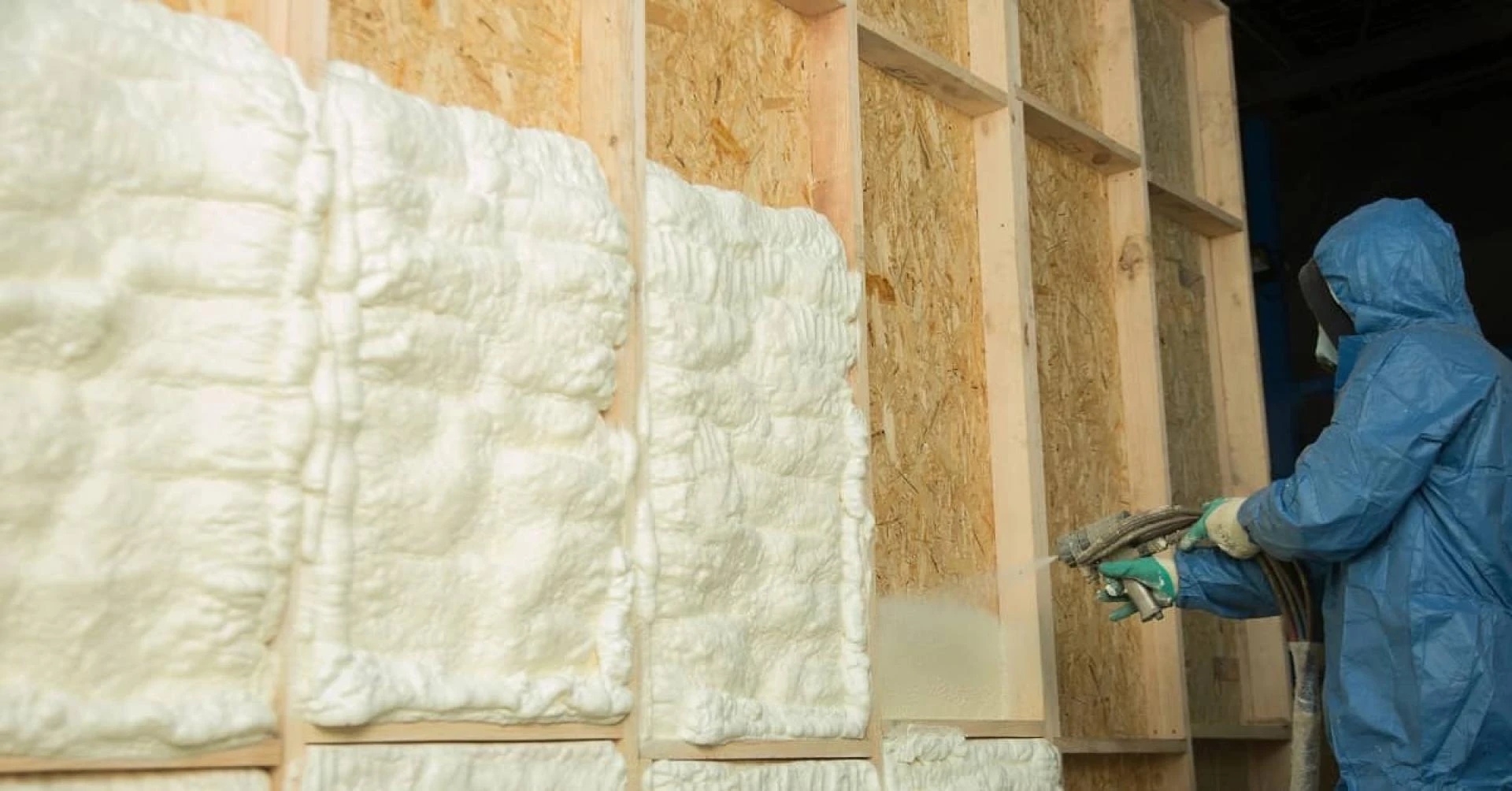

Upgrading your home's insulation directly improves indoor comfort, lowers energy consumption, and protects your property against moisture and air infiltration. The most effective way to transform your home's comfort is through advanced residential insulation solutions such as professional spray foam insulation services. Spray foam forms an airtight seal, fills gaps, and offers superior thermal performance compared to traditional materials like fiberglass or cellulose. Working with a qualified spray foam insulation contractor and experienced spray foam installers ensures proper application, maximizing insulation effectiveness and durability.
This article explains how advanced insulation solutions transform home comfort, compares popular options in technical detail, highlights the key factors to consider before choosing, and describes the range of services available from insulation experts. It aims to provide homeowners with straightforward, practical information needed to make informed decisions without promotional bias.
Insulation Options and Services Explained
Understanding the differences between insulation types and the services professional insulation contractor offer is crucial. Here is a breakdown of common residential insulation services provided by spray foam installers and insulation experts:
Spray Foam Insulation: Applying either open-cell or closed-cell spray foam that expands to fill cavities, creating an airtight and moisture-resistant barrier.
Air Sealing: Targeted sealing of cracks, gaps, and penetrations in attics, basements, and walls to prevent drafts and energy loss.
Attic Insulation: Enhancing attic thermal performance by applying spray foam on the attic floor or roof deck, depending on the home's design.
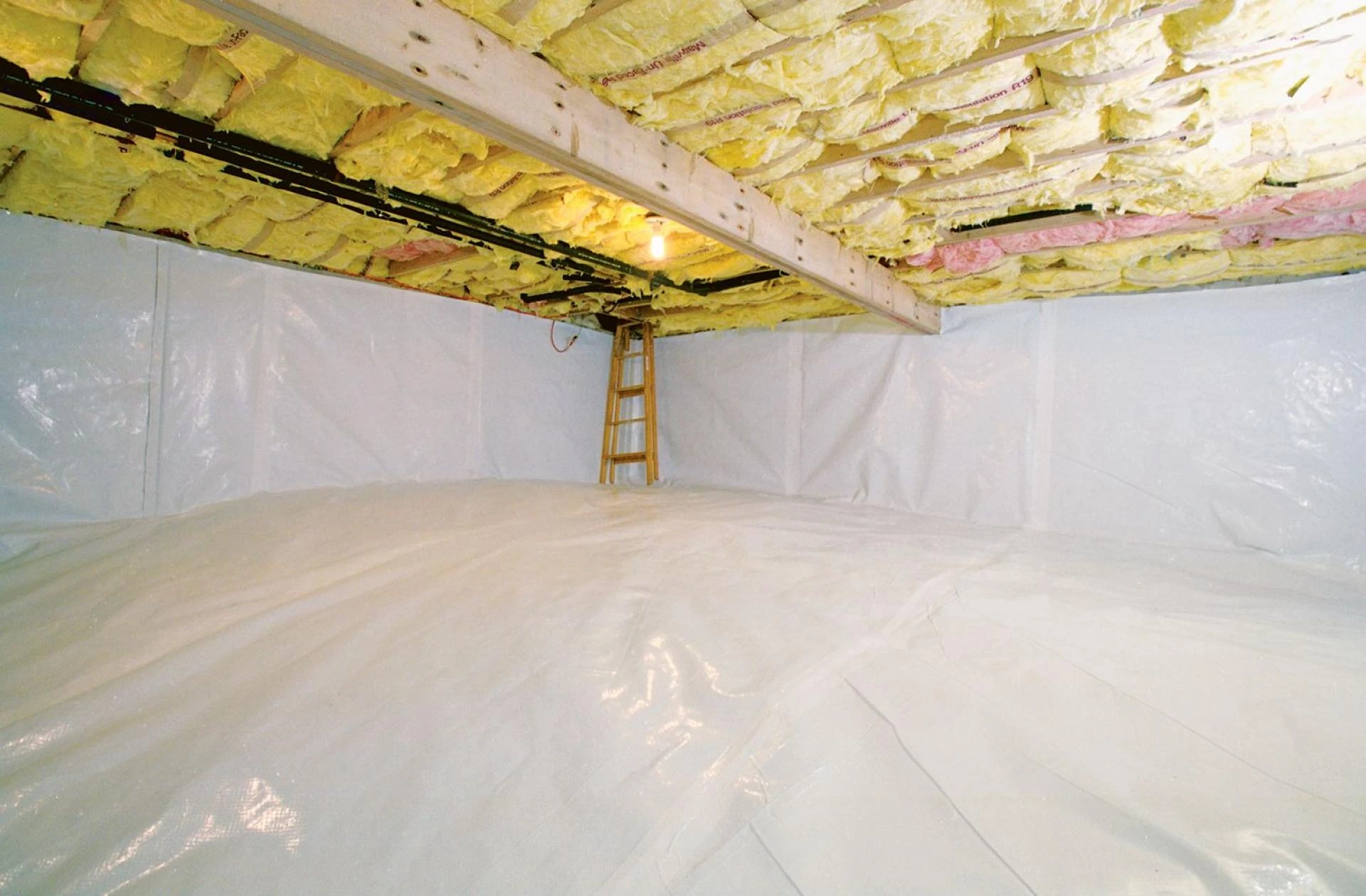
Crawl Space Insulation: Sealing and insulating crawl spaces to reduce moisture intrusion and improve temperature stability.
Rim Joist Insulation: Applying spray foam to rim joists in basements or crawl spaces to block air leaks and prevent cold spots.
Retrofit Insulation: Insulating existing walls or tight spaces in older homes using spray foam to boost energy efficiency without major renovation.
Each service focuses on sealing and insulating specific areas, working together to create a continuous thermal envelope that improves overall home comfort and energy savings.

How Spray Foam Insulation Transforms Comfort and Efficiency
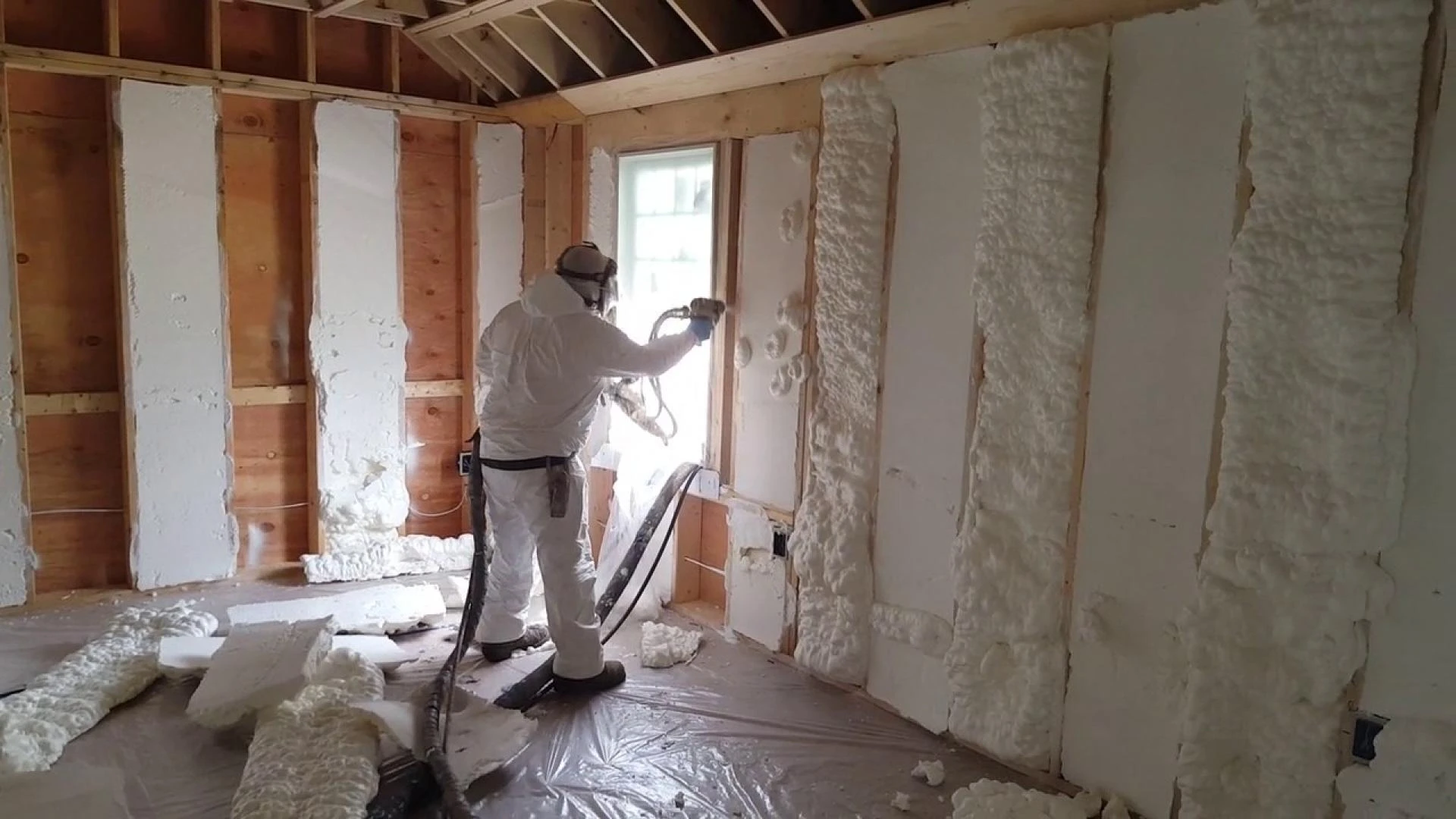
Spray foam insulation works by expanding after application to fill spaces and create a seamless barrier against air and moisture infiltration. This direct sealing drastically reduces heat loss in winter and heat gain in summer, delivering more consistent indoor temperatures.
Closed-cell spray foam also adds structural strength to walls or roofs by hardening into a rigid layer. It resists water absorption, making it ideal for moisture-prone areas such as basements, crawlspaces, and exterior walls.
Open-cell spray foam, being lighter and more porous, excels at absorbing sound vibrations, reducing noise transmission between rooms or from outside.
Together, these properties mean homes stay warmer in winter, cooler in summer, and quieter year-round, while also minimizing mold risks caused by trapped moisture.
Bonus Tip: Proper attic air sealing with spray foam reduces the burden on heating and cooling systems, leading to lower utility bills and improved HVAC lifespan.
Comparing Insulation Types for Residential Use
Selecting the right insulation depends on your home’s location, construction type, and specific needs. The following table summarizes critical features of major residential insulation types:
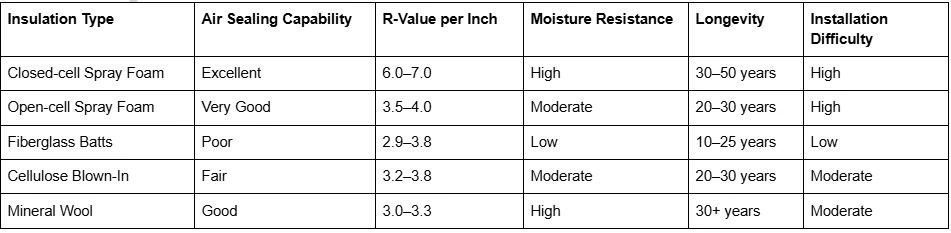
Closed-cell spray foam offers the highest R-value and best moisture barrier, but at a higher cost and installation complexity. Open-cell foam is less dense and cheaper but lacks vapor barrier qualities. Fiberglass and cellulose are more affordable but do not seal air leaks effectively and degrade faster.
Technical Specifications of Spray Foam Insulation
Understanding technical details helps evaluate which spray foam type fits your home:
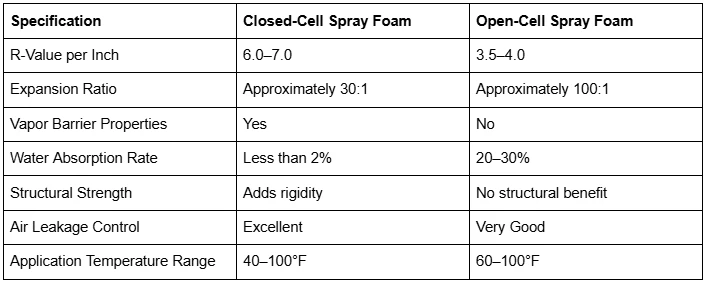
Closed-cell foam provides a built-in vapor barrier, which is especially valuable in cold or wet climates, preventing moisture buildup inside walls. Open-cell foam is ideal for interior insulation where breathability is preferred.
Bonus Tip: Installing closed-cell spray foam in basements and crawlspaces not only insulates but protects foundation elements from moisture damage.
Things to Consider Before Choosing Insulation Solutions
Several factors influence the best choice for your home’s insulation needs:
Climate and Location: Cold or wet climates benefit from closed-cell spray foam’s vapor barrier and higher R-value, while milder areas may suit open-cell foam or cellulose.
Budget Constraints: Spray foam has a higher upfront cost but lowers energy bills significantly over time. Cheaper options may save initially but require frequent replacement or cause hidden losses.
Project Accessibility: Retrofitting spray foam into finished walls or tight spaces demands experienced installers who can navigate obstacles without causing damage.
Ventilation Requirements: Homes with limited ventilation may need careful insulation choices to avoid moisture trapping, which professional spray foam installers understand.
Long-Term Goals: Consider how long you plan to stay in the home. Investing in high-quality spray foam pays off more for long-term homeowners aiming for durable comfort and efficiency.
Services Offered by Spray Foam Insulation Experts
Professional spray foam insulation contractors provide a range of services tailored to different home areas and needs:
- Spray Foam Installation: Application of open- or closed-cell foam to walls, ceilings, and floors for comprehensive insulation.
- Air Sealing Services: Targeted sealing of gaps, cracks, and joints to prevent drafts and energy loss.
- Attic Insulation: Applying spray foam to improve attic thermal performance and prevent heat transfer.
- Crawlspace and Basement Insulation: Moisture-resistant sealing to protect foundation areas from dampness and temperature swings.
- Rim Joist Insulation: Sealing critical junctions in basements and crawlspaces to eliminate cold spots and air leaks.
- Retrofit Insulation: Upgrading existing homes without removing drywall, using specialized spray foam techniques.
- Moisture and Mold Control: Application of foam in areas prone to humidity to reduce mold growth risks and improve air quality.
Each service targets a specific problem area to enhance home performance. Insulation experts assess conditions and recommend combinations of these services for maximum effect.

Common Questions About Advanced Residential Insulation
Can spray foam insulation be installed in any home?
Yes. Spray foam adapts well to both new construction and retrofit projects, sealing gaps that traditional insulation often misses.
How long does the spray foam insulation process take?
Depending on the size of the area and type of foam used, installation can take from several hours to a couple of days.
Is spray foam insulation environmentally friendly?
Modern spray foams use low global warming potential (GWP) blowing agents and reduce energy consumption, lowering a home’s carbon footprint.
Will spray foam insulation cause moisture problems?
Properly installed closed-cell foam acts as a moisture barrier and prevents condensation buildup, reducing mold risk.
How do I find qualified spray foam installers?
Look for certified spray foam insulation contractors with proven experience, references, and proper licensing.
Transform Your Home Comfort with Advanced Residential Insulation Solutions FAQ
What areas of the home benefit most from spray foam insulation?
Attics, rim joists, crawlspaces, basements, and exterior walls gain the most from spray foam’s sealing and insulating properties.
How does spray foam compare to fiberglass in energy savings?
Spray foam reduces air leaks dramatically, leading to up to 50% more energy savings compared to fiberglass batts.
Can spray foam be used for soundproofing?
Yes. Open-cell spray foam absorbs sound waves, improving noise control between rooms or from outside.
What maintenance does spray foam insulation require?
Spray foam is maintenance-free when installed correctly but should be inspected during home renovations to avoid damage.
Does spray foam installation require home evacuation?
Typically, occupants should vacate the home during installation and for a few hours afterward to allow the foam to cure safely.
Make the Right Decision
Advanced residential insulation solutions like spray foam transform your home by sealing air leaks, controlling moisture, and maintaining stable indoor temperatures. While the upfront investment is higher than traditional options, the comfort, energy savings, and long-term protection you gain justify the cost. Choosing a certified spray foam insulation contractor and experienced spray foam installers ensures proper application and lasting performance.
Assess your climate, home structure, budget, and long-term goals before deciding. Work with insulation experts who understand your needs and can tailor services, from attic insulation to retrofit projects, for maximum benefit. The right insulation solution can elevate your home’s comfort, health, and efficiency for decades.
Author and Reviewer:
Author: Bob Gasca attended his first spray foam training in 2007 and has continued to pursue yearly training to stay current with the latest technology and practices. He is a certified Spray Foam Master Installer through the SPFA and a member of the SPFA. Additionally, Bob serves as a Spray Foam Worldwide Ambassador, sharing information with spray foam professionals globally. Recently, he returned from a building science training, where he expanded his knowledge on how weather conditions affect home performance, helping him better diagnose and improve home health for families. Bob specializes in finding solutions to complex moisture and air infiltration issues.
Reviewer: Noah Gonzalez reviewed this article and drew on 9 years of experience to offer suggestions that make the guidance more directly useful for insulation contractors.

























Sign in to leave a comment.