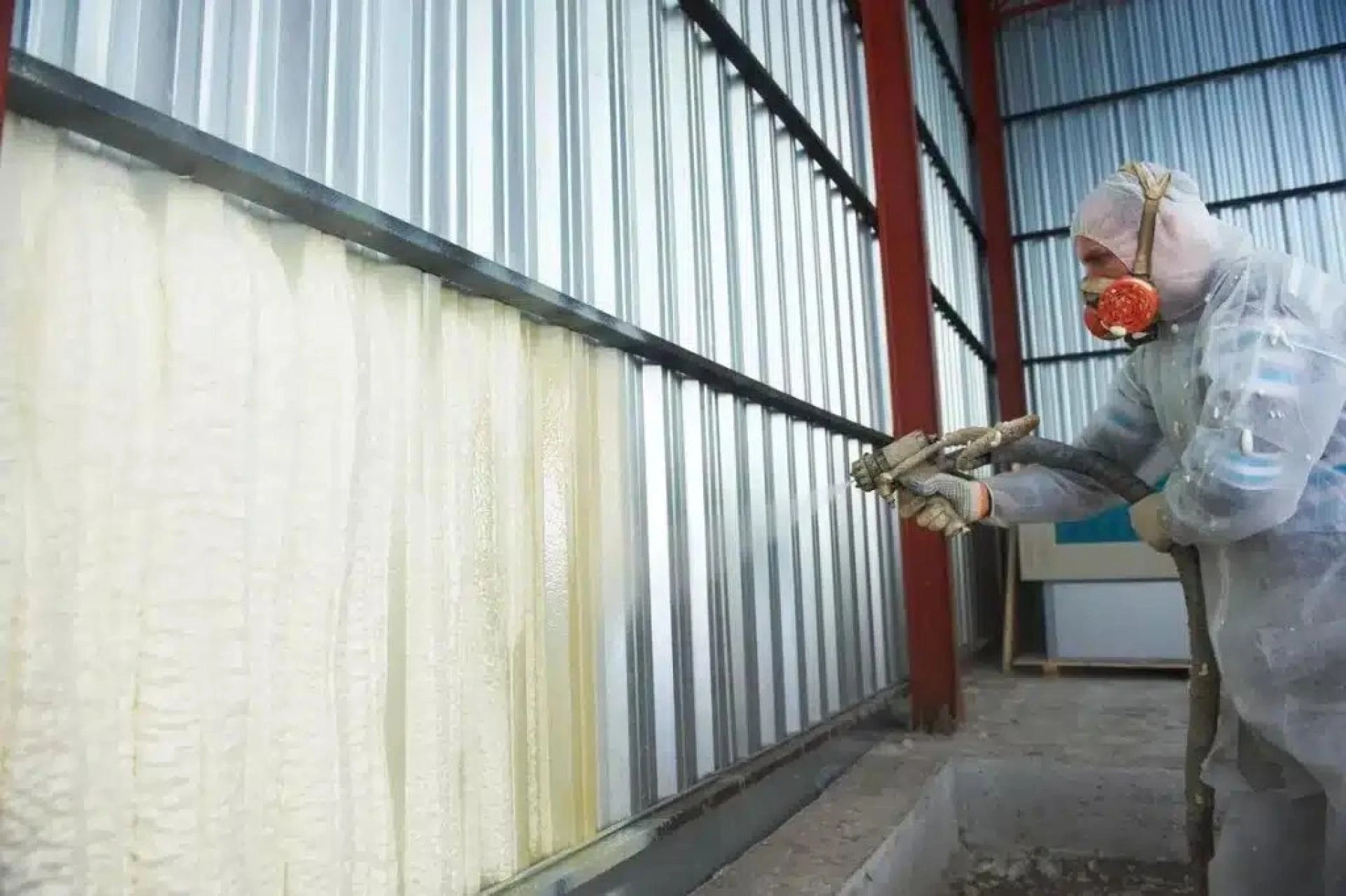

Commercial spray foam enhances indoor air quality (IAQ) in buildings primarily by creating a near-perfect air and moisture barrier. Its most significant contribution is that it seals the building envelope, which stops the uncontrolled infiltration of outdoor pollutants like dust, pollen, and vehicle exhaust. At the same time, closed-cell spray foam acts as a robust moisture barrier, preventing the condensation within wall cavities that leads to the growth of mold and mildew, a major source of indoor air contamination. By controlling the movement of both air and moisture, spray foam helps create a cleaner, healthier, and more manageable indoor environment.
Exploring these mechanisms shows how a professional spray foam installation can fundamentally improve the air that people breathe inside a commercial building. This information is based on established building science principles and the practical experience of contractors who specialize in creating high-performance building envelopes.
Blocking the Pathway for Outdoor Pollutants
The Environmental Protection Agency (EPA) reports that indoor air can be two to five times more polluted than outdoor air. A primary reason for this is that many buildings "breathe" through thousands of unsealed cracks, gaps, and penetrations in their exterior shell. This uncontrolled air leakage acts as a direct pathway, pulling in a wide range of outdoor pollutants.
In a commercial setting, this can include:
- Dust and dirt from surrounding areas.
- Pollen and other allergens.
- Exhaust fumes from nearby traffic or loading docks.
- Industrial pollutants from neighboring facilities.
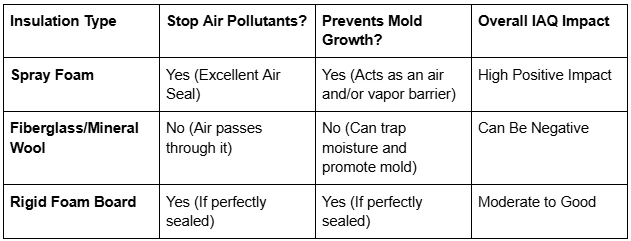
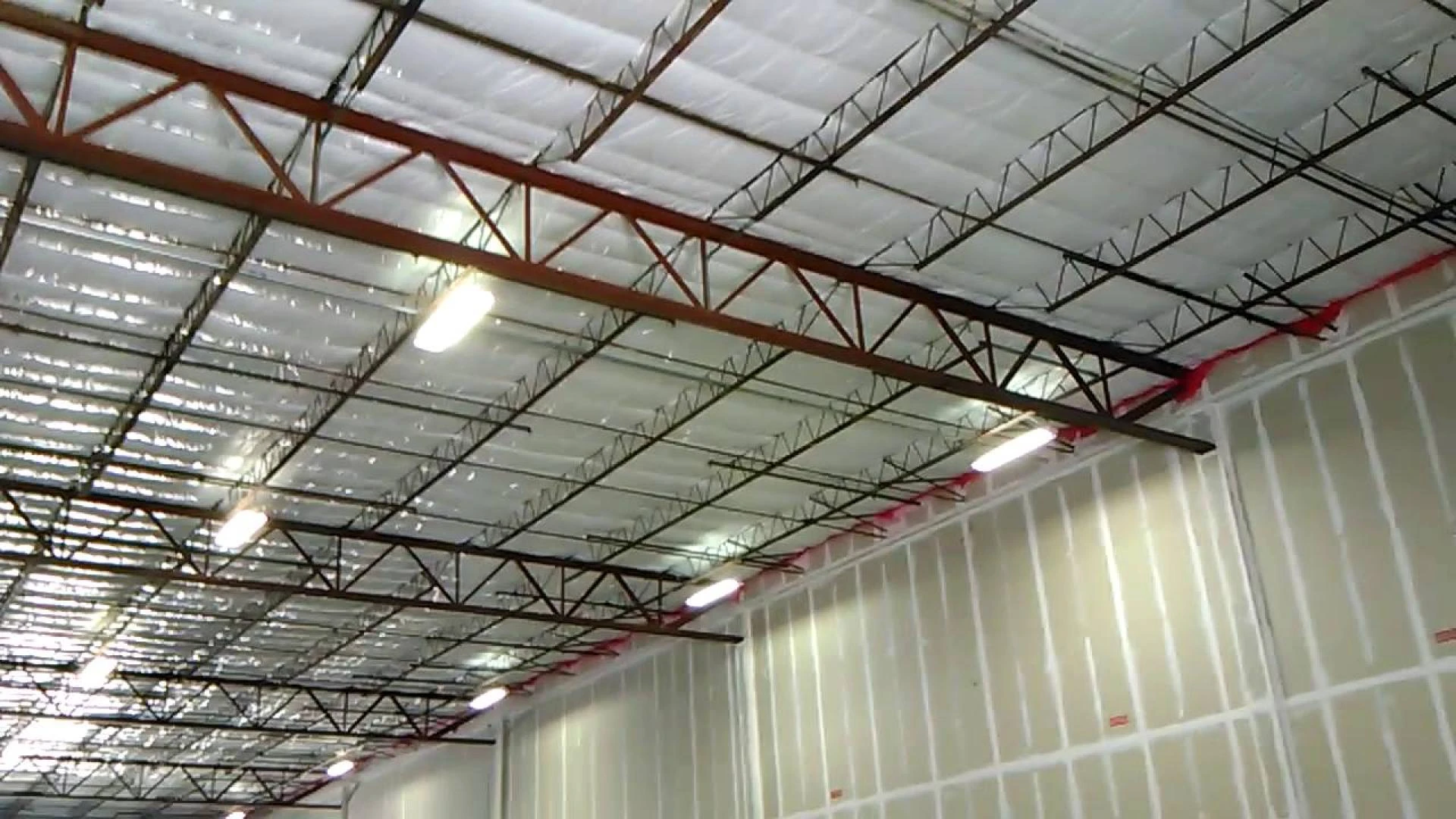
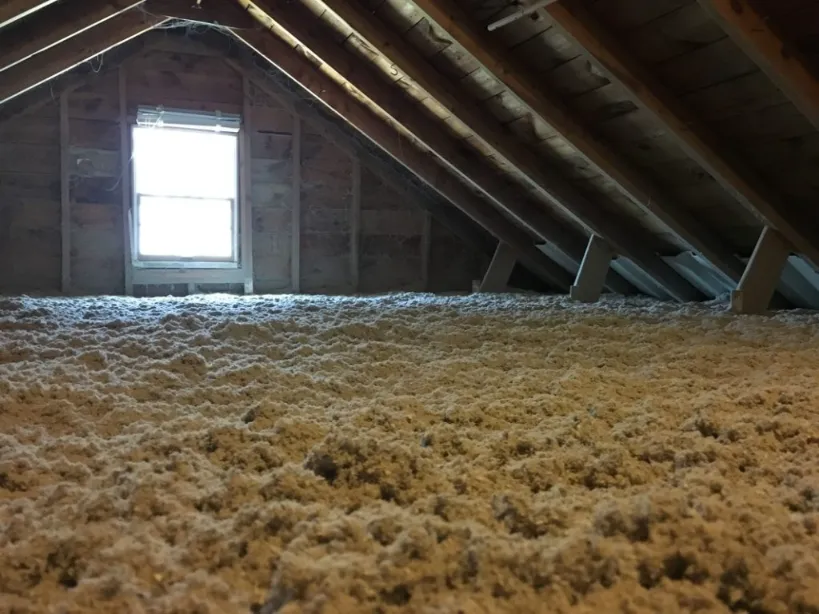
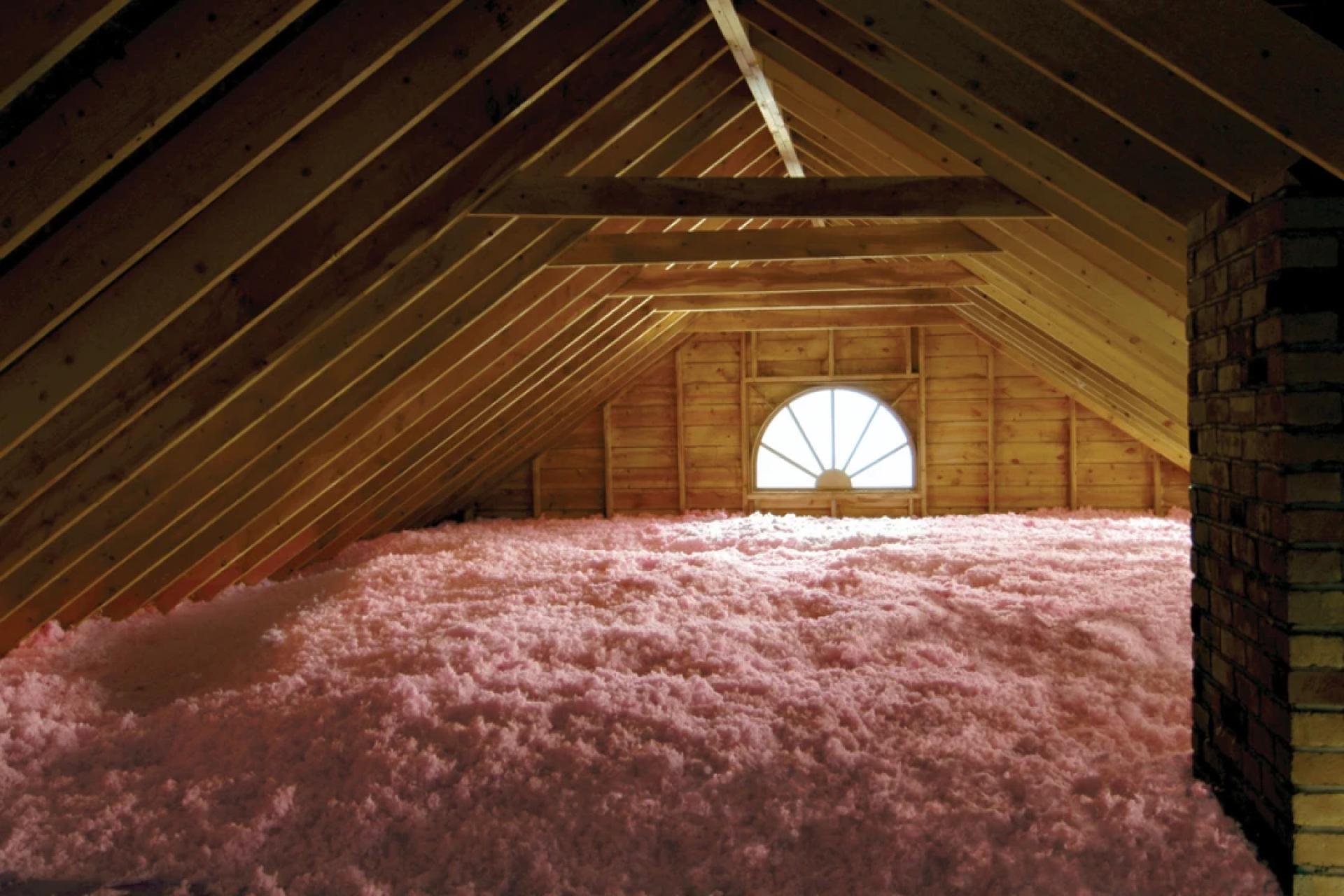
Commercial spray foam insulation addresses this problem at its source. It is applied as a liquid that expands to fill every crack and seam, creating a continuous, monolithic air barrier. This effectively seals the building envelope, stopping the uncontrolled infiltration of these airborne contaminants. This is a fundamental difference from traditional insulation materials like fiberglass or mineral wool, which are air-permeable and do little to stop this flow of polluted air.
Preventing the Growth of Mold and Mildew
In a damp climate like Seattle's, one of the biggest threats to indoor air quality is the hidden growth of mold and mildew within the building's structure. Mold requires moisture to grow, and a common source of this moisture is condensation. Condensation occurs when warm, humid air comes into contact with a cold surface.
This is a year-round problem. In the winter, warm, moist interior air can travel into wall cavities and condense on the cold exterior sheathing. In the summer, the reverse can happen. This repeated wetting of organic building materials like wood and drywall paper creates the perfect breeding ground for mold. The spores from this hidden mold can then enter the indoor air, leading to musty odors and potential health issues for building occupants.
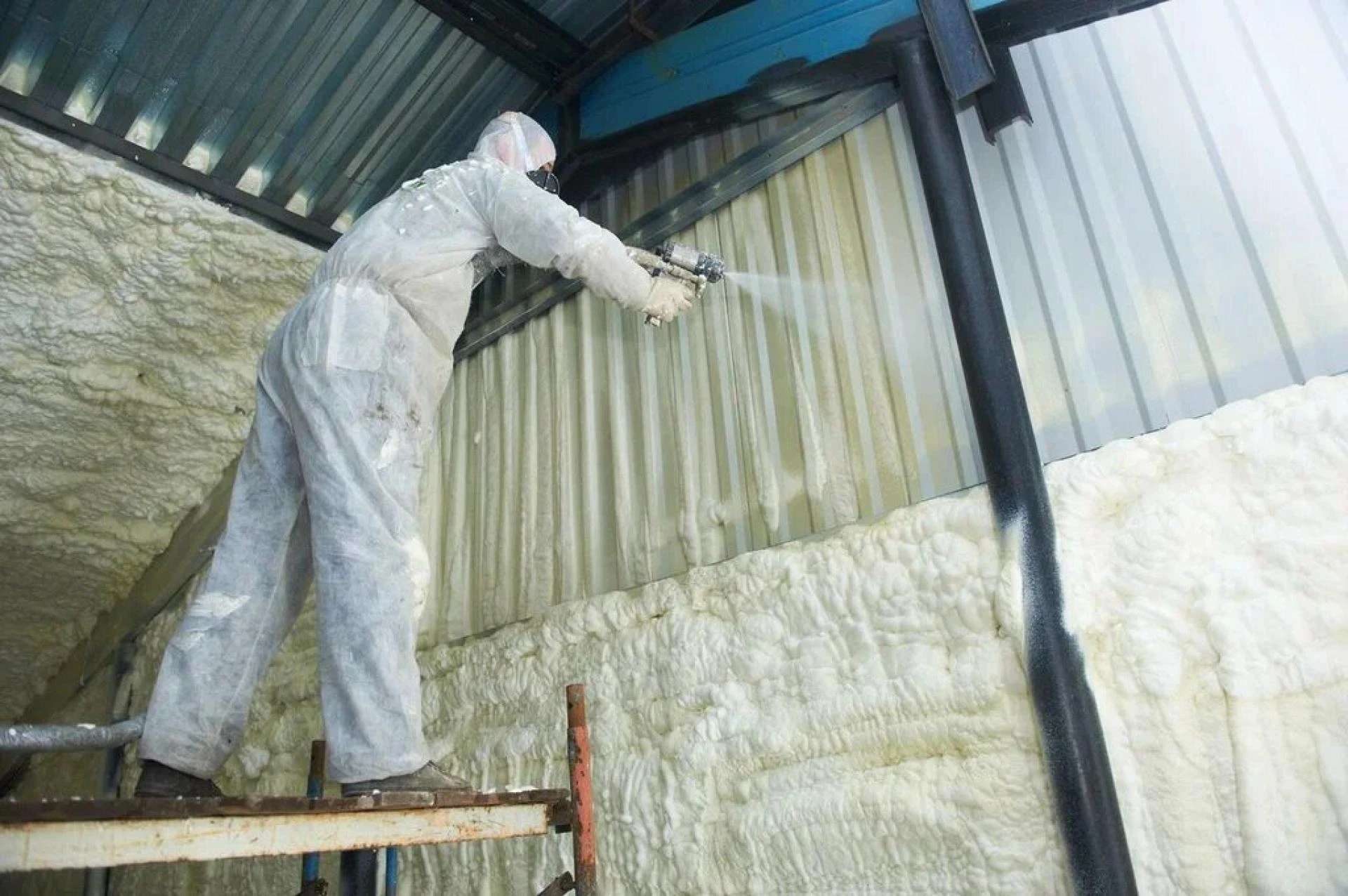
Closed-cell spray foam insulation is an extremely effective solution because it is a Class II vapor retarder, meaning it is waterproof. When applied to the interior of a wall or roof deck, it acts as a seamless vapor barrier, preventing humid air from ever reaching a condensing surface. By eliminating the source of moisture, it makes the environment inhospitable for mold growth.
How Insulation Choices Affect Indoor Air Quality
The "Seal Tight, Ventilate Right" Philosophy
A common misconception is that an "airtight" building is an unhealthy one. The opposite is actually true. The old idea that a building needs to "breathe" through random cracks is outdated. This uncontrolled leakage provides no filtration and brings in all the pollutants mentioned earlier.
The modern, much healthier approach to building science is to seal the building envelope as tightly as possible, and then provide fresh, clean air in a controlled, mechanical way. This is known as the "seal tight, ventilate right" strategy. By creating a truly airtight building with spray foam, facility managers can then use their HVAC system's ventilation component to bring in a precise amount of fresh, filtered outdoor air. This ensures a steady supply of clean air for occupants, without the dust, pollen, and humidity that comes with uncontrolled leaks.
In a commercial building, encapsulating the HVAC ductwork with spray foam is also a powerful IAQ upgrade. It seals all the small leaks in the duct seams, preventing the system from pulling in dusty, contaminated air from unconditioned spaces like ceiling plenums and distributing it throughout the building.
Key Considerations for an IAQ Upgrade
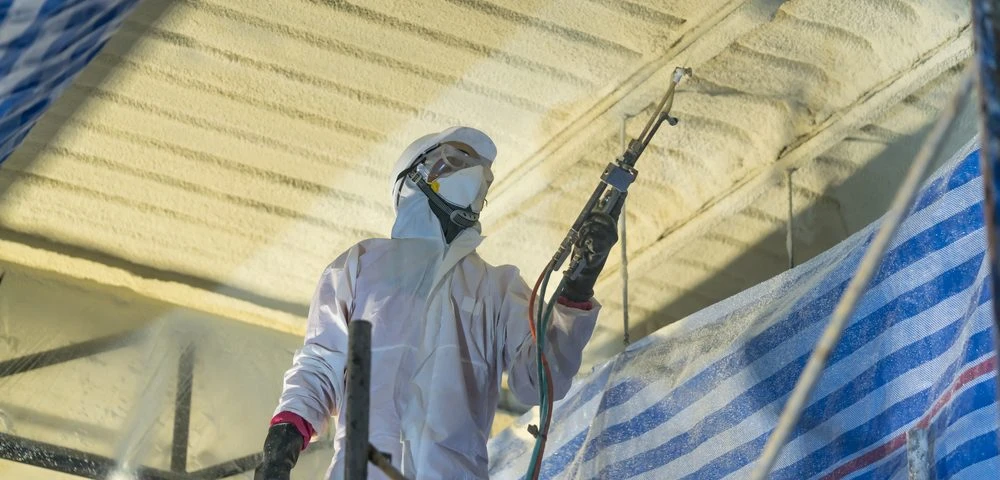
For building owners or managers who are considering spray foam as a way to improve indoor air quality, a few key factors should be evaluated.
- Remediation of Existing Issues: Spray foam is a preventative measure, not a cure for existing problems. If there is already a mold or moisture issue in the building, it must be professionally remediated and the source of the water fixed before any new insulation is installed.
- The Building's Ventilation System: Sealing the building envelope will make the existing mechanical ventilation system much more effective. However, it's a good idea to have an HVAC professional assess the system to ensure it is properly sized and configured to provide adequate fresh air exchange for the building's occupancy load.
- Material Selection: The choice between open-cell (vapor-permeable) and closed-cell (vapor-impermeable) foam is a technical decision that should be based on the climate and the specific part of the building being insulated. A building science expert can recommend the right material for each application.
Questions Building Owners Ask About Spray Foam and IAQ
For those considering this upgrade, several common questions often arise regarding the process and its effects.
What about the off-gassing of chemicals from the foam itself?
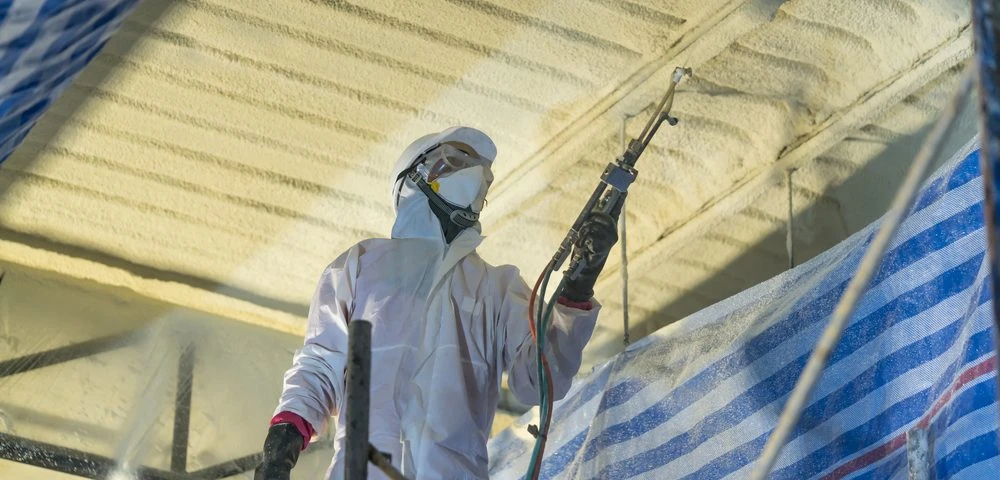
This is a critical consideration. During the application and for a short period afterward, there are chemical vapors present. This is why professional installers use strict safety protocols, including containment and ventilation, and require the building to be unoccupied. However, once the foam is fully cured (typically within 24 hours), it is an inert, stable solid and is not considered a source of harmful emissions. Numerous studies have verified the long-term safety of cured spray foam.
Can spray foam help with odors coming from outside?
Yes, very effectively. By creating a comprehensive air seal, it blocks the pathways that allow odors from restaurants, traffic, or industrial facilities to be pulled into the building.
Is spray foam a good choice for buildings with sensitive occupants, like schools or healthcare facilities?
Yes, it is often an excellent choice for these environments precisely because of its IAQ benefits. The key is proper project management. The installation must be scheduled during a time when the building is unoccupied (like over a break or a weekend) to allow for the work and the subsequent curing and ventilation period.
How does spray foam affect the relative humidity inside a building?
It helps to stabilize it. In a humid climate like Seattle's, a huge amount of the moisture inside a building comes from uncontrolled air infiltration. By stopping these leaks, spray foam makes it much easier for the HVAC system to maintain a consistent and comfortable level of humidity.
Is it better than just buying a lot of high-end air purifiers?
They are two different strategies. Air purifiers are designed to clean the air that is already inside a space. Spray foam is a foundational, preventative measure that stops the pollutants from getting inside in the first place. The best approach for optimal IAQ is to combine a well-sealed building envelope with a high-quality, filtered mechanical ventilation system.
A Healthier Building is a Better Building
Commercial spray foam provides a powerful and permanent solution for improving a building's indoor air quality. By stopping the infiltration of outdoor pollutants and preventing the moisture that leads to mold, it creates a cleaner and healthier environment for employees, tenants, and customers. This investment in a high-performance building envelope is also an investment in the well-being and productivity of the people inside.
Get a Professional IAQ and Building Envelope Assessment
For building owners in the Seattle area who are interested in the significant IAQ benefits of a professional spray foam installation, the first step is a comprehensive evaluation. An expert can assess the building's current condition and provide a clear plan for improving its performance. The team at Cascadia Spray Foam Insulation of Seattle are certified professionals with deep expertise in commercial building science. They can be reached for a detailed consultation by email at [email protected] or by phone at (425) 386-3500.
Reviewer: Olivia Thompson has spent 10 years working in spray foam insulation, helping companies grow their visibility. She reviewed this article and provided valuable suggestions on how to better align the content with the needs and expectations of customers, ensuring it resonates with the target audience.


























Sign in to leave a comment.