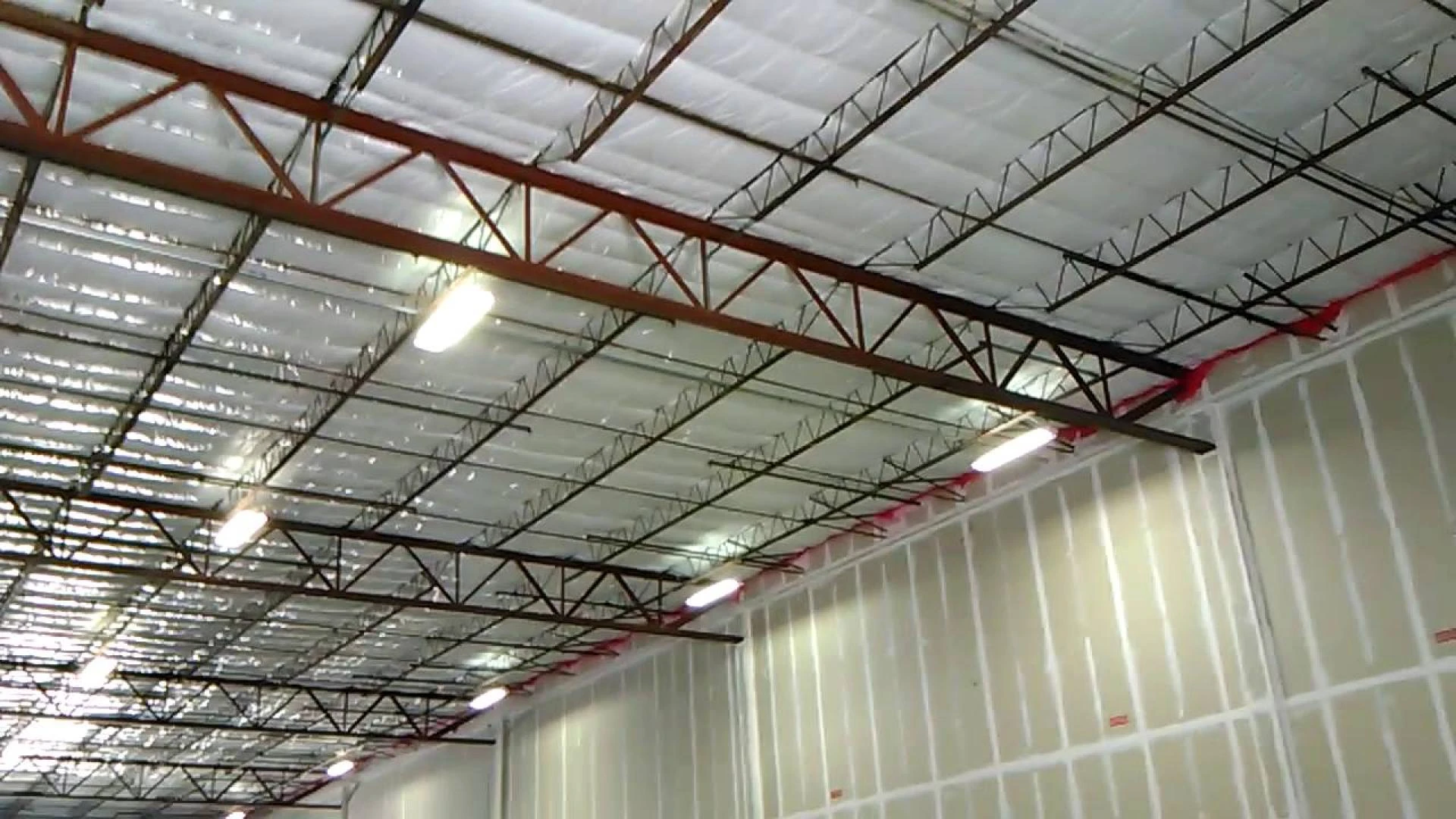

For building owners and facility managers, commercial insulation is a foundational investment that protects a property’s physical integrity and financial performance year after year. Its primary protective function is to create a complete building envelope that controls the transfer of heat, air, and moisture. This control directly lowers high-cost operational expenses like heating and cooling. More importantly, it safeguards the building's structural components from the long-term threats of condensation, mold, and rot, which can lead to expensive repairs and decrease the asset's value.
A properly insulated commercial building is simply a better, more resilient asset. It provides a more stable and productive environment for tenants, places less strain on expensive HVAC systems, and maintains its structural health for decades. Insights from commercial building performance experts and a professional commercial insulation contractor show how modern insulation solutions serve as a long-term protective measure for any commercial property..
The Building Envelope as a Protective Shield
Thinking of insulation as just a way to keep a building warm or cool is too narrow. In a commercial context, it's about creating a total separation between the indoor and outdoor environments. This "building envelope" is the property's first line of defense against weather, operational inefficiency, and premature decay.
Guarding Against High Operational Costs
For most commercial buildings, HVAC systems represent one of the largest operational expenses, often accounting for 30-40% of total energy use. When a building's envelope is leaky, that energy is constantly being wasted. A continuous insulation system, especially one that also acts as an air barrier, dramatically reduces this energy loss. By stabilizing the indoor temperature, it allows HVAC systems to run less frequently and more efficiently. This reduction in load not only leads to immediate and significant savings on utility bills but also reduces wear and tear, extending the life of the building's costly mechanical equipment.
Protecting the Structure from Moisture Damage
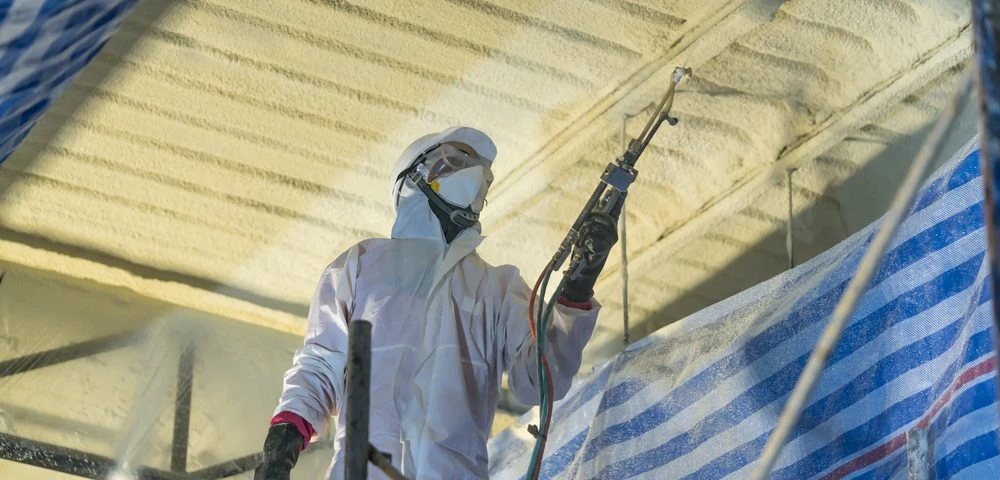
Moisture is the single biggest threat to the long-term health of a commercial building. Leaks, condensation, and vapor intrusion can lead to mold, corrosion of metal components, and the decay of wood and drywall. Many large commercial buildings with flat roofs and vast wall surfaces are particularly vulnerable. A high-performance insulation like closed-cell spray foam can act as a seamless water and vapor barrier. When applied to a roof deck or against foundation walls, it stops moisture from entering the building assembly, preventing the kind of slow, hidden damage that often goes unnoticed until it becomes a major structural problem.
Accounting for Regional Climate Factors
In a damp, temperate climate like Seattle's, proactive moisture management is critical for commercial properties. The persistent rain and humidity create a high-risk environment for water intrusion and condensation, especially in buildings with complex rooflines or large curtain wall systems. Using an impermeable insulation that also air seals is a key strategy to protect the building's steel and wood framing from rust and rot, safeguarding the asset for the long term.
Selecting the Right Insulation for Durability
With the building envelope's protective role in mind, the choice of materials becomes the next critical decision. The products used in a commercial insulation project have a direct impact on its longevity and effectiveness, and the right selection depends on the building's construction, its use, and specific performance goals.
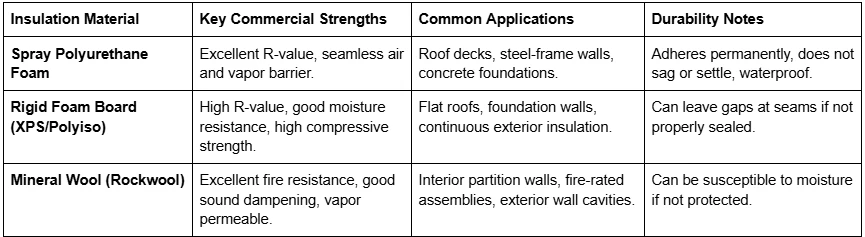
A Note on Steel-Frame Construction: Preventing "thermal bridging" is a high priority in commercial steel-frame buildings. Heat readily travels through steel studs, bypassing cavity insulation. Applying a continuous layer of insulation, like spray foam or exterior rigid foam board, is the most effective way to stop this phenomenon and create a truly efficient wall system.
Things to Consider Before an Insulation Project
A commercial insulation upgrade is a significant undertaking that requires careful planning to ensure it delivers the intended protective benefits and ROI.
Building Codes and Fire Safety Ratings
Commercial buildings are subject to strict building codes, particularly regarding fire safety. All insulation materials used in a commercial setting must have the appropriate fire and smoke spread ratings for their specific application. It's essential to work with a contractor who is knowledgeable about local codes and can specify materials that meet or exceed these requirements. For example, spray foam used in an occupied space must typically be covered by a 15-minute thermal barrier like drywall.
Retrofitting an Occupied Building
Upgrading the insulation in an existing and occupied building presents unique challenges. The project needs to be planned to minimize disruption to tenants and business operations. Low-VOC materials may be specified, and the work may need to be scheduled for off-hours. A detailed logistics plan, developed with an experienced commercial insulation contractor, is key to a smooth and successful project.
The Importance of Professional Installation
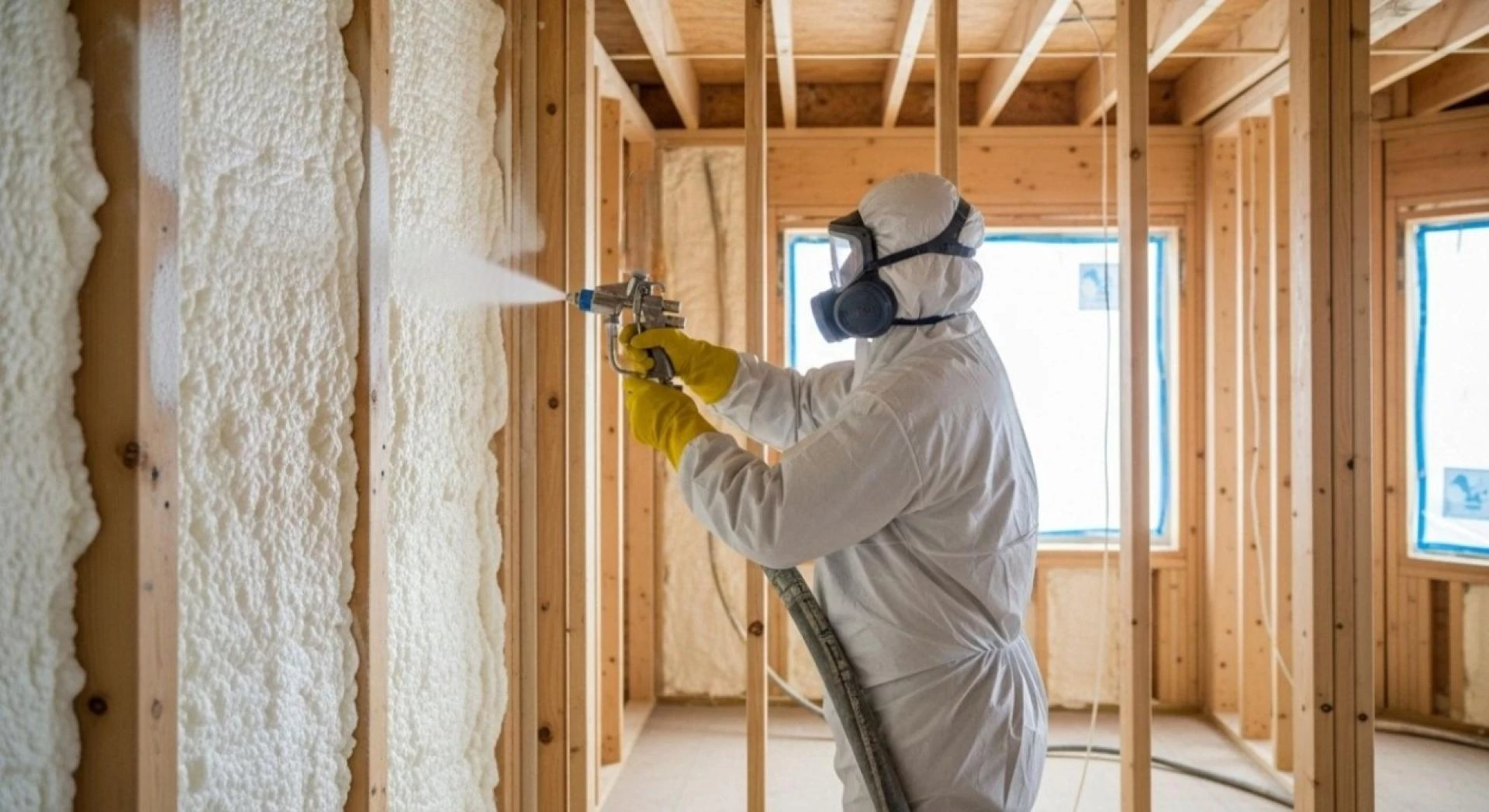
The performance of any high-proformance insulation system is entirely dependent on the quality of its installation. Gaps, improper sealing, or incorrect application can compromise the entire system, leading to energy loss and moisture problems. This is especially true for systems like spray foam or complex roofing assemblies. Vetting contractors to ensure they are certified, insured, and have a proven track record with commercial projects of a similar scale is a critical step.
Pre-Project Diagnostics: Before a major insulation retrofit, a professional energy audit that includes thermographic imaging can offer significant value. An infrared scan of the building can visually pinpoint the exact locations of heat loss and air leakage, allowing the project to be targeted for maximum impact.
Common Questions from Building Owners and Managers
How can you insulate a large flat roof effectively?
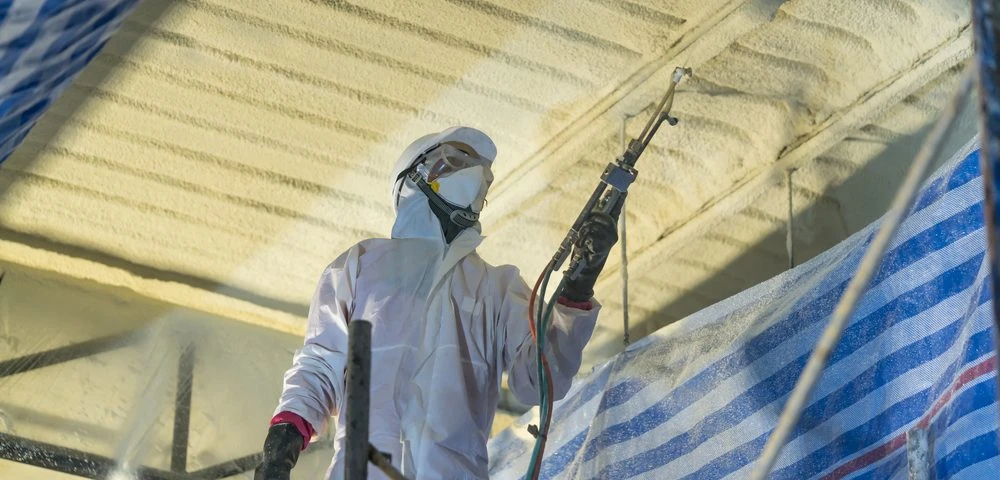
Flat roofs are a major source of energy loss. One of the most effective methods is to apply a layer of high-density, closed-cell spray foam directly to the roof deck, either on the interior or exterior. This creates a seamless, waterproof, and highly insulated assembly that also eliminates thermal bridging through the roof joists.
What is the typical ROI for a commercial insulation project?
The payback period for a commercial insulation upgrade can be surprisingly fast, often in the range of 3 to 7 years, depending on energy costs and the initial condition of the building. The savings on monthly energy bills alone can provide a significant return on investment.
Can insulation help with condensation in a metal building?
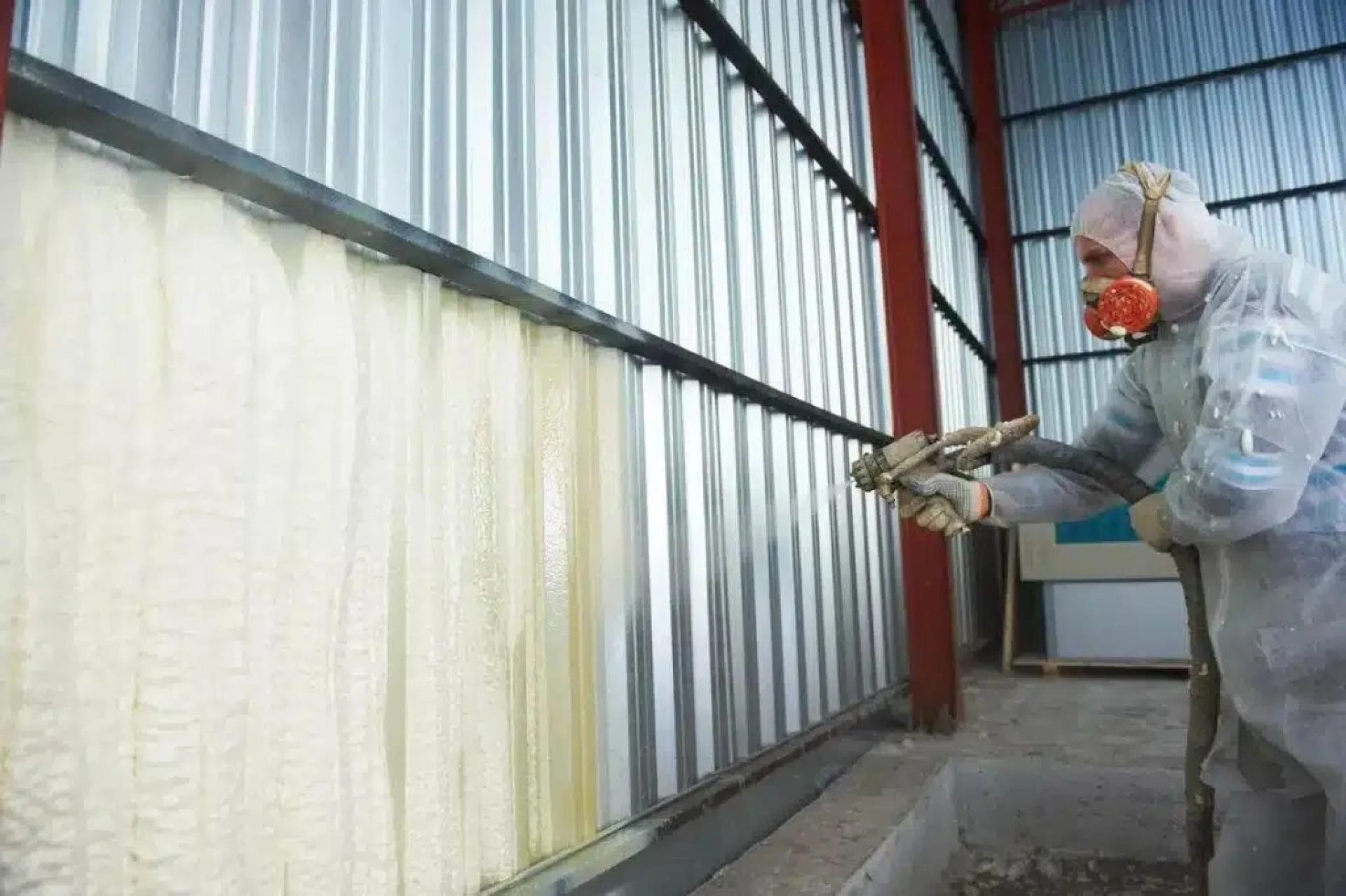
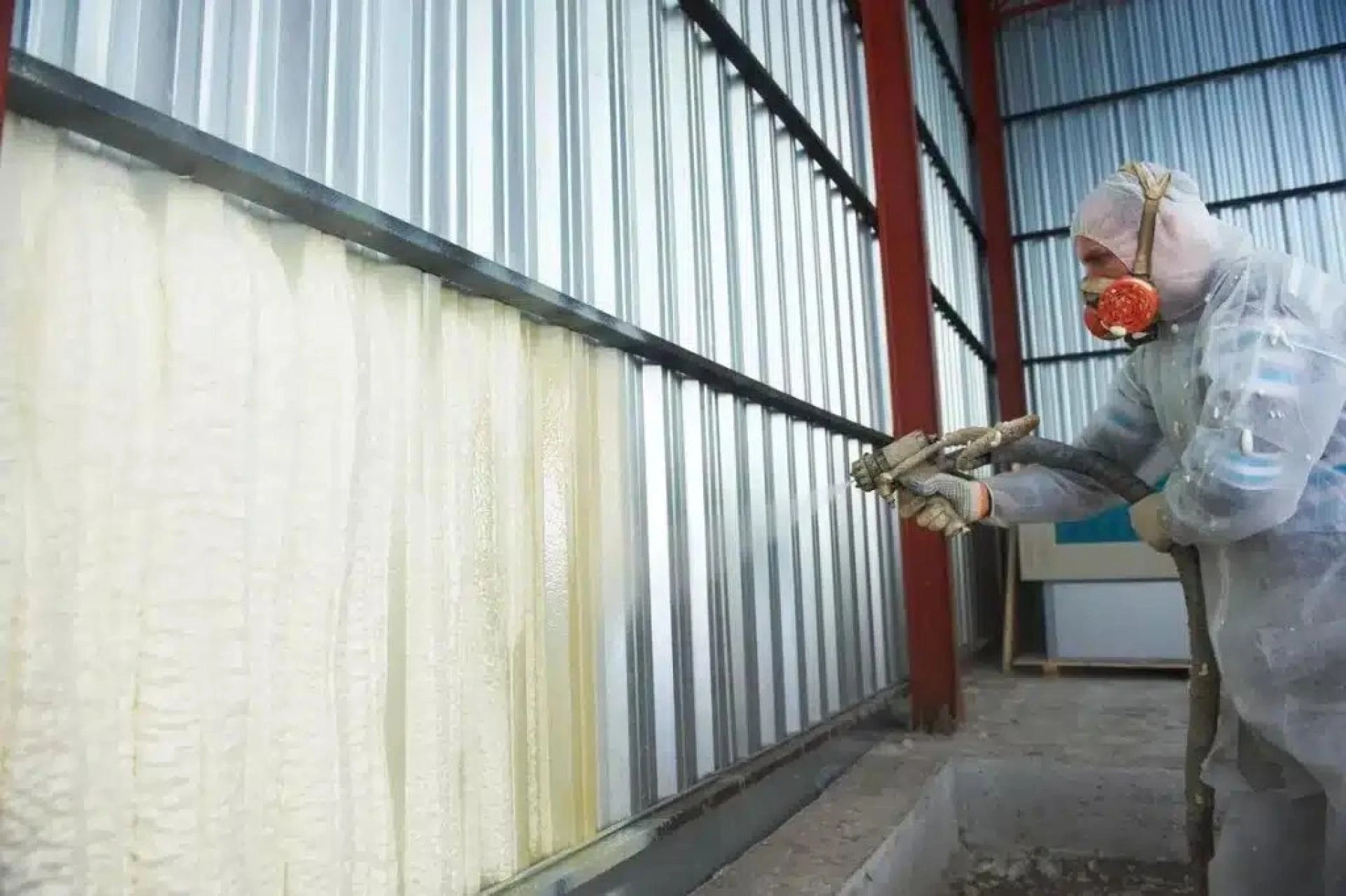
Yes, this is one of its most important functions in steel buildings. By applying closed-cell spray foam directly to the interior of the metal panels, you keep the warm, humid indoor air from ever touching the cold metal surface. This completely prevents condensation from forming and dripping onto the contents below.
How does insulation impact LEED certification or green building standards?
A high-performance insulation system is a cornerstone of any green building certification. It contributes directly to points in the "Energy and Atmosphere" category by reducing the building's energy consumption. The use of materials with recycled content or low-GWP blowing agents can also contribute to materials and resources credits.
Does a better-insulated building have higher tenant satisfaction?
Absolutely. A building without drafts or major temperature swings is a more comfortable and productive place to work. Improved acoustics from sound-dampening insulation also contribute to a better tenant experience, which can be a factor in tenant retention.
A Strategic Investment in Your Asset's Future
Commercial insulation should not be viewed as a maintenance expense but as a strategic capital improvement. It is an investment that actively protects the building from physical degradation while simultaneously improving its financial performance through lower operating costs. By creating a durable, efficient, and resilient building envelope, it ensures the property remains a valuable and productive asset for many years to come.
Getting an Expert Assessment for Your Commercial Property
Realizing these long-term benefits begins with understanding a building's specific vulnerabilities, which makes a professional assessment the necessary first step. An experienced commercial insulation contractor can evaluate the property and provide a detailed plan to protect it for the long term. For building owners in the Seattle area, the commercial building specialists at Cascadia Spray Foam Insulation of Seattle offer comprehensive consultations. Their team can be reached by phone at (425) 386-3500 or by email at [email protected] to discuss a project.
Reviewer: Olivia Thompson has spent 10 years working in spray foam insulation, helping companies grow their visibility. She reviewed this article and provided valuable suggestions on how to better align the content with the needs and expectations of customers, ensuring it resonates with the target audience.



























Sign in to leave a comment.