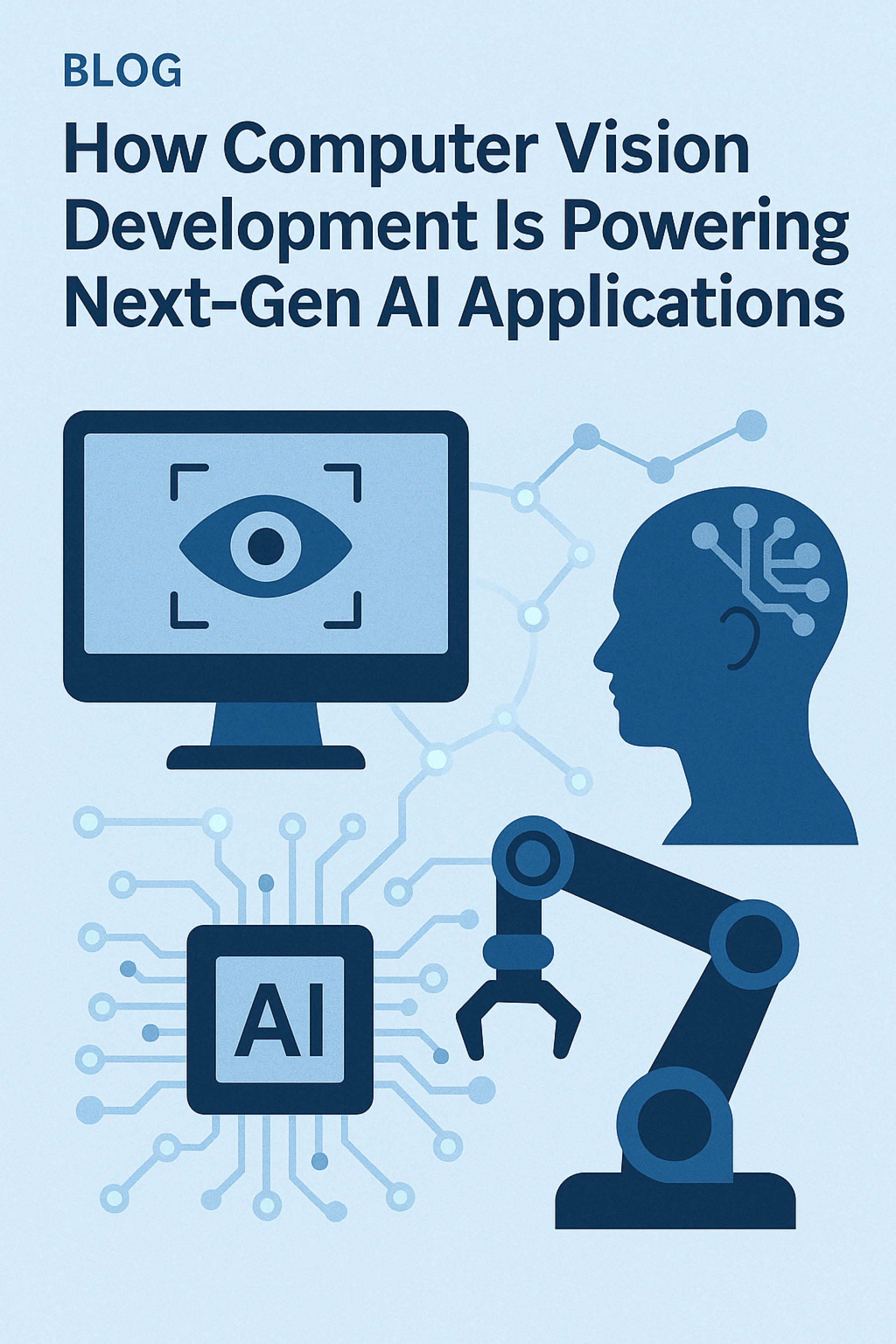
Computer vision has evolved from a niche research area to a cornerstone of modern artificial intelligence (AI), enabling machines to interpret and act upon visual data. In 2025, advancements in computer vision development are driving transformative changes across industries, from healthcare to autonomous vehicles. This blog explores the latest trends and technologies propelling next-generation AI applications, highlighting the role of computer vision development companies and services in this dynamic landscape.
1. The Rise of Edge AI in Computer Vision
Edge AI refers to processing data on local devices rather than relying solely on cloud computing. This approach reduces latency, enhances privacy, and enables real-time decision-making—critical for applications like autonomous vehicles and smart surveillance systems.
Advancements in hardware, such as NVIDIA Jetson platforms and Qualcomm AI processors, are empowering edge devices with significant computational capabilities. For instance, Tesla's self-driving cars utilize edge computing to process visual data onboard, improving response times and safety. The edge AI market is projected to grow at a CAGR of 20.3%, reaching $8.06 billion by 2025.
Computer vision development companies are increasingly focusing on optimizing models for edge deployment, ensuring efficient performance on resource-constrained devices.
2. Synthetic Data: Revolutionizing Model Training
High-quality training data is essential for effective AI models. However, acquiring and labeling real-world data is time-consuming and expensive. Synthetic data—artificially generated datasets—offers a scalable and cost-effective alternative.
By 2025, it's estimated that 60% of data used in AI development will be synthetically generated, reducing dependency on real-world data by over 50%. Companies like Unity and Datagen provide platforms to create synthetic datasets for applications ranging from facial recognition to object detection.
AI computer vision development services are leveraging synthetic data to accelerate model training, especially in scenarios where real data is scarce or sensitive, such as healthcare and defense.
3. Explainable AI: Building Trust in Vision Systems
As AI systems become more complex, understanding their decision-making processes is crucial, particularly in sensitive fields like healthcare and finance. Explainable AI (XAI) aims to make AI decisions transparent and interpretable.
Techniques like Grad-CAM and SHAP provide insights into how models interpret visual data, highlighting areas of importance in images. For example, Zebra Medical Vision uses XAI to offer radiologists clear explanations of AI-driven diagnoses, fostering trust and facilitating adoption.
Computer vision services incorporating XAI principles are essential for compliance with regulations like the EU’s AI Act, ensuring ethical and accountable AI deployment.
4. 3D Vision and Spatial Understanding
Advancements in 3D vision are enabling machines to perceive depth and spatial relationships, enhancing applications in robotics, AR/VR, and autonomous navigation. Technologies like LiDAR and stereo vision allow for accurate 3D mapping and object detection.
For instance, Waymo's self-driving cars utilize LiDAR-based 3D vision to navigate complex environments. The cost of LiDAR systems is expected to decrease by up to 30% by 2025, making them more accessible for broader applications.
Computer vision development companies are integrating 3D vision capabilities to create more immersive and interactive experiences across various industries.
5. Multimodal Learning: Enhancing AI Contextual Understanding
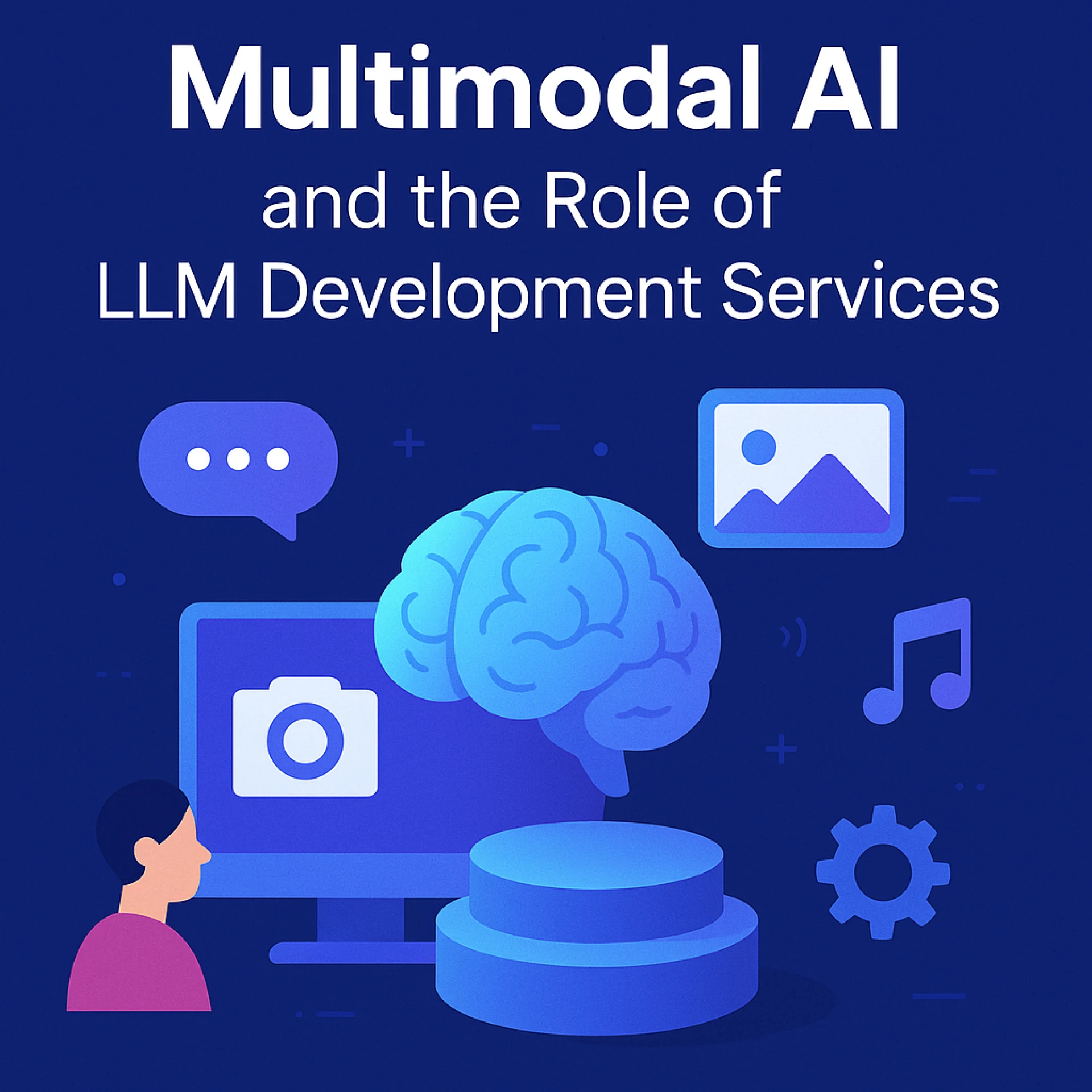
Multimodal learning combines visual data with other modalities like text, audio, or sensor data, enabling AI systems to achieve higher accuracy and robustness.
OpenAI’s CLIP model, for example, integrates text and image data to generate context-aware visual interpretations, improving applications like image search and content moderation. In healthcare, combining visual and textual data from patient records can enhance diagnostic accuracy by up to 40%.
AI computer vision development services are increasingly adopting multimodal approaches to create more comprehensive and contextually aware AI systems.
6. Ethical AI and Privacy-Preserving Techniques
With growing concerns about data privacy and algorithmic bias, ethical considerations are paramount in computer vision development. Techniques like federated learning and data anonymization help protect user privacy while enabling effective AI training.
IBM Watson, for instance, has implemented rigorous testing to eliminate biases in its facial recognition models, addressing historical inaccuracies that have disproportionately affected marginalized groups.
Computer vision services focusing on ethical AI practices are essential for building trust and ensuring compliance with evolving regulations.
7. Applications Across Industries
Computer vision is driving innovation across various sectors:
- Healthcare: AI-powered diagnostic tools analyze medical images for early disease detection.
- Retail: Augmented reality applications enable virtual try-ons and personalized shopping experiences.
- Manufacturing: Automated quality inspection systems detect defects in real-time.
- Agriculture: Drones equipped with computer vision monitor crop health and optimize resource usage.
Computer vision development companies are tailoring solutions to meet the specific needs of these industries, enhancing efficiency and productivity.
Conclusion
The advancements in computer vision development are pivotal in powering next-generation AI applications. From edge computing and synthetic data to explainable AI and ethical considerations, these technologies are transforming how machines perceive and interact with the world.
Engaging with a specialized computer vision development company can provide access to cutting-edge computer vision services, ensuring that your AI solutions are robust, ethical, and tailored to your industry's needs.





























Sign in to leave a comment.