


The construction industry is experiencing a major transformation driven by digital engineering technologies. Traditionally, construction projects relied on manual processes, paper-based documentation, and limited collaboration between teams. Today, digital engineering is changing how projects are planned, designed, managed, and delivered.
Digital engineering combines advanced technologies such as Building Information Modelling (BIM), Computer-Aided Design (CAD), 3D visualisation, cloud collaboration, and data-driven workflows. These tools enable architects, engineers, contractors, and project stakeholders to work together more efficiently throughout the project lifecycle.
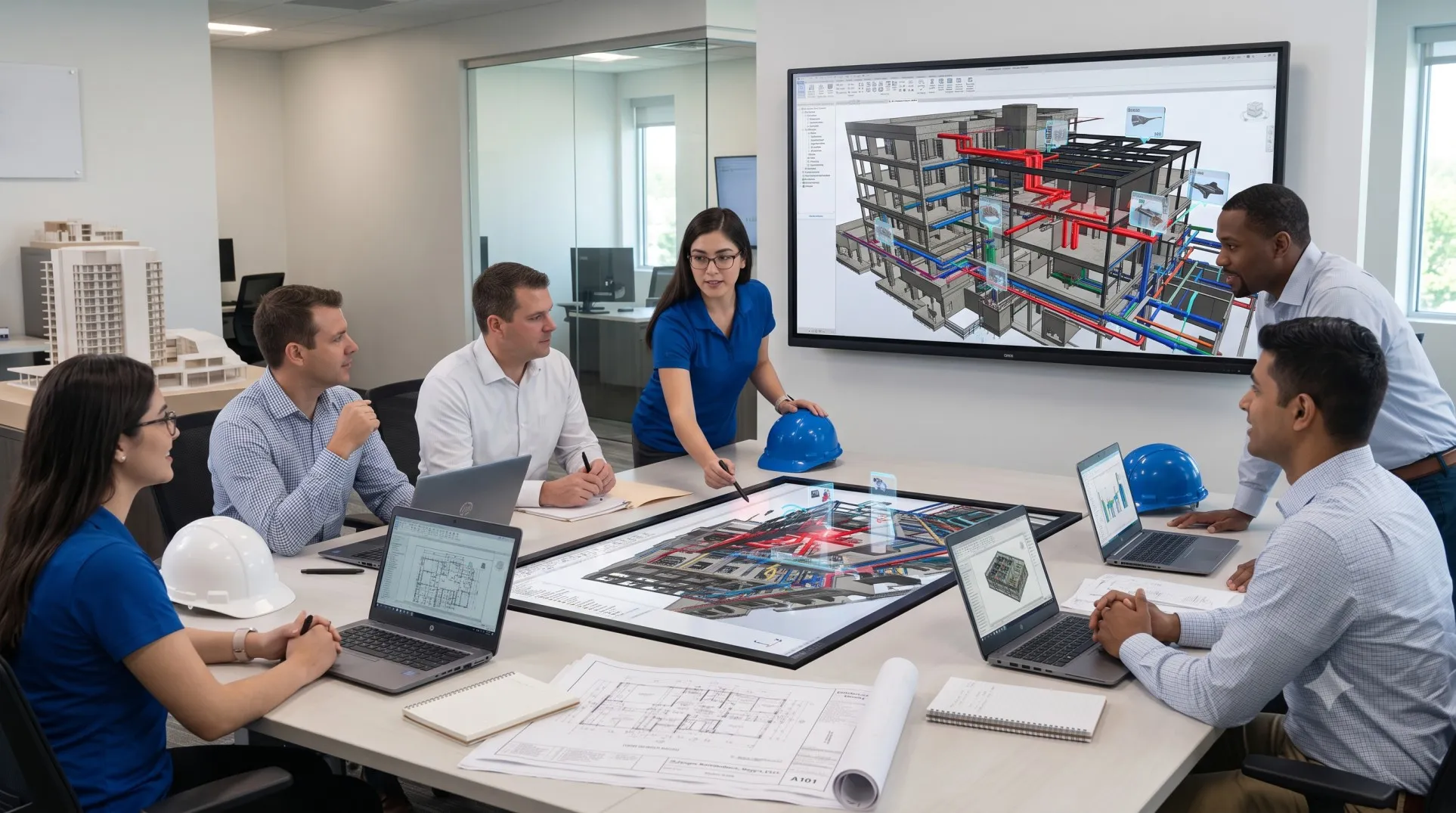
One of the most significant advantages of digital engineering is improved collaboration. Modern construction projects involve multiple disciplines working simultaneously. BIM platforms allow teams to access a shared digital model where everyone can review designs, identify issues, and coordinate changes in real time. This reduces communication gaps and helps prevent costly construction errors.
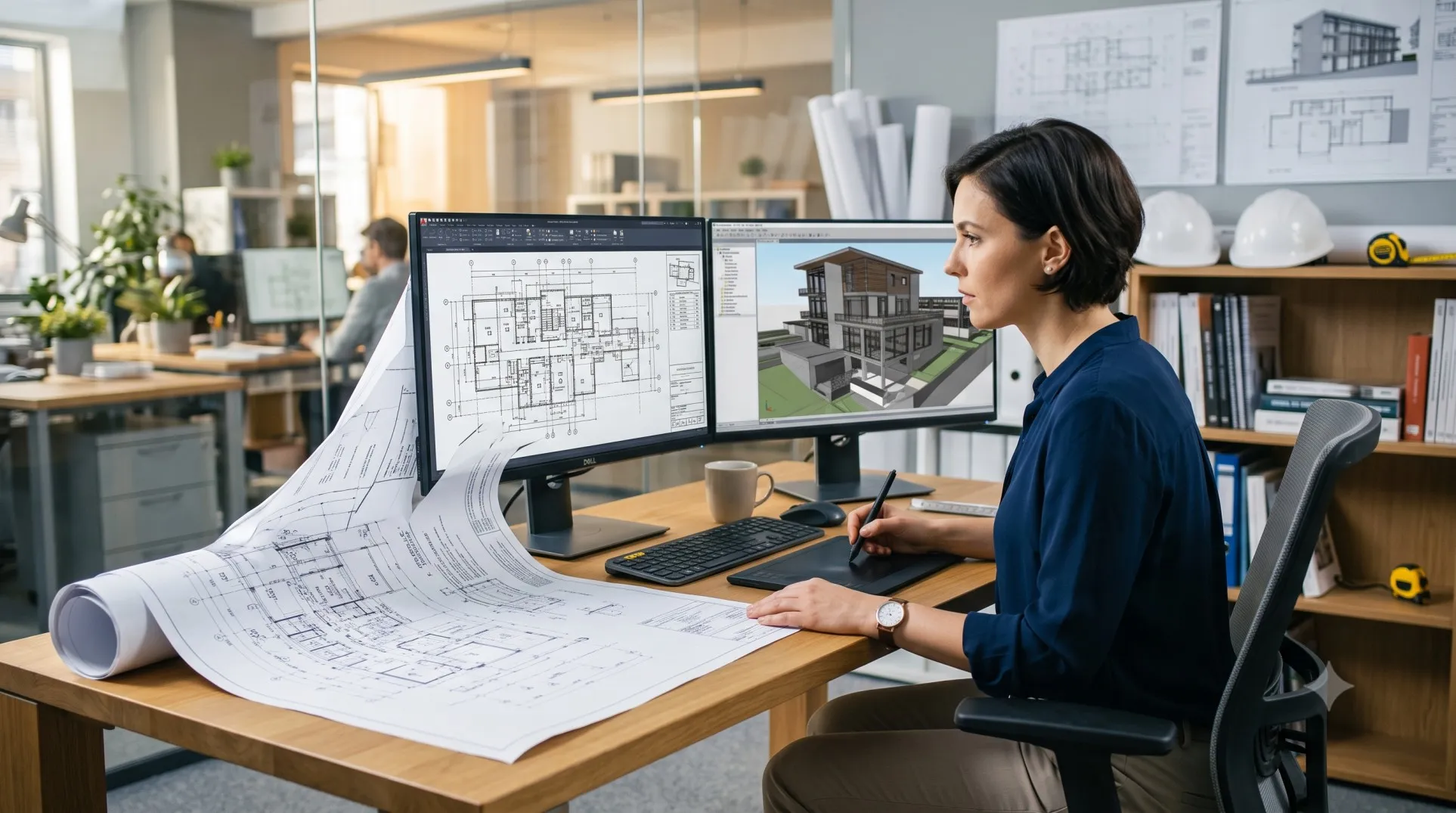
Another important benefit is enhanced project visualisation. Traditional 2D drawings can sometimes make it difficult to understand the final design. Digital engineering tools create detailed 3D models that provide a realistic representation of buildings and infrastructure before construction begins. This helps stakeholders make informed decisions and identify potential design improvements early in the process.
Digital engineering also improves project accuracy. Advanced modelling and drafting technologies reduce human error and ensure that construction documentation remains consistent across all project phases. Accurate documentation helps contractors, fabricators, and site teams execute projects with greater confidence and efficiency.
Cost control is another area where digital engineering delivers value. Construction delays, design conflicts, and rework can significantly increase project expenses. By identifying potential issues during the design stage, teams can avoid expensive changes during construction. As a result, projects can stay closer to budget and schedule targets.
Cloud-based collaboration platforms have further expanded the benefits of digital engineering. Teams located in different cities or countries can access project data from anywhere, ensuring that everyone works with the latest information. This flexibility has become increasingly important as global project teams continue to grow.
Sustainability is also becoming a key focus within the construction industry. Digital engineering tools support sustainable design by enabling energy analysis, material optimisation, and performance simulations. Project teams can evaluate different design options and select solutions that improve environmental performance while meeting project objectives.
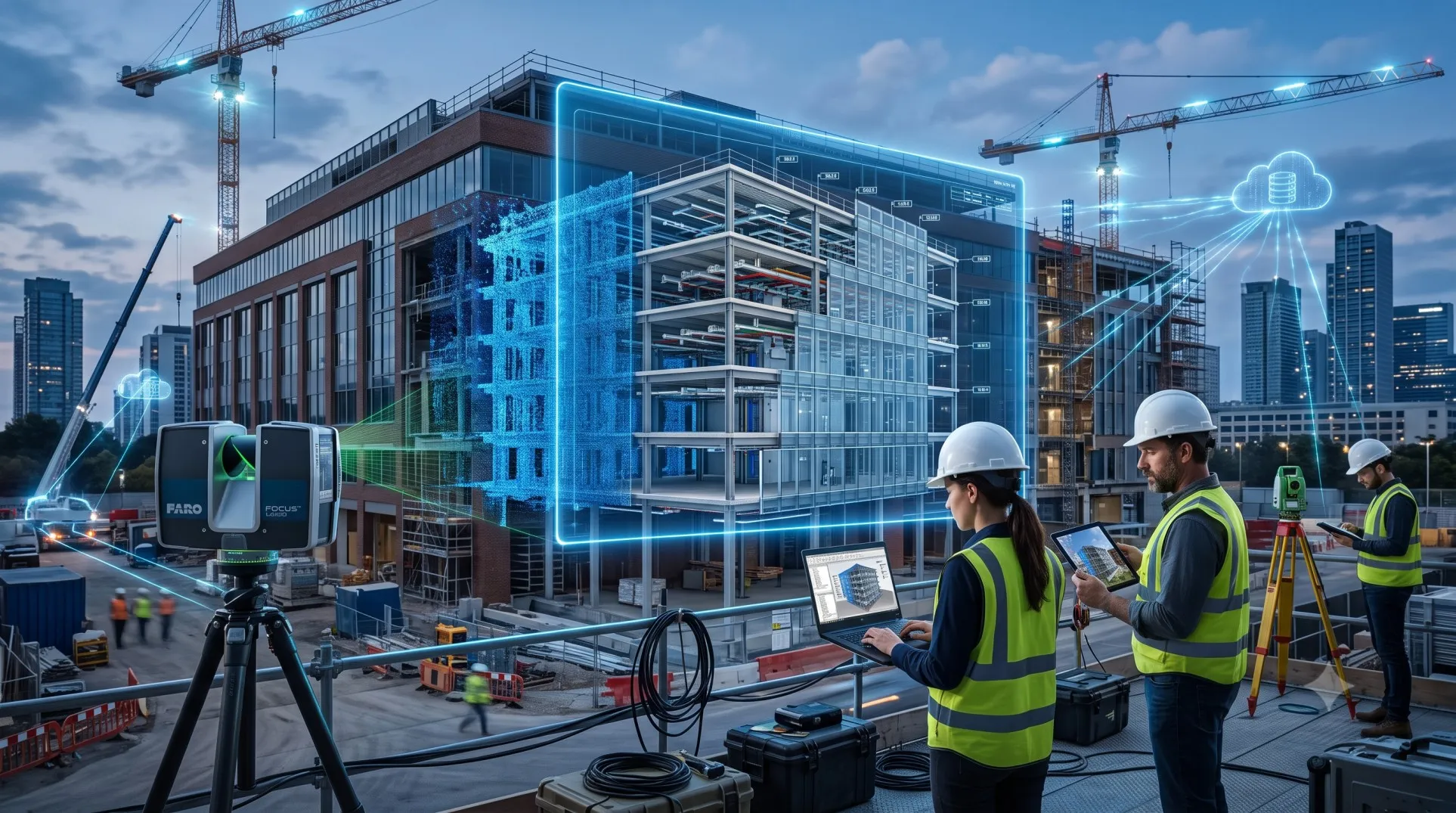
The rise of emerging technologies is further accelerating digital transformation. Artificial intelligence, digital twins, reality capture, and automation are helping construction professionals analyse data, improve decision-making, and streamline repetitive tasks. These innovations are creating new opportunities to increase productivity and project quality.
As the Architecture, Engineering, and Construction (AEC) industry continues to evolve, organisations that adopt digital engineering practices gain a competitive advantage. They can deliver projects faster, reduce risks, improve collaboration, and provide greater value to clients.
Digital engineering is no longer a future trend; it is becoming the standard approach for modern construction projects. By embracing technologies such as BIM, CAD, and advanced collaboration tools, the industry is building a more efficient, connected, and innovative future.
For firms looking to remain competitive in today's rapidly changing market, investing in digital engineering capabilities is no longer optional. It is an essential step toward delivering smarter, more successful construction projects.





















Sign in to leave a comment.