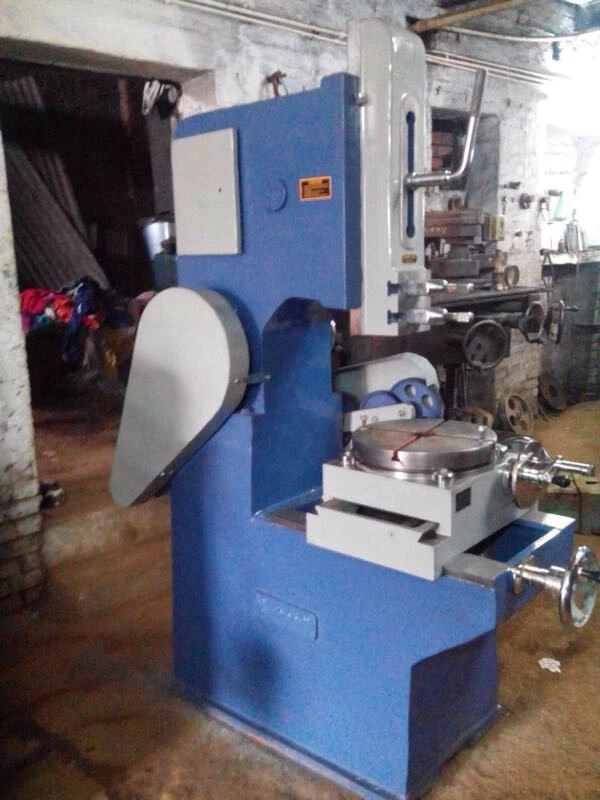

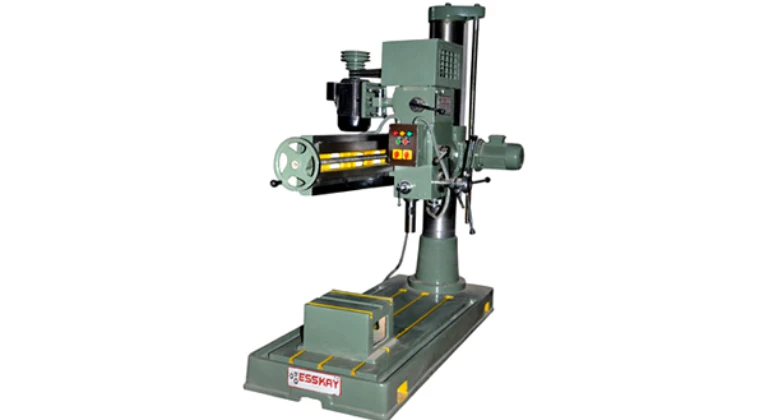
The use of advanced slotting machines will improve the accuracy and precision of manufacturing by incorporating better design features into complex internal geometries, through modern engineering designs, high-quality machine components, and by implementing new and improved control systems in slotting machines. Rigid machine structures are designed to minimize vibration, thus providing stable conditions for cutting operations during high-volume production tasks. The ability to control the stroke and adjust the speed allows the operator to make accurate cuts on keyways, splines, grooves or other complex internal geometries.
Enhanced accuracy through the combination of digital readouts and computerized numerical control (CNC) capabilities create a more accurate method to control tool movement and position. This will reduce instances of human error and create consistent outcomes between separate pieces or parts. The advancement of high-performance cutting tools and the design and optimization of tool geometries contribute to smoother finishes and tighter tolerances.
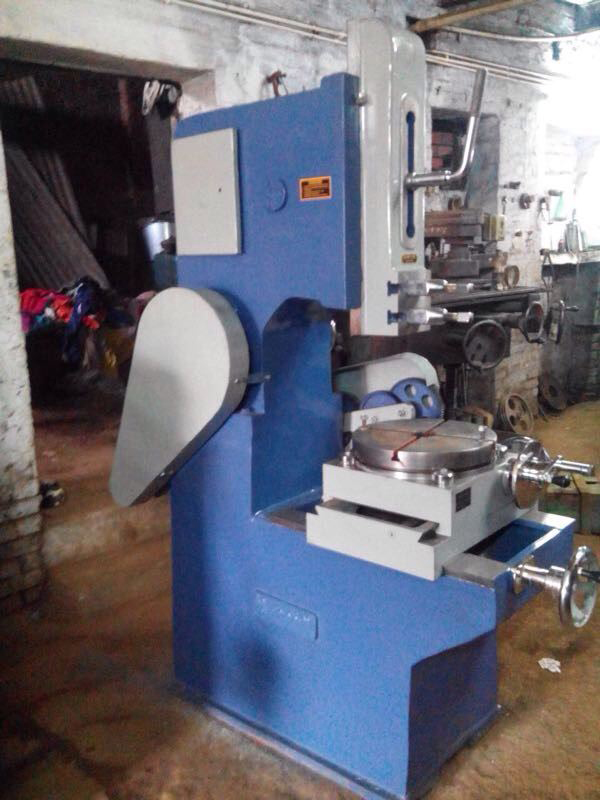
Slotting machine manufacturers focus on the implementation of advanced lubrication systems and thermal stability characteristics as part of the machine's design to maintain consistent performance during extended machining cycles. Additional automation features enhance the repeatability and efficiency of the slotting machine when performing complex tasks with minimal manual action required by the user.
For these reasons, the use of advanced slotting machines is prevalent in industries that require high precision components for manufacturable capabilities such as automotive, aerospace and heavy engineering industries, where the accuracy of internal geometries is critical to the proper operation of manufactured components.

























Sign in to leave a comment.