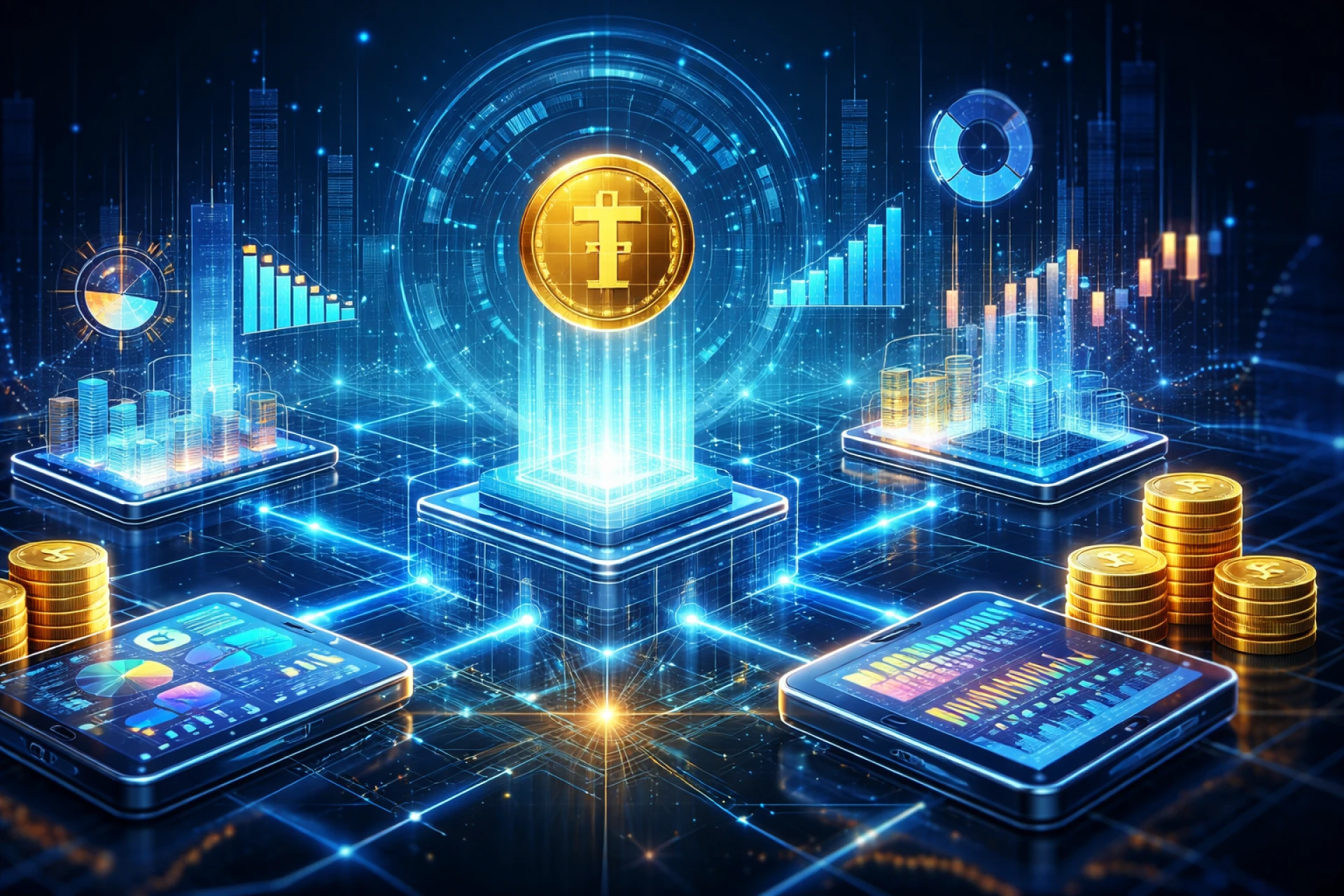

In the contemporary digital economy, data has emerged as one of the most valuable resources, driving innovation, operational efficiency, and strategic decision-making across industries. Organizations generate enormous volumes of data daily, ranging from consumer behavior insights to enterprise operational metrics. However, raw data in its native form is often difficult to trade, monetize, or leverage as a financial asset. Data tokenization platforms address this challenge by converting valuable data into investment-ready digital assets. This process not only democratizes access to data-based investments but also introduces new liquidity channels in the digital economy.
Understanding Data Tokenization
Data tokenization refers to the process of converting information, typically digital datasets, into blockchain-based tokens that represent ownership or usage rights over that data. Unlike simple digital files, tokenized data carries verifiable metadata, ownership rights, and trading capabilities, effectively making it a digital asset that can be bought, sold, or used in financial transactions.
The concept relies heavily on blockchain technology, which ensures transparency, immutability, and security. Each token represents a unit of data or a derivative data product, and ownership of a token implies a claim to the underlying data or associated rights. This transformation bridges the gap between intangible digital information and tangible investment instruments.
Key Components of Data Tokenization Platforms
Data tokenization platforms integrate several critical components to enable the creation, management, and trading of data assets:
- Data Verification and Validation: Before tokenization, the integrity and authenticity of data must be verified. Platforms implement automated and manual validation processes to ensure that datasets are accurate, complete, and compliant with relevant regulations.
- Smart Contracts: Smart contracts automate the creation, transfer, and governance of data tokens. They enforce ownership rights, usage restrictions, and royalty mechanisms, allowing token holders to monetize data while maintaining compliance.
- Decentralized Ledger Technology: Blockchains provide a transparent, tamper-resistant record of data ownership and transaction history. This ensures that data tokens can be tracked and traded securely without relying on central authorities.
- Token Standards: Platforms often utilize standard token protocols, such as ERC-20 or ERC-721, to ensure interoperability across exchanges and marketplaces. These standards facilitate fractional ownership, allowing investors to hold portions of valuable datasets rather than the entire dataset.
- Access Control and Privacy Measures: Data tokenization platforms incorporate encryption, zero-knowledge proofs, and secure multi-party computation to safeguard sensitive information. This ensures that investors or buyers can verify and use data without exposing confidential details.
The Process of Turning Data into Digital Assets
Converting raw data into investment-ready digital assets involves several stages, each critical to ensuring that the resulting tokens are valuable, secure, and compliant.
1. Data Identification and Categorization
The first step involves identifying datasets that hold economic or strategic value. Not all data is equally valuable; datasets with high demand, such as consumer purchasing patterns, industrial IoT metrics, or health-related data, are more likely to generate returns when tokenized. Platforms categorize data based on type, source, sensitivity, and potential applications, creating structured frameworks for tokenization.
2. Data Cleansing and Structuring
Raw data often contains inconsistencies, duplicates, or errors. Tokenization platforms implement robust data cleansing processes to ensure accuracy and usability. Structured and normalized data is easier to package, tokenize, and integrate into investment models. This stage also includes converting data into machine-readable formats that can interface with blockchain protocols.
3. Token Design and Smart Contract Development
Once data is structured, platforms define the characteristics of the data token. This includes token supply, ownership rights, access rules, and revenue-sharing mechanisms. Smart contracts encode these rules, ensuring that the token's value proposition is enforceable and transparent. For example, a token representing a healthcare dataset might include clauses restricting access to verified researchers while distributing revenue to original data contributors.
4. Data Token Minting and Issuance
With smart contracts in place, the platform mints data tokens. Each token is a digital representation of the dataset or a fractional claim on it. Token holders gain rights according to the token’s design, such as access to data insights, revenue participation, or the ability to trade the token on digital marketplaces.
5. Integration with Marketplaces and Investment Platforms
To convert tokenized data into an investment-ready asset, platforms integrate with digital marketplaces or decentralized exchanges. Investors can buy, sell, or trade data tokens, similar to other financial instruments. Marketplaces provide liquidity, price discovery, and valuation metrics, enabling token holders to realize financial gains from their data holdings.
6. Ongoing Data Governance and Compliance
Data tokenization is not a one-time process. Platforms continuously manage datasets, ensuring they remain accurate, updated, and compliant with evolving regulations. Governance mechanisms, such as decentralized autonomous organizations (DAOs), allow stakeholders to participate in decision-making processes, such as determining token usage policies or resolving disputes.
Advantages of Tokenized Data as Investment Assets
Tokenizing data offers several significant advantages, making it attractive to investors, enterprises, and data creators alike.
Fractional Ownership and Liquidity
Traditional data assets are often illiquid, with ownership concentrated in a few large organizations. Data tokenization enables fractional ownership, allowing multiple investors to hold portions of a dataset. This creates new liquidity channels and democratizes access to high-value data investments.
Enhanced Transparency and Trust
Blockchain-based data tokens include an immutable record of ownership, usage history, and transaction metadata. Investors can verify data provenance, usage rights, and the authenticity of the underlying dataset, increasing trust and reducing counterparty risk.
Programmable Monetization
Smart contracts allow automated monetization of data tokens. For instance, access fees, subscription models, or royalties can be encoded directly into the token, providing predictable revenue streams for data creators and investors.
Compliance and Privacy
Advanced encryption and privacy-preserving techniques enable tokenized data to comply with strict data protection regulations, such as GDPR or HIPAA. Investors can access insights without exposing sensitive personal or corporate information, reducing legal and ethical risks.
Market Accessibility
Data tokenization opens up global markets for investment in datasets. Investors from different regions can access, trade, and derive value from data without intermediaries, increasing market efficiency and capital flow.
Use Cases Across Industries
Data tokenization has transformative potential across multiple sectors, reshaping how data is monetized and leveraged.
Financial Services
Banks, hedge funds, and trading firms can tokenize market intelligence, consumer credit data, or transaction analytics. Tokenized datasets can be used for algorithmic trading, risk modeling, or predictive analytics, offering investors exposure to alternative data streams.
Healthcare and Life Sciences
Medical research institutions can tokenize anonymized patient records, clinical trial results, or genomic data. Token holders gain access to critical research insights while maintaining compliance with privacy regulations, fostering investment in healthcare innovation.
Supply Chain and Logistics
Tokenized operational data from logistics networks, shipment tracking, and inventory management provides insights into efficiency, bottlenecks, and market demand. Investors and stakeholders can analyze trends and optimize supply chains while holding fractional ownership of valuable datasets.
Consumer Insights and Marketing
Retailers and consumer analytics firms can tokenize purchasing behavior, product reviews, or demographic datasets. Tokenization enables monetization of data without compromising privacy, allowing investors to participate in consumer trend analysis.
Intellectual Property and Innovation
Data tokenization extends to intellectual property and R&D outputs. By converting research data, patents, or proprietary algorithms into tradable tokens, organizations can unlock capital from otherwise dormant assets.
Challenges and Considerations
While data tokenization offers numerous benefits, it also presents challenges that must be addressed to ensure sustainable adoption.
Regulatory Complexity
Data protection laws differ across jurisdictions, complicating the tokenization of sensitive datasets. Platforms must implement mechanisms to comply with multiple regulatory frameworks simultaneously.
Valuation Difficulties
Assigning value to data is inherently complex due to factors such as uniqueness, relevance, and temporal significance. Accurate pricing models are essential for creating investment-ready assets.
Security Risks
Although blockchain provides immutability, platforms must safeguard against cyberattacks, smart contract vulnerabilities, and unauthorized access to underlying datasets.
Standardization and Interoperability
Lack of standardized tokenization protocols can hinder market adoption and liquidity. Platforms need interoperable token standards to facilitate seamless trading and integration across marketplaces.
Ethical Considerations
Tokenizing personal or sensitive data raises ethical questions around consent, privacy, and equitable benefit sharing. Platforms must implement robust ethical frameworks to maintain trust and social legitimacy.
The Future of Data Tokenization
Data tokenization represents a paradigm shift in the way digital information is perceived and monetized. As the demand for alternative investments and digital assets grows, tokenized data will become a core component of diversified investment portfolios. Emerging trends include:
- Integration with AI and Machine Learning: Tokenized datasets can be used to train AI models, creating a feedback loop where data tokens generate insights that further increase their value.
- Cross-Industry Marketplaces: Platforms will facilitate cross-sector trading of tokenized data, allowing financial services, healthcare, and retail sectors to interact seamlessly.
- Dynamic Tokenization Models: Tokens may evolve from representing static datasets to dynamic data streams that update in real time, reflecting the latest insights.
- Decentralized Governance: DAOs and community-driven governance models will play a greater role in managing tokenized data assets, enabling transparent decision-making and equitable revenue distribution.
Conclusion
Data tokenization platforms are transforming raw digital information into structured, secure, and tradable investment assets. By leveraging blockchain technology, smart contracts, and privacy-preserving mechanisms, these platforms provide a pathway for data to become an alternative investment class. Investors can access fractional ownership, transparent provenance, and programmable monetization, while data creators benefit from liquidity, compliance, and revenue streams. Across industries such as finance, healthcare, logistics, and consumer analytics, data tokenization is unlocking new opportunities for capitalizing on information in ways that were previously impossible. As the technology matures, the tokenization of data will likely become a cornerstone of the digital economy, reshaping investment models, market dynamics, and the global valuation of information.



























Sign in to leave a comment.