

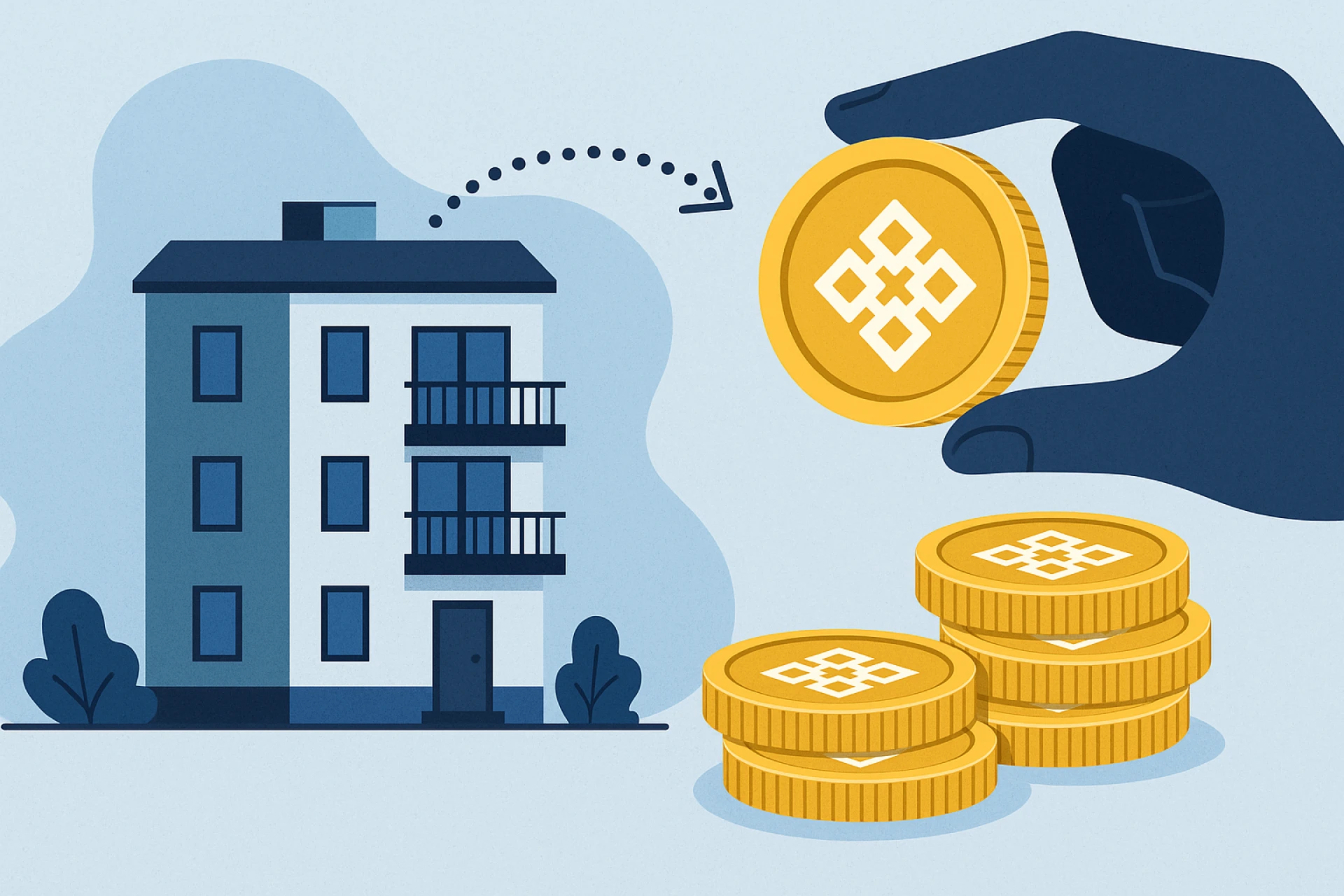
In today’s digital economy, data has become one of the most valuable assets for companies across industries. From consumer behavior analytics to operational insights, proprietary data fuels innovation, drives strategic decision-making, and opens new revenue streams. However, managing and monetizing data comes with significant challenges. Concerns around privacy, security, regulatory compliance, and data misuse have made organizations increasingly cautious. Data tokenization platforms offer a transformative approach to address these challenges, enabling companies to protect, govern, and monetize their data efficiently. By converting sensitive and valuable data into secure, tradeable tokens, organizations can unlock its economic potential while maintaining strict control and compliance.
Understanding Data Tokenization
Data tokenization refers to the process of replacing sensitive or proprietary data elements with unique digital tokens that maintain the data’s value and usability without exposing the original information. Unlike traditional encryption, tokenization replaces the actual data with surrogate values, making it extremely difficult for unauthorized actors to access sensitive information. Tokenized data can then be securely stored, shared, or even traded within a controlled ecosystem, allowing organizations to leverage it for insights or revenue generation while ensuring privacy and regulatory compliance.
A data tokenization platform typically integrates blockchain technology, smart contracts, and secure data management protocols. Blockchain ensures immutability and traceability, while smart contracts automate governance, access control, and revenue-sharing mechanisms. Together, these tools enable businesses to create a secure, transparent, and monetizable data environment.
Key Benefits of Data Tokenization Platforms
1. Data Security and Privacy
One of the primary advantages of data tokenization is enhanced security. By replacing sensitive information with tokens, the original data is protected from breaches and unauthorized access. Even if a system is compromised, tokenized data provides no actionable value to attackers. This is particularly critical for industries handling personal identifiable information (PII), financial records, or healthcare data. Companies can maintain compliance with data privacy regulations such as GDPR, CCPA, and HIPAA while reducing the risk of reputational and financial damage caused by data leaks.
2. Controlled Data Sharing
Organizations often need to share data with partners, vendors, or third-party service providers. Data tokenization enables controlled sharing, where tokenized data can be utilized for analysis or operational purposes without exposing sensitive information. Access can be dynamically governed through smart contracts, ensuring that only authorized users or entities can interact with the data under pre-defined conditions. This promotes collaboration without compromising security or privacy.
3. Monetization of Data Assets
Tokenization opens new avenues for monetizing data. Companies can package their tokenized data as tradeable digital assets on secure marketplaces, offering insights to investors, research institutions, or other businesses. Revenue can be generated through subscription models, pay-per-access, or usage-based licensing. By fractionalizing data assets, organizations can attract a wider range of buyers and create recurring revenue streams from existing data resources.
4. Auditability and Compliance
Blockchain-enabled data tokenization platforms provide immutable audit trails for every transaction, access request, and data usage event. This transparency ensures accountability and facilitates regulatory compliance. Organizations can demonstrate adherence to privacy laws, internal governance policies, and industry standards through verifiable records, reducing the burden of audits and enhancing trust with stakeholders.
5. Enhanced Data Utility
Tokenization does not only protect data—it also increases its utility. By decoupling data from sensitive identifiers, companies can safely analyze, share, and aggregate information to extract insights, build predictive models, or enhance machine learning applications. Tokenized data maintains analytical value while minimizing exposure risks, enabling organizations to derive maximum benefit from their data assets.
Use Cases of Data Tokenization Platforms
Healthcare and Medical Data
Healthcare organizations handle highly sensitive patient information, making data security paramount. Tokenization platforms can anonymize patient records while preserving their analytical value for research, predictive modeling, and pharmaceutical studies. Hospitals can securely share tokenized datasets with research institutions or AI-driven healthcare platforms, unlocking value while maintaining patient privacy and compliance with regulations like HIPAA and GDPR.
Financial Services
Banks and financial institutions process vast amounts of personal and transactional data. Tokenizing sensitive financial information, such as account numbers, credit histories, and transaction records, reduces fraud risks and regulatory exposure. Financial institutions can also monetize aggregated, anonymized data by offering market insights, credit risk assessments, and consumer behavior analytics to third parties, generating additional revenue streams.
Retail and Consumer Analytics
Retailers collect massive volumes of customer data, including purchase histories, preferences, and demographic details. Tokenization allows them to share aggregated insights with partners, advertisers, or analytics firms without revealing personal identifiers. Companies can monetize behavioral data through subscription-based access or data marketplaces while enhancing consumer trust through secure handling and privacy protection.
Intellectual Property and Proprietary Research
Organizations in technology, pharmaceuticals, and creative industries possess valuable intellectual property (IP) and proprietary research data. Tokenization platforms enable secure storage, licensing, and controlled sharing of these assets. By fractionalizing IP data into tradeable tokens, companies can attract investors, collaborators, or research partners while safeguarding competitive advantages.
Supply Chain and Logistics Data
Supply chain visibility depends on the secure exchange of data across multiple stakeholders. Tokenization platforms can encode operational data such as shipment status, inventory levels, or supplier metrics into secure tokens, allowing controlled sharing with authorized parties. This improves operational efficiency, reduces disputes, and enables monetization through data-driven analytics services for industry partners.
Challenges and Considerations
While data tokenization platforms offer significant benefits, companies must address several challenges:
Regulatory Compliance
Tokenized data is still subject to privacy and financial regulations, especially when shared or monetized. Companies must understand local and international regulations governing data handling, transfer, and monetization. Engaging legal advisors and compliance experts is crucial to ensure that tokenization strategies adhere to applicable laws.
Technology Infrastructure
Implementing a robust tokenization platform requires advanced technology infrastructure, including secure blockchain systems, data storage solutions, and smart contract frameworks. Organizations must evaluate providers based on security, scalability, and interoperability with existing IT systems.
Market Adoption and Liquidity
Monetizing tokenized data depends on market adoption. Companies need to create awareness and establish trust with potential buyers or partners. Building partnerships with data marketplaces, analytics platforms, or investment networks can facilitate liquidity and maximize revenue potential.
Data Quality and Governance
Tokenization does not replace the need for high-quality, well-governed data. Companies must implement rigorous data management practices, including validation, normalization, and governance policies. Poor-quality data can undermine analytics, reduce monetization potential, and damage trust with stakeholders.
Valuation of Data Assets
Determining the value of tokenized data assets is complex. Organizations must consider factors such as uniqueness, relevance, demand, and analytical potential. Transparent and standardized valuation methodologies help build investor confidence and ensure fair market pricing.
Steps for Implementing a Data Tokenization Strategy
1. Identify and Classify Data Assets
The first step is to catalog data assets based on sensitivity, value, and potential for monetization. Data that contains personally identifiable information (PII), trade secrets, or proprietary research should be prioritized for tokenization. Classification helps determine the appropriate tokenization approach and access controls.
2. Choose the Right Tokenization Platform
Selecting a secure and scalable data tokenization platform is critical. Companies should evaluate platform features such as blockchain integration, smart contract support, data governance tools, and marketplace connectivity. A robust platform ensures secure token issuance, tracking, and monetization.
3. Develop Tokenization and Governance Policies
A comprehensive policy framework should define how data is tokenized, shared, accessed, and monetized. Smart contracts can automate compliance with policies, ensuring that tokenized data is used only under approved conditions. Governance policies also address revenue-sharing, audit requirements, and dispute resolution.
4. Implement Security and Privacy Measures
Even tokenized data must be protected against cyber threats. Companies should deploy encryption, access controls, and anomaly detection systems to prevent unauthorized access or misuse. Tokenization, combined with robust cybersecurity practices, enhances overall data protection.
5. Engage Stakeholders and Build Market Awareness
Successful monetization requires stakeholder trust and market adoption. Companies should educate partners, investors, and buyers about the benefits, security, and potential of tokenized data. Marketing campaigns, partnerships with data marketplaces, and participation in industry forums can promote adoption.
6. Monitor and Optimize Tokenized Data Assets
Post-implementation, organizations should continuously monitor tokenized data usage, market performance, and compliance. Insights gained can inform future tokenization initiatives, improve revenue strategies, and enhance data governance practices.
The Future of Data Tokenization
Data tokenization platforms are poised to redefine the way companies manage and monetize information. As blockchain technology matures and regulatory frameworks become clearer, tokenized data will emerge as a new class of digital asset. Companies that successfully implement tokenization strategies can unlock unprecedented value from their data, attract global investors, and foster innovation. Moreover, the combination of privacy, security, and monetization potential will enable organizations to build trust with stakeholders while exploring new business models, partnerships, and revenue streams.
The adoption of tokenized data ecosystems could also drive broader economic benefits. SMEs and startups, traditionally constrained by limited access to capital or market insights, can leverage tokenized data to compete effectively in global markets. Industries can create interoperable data networks where insights are shared securely, innovation is accelerated, and value is distributed fairly among participants. In this way, data tokenization has the potential to transform the digital economy, fostering a secure, inclusive, and data-driven future.
Conclusion
Data tokenization platforms offer a compelling solution for companies seeking to monetize and protect their data effectively. By converting sensitive information into secure, tradeable digital tokens, organizations can unlock new revenue streams, enhance data security, ensure compliance, and foster collaboration. From healthcare and finance to retail and logistics, tokenization provides a versatile framework for harnessing the full potential of data assets. While challenges related to regulation, technology, and valuation exist, careful planning, robust governance, and strategic partnerships can help companies navigate these obstacles. As data continues to drive business value globally, tokenization platforms will play an increasingly critical role in shaping the future of secure, monetizable, and privacy-compliant data ecosystems.



























Sign in to leave a comment.