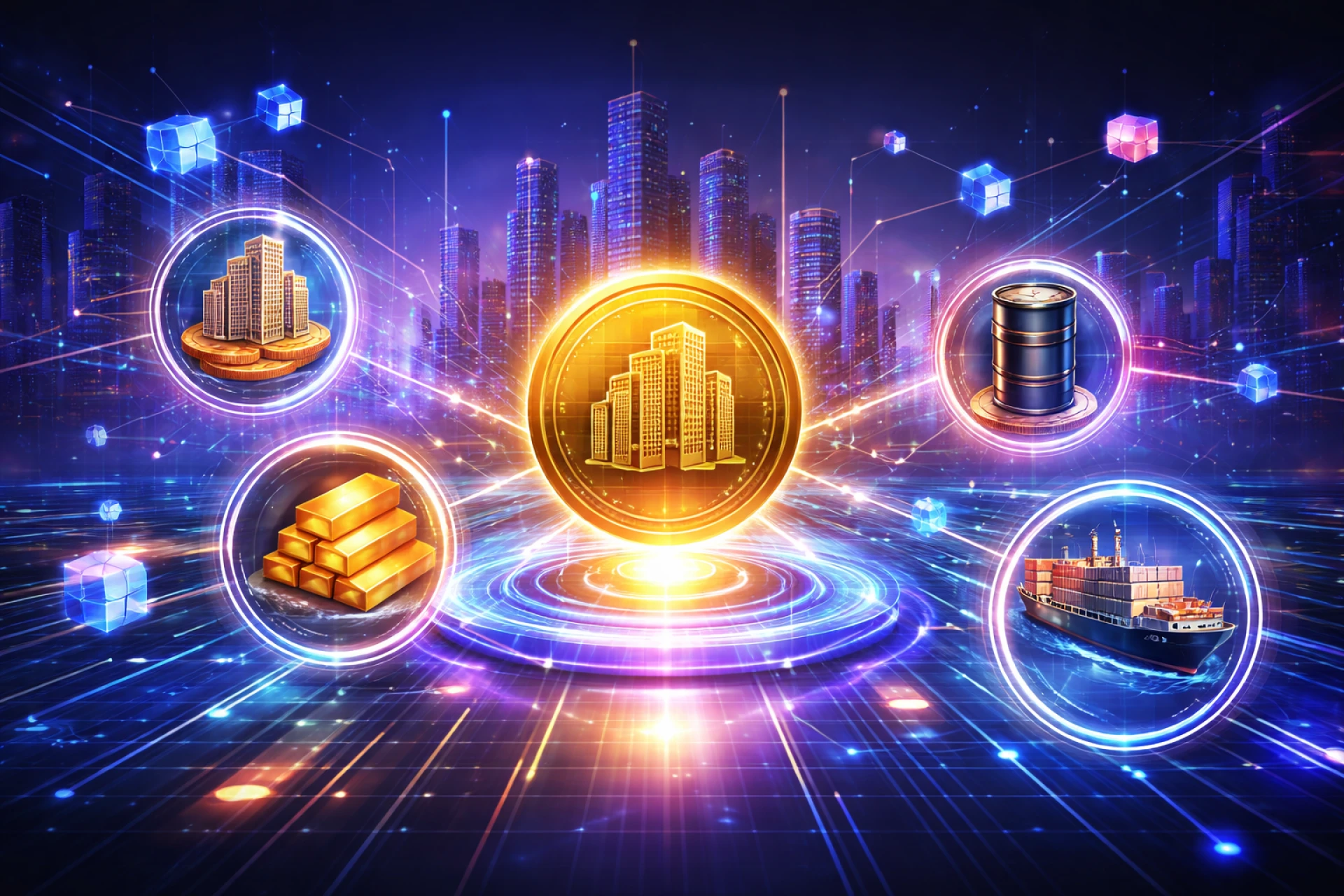

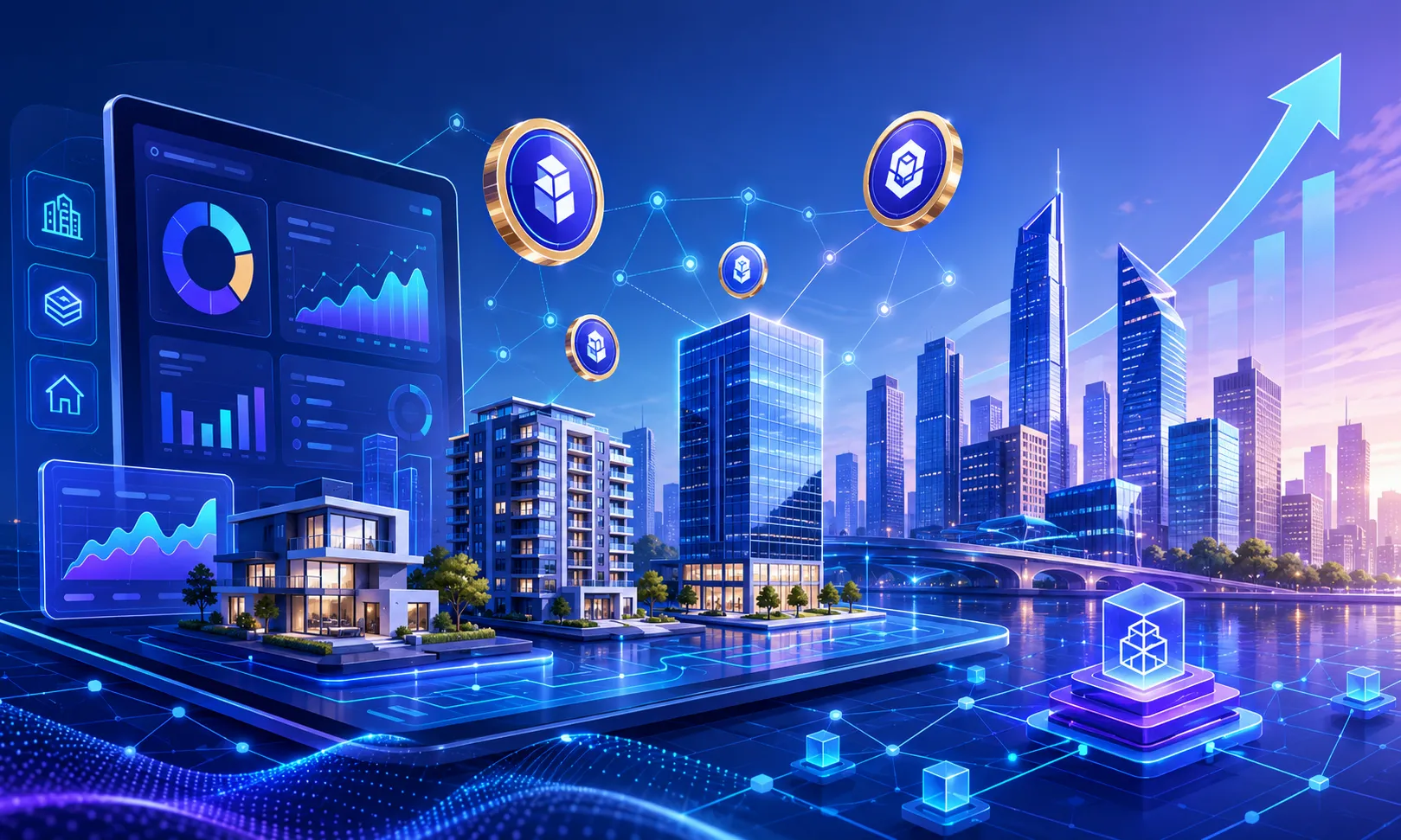
The real estate market is one of the largest and most established asset classes worldwide, yet it has long been limited by high entry barriers, low liquidity, and the complexities of international transactions. Real estate investment has traditionally required significant capital, regulatory navigation, and lengthy processes to buy, sell, or trade property. However, the rise of Real-World Asset (RWA) tokenization is changing the landscape. By digitizing real estate and other tangible assets into blockchain-based tokens, RWA tokenization platforms are offering a new way to democratize access, enhance liquidity, and drive efficiency in asset trading.
In this blog, we will explore how RWA tokenization platforms are poised to shape the future of real estate investment and asset trading, highlighting the technological, financial, and market benefits they bring.
What Is RWA Tokenization?
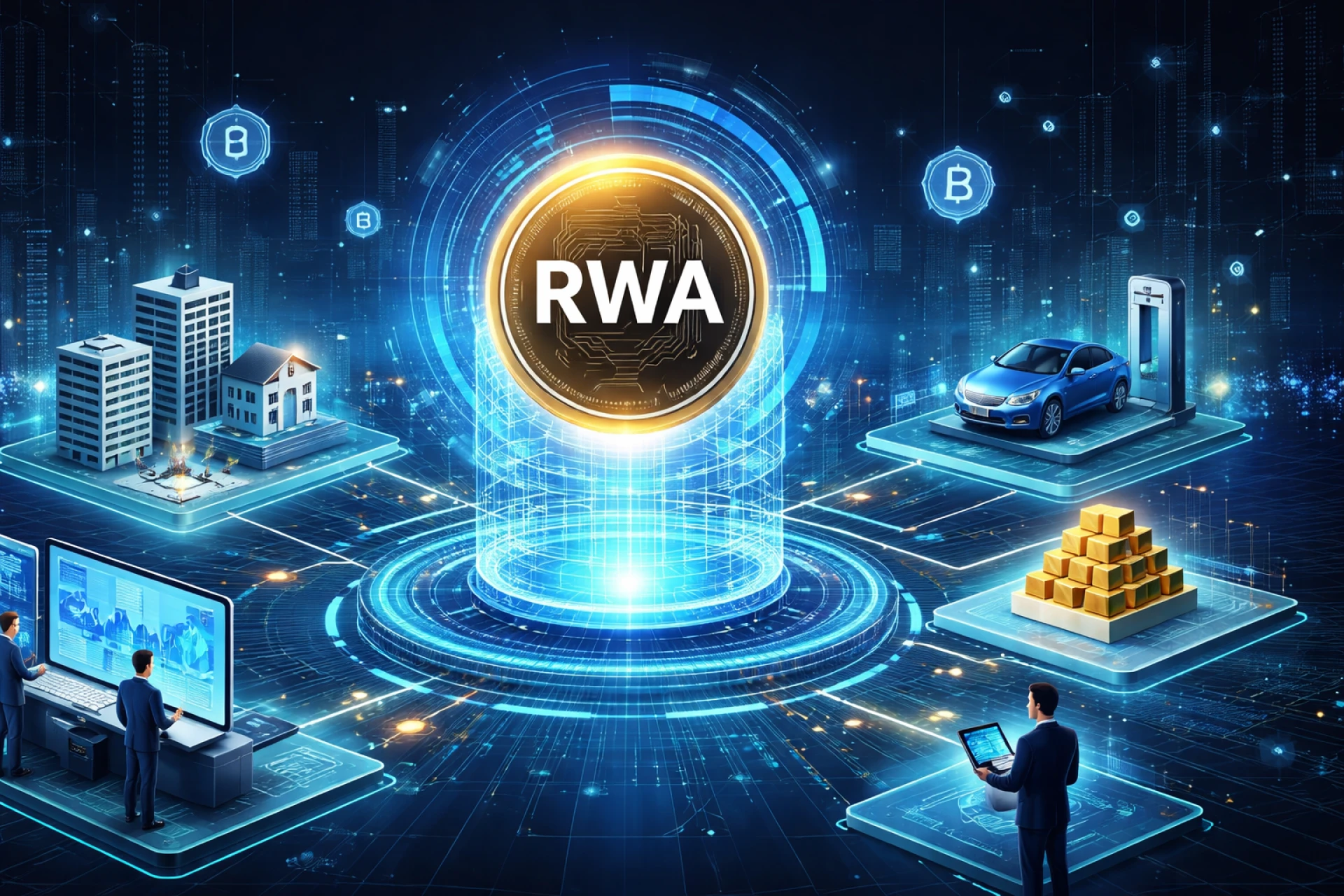
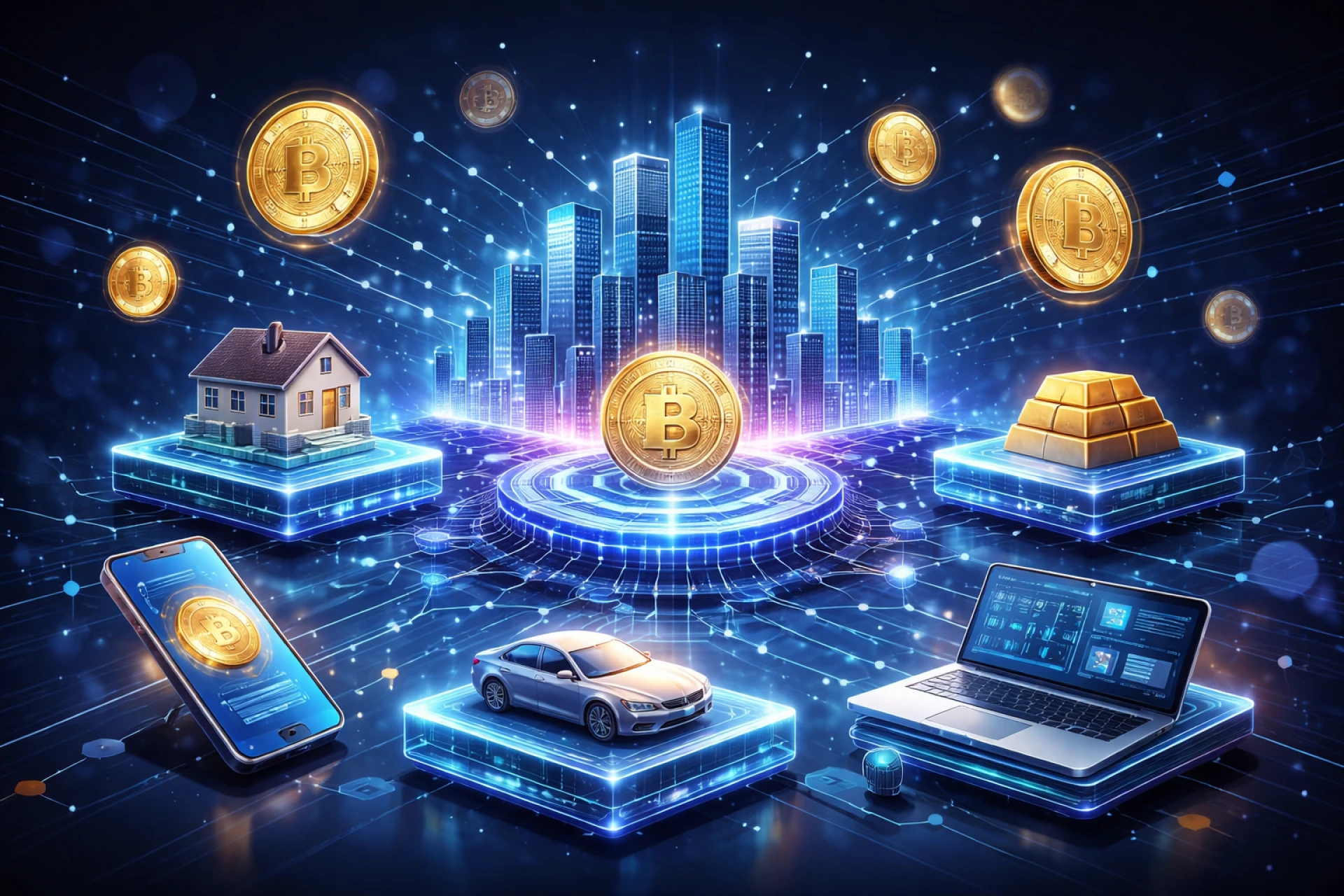
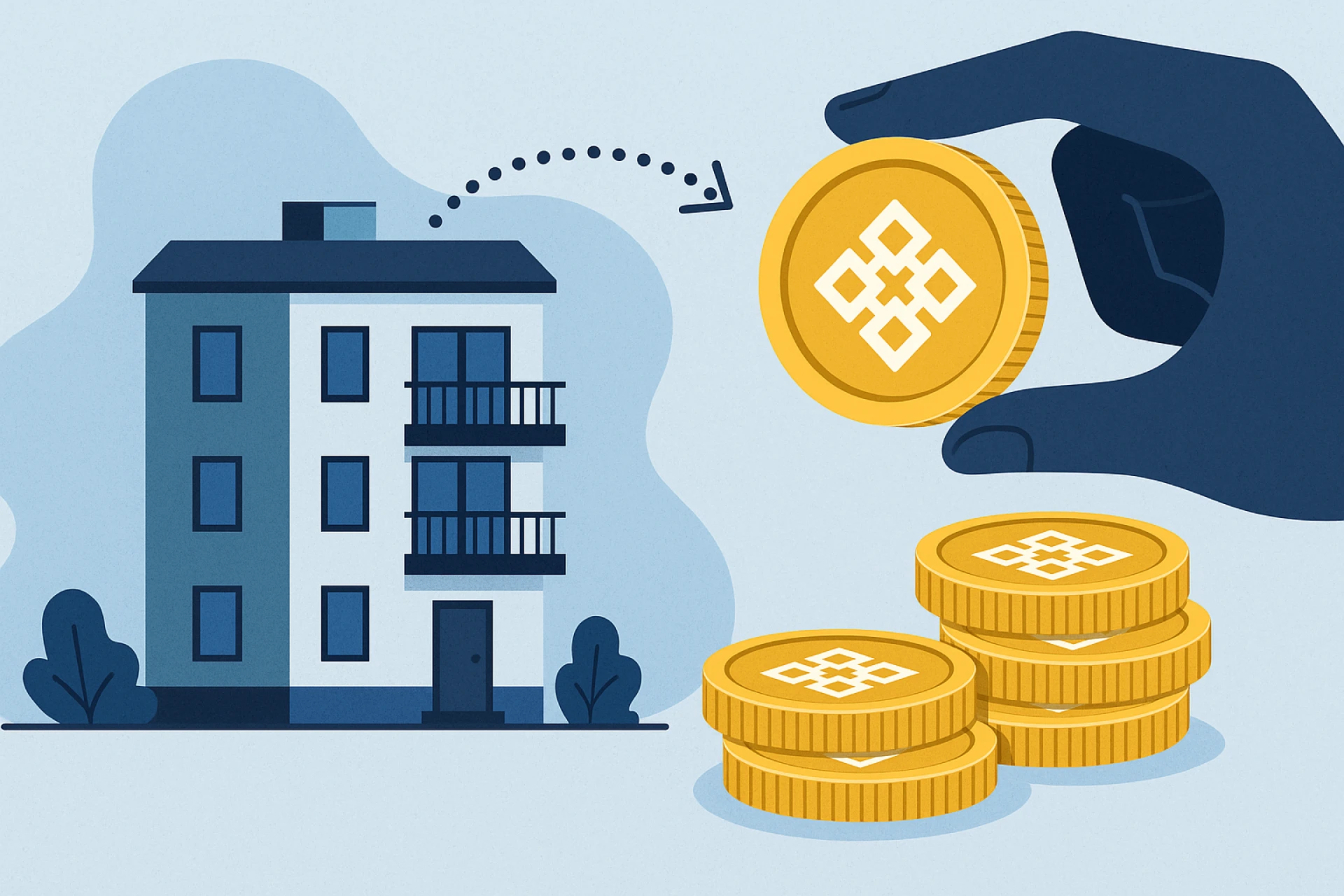
RWA tokenization refers to the process of converting physical or traditional assets (such as real estate, commodities, or even intellectual property) into digital tokens that are recorded on a blockchain. Each token represents a fraction of ownership in the underlying asset, allowing the token holder to buy, sell, or trade these tokens on blockchain-based platforms.
Unlike traditional digital assets like cryptocurrencies, tokenized RWAs are backed by real-world, tangible assets, which gives them a unique value proposition in the financial ecosystem. Tokenization provides liquidity to traditionally illiquid assets, allowing them to be fractionalized and traded on secondary markets.
The Role of RWA Tokenization Platforms in Real Estate Investment
Real estate has always been considered a cornerstone of wealth building, yet it has remained out of reach for many investors due to the high cost of entry and long-term commitment required. Traditional real estate transactions involve intermediaries like brokers, legal advisors, and banks, leading to slow, expensive, and cumbersome processes.
RWA tokenization platforms are fundamentally changing this by offering a more efficient, transparent, and accessible model for real estate investment.
Fractional Ownership and Accessibility
One of the most powerful benefits of real estate tokenization is fractional ownership. Traditionally, owning property requires a significant upfront investment, whether in residential or commercial real estate. With tokenization, a property can be divided into thousands of tokens, enabling small-scale investors to buy fractions of the property, which can significantly lower the capital required to participate.
For example, instead of needing millions of dollars to invest in a commercial building or luxury real estate, an investor can purchase a portion of a property for a fraction of the cost. This opens up high-value real estate markets to a broader audience, including retail investors, international investors, and smaller institutional investors who were previously shut out.
Liquidity and Faster Transactions
Liquidity has traditionally been a challenge in real estate investment. Properties often take months or even years to sell, and real estate markets can be volatile with pricing influenced by many external factors. Tokenized real estate solves these problems by enabling faster and more liquid markets.
By listing tokenized properties on blockchain-based platforms, real estate assets can be traded 24/7, just like stocks and other digital assets. Investors can buy or sell property fractions instantly, improving liquidity and providing greater flexibility to adjust their portfolios. This is especially attractive for global investors who may need to liquidate their investments quickly due to changing market conditions or personal circumstances.
Global Access and Borderless Transactions
One of the most exciting opportunities presented by RWA tokenization platforms is their ability to enable global access to real estate investments. Blockchain technology, by its very nature, is decentralized and operates across borders. Tokenization allows investors from anywhere in the world to purchase fractional ownership of real estate in any market, regardless of geographic location.
For instance, an investor from Asia can easily purchase tokens representing shares in U.S. or European real estate, bypassing the traditional barriers of high transaction fees, currency conversion issues, and regulatory hurdles. This opens up a global pool of investors, increases demand for tokenized real estate, and drives further innovation in the market.
Smart Contracts for Automated Transactions
Smart contracts—self-executing contracts with the terms directly written into code—are another powerful feature of tokenized real estate. These contracts automate processes such as payment distribution, dividend payouts, and regulatory compliance checks, ensuring that transactions are executed efficiently and without the need for intermediaries.
For example, a smart contract can automatically distribute rental income to token holders based on the fraction of ownership they hold. Similarly, it can ensure that any changes to ownership or property rights are recorded on the blockchain in real-time, minimizing disputes and ensuring transparency.
How RWA Tokenization Platforms Can Revolutionize Asset Trading Beyond Real Estate
While real estate is the most prominent asset class being tokenized, RWA tokenization platforms extend beyond property and are beginning to revolutionize other markets such as art, commodities, and intellectual property.
Tokenizing Art and Collectibles
Art has long been a symbol of wealth, but the traditional art market has been inaccessible to the majority of investors due to the high cost of artworks and the illiquid nature of the market. By tokenizing art and collectibles, RWA tokenization platforms allow investors to own fractional shares of iconic pieces of art or rare collectibles, such as vintage cars or rare wines.
This creates a much more inclusive art market, where smaller investors can diversify their portfolios by purchasing fractions of artworks. Additionally, tokenized art can be traded on blockchain-based platforms, increasing the liquidity of the art market, which has historically been slow and opaque.
Commodities and Precious Metals
Commodities such as gold, silver, oil, and agricultural products have always been a core part of global asset trading. Tokenizing commodities allows investors to gain exposure to these markets without physically owning or storing the asset. This can be particularly beneficial for global investors looking to diversify into commodities but lacking the infrastructure to manage physical holdings.
Gold-backed tokens, for example, represent a new way for investors to participate in the gold market with lower barriers to entry. These tokens can be easily traded on blockchain exchanges, ensuring transparency and improving liquidity.
Intellectual Property (IP) and Royalties
Intellectual property, including patents, trademarks, and copyrights, is often undervalued and under-utilized. Tokenizing IP allows the ownership of IP rights to be divided into shares, making it easier to trade or monetize. Additionally, royalties from IP can be tokenized and distributed to token holders through smart contracts, ensuring transparent and automated payments.
For example, a patent for a groundbreaking piece of technology can be tokenized, allowing multiple investors to purchase fractions of the patent and receive a share of any royalties generated from licensing the technology. This represents an innovative way for startups and IP holders to raise capital while sharing ownership and future revenue.
The Benefits of RWA Tokenization Platforms for Institutional and Retail Investors
RWA tokenization platforms offer significant benefits to both institutional and retail investors, making them an attractive proposition for all types of market participants.
1. For Retail Investors
- Lower Capital Requirements: Tokenization allows retail investors to gain exposure to high-value assets with much lower initial investment amounts.
- Diversification: With fractional ownership, retail investors can diversify their portfolios by adding tokenized real estate, art, or commodities without needing to invest in an entire property or asset.
- Transparency and Security: Blockchain technology ensures that the ownership and transaction history of tokenized assets are transparent and secure, which builds trust among retail investors.
2. For Institutional Investors
- Increased Liquidity: Institutions can quickly adjust their portfolios and exit positions through tokenized asset trading, providing them with greater flexibility and agility.
- Global Investment Access: Tokenization platforms allow institutional investors to access international markets and invest in a diverse range of asset classes, increasing their portfolio's diversification.
- Regulatory Compliance: Blockchain platforms designed for RWA tokenization typically integrate compliance features, ensuring that institutional investors can meet regulatory requirements easily.
Challenges and Considerations for RWA Tokenization
While the future looks promising, there are challenges that need to be addressed for RWA tokenization platforms to achieve widespread adoption:
1. Regulatory Uncertainty: The regulatory environment for tokenized assets is still evolving. Governments and financial authorities are working to establish frameworks that ensure investor protection, market stability, and compliance with securities laws.
2. Technological Integration: Integrating RWA tokenization platforms with traditional financial infrastructure, including banks, brokerage firms, and asset managers, requires significant investment in technology and interoperability solutions.
3. Market Education: Tokenization is a relatively new concept, and market participants need to be educated on how these platforms work, their benefits, and the associated risks.
4. Security Risks: As with any blockchain-based technology, security is a critical concern. Tokenization platforms must ensure that they implement robust security measures to prevent hacking, fraud, and data breaches.
Conclusion
RWA tokenization platforms are set to revolutionize the future of real estate investment and asset trading by offering unprecedented levels of accessibility, liquidity, and transparency. Whether it’s through fractional ownership of real estate, art, commodities, or intellectual property, tokenization empowers both institutional and retail investors to diversify their portfolios and participate in markets that were previously closed off to them.
As regulatory clarity improves, technological advancements continue, and market adoption grows, RWA tokenization will play a key role in shaping the next generation of global investment strategies, making the financial world more inclusive, efficient, and liquid than ever before.

















Sign in to leave a comment.